

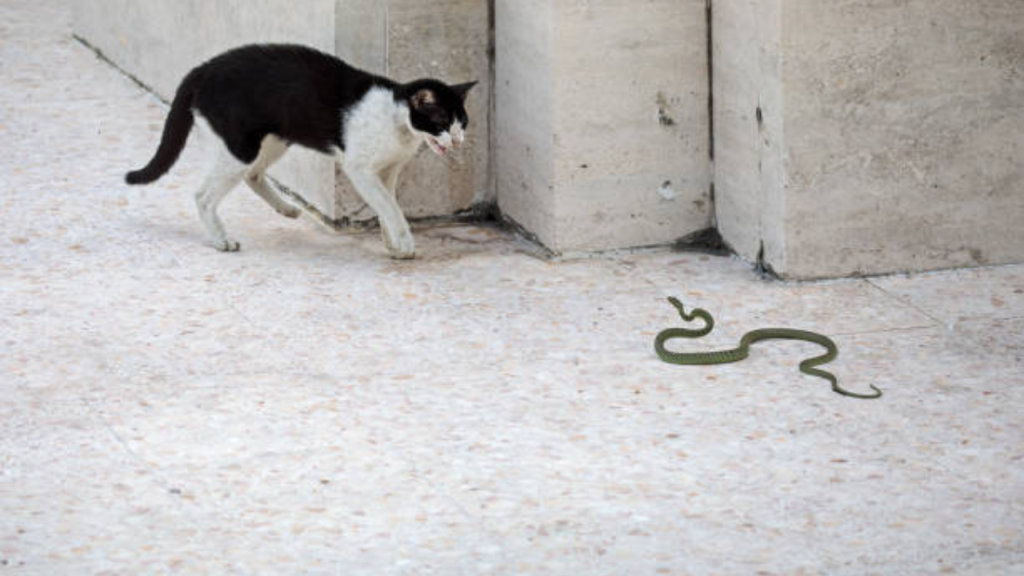
Have you ever wondered if your curious cat would chase after a snake? You might be surprised to learn what really happens when cats and snakes cross paths.
Understanding this can help you keep your furry friend safe and calm your worries. Keep reading to discover whether cats actually eat snakes, why they behave this way, and what you should watch out for. This could change the way you see your cat’s adventurous side forever.
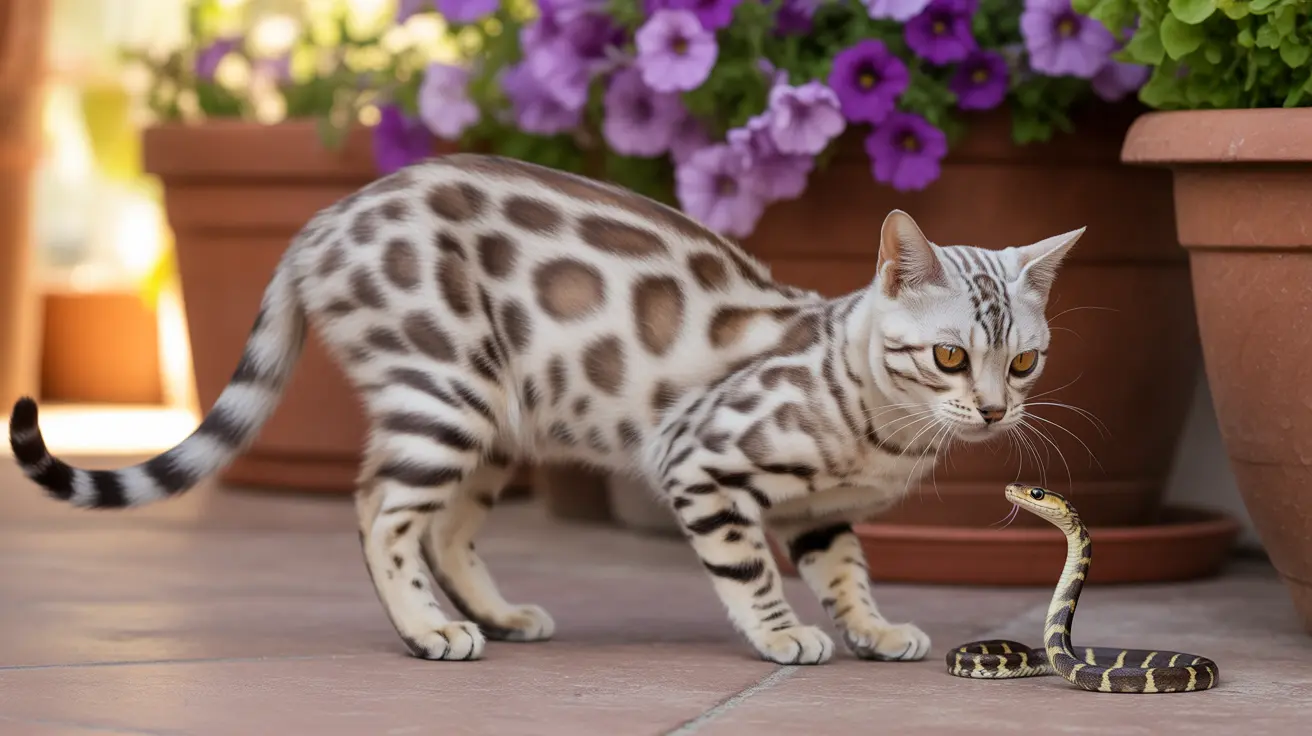
Credit: www.petscare.com
Cats And Their Predatory Instincts
Cats carry an undeniable hunting drive that shapes much of their behavior. This instinct is deeply rooted in their DNA, influencing how they interact with their environment and the creatures they encounter. Understanding these predatory instincts can shed light on whether cats might consider snakes as potential prey.
Natural Hunters
Your cat’s hunting skills are sharp, even if it’s a well-fed indoor pet. They rely on keen senses like sight, hearing, and smell to detect movement and track down targets. This instinct pushes them to stalk, chase, and pounce, activities they perform even when not hungry.
Think about the last time your cat suddenly focused on a tiny moving object—was it a bug or a toy? That same drive could trigger a response to a slithering snake, especially if it moves quickly or unpredictably.
Common Prey
Cats typically hunt small animals that are easy to catch and handle. Their common prey includes:
- Birds
- Rodents like mice and rats
- Insects
- Occasionally small reptiles
Snakes, while less common, can sometimes fall into this category, particularly if they are small and non-venomous. But would your cat risk going after a snake? The answer depends on the snake’s size, behavior, and the cat’s confidence.
Have you noticed your cat’s reaction to a garden snake or a slithering toy? Their response might surprise you and reveal just how far their hunting instincts can stretch.
Interactions Between Cats And Snakes
Cats and snakes rarely cross paths, but their interactions can be surprising. Cats are natural hunters, curious and alert. They may react differently to snakes depending on the situation. These encounters range from cautious observation to aggressive hunting. Understanding these behaviors helps explain the complex relationship between cats and snakes.
Do Cats Hunt Snakes?
Cats often see snakes as prey or threats. Their hunting instincts kick in when they spot a snake moving. Cats use stealth and quick pounces to catch small reptiles. Not all cats hunt snakes, but many try. Hunting snakes can be risky, especially if the snake is venomous.
Types Of Snakes Targeted
Cats usually target small, non-venomous snakes. These snakes are easier to catch and less dangerous. Common targets include:
- Garter snakes
- Ring-necked snakes
- Small rat snakes
Large or venomous snakes like rattlesnakes are often avoided. Cats sense danger and may choose to watch instead of attack. The size and species of the snake affect the cat’s behavior significantly.
Why Cats Might Eat Snakes
Wondering why your cat might go after a snake? It’s a curious behavior that can puzzle many pet owners. Understanding the reasons behind this can help you manage your cat’s safety and satisfy their natural instincts.
Nutritional Aspects
Cats are natural carnivores, and snakes can provide a rich source of protein. Their meat contains essential amino acids and nutrients that cats need to stay healthy and active.
Wild cats often hunt reptiles as part of their diet, which helps them meet their nutritional needs. Even if your cat is well-fed, the instinct to seek out high-protein prey like snakes can still kick in.
Have you noticed your cat showing more interest in hunting after a period of less activity? It might be their body trying to balance nutrition naturally, beyond what their regular food offers.
Behavioral Reasons
Hunting is deeply ingrained in a cat’s behavior. Even indoor cats may chase after moving objects, including snakes, because it triggers their natural prey drive.
Sometimes, cats attack snakes not for food but for play or curiosity. The snake’s quick movements can stimulate their hunting instincts, turning it into a game.
Think about your cat’s personality. Are they adventurous and bold, or cautious and reserved? Bold cats are more likely to confront snakes, driven by curiosity or territorial defense.

Credit: www.reddit.com
Risks Of Cats Eating Snakes
Cats are natural hunters and may sometimes catch snakes. This behavior can be dangerous. Snakes can pose serious risks to a cat’s health. Understanding these risks helps protect your pet. Some snakes carry venom, while others might cause infections or injuries. Cats can suffer from bites or other complications. Awareness about these dangers is important for every cat owner.
Venomous Snakes
Venomous snakes are the most dangerous to cats. Their bites inject venom that can harm or kill. Symptoms include swelling, pain, and difficulty breathing. Quick treatment is essential to save the cat’s life. Some venom affects the nervous system, causing paralysis. Even small bites can be fatal without help. Cats often do not avoid these snakes, increasing the risk of bites.
Health Implications
Snakes can cause more than venomous bites. Cats might suffer from wounds and infections. Bacteria from a snake’s mouth can enter the cat’s body. This can lead to serious infections that need antibiotics. Internal injuries can also occur if the cat swallows a snake. Digestive issues and blockages might develop. Observing your cat after a snake encounter is critical. Early signs of illness require prompt veterinary care.
How To Keep Cats Safe From Snakes
Keeping your cat safe from snakes is crucial, especially if you live in areas where snakes are common. Cats are naturally curious, and their instinct to chase can put them at risk. Taking steps to protect your furry friend can prevent dangerous encounters and give you peace of mind.
Supervision Techniques
Watch your cat closely when they’re outside, especially during dawn and dusk when snakes are more active. You can leash-train your cat or use a secure outdoor enclosure to limit their roaming area. If you notice any snake activity near your home, keep your cat indoors until the threat passes.
Have you tried setting up a routine playtime indoors to reduce your cat’s urge to explore risky places? This simple change can keep them entertained and away from potential snake encounters.
Environmental Adjustments
Clear tall grass, wood piles, and dense bushes where snakes like to hide. Keeping your yard tidy removes hiding spots, making it less attractive to snakes. You might also want to install snake-proof fencing around your garden or play area.
Consider using natural snake repellents like clove or cinnamon oil around your home’s perimeter. These scents can discourage snakes without harming your cat. Regularly check your yard for holes or gaps that snakes could use to enter your property.

Credit: www.youtube.com
Signs Of Snake Encounter
Recognizing the signs that your cat has encountered a snake is crucial for their safety and your peace of mind. Cats are naturally curious and may approach snakes, but the aftermath of such an encounter often leaves clear clues. Paying attention to these signs can help you act quickly and prevent potential harm.
Behavioral Changes
After a snake encounter, your cat may behave differently than usual. You might notice increased agitation or restlessness, as they process the stressful event.
Some cats become unusually cautious or hide more than normal. Others may display aggressive behavior, such as hissing or growling, even without an obvious threat.
Have you seen your cat suddenly avoiding certain areas of your yard or home? This can be a subtle hint that they’ve had a close call with a snake.
Physical Indicators
Physical signs can provide concrete evidence of a snake encounter. Look for bite marks or small puncture wounds, typically found on the face, paws, or neck.
Swelling or redness around these areas is common and signals that your cat might need immediate veterinary care.
Other signs include excessive drooling, limping, or difficulty breathing, which are more serious and demand urgent attention.
Keep a close eye on your cat’s movements and appearance after any suspicious outdoor activity. Early detection of these indicators can be lifesaving.
When To Seek Veterinary Help
Knowing when to seek veterinary help is vital if a cat encounters a snake. Snake bites can cause serious harm or even be deadly. Quick action can save your cat’s life and reduce pain.
Recognizing signs of a snake bite helps you act fast. Some symptoms may not appear right away. Watch your cat closely after any snake encounter.
Symptoms Of Snake Bite
- Swelling or redness around the bite area
- Bleeding or puncture wounds
- Excessive drooling or foaming at the mouth
- Difficulty breathing or rapid breathing
- Weakness or collapse
- Vomiting or diarrhea
- Unusual behavior like hiding or aggression
Immediate Actions
- Keep the cat calm and still to slow venom spread
- Do not try to suck out the venom or cut the wound
- Remove collars or tight items near the bite
- Keep the bite area lower than the heart if possible
- Wrap a loose bandage above the bite to reduce venom flow
- Take the cat to a vet immediately for antivenom treatment
Frequently Asked Questions
Do Cats Naturally Hunt And Eat Snakes?
Yes, cats have a natural hunting instinct and may attack snakes. They usually target small, non-venomous snakes as prey or out of curiosity.
Are Snakes Dangerous To Cats If Attacked?
Some snakes can be dangerous and may bite in self-defense. Venomous snake bites can harm cats severely and require immediate veterinary care.
Can Cats Safely Eat Small Snakes?
Cats can eat small snakes, especially non-venomous ones. However, eating snakes may carry risks like parasites or infections, so caution is needed.
Why Do Cats Chase Snakes Outdoors?
Cats chase snakes due to instinct and curiosity. They see snakes as prey or threats, triggering their natural hunting behavior outdoors.
Conclusion
Cats sometimes hunt snakes, but it depends on the situation. Not all cats eat snakes, and some stay away. Small snakes might attract a cat’s curiosity or hunting instinct. Larger or venomous snakes can be dangerous for cats to catch.
Always watch your cat if it encounters a snake outside. Protecting your pet helps avoid harm from snake bites. Understanding this behavior helps keep both cats and snakes safe. Staying aware is the best way to care for your curious cat.
