

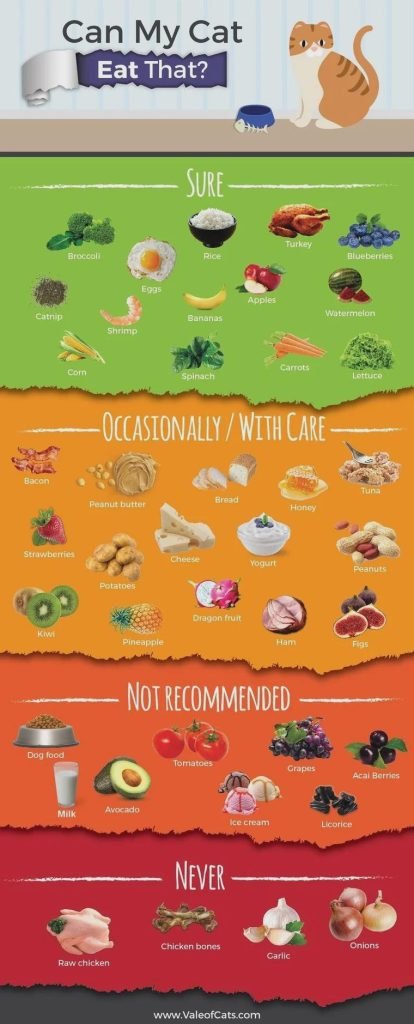
Have you ever wondered if your cat can safely enjoy shrimp as a treat? You might be curious about whether shrimp is good for your furry friend or if it could cause any harm.
Understanding what your cat can eat is important for their health and happiness. You’ll discover the facts about cats and shrimp—what you need to know before sharing those tasty seafood bites with your pet. Keep reading to find out if shrimp can be a delicious and safe addition to your cat’s diet.
Cats And Seafood
Cats often show curiosity about seafood. Their interest in shrimp and fish is natural. Seafood can be a tasty treat for cats. It offers different flavors and textures than their usual food. Understanding how seafood fits into a cat’s diet is important for their health. Some seafood types are safe, while others need caution.
Cats’ Natural Diet
Cats are carnivores by nature. Their diet mainly includes meat from small animals. They need protein and fat for energy. Wild cats eat birds, rodents, and insects. Seafood is not a common part of their natural diet. Still, some cats enjoy fish and shellfish. These foods provide essential nutrients like omega-3 fatty acids. These help keep their coat shiny and skin healthy.
Common Seafood In Cat Food
Many commercial cat foods include seafood ingredients. Fish like salmon, tuna, and whitefish are popular. These fish offer protein and healthy fats. Some cat foods also contain shrimp or crab. They add variety and taste. Seafood in cat food is usually cooked and safe. It is free from harmful bacteria or parasites. Labels often list the seafood source clearly. This helps pet owners choose quality products for their cats.
Shrimp As Cat Food
Shrimp can be a tasty treat for your feline friend, but is it a good choice as part of their diet? Many cat owners wonder if shrimp can provide nutritional benefits or if it poses any risks. Understanding shrimp as cat food helps you make better decisions for your pet’s health and happiness.
Nutritional Value Of Shrimp
Shrimp is low in calories and fat, making it a lean protein source for cats. It contains essential nutrients like:
- High-quality protein
- Omega-3 fatty acids
- Vitamins B12 and D
- Minerals such as phosphorus and selenium
These elements support muscle development, brain function, and a healthy coat. I once gave my cat a small amount of cooked shrimp, and she seemed more energetic and interested in her food afterward. However, shrimp should not replace a balanced cat food diet but can be a helpful supplement.
Is Shrimp Safe For Cats?
Shrimp is generally safe for cats if prepared properly. Always serve it cooked, plain, and without shells or seasoning. Raw shrimp or shrimp with spices can cause digestive issues or allergic reactions.
Watch for signs of allergies like itching or vomiting when you first offer shrimp. Feeding shrimp occasionally as a treat is best, as too much seafood can lead to nutritional imbalances.
Have you noticed your cat’s reaction to new foods like shrimp? Paying attention to their response can prevent health problems and keep mealtime enjoyable for both of you.
Feeding Shrimp To Cats
Feeding shrimp to cats can be a delightful treat for your feline friend. Shrimp offers a good source of protein and some essential nutrients. It is important to prepare it properly and feed in the right portions to keep your cat safe and healthy.
How To Prepare Shrimp For Cats
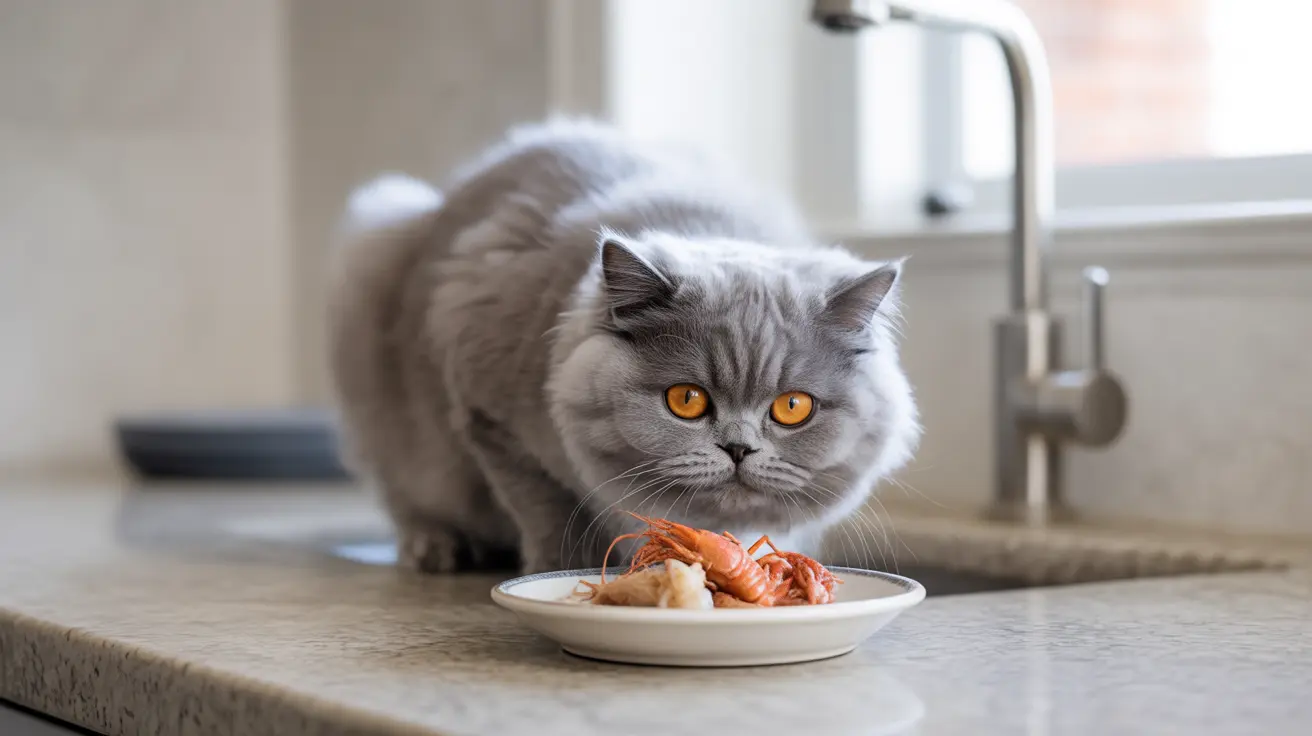
Always cook shrimp before giving it to your cat. Raw shrimp may carry harmful bacteria. Boiling or steaming shrimp without any seasoning is best. Remove the shell, tail, and vein carefully. Small, bite-sized pieces are easier for cats to eat. Avoid any sauces, spices, or salt that can upset their stomach.
Portion Size And Frequency
Shrimp should be an occasional snack, not a main meal. A few small pieces once or twice a week are enough. Too much shrimp can cause digestive problems or allergies. Observe your cat for any signs of discomfort after feeding shrimp. Always provide fresh water alongside any treats.
Credit: www.petscare.com
Potential Risks
Shrimp can be a tasty treat for cats, but it carries some risks. Understanding these risks helps keep your cat safe and healthy. Some cats may react badly to shrimp, and it might cause stomach problems. Also, shrimp can carry harmful bacteria or toxins if not handled properly. Knowing the potential dangers is important before offering shrimp to your pet.
Allergic Reactions
Cats can develop allergies to shrimp, just like people. Signs include itching, swelling, or red skin. Your cat may also vomit or have diarrhea. Allergic reactions can be mild or severe. Watch your cat closely after feeding shrimp the first time. Stop giving shrimp if you see any bad signs.
Digestive Issues
Shrimp is rich in protein and fat, which can upset a cat’s stomach. Some cats may have trouble digesting it. This can cause vomiting, diarrhea, or stomach pain. Feeding shrimp in large amounts or too often can worsen these problems. Always give shrimp in small amounts and not too often.
Contamination Concerns
Raw or undercooked shrimp can carry bacteria like Salmonella or parasites. These can make your cat very sick. Shrimp from polluted waters might contain harmful chemicals. Always cook shrimp thoroughly and avoid giving shrimp from unknown sources. Clean preparation reduces the risk of contamination.
Signs Cats Like Shrimp
Not all cats show the same interest in shrimp, but many do enjoy it. Recognizing signs your cat likes shrimp helps you offer treats safely. Cats show their preferences through behavior and taste reactions. Spotting these signs can make feeding shrimp a fun experience for both.
Behavioral Cues
Cats often use body language to express food preferences. Watch how your cat acts around shrimp to see if they like it.
- Eager approach to the shrimp bowl or plate
- Tail twitching or purring while eating shrimp
- Licking lips or pawing at the shrimp
- Focused attention and sniffing before tasting
- Returning for more after the first taste
These actions show curiosity and enjoyment. A cat ignoring shrimp likely does not prefer it.
Taste Preferences
Cats have unique taste buds and may react differently to shrimp flavor. Observe how your cat responds to shrimp’s texture and taste.
- Chewing shrimp eagerly and without hesitation
- Choosing shrimp over other treats or foods
- Showing excitement when shrimp is offered again
- Relaxed eating posture indicating comfort with the food
- No signs of distress or rejection after tasting
Positive taste responses signal your cat enjoys shrimp. Negative reactions mean it’s best to try other foods.
Credit: www.petmd.com
Alternatives To Shrimp
If your cat isn’t a fan of shrimp or you’re simply looking to mix up their diet, there are plenty of alternatives to consider. Offering a variety of safe treats keeps your feline curious and satisfied. It also helps ensure they get balanced nutrients without relying on just one type of seafood.
Other Safe Seafood Options
Many cats enjoy seafood, but not all types are safe or healthy. You can try small amounts of cooked fish like salmon, tuna, or whitefish. These options provide essential omega-3 fatty acids that support your cat’s coat and overall health.
Always avoid raw fish to prevent parasites and harmful bacteria. Also, skip any seasoning or sauces, as these can upset your cat’s stomach. Do you ever wonder if your cat prefers one type of fish over another? Trying different kinds might reveal their favorites.
- Cooked salmon (boneless and skinless)
- Cooked tuna (in water, without additives)
- Whitefish like cod or haddock (plain, cooked)
Non-seafood Treats For Cats
Not all treats have to come from the ocean. Cats can enjoy a variety of protein sources that are both safe and tasty. Chicken, turkey, and small pieces of lean beef can be excellent choices when cooked properly.
Vegetables like cooked carrots or peas can add some fiber to their diet, but always introduce new foods slowly. Have you noticed how your cat reacts to different treats? Observing their preferences can help you choose the best snacks.
- Cooked chicken breast (no seasoning)
- Cooked turkey meat
- Small amounts of lean beef
- Cooked vegetables like peas or carrots
Credit: www.petmd.com
Frequently Asked Questions
Can Cats Safely Eat Shrimp?
Yes, cats can safely eat cooked shrimp in moderation. Shrimp provides protein and nutrients but should be plain and fully cooked to avoid health risks.
Is Shrimp Toxic To Cats?
Shrimp is not toxic to cats. However, raw or seasoned shrimp can cause digestive issues. Always serve cooked, unseasoned shrimp.
How Often Can Cats Eat Shrimp?
Cats can eat shrimp occasionally as a treat. Feeding shrimp too often may lead to nutritional imbalance or allergies.
Do Cats Like The Taste Of Shrimp?
Many cats enjoy shrimp due to its strong smell and flavor. However, individual preferences vary, so not all cats may like it.
Conclusion
Cats can enjoy shrimp as a treat, but keep it plain and cooked. Avoid seasoning or raw shrimp to protect their health. Always watch for any signs of allergies or stomach upset. Shrimp offers protein and nutrients but should not replace their regular food.
Feeding shrimp occasionally keeps your cat happy and safe. Remember, simple and small portions work best. This way, your cat stays healthy and enjoys a tasty snack.
