


Have you ever wondered if it’s safe or natural for your cat to eat raw fish? You might have seen your feline friend eyeing that fresh catch on your plate and asked yourself, “Can I let my cat enjoy it too?” Understanding whether cats can eat raw fish isn’t just about satisfying their cravings—it’s about protecting their health and well-being.
You’ll discover the surprising truths about raw fish and your cat’s diet, helping you make informed choices that keep your furry companion happy and safe. Keep reading to learn what you need to know before offering raw fish to your cat.
Nutritional Benefits Of Raw Fish
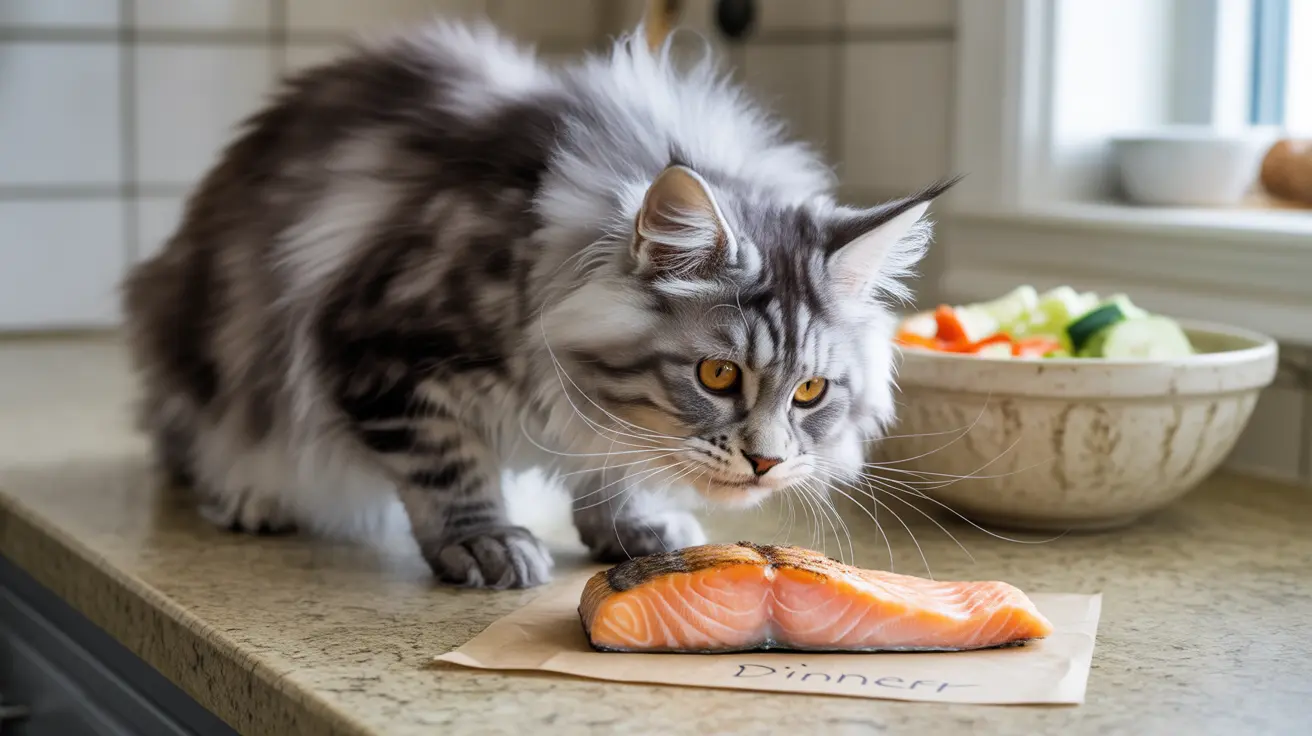
Raw fish offers many nutritional benefits for cats. It contains essential nutrients that support their health and well-being. Cats are natural carnivores, and raw fish can be a part of their diet in moderation.
Feeding raw fish provides a rich source of proteins and healthy fats. These nutrients help maintain strong muscles and a shiny coat. Raw fish also contains vitamins and minerals vital for a cat’s body functions.
High-quality Protein
Raw fish is packed with high-quality protein. Protein helps build and repair tissues. It also supports energy levels and keeps cats active.
Omega-3 Fatty Acids
Omega-3 fatty acids in raw fish improve skin and coat health. They reduce inflammation and support brain function. These fats also help maintain a healthy heart.
Rich In Vitamins And Minerals
Raw fish contains important vitamins like B12 and D. These vitamins aid in metabolism and bone health. Minerals such as zinc and selenium boost the immune system.
Low In Carbohydrates
Raw fish is naturally low in carbohydrates. This matches a cat’s dietary needs perfectly. Cats do not require many carbs for energy.
Improves Hydration
Raw fish has high moisture content. This helps keep cats hydrated. Proper hydration supports kidney and urinary health.
Credit: www.petscare.com
Potential Health Risks
Feeding cats raw fish can pose several health risks. These risks affect their digestion and overall well-being. Understanding these dangers helps keep your feline friend safe and healthy.
Parasites And Bacteria
Raw fish may carry parasites like tapeworms and roundworms. These parasites can infect cats and cause serious illness. Bacteria such as Salmonella and Listeria also thrive in raw fish. These bacteria can lead to vomiting, diarrhea, and infections. Cats have some resistance but are not immune. Handling raw fish carefully is important to reduce these risks.
Toxicity Concerns
Certain raw fish contain toxins harmful to cats. Thiaminase is an enzyme that breaks down vitamin B1 in fish. A lack of vitamin B1 causes neurological problems and loss of appetite. Some fish, like raw salmon and trout, have high levels of thiaminase. Also, heavy metals like mercury can build up in fish. This buildup harms cats over time and affects their kidneys and nervous system.
Safe Fish Varieties
Choosing the right fish for your cat is crucial to keep them healthy and happy. Not all fish are safe to feed your feline friend, especially in raw form. Knowing which fish to offer and which to avoid can prevent health issues and ensure your cat enjoys a tasty treat safely.
Best Choices For Cats
Some fish varieties are safer and more nutritious for cats. These include:
- Salmon:Rich in omega-3 fatty acids, salmon supports your cat’s skin and coat health.
- Whitefish:A gentle option that is easy to digest and low in mercury.
- Herring:Packed with vitamins and healthy fats, herring is a good occasional treat.
Always make sure the fish is fresh and from a trusted source. Cooking the fish lightly can reduce the risk of parasites and bacteria.
Fish To Avoid
Certain fish can be dangerous to your cat, especially when raw. Avoid these to protect your pet:
- Tuna:High mercury levels can be harmful over time, and it lacks some essential nutrients cats need.
- Raw trout and catfish:These can contain parasites and bacteria that cause illness.
- Fish with high thiaminase:Such as carp, which can destroy vitamin B1 in your cat’s body.
Feeding your cat the wrong fish can lead to nutrient deficiencies or poisoning. Do you know what signs to watch for if your cat eats a harmful fish?
Preparation Tips For Raw Fish
Feeding your cat raw fish requires careful preparation to keep your furry friend safe and healthy. Handling raw fish properly minimizes the risk of harmful bacteria and parasites that can cause illness. Paying attention to how you prepare and serve raw fish can make a big difference in your cat’s enjoyment and well-being.
Proper Cleaning Techniques
Start by thoroughly rinsing the fish under cold running water to remove surface dirt and slime. Use a clean cutting board and sharp knife dedicated solely for raw fish to avoid cross-contamination. Remove all bones carefully, as they can cause choking or internal injuries to your cat.
Freeze the fish for at least 24 hours before feeding to kill parasites. Thaw it safely in the fridge rather than at room temperature to prevent bacterial growth. Remember, even fresh fish can carry risks, so cleanliness is your first defense.
Serving Size Recommendations
Keep portion sizes small—cats don’t need large amounts of fish as a regular meal. A bite or two, about one to two teaspoons per feeding, is usually enough as a treat or supplement. Overfeeding fish can lead to nutritional imbalances or expose your cat to too much mercury.
Consider your cat’s size, age, and health condition before deciding on the amount. Are you aware that too much fish can cause vitamin E deficiency? Moderation is key to keeping your cat happy and healthy.
Alternatives To Raw Fish
Raw fish might seem like a natural treat for your cat, but it can pose health risks such as parasites and nutrient imbalances. Luckily, there are safer, tasty alternatives that can satisfy your feline’s cravings without the dangers. Let’s look at some options that keep your cat happy and healthy.
Cooked Fish Options
Cooking fish removes harmful bacteria and parasites, making it a safer choice for your cat. You can offer simple, plain cooked fish like salmon, tuna, or cod without any seasoning or additives.
Steaming or baking fish preserves nutrients better than frying. Avoid using oils, garlic, or onions, as these can be toxic to cats.
Have you ever noticed how your cat reacts to the smell of cooked fish? It’s often just as enticing as raw fish, proving that cooking doesn’t kill the appeal. Try offering small portions first to see how your cat likes it.
Commercial Cat Foods
Commercial cat foods are formulated to meet all your pet’s nutritional needs, often including fish as a key ingredient. High-quality wet or dry foods with fish flavors can satisfy your cat’s taste buds safely and conveniently.
Look for brands that list real fish as the first ingredient and avoid artificial fillers. Some products even use fish oil to provide omega-3 fatty acids, which support your cat’s skin and coat health.
Have you checked your cat’s food label lately? Choosing the right commercial food can reduce your worries about raw fish risks while still giving your cat a delicious meal.
Signs Of Allergies Or Illness
Not all cats tolerate raw fish well. Some develop allergies or illnesses from eating it. Knowing the signs helps keep your cat safe. Early detection can prevent serious health issues.
Symptoms To Watch For
- Itchy skin or constant scratching
- Red or inflamed patches on the skin
- Swelling around the face or paws
- Vomiting or diarrhea after eating fish
- Loss of appetite or refusal to eat
- Lethargy and lack of energy
- Excessive grooming or hair loss
- Difficulty breathing or coughing
When To Consult A Veterinarian
Seek professional help if symptoms last more than a day. Sudden vomiting or difficulty breathing needs urgent care. Persistent skin problems also require a vet’s attention.
Early visits help diagnose allergies or infections. Vets can recommend safe diets or treatments. Protect your cat’s health by acting quickly.
Expert Opinions
Experts have diverse views on feeding raw fish to cats, reflecting both benefits and risks. Understanding their opinions can help you make safer decisions for your pet’s diet. Let’s look at what veterinarians and animal nutritionists say about this topic.
Veterinarian Warnings On Raw Fish
Many veterinarians advise caution when giving cats raw fish. They point out the risk of parasites like tapeworms and bacteria such as Salmonella that can harm your cat’s health. These experts often recommend cooking fish to kill harmful organisms before feeding it.
One vet shared a case where a cat developed severe digestive issues after eating raw fish regularly. This story highlights the potential dangers you might not expect if you think raw fish is always safe.
Animal Nutritionist Perspectives
Animal nutritionists focus on the nutritional value and balance in a cat’s diet. They acknowledge that raw fish contains valuable nutrients but warn about enzyme inhibitors and thiaminase, an enzyme in some raw fish that can cause vitamin B1 deficiency.
Nutritionists suggest balancing raw fish with other protein sources and supplements to avoid nutritional gaps. They encourage owners to consult before adding raw fish to a cat’s meals to ensure it meets all dietary needs.
Experienced Cat Owners’ Insights
Many experienced cat owners have tried feeding their pets raw fish and noticed mixed results. Some report improved coat shine and energy, while others saw digestive upset or refusal to eat.
One cat owner shared how switching to cooked fish resolved her cat’s stomach problems, proving that not all cats react the same. Have you observed how your cat responds to different types of fish? This personal observation can guide your feeding choices.

Credit: www.catit.com

Credit: felinefancy.co.uk
Frequently Asked Questions
Do Cats Naturally Eat Raw Fish In The Wild?
Yes, wild cats often consume raw fish as part of their diet. It provides essential nutrients and protein. However, not all cats have access to fish regularly in their natural habitat.
Is Raw Fish Safe For Domestic Cats To Eat?
Raw fish can carry parasites and bacteria harmful to cats. Feeding raw fish occasionally is usually safe if fresh and properly handled. Consult your vet before adding raw fish to your cat’s diet.
Can Raw Fish Cause Health Problems In Cats?
Yes, raw fish may lead to vitamin B1 deficiency and parasitic infections. Regular feeding of raw fish is not recommended. Cooked fish is a safer alternative for cats.
How Often Can Cats Eat Raw Fish Safely?
Limit raw fish to occasional treats, not daily meals. Frequent consumption increases health risks like nutrient imbalance and infections. Always ensure fish is fresh and parasite-free.
Conclusion
Cats may enjoy raw fish, but it is not always safe. Raw fish can carry bacteria and parasites that harm cats. Cooking fish removes these risks and keeps your pet healthy. Always check with a vet before feeding your cat raw fish.
Balanced nutrition is important for your cat’s well-being. Treat fish as an occasional snack, not a main meal. Careful feeding helps your cat stay happy and strong. Think about safety first when choosing your cat’s food.
