

Have you ever wondered if your cat can safely eat raw eggs? You might have seen videos or heard stories about cats enjoying a raw egg treat, but is it really good for them?
Before you let your furry friend lick the bowl, it’s important to understand the risks and benefits. This article will help you discover what happens when cats eat raw eggs and whether it’s a smart choice for your pet’s health.
Keep reading to learn what you need to know to keep your cat happy and safe.
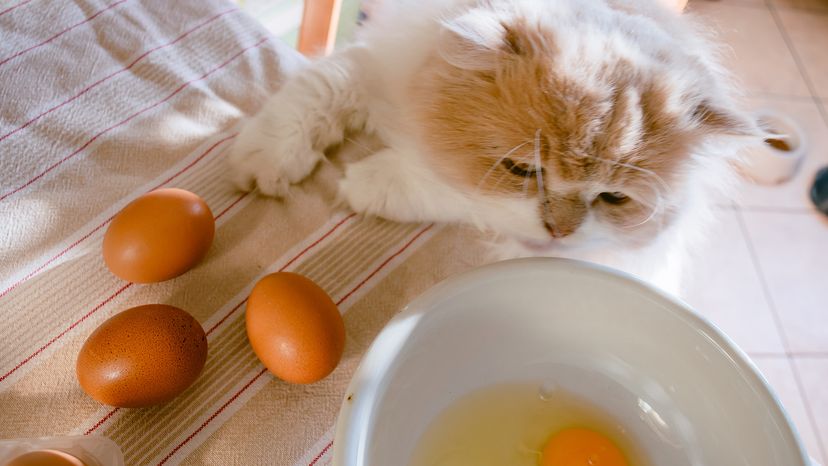
Credit: animals.howstuffworks.com
Nutritional Benefits Of Raw Eggs For Cats
Raw eggs offer several nutritional benefits for cats. They provide essential nutrients that support a cat’s health and energy. These nutrients help maintain strong muscles, shiny fur, and proper organ function. Understanding what raw eggs contain can clarify why they are valuable in a cat’s diet.
Protein And Amino Acids
Protein is a vital nutrient for cats. Raw eggs contain high-quality protein that is easy to digest. This protein supplies essential amino acids, the building blocks of muscles and tissues. Cats need amino acids like taurine and arginine, which raw eggs provide naturally. These help with muscle repair and keep the immune system strong.
Vitamins And Minerals
Raw eggs are rich in important vitamins and minerals. They contain vitamin A, which supports vision and skin health. Vitamin D in eggs helps with calcium absorption for strong bones. Eggs also provide B vitamins that boost energy and nervous system function. Minerals like iron and selenium support blood health and protect cells from damage.
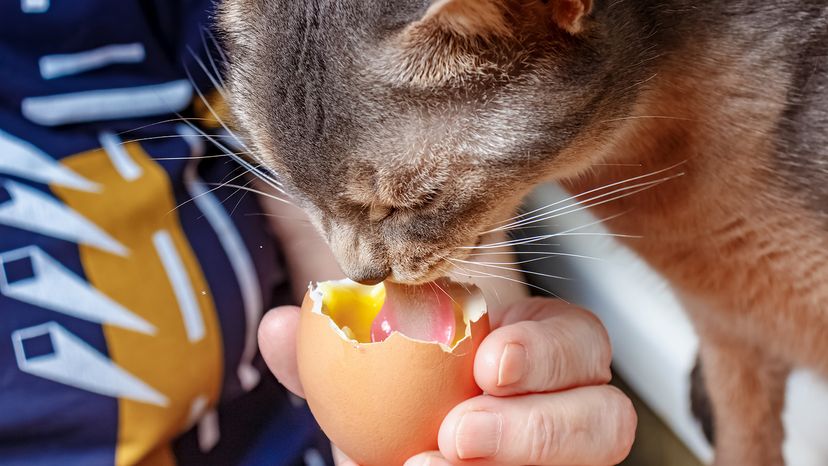
Credit: animals.howstuffworks.com
Potential Risks Of Feeding Raw Eggs
Feeding raw eggs to cats carries certain risks. These risks can affect your cat’s health seriously. Knowing these dangers helps you make better choices for your pet’s diet.
Salmonella And Bacterial Infections
Raw eggs may contain harmful bacteria like Salmonella. Cats can get sick from these bacteria. Symptoms include vomiting, diarrhea, and weakness. Young or sick cats are more vulnerable. Bacteria can also spread to humans from your cat.
Eggshells can carry bacteria too. Handling raw eggs requires care to avoid contamination. Cooking eggs kills bacteria, making them safer for cats.
Biotin Deficiency Concerns
Raw egg whites contain a protein called avidin. Avidin blocks biotin absorption in cats. Biotin is a vital vitamin for healthy skin and coat. Long-term feeding of raw egg whites may cause biotin deficiency. Symptoms include dry skin, hair loss, and lethargy.
Cooking eggs deactivates avidin. This process makes biotin available for absorption. Feeding cooked eggs reduces the risk of biotin deficiency in cats.
Safe Practices For Feeding Raw Eggs
Feeding raw eggs to cats can offer nutritional benefits but requires careful attention. Safe practices protect your cat from health risks and ensure the eggs remain fresh and clean. Understanding how to choose and store eggs properly helps maintain their quality and safety for your feline friend.
Choosing Quality Eggs
Select eggs from trusted sources with high standards. Look for clean, uncracked shells without any dirt or damage. Organic or free-range eggs often have fewer chemicals and better nutrition. Check the expiration date to ensure freshness. Fresh eggs reduce the risk of harmful bacteria like salmonella.
Proper Handling And Storage
Wash your hands before and after handling eggs. Avoid washing eggs themselves, as this can remove their protective layer. Store eggs in the refrigerator at a temperature below 40°F (4°C). Keep eggs in their original carton to protect from odors and moisture. Use eggs within three weeks to maintain freshness and safety. Always clean any surfaces that touch raw eggs to prevent cross-contamination.

Credit: www.youtube.com
Alternatives To Raw Eggs
If you’re considering alternatives to raw eggs for your cat, it’s important to find options that are both safe and nutritious. Raw eggs carry risks like salmonella and biotin deficiency, so exploring other choices can keep your feline friend healthy and happy.
Cooked Eggs
Cooked eggs offer a safe and protein-rich alternative. Scrambled or boiled eggs are easy to prepare and can be served plain without any seasoning.
Cooking eggs kills harmful bacteria and neutralizes avidin, a protein in raw egg whites that can block vitamin absorption. Many cat owners have seen their pets enjoy cooked eggs as a treat or meal addition without any digestive issues.
Have you ever tried adding small pieces of cooked egg to your cat’s regular food? It can be a tasty way to introduce a new protein source while ensuring safety.
Commercial Cat Foods
Commercial cat foods are formulated to meet all your cat’s nutritional needs. They are balanced, tested, and safe to eat, eliminating the guesswork of homemade diets.
Many brands offer high-protein options that mimic the benefits of eggs and other meats. These foods often include essential vitamins and minerals that raw eggs alone cannot provide.
Consider looking at the ingredient list to find products with real meat or egg protein. Do you know what’s really inside your cat’s bowl? Choosing quality commercial foods can give you peace of mind about your pet’s diet.
Veterinary Opinions On Raw Egg Consumption
Veterinarians have mixed feelings about feeding raw eggs to cats. They focus on the health risks and benefits. Understanding these opinions helps cat owners make safe choices.
Some vets see raw eggs as a natural treat. They note eggs provide protein and essential nutrients. But many warn about possible dangers from bacteria like Salmonella.
Experts often highlight that raw eggs contain avidin. This substance can block biotin absorption, a vital vitamin for cats. Lack of biotin might cause skin and coat problems.
Veterinarians also mention the risk of foodborne illness. Cats with weak immune systems are more vulnerable to infections from raw eggs. Cooking eggs kills bacteria and makes eggs safer.
Potential Health Risks Identified By Veterinarians
- Bacterial contamination from Salmonella and E. coli
- Biotin deficiency caused by avidin in raw egg whites
- Possible allergic reactions in sensitive cats
- Digestive upset like vomiting or diarrhea
Benefits Of Raw Eggs According To Some Vets
- Rich source of high-quality protein
- Contains essential amino acids and vitamins
- Natural and minimally processed food option
- May improve coat health if fed safely
Veterinary Recommendations For Feeding Eggs To Cats
- Cook eggs thoroughly to reduce infection risk
- Offer eggs as an occasional treat, not daily
- Consult a vet before adding eggs to diet
- Avoid raw eggs for kittens and sick cats
Signs Of Egg Allergies In Cats
Cats can have allergic reactions to eggs. Recognizing these signs early helps keep your cat safe. Allergies may show in different ways. Some signs are easy to spot, while others need closer attention.
Skin Irritation And Itching
One common sign of egg allergy is itchy skin. Your cat may scratch or lick a lot. Red, inflamed patches can appear on the skin. Hair loss around these areas is possible. These symptoms often show on the face, paws, or belly.
Digestive Issues
Egg allergies can cause tummy troubles. Your cat might vomit or have diarrhea. Loss of appetite or stomach pain can happen. These signs may appear soon after eating eggs.
Respiratory Problems
Some cats may have breathing difficulties. Sneezing, coughing, or wheezing can occur. Nasal discharge and watery eyes are other signs. These symptoms need quick attention to avoid worsening.
Behavioral Changes
An allergic cat may act differently. Restlessness or irritability can show up. Your cat might hide or avoid contact. Changes in sleep patterns are also common.
Swelling And Hives
Look for swelling around the face or ears. Hives are raised, red bumps on the skin. These signs can be uncomfortable and painful. Immediate care is important if swelling blocks airways.
Frequently Asked Questions
Can Cats Safely Eat Raw Eggs?
Cats can eat raw eggs occasionally, but it carries risks. Raw eggs may contain bacteria like Salmonella. Cooking eggs reduces these risks and provides safer nutrition for cats.
Are Raw Eggs Nutritious For Cats?
Raw eggs offer protein and essential amino acids beneficial to cats. However, cooking eggs enhances digestibility and nutrient absorption, making cooked eggs a better choice.
What Are The Risks Of Feeding Raw Eggs To Cats?
Raw eggs may contain harmful bacteria causing illness. Also, avidin in raw egg whites can reduce biotin absorption, leading to skin and coat problems in cats.
How Often Can Cats Eat Eggs?
Eggs should be an occasional treat, not a daily meal. Feeding eggs once or twice a week is safe and provides variety without overfeeding.
Conclusion
Cats may eat raw eggs, but it is not always safe. Raw eggs can carry bacteria that harm cats. Cooking eggs removes these risks and makes eggs healthier. Eggs offer protein and nutrients that cats enjoy. Always watch your cat for any signs of illness.
Consult a vet before adding eggs to your cat’s diet. Feeding eggs in small amounts is best. Keep your pet safe and happy with smart food choices. Eggs can be a treat, but safety comes first.
