

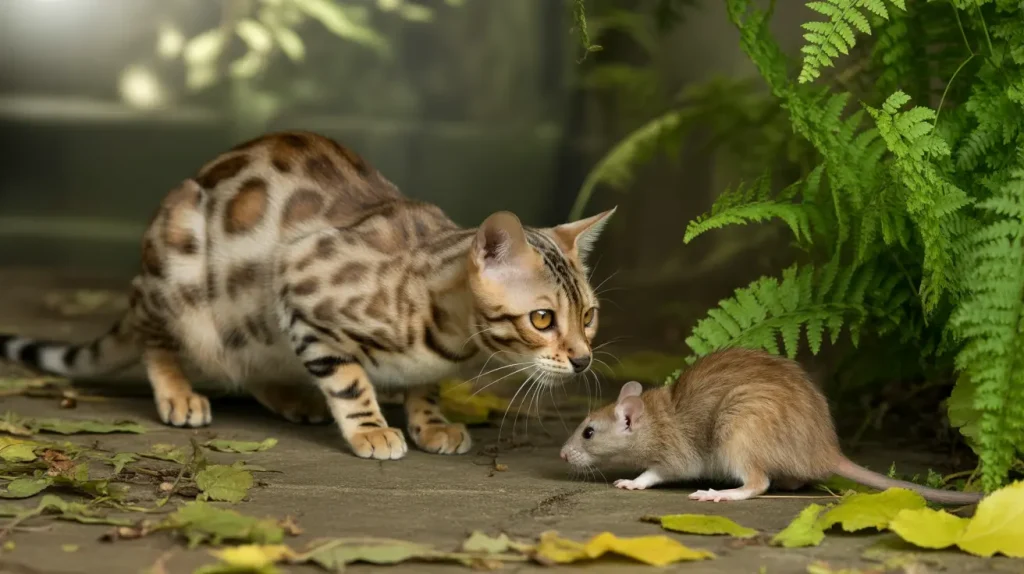
Have you ever wondered if your cat really hunts and eats rats? It’s a question many pet owners ask, especially when they notice their furry friend stalking around or bringing home unexpected “gifts.” Understanding whether cats eat rats can change how you see your pet’s behavior and even affect how you manage your home.
Keep reading to discover the surprising truth about your cat’s hunting instincts and what it means for your safety and your pet’s health.

Credit: www.biotechtermiteandpest.com
Cats’ Natural Hunting Instinct
Cats have a strong hunting instinct that drives them to chase small animals. Rats can be a natural prey for cats, satisfying their need to hunt. This behavior helps cats stay active and sharp.
Cats are known for their keen hunting instincts. Their ancestors relied on these skills to survive. This natural behavior is still present in domestic cats today. Even well-fed cats might chase and catch small animals. It’s part of their nature.Predatory Behavior In Domestic Cats
Domestic cats display strong predatory behaviors. They often stalk and pounce on moving objects. This includes toys, bugs, and yes, even rats. Their sharp senses help them detect movement and sound. Cats often practice these skills through play. This play mimics real hunting scenarios. They use their claws and teeth to capture prey. It’s an instinctive behavior, not just for food.How Hunting Shapes Cat Diets
Cats’ diets are influenced by their hunting instincts. In the wild, they consume small animals like rodents. This provides essential nutrients. Even domesticated cats show interest in such prey. Their diet is naturally high in protein. Hunting offers physical and mental stimulation. It helps maintain their health and wellbeing. Cats’ natural diets may include birds, mice, and insects. This variety meets their nutritional needs.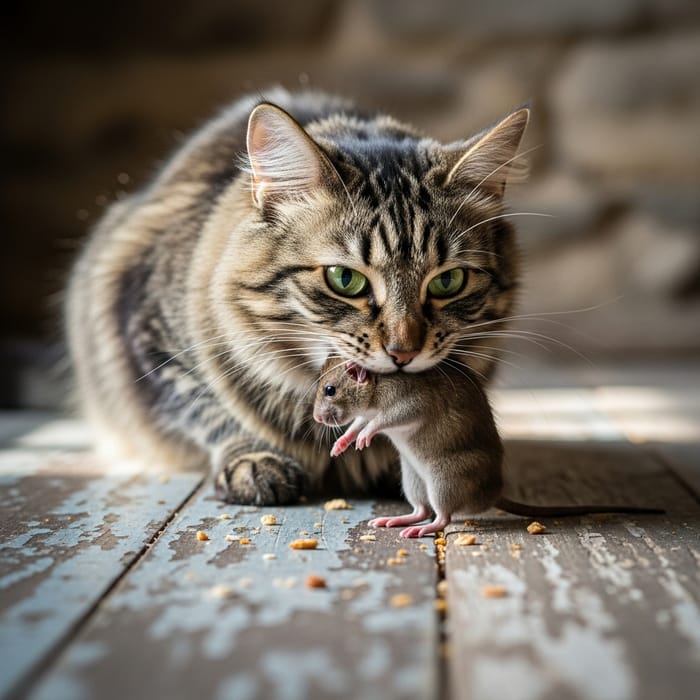
Credit: easy-peasy.ai
Why Cats Hunt Rats
Cats have a natural instinct to hunt, and rats often become their target. Understanding why cats hunt rats can give you insight into their behavior and how they interact with their environment. It’s more than just a matter of food; there are deeper reasons behind this chase.
Attraction To Movement And Scent
Have you noticed how your cat’s eyes lock onto even the smallest twitch? Cats are wired to react to sudden movements, which makes rats especially appealing. The quick, unpredictable scurrying triggers their hunting instincts immediately.
Besides movement, scent plays a huge role. Rats emit odors that cats can detect from a distance. Your cat’s sensitive nose helps it track rats, turning even hidden pests into visible prey. This sensory combination makes rats hard for cats to resist.
Hunger Vs. Play
Is your cat chasing a rat because it’s hungry, or just playing? Sometimes the line between hunting for food and playing is blurry. Cats often hunt even when they aren’t starving, treating the chase as a form of exercise and mental stimulation.
Think about your own cat’s behavior: do they bring you the catch or just bat it around? If your cat shows no interest in eating the rat, it’s likely the thrill of the hunt that drives them. This behavior keeps their skills sharp and boredom away.
Health Risks Of Eating Rats
Cats may catch and eat rats, but this behavior carries health risks. Rats often carry dangerous germs and parasites. These can harm cats and cause illnesses. Understanding these risks helps pet owners keep cats safe.
Diseases Transmitted By Rats
Rats can spread many diseases to cats. Some common ones include:
- Leptospirosis – a bacterial infection causing fever and kidney damage
- Salmonellosis – leads to vomiting and diarrhea
- Rat-bite fever – causes fever, rash, and joint pain
- Tularemia – a serious bacterial illness affecting the skin and lungs
These diseases can make cats very sick. Some need prompt veterinary care.
Parasites And Toxins
Rats often carry parasites like fleas, ticks, and worms. These parasites can infect cats. Worms from rats can cause intestinal problems and weight loss.
Rats may also ingest poisons or toxins. Eating a poisoned rat can harm a cat quickly. Signs include weakness, seizures, or bleeding. Always watch your cat if it hunts rats.
Signs Your Cat Has Eaten A Rat
Noticing whether your cat has eaten a rat can be tricky, especially if they don’t bring their catch home. However, certain signs can indicate your feline friend has had a rodent meal. Paying attention to these clues helps you understand your cat’s hunting habits and monitor their health closely.
Behavioral Changes
After eating a rat, your cat might act differently than usual. You may notice increased restlessness or hyperactivity, as their body reacts to the unfamiliar meal.
Some cats become more protective of their space or food, showing signs of possessiveness or guarding behavior. Others might seem more tired or lethargic, especially if the rat carried parasites or bacteria.
Have you ever seen your cat suddenly start grooming obsessively? This can happen if they feel uneasy after hunting or eating something unusual. Observing these changes helps you spot if they’ve had a rodent snack.
Physical Symptoms
Physical signs can be clearer indicators. Look for traces of rat fur or blood around your cat’s mouth or on their whiskers. Sometimes, you might even find small scratches or bite marks on your cat, evidence of a struggle during the hunt.
Digestive issues like vomiting or diarrhea can occur if the rat carried parasites or toxins. If your cat suddenly refuses food or drinks more water than usual, these could be red flags to watch for.
Another sign is a foul smell coming from your cat’s mouth or coat, which might result from eating a rat that wasn’t fresh or was infected. If you notice any of these symptoms, consider consulting your vet promptly.
Preventing Rat Consumption
Preventing cats from eating rats is important for their health and safety. Rats can carry diseases and parasites that harm cats. Controlling your cat’s environment helps reduce the risk of rat consumption. Providing alternatives to hunting can satisfy your cat’s natural instincts. These steps keep your cat safe and healthy.
Keeping Cats Indoors
Keeping cats indoors limits their contact with rats. Indoor cats are less likely to catch and eat wild animals. Create a comfortable space with toys and scratching posts. Regular playtime helps keep cats active and happy inside. This reduces their urge to hunt outside.
Safe Alternatives For Hunting Instincts
Cats need mental and physical stimulation. Toys that mimic prey encourage safe hunting behavior. Use feather wands, laser pointers, or small balls to engage your cat. Puzzle feeders also challenge their hunting skills. These alternatives keep cats entertained without risks from rats.
When To Visit The Vet
Cats are natural hunters, and rats can be part of their diet. Hunting can expose cats to parasites, infections, or injuries. Knowing when to visit the vet is key for your cat’s health. Watching for signs and keeping regular checkups help catch problems early.
Warning Signs To Watch For
- Loss of appetite or refusal to eat
- Vomiting or diarrhea after hunting
- Lethargy or unusual tiredness
- Visible wounds or swelling
- Excessive scratching or hair loss
- Difficulty walking or limping
- Breathing problems or coughing
Any of these signs need immediate vet attention. Early care prevents serious illness.
Routine Checkups After Hunting
Regular vet visits help keep your cat healthy after hunting trips. Your vet will check for:
- Parasites like fleas or ticks
- Internal infections or diseases
- Vaccination updates
- Overall health and weight
Routine exams allow early detection of hidden problems. They keep your cat safe and strong.
Famous Cats Known For Rat Hunting
Cats have been known as natural hunters for centuries. Their skill in catching rats has made them famous in many cultures. Some cats gained recognition for their exceptional rat-catching abilities. These cats helped control rodent populations in homes and farms. Their stories show how cats play a vital role in pest control.
Historical Rat Catchers
In the past, cats were essential in protecting food stores from rats. Many farms kept cats specifically to catch rats. One famous cat named “Towser” lived in Scotland during the 18th century. Towser reportedly caught over 28,000 mice and rats in her lifetime. Royal households often kept cats to guard their kitchens. These cats became legends for their hunting skills.
Modern-day Heroes
Today, cats still help control rats in cities and rural areas. Some cats in urban areas are known for keeping rat populations low. Animal shelters sometimes highlight cats with strong hunting instincts. These cats are often adopted to homes with rat problems. Modern technology cannot replace a cat’s natural hunting talent. They remain silent, effective guardians against rodents.

Credit: www.discovermagazine.com
Frequently Asked Questions
Do Cats Naturally Hunt And Eat Rats?
Yes, cats are natural hunters and often catch rats. Their hunting instincts drive them to chase and eat rodents for food or sport.
Are Rats A Safe Food Source For Cats?
Rats can carry diseases and parasites harmful to cats. It’s safer if cats avoid eating wild rats or if rats are treated for pests.
How Do Cats Catch Rats Effectively?
Cats use stealth and quick pounces to catch rats. Their sharp claws and agility help them capture rodents efficiently.
Will A Cat Eat A Dead Rat?
Cats may eat dead rats if hungry, but many prefer live prey. Eating dead rats carries higher risks of disease.
Conclusion
Cats often eat rats as part of their natural hunting habits. This behavior helps control pests around homes and farms. Not all cats will catch rats, but many do when given the chance. Eating rats provides cats with protein and exercise.
Pet owners should watch their cats carefully to avoid health risks from rats. Overall, cats eating rats is common and useful in many settings. It shows how cats can be helpful beyond just being pets. A simple fact: cats and rats have a long, interesting relationship.
