

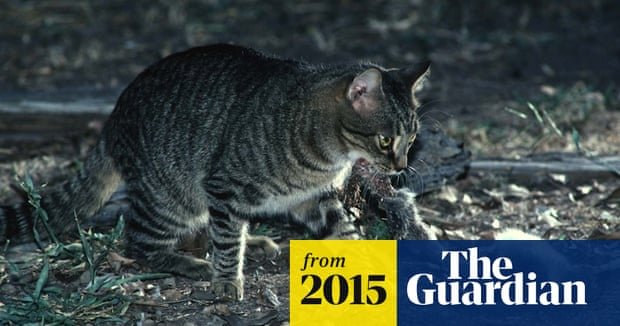
Have you ever wondered if cats actually eat rabbits? It’s a question that might surprise you, especially if you share your home or garden with both animals.
Understanding this behavior can help you keep your pets safe and your outdoor spaces peaceful. You’ll discover the truth about cats and rabbits, why this interaction happens, and what you should watch out for. Keep reading to learn what every cat owner needs to know.

Credit: timesofindia.indiatimes.com
Cats And Their Diet
Cats are fascinating creatures with a diet shaped by their instincts and environment. While they are primarily known as carnivores, their diet can vary significantly depending on their surroundings and availability of prey. Understanding the eating habits of cats, including whether they eat rabbits, requires a closer look at their natural behaviors and common prey.
Natural Hunting Instincts
Cats are natural hunters. Even domestic cats retain the instincts of their wild ancestors. Their sharp claws, keen eyesight, and agile bodies make them excellent hunters.
These instincts drive them to chase and catch moving objects, whether it’s a toy or a real animal. A cat’s hunting instinct isn’t solely driven by hunger; it’s also about the thrill of the chase. Have you ever noticed your cat pouncing on a moving leaf? That’s their hunting instinct at play.
Common Prey For Cats
Cats often target smaller creatures that they can easily overpower. Common prey includes rodents, birds, and insects. These animals are not only plentiful but also manageable for cats to catch and consume.
While rabbits might not be the first choice for smaller cats, larger or feral cats may consider them fair game. The availability of prey plays a significant role in what cats choose to hunt and eat. If a rabbit is the most accessible option, a hungry cat may decide to hunt it.
Does your cat have a favorite prey? Observing their choices can give you insights into their natural preferences and instincts.
Cats Eating Rabbits
Cats are natural hunters, and rabbits can sometimes become their prey. Whether it’s a wild cat or a domestic feline with outdoor access, the interaction between cats and rabbits is fascinating. Understanding why cats hunt rabbits and how often it happens can help you better manage your pets and wildlife around you.
Why Cats Hunt Rabbits
Cats hunt rabbits mainly because of their strong predatory instincts. Even well-fed house cats may chase small animals like rabbits for fun or practice. Hunting also satisfies their natural need to stalk, chase, and capture prey.
In some cases, cats may target rabbits if they live in rural or wooded areas where rabbits are common. The movement and size of rabbits make them an attractive target for cats looking for a challenge.
Frequency Of Rabbit Hunting
The frequency at which cats hunt rabbits varies widely. Outdoor cats tend to hunt more often, especially if they have easy access to areas where rabbits live. Indoor cats rarely hunt rabbits unless they are let outside regularly.
Many cats may only occasionally catch rabbits, while some skilled hunters might catch them more frequently. Your cat’s age, health, and hunting experience all play a role in how often it hunts rabbits.
Size And Risk Factors
Rabbits can be quite large compared to cats, which adds risk to the hunt. A rabbit’s powerful hind legs can deliver strong kicks that may injure a cat. This is especially true for smaller or younger cats.
You should consider the size and temperament of both animals if you have pet rabbits and cats living in the same area. Protecting your rabbits from potential harm is important if your cat shows strong hunting behaviors.
Impacts On Pet Rabbits
Pet rabbits face risks when living with cats. Cats have natural hunting instincts. Rabbits can become stressed or injured from cat behavior. Understanding these impacts helps keep rabbits safe and calm. Owners must create a peaceful space for their rabbits.
Safety Concerns For Rabbits
Cats may see rabbits as prey. Sudden chases cause fear and injury. Even playful cats can hurt rabbits accidentally. Rabbits have fragile bones and delicate skin. Stress from cat presence lowers rabbit immunity. Injuries need quick veterinary care. Close supervision is critical to avoid harm.
Preventing Cat-rabbit Conflicts
Separate living areas reduce tension. Use secure cages or playpens for rabbits. Provide hiding spots where rabbits feel safe. Train cats to respect rabbit space. Reward calm cat behavior near rabbits. Avoid leaving them alone together. Monitor interactions carefully to prevent accidents.
Feeding Domestic Cats
Feeding domestic cats involves more than just filling their bowls. Cats have unique nutritional needs that must be met to keep them healthy and active. Understanding what foods are safe and beneficial is essential, especially if you’re curious about unusual diet options like rabbit meat.
Suitable Diet Options
Your cat’s diet should primarily consist of high-quality proteins. Commercial cat foods are formulated to provide balanced nutrition, including essential vitamins and minerals.
If you want to add variety, consider cooked meats like chicken or turkey. These are generally safe and enjoyed by most cats. You can also include small amounts of fish occasionally, but avoid overfeeding to prevent health issues.
Vegetables and grains are not necessary but can be added in minimal amounts if your cat tolerates them well. Always observe how your cat reacts to new foods and consult your vet if unsure.
Avoiding Raw Rabbit Meat
Raw rabbit meat might seem like a natural choice for cats, given their hunting instincts. However, feeding raw rabbit can expose your cat to harmful bacteria and parasites.
Cooking rabbit meat thoroughly eliminates these risks and makes it safer for your pet. If you want to try rabbit meat, prepare it well and remove bones that could cause choking or internal injuries.
Think about your cat’s health first: Is the risk worth it? Many cat owners prefer sticking to trusted commercial diets or well-cooked homemade options to avoid complications.
Behavioral Signs
Cats are natural hunters, and their behavior often shows this instinct. Watching for behavioral signs helps understand if a cat might hunt or eat rabbits. These signs include specific actions and changes in habits. Recognizing these behaviors provides insight into a cat’s hunting nature and diet.
Recognizing Hunting Behavior
Cats stalk quietly, moving slowly and carefully. Their eyes fix on small moving objects. They crouch low to the ground, ready to pounce. Tail flicks and ear movements show alertness. Sudden bursts of speed may follow. These actions reveal a cat’s hunting drive.
Playing with toys like feathers or mice imitates hunting. Cats often carry prey in their mouths. Scratching or biting motions mimic catching and killing. These behaviors show practice for real hunting.
Signs A Cat Has Eaten Rabbit
After eating rabbit, cats may leave fur or bones near their resting spot. Their breath might smell different. A cat could be quieter and rest more after a big meal. Watch for small blood stains on their fur or paws.
Sometimes cats bring parts of their catch to owners as “gifts.” They may eat only parts, leaving some behind. Changes in appetite or energy levels can also hint at recent hunting success.

Credit: www.youtube.com
Protecting Your Pets
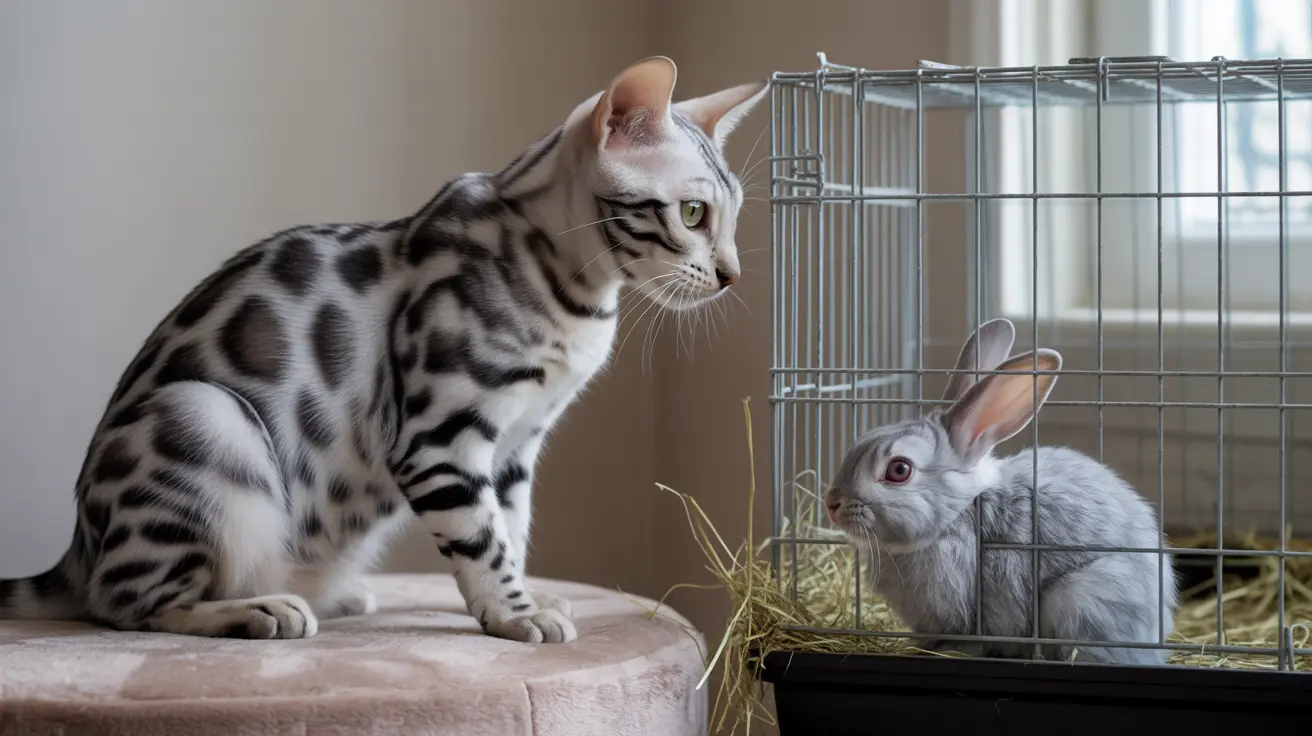
Protecting your pets is essential when cats and rabbits share a home or outdoor space. Cats have natural hunting instincts that can pose risks to smaller animals like rabbits. Creating a safe environment helps prevent accidents and keeps both pets happy and healthy.
Creating Safe Spaces
Designate separate areas for cats and rabbits. Use barriers like baby gates or pet playpens. Provide hiding spots for rabbits to retreat and feel secure. Ensure rabbit enclosures are sturdy and escape-proof. Place food and water dishes apart to avoid conflicts. Keep the environment calm to reduce stress for both pets.
Supervision Tips
Always watch pets when they interact closely. Never leave a cat and rabbit alone unsupervised. Observe body language for signs of aggression or fear. Intervene quickly if either pet shows stress. Use leashes or harnesses during outdoor time. Regular, gentle introductions help pets adjust to each other safely.
Credit: www.petscare.com
Frequently Asked Questions
Do Cats Naturally Hunt Rabbits?
Yes, cats are natural hunters and may hunt rabbits if given the chance. This behavior is more common in outdoor or feral cats.
Can Domestic Cats Eat Rabbits Safely?
Cats can eat rabbits safely as part of their diet. Rabbit meat is high in protein and nutrients beneficial for cats.
How Often Do Cats Eat Rabbits In The Wild?
Cats rarely eat rabbits daily. They prefer smaller prey like rodents but will hunt rabbits if other food is scarce.
Are Rabbits A Common Prey For Big Cats?
Big cats like lynxes and bobcats often hunt rabbits. Rabbits are a natural and frequent prey for many wild feline species.
Conclusion
Cats may sometimes hunt small animals like rabbits. This behavior depends on the cat’s environment and instincts. Not all cats eat rabbits regularly. Domestic cats often prefer their usual cat food. Wild or feral cats might catch rabbits more often.
Understanding this helps pet owners keep their cats safe. Observing your cat’s habits can prevent unwanted hunting. Feeding cats well reduces their need to hunt. Nature drives some cats to chase small prey. Knowing these facts helps you care for your cat better.
