

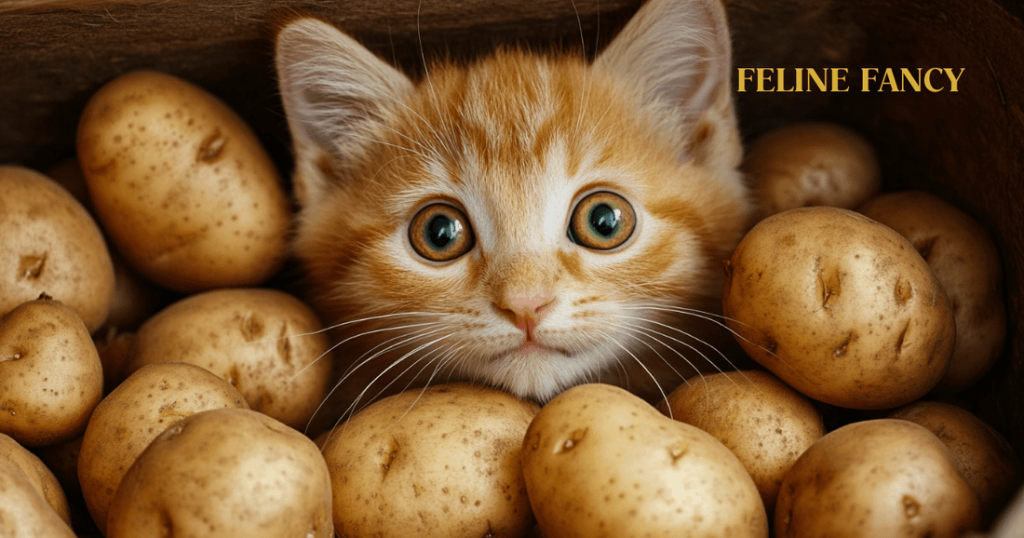
Have you ever caught yourself wondering if your curious cat might enjoy a bite of your potato dinner? You’re not alone.
Cats are known for their picky eating habits, but sometimes their curious noses lead them straight to unexpected foods like potatoes. Before you share that tasty treat, it’s important to know whether potatoes are safe for your furry friend. You’ll discover the truth about cats and potatoes—what happens if they eat them, and what you should watch out for.
Keep reading to protect your pet and satisfy your curiosity!
Credit: www.petmd.com
Cats And Their Diet
Cats have unique dietary needs shaped by their biology. Understanding their diet helps keep them healthy and happy. Cats are obligate carnivores. They rely mostly on animal proteins to meet their nutritional needs. Their digestive systems are designed to process meat, not plants.
Natural Eating Habits
Wild cats eat small animals like birds and rodents. These prey provide essential nutrients like taurine, amino acids, and fats. Cats naturally hunt and consume meat regularly. Their bodies do not produce certain nutrients found only in animal tissue. This makes meat vital for their survival and well-being.
Common Foods Cats Enjoy
- Cooked chicken or turkey
- Small portions of fish, like salmon or tuna
- Commercial cat food rich in animal proteins
- Occasional treats like cooked eggs
Cats rarely eat vegetables or grains on their own. Some cats might nibble on plants but do not get nutrients from them. Foods like potatoes are not part of their natural diet and offer little value. Cats need diets focused on meat for proper health and energy.
Potatoes In Pet Diets
Potatoes have found their way into many pet diets, but are they truly suitable for cats? Understanding how potatoes fit into your cat’s nutrition is key. You might be surprised to learn that while potatoes offer some benefits, they should be given with caution.
Nutritional Content Of Potatoes
Potatoes are rich in carbohydrates, mainly in the form of starch. They also provide some vitamins like vitamin C and B6, along with minerals such as potassium and magnesium.
However, potatoes lack the essential proteins and fats that cats need to thrive. Since cats are obligate carnivores, their diet must focus on animal-based nutrients.
Have you ever thought about how a starchy vegetable fits into a carnivore’s diet? It raises the question of whether potatoes are a helpful supplement or just empty calories for your feline friend.
Potatoes In Commercial Cat Foods
Many commercial cat foods include potatoes as a carbohydrate source or filler. They help provide energy and texture but usually in small amounts.
Some grain-free cat foods use potatoes to replace grains, but this doesn’t necessarily make them more nutritious for cats. The quality of protein and fat is still the priority.
Reading the ingredient list carefully can help you decide if the potatoes in your cat’s food are adding value or just bulk. Do you check labels thoroughly before buying your cat’s food?
Can Cats Eat Potatoes?
Wondering if your curious cat can safely nibble on potatoes? It’s a question many pet owners ask, especially when their feline friends show interest in what’s on their plate. Understanding whether cats can eat potatoes involves looking at both the potential benefits and the risks involved.
Potential Benefits
Cats are obligate carnivores, meaning their diet mainly consists of meat. However, small amounts of potatoes can offer some nutritional value if prepared correctly.
- Source of Vitamins:Potatoes contain vitamins like C and B6, which can support a cat’s immune system and metabolism.
- Fiber Content:The fiber in potatoes might aid digestion and help with constipation in cats.
- Energy Boost:Cooked potatoes provide carbohydrates, which can be an energy source, although cats don’t rely on carbs as much as humans do.
Still, these benefits are only relevant if the potato is cooked plainly, without any seasoning or additives.
Risks And Dangers
Feeding your cat potatoes comes with clear risks that you should never ignore.
- Raw Potatoes Are Toxic:They contain solanine, a compound harmful to cats, causing stomach upset and neurological issues.
- Seasonings and Additives:Ingredients like salt, butter, or garlic in potato dishes can be toxic and lead to severe health problems.
- Digestive Issues:Too much potato can cause diarrhea or other digestive disturbances.
- Allergic Reactions:Some cats may be allergic or sensitive to potatoes, showing symptoms like itching or vomiting.
Have you ever noticed your cat sniffing at your dinner plate? It’s tempting to share a bite, but weighing these risks is essential before offering potatoes. When in doubt, consulting your vet about your cat’s diet is the safest bet.
Symptoms Of Potato Toxicity
Recognizing the symptoms of potato toxicity in cats is crucial for any pet owner. Potatoes contain solanine, a compound harmful to cats when ingested in significant amounts, especially if the potato is green or raw. Knowing what signs to watch for can help you act quickly and protect your furry friend from serious health issues.
Signs To Watch For
- Vomiting and Diarrhea:These are often the first signs your cat might be experiencing toxicity.
- Lethargy:If your cat seems unusually tired or weak, it could indicate poisoning.
- Loss of Appetite:A sudden refusal to eat can be a red flag.
- Drooling or Excessive Salivation:This might mean irritation or nausea.
- Abdominal Pain:Your cat may show signs of discomfort or sensitivity when you touch their stomach.
- Muscle Tremors or Seizures:In severe cases, neurological symptoms can develop.
One time, I noticed my cat acting unusually quiet and refusing her favorite treats after I accidentally left a potato peel within her reach. Catching those early signs made all the difference before things got worse.
When To Seek Veterinary Help
If you see any of the above symptoms, don’t wait to get professional help. Potato toxicity can escalate quickly and lead to severe complications or even be fatal.
Contact your vet immediately if your cat:
- Has persistent vomiting or diarrhea lasting more than a few hours
- Shows signs of weakness or difficulty walking
- Exhibits seizures or uncontrollable shaking
- Refuses to eat or drink for over 24 hours
Have you ever wondered how small changes in your home environment could keep your cat safer? Sometimes, removing a simple item like a potato peel can prevent a scary emergency. Always better to be cautious and check with your vet if you’re unsure about any symptoms.
Safe Potato Feeding Tips
Feeding potatoes to cats requires careful attention. Potatoes can be safe if prepared and served correctly. Knowing how to prepare and control portions helps avoid health risks. Cats have different digestion needs than humans. Keep potato treats simple and free from harmful ingredients. Always prioritize your cat’s health with safe feeding habits.
Preparation Methods
Cook potatoes thoroughly before giving them to cats. Raw potatoes contain solanine, a toxic substance for cats. Boiling or baking potatoes without salt or spices is best. Avoid frying or adding butter, oil, or seasonings. Peel the potato to remove any skin, which can be hard to digest. Cut potatoes into small, manageable pieces for easy eating.
Portion Control
Serve potatoes as an occasional treat, not a main food. A small amount, like a teaspoon of cooked potato, is enough. Watch your cat after feeding to check for any reactions. Too much potato can cause upset stomach or weight gain. Stick to a few bites and balance with a regular cat diet. Moderation keeps your cat healthy and happy.

Credit: wamiz.co.uk
Alternatives To Potatoes For Cats
Potatoes aren’t the best choice for your cat’s diet, but finding alternatives that your feline friend will enjoy and benefit from is key. Cats need foods that support their health without causing digestive issues or nutrient imbalances. Let’s look at some great options that can replace potatoes while keeping your cat happy and healthy.
Healthy Treat Options
Instead of potatoes, you can offer treats that are both tasty and safe. Small pieces of cooked chicken or turkey are often a big hit and provide high-quality protein.
- Steamed carrots or green beans can be a crunchy treat your cat might enjoy.
- Freeze-dried fish or meat treats are convenient and packed with nutrients.
- Commercial cat treats made from natural ingredients avoid fillers like potatoes.
Have you noticed your cat’s preference for certain flavors? Try different options to find what excites their taste buds without compromising nutrition.
Nutritional Supplements
Sometimes, treats alone don’t cover all dietary needs. Supplements can help fill nutritional gaps that potatoes can’t address.
- Omega-3 fatty acids support coat and skin health.
- Taurine is essential for heart and eye function in cats.
- Probiotics improve digestion and gut health.
Adding these supplements to your cat’s diet can make a noticeable difference. Are you ensuring your cat gets all the nutrients they need for a vibrant life?
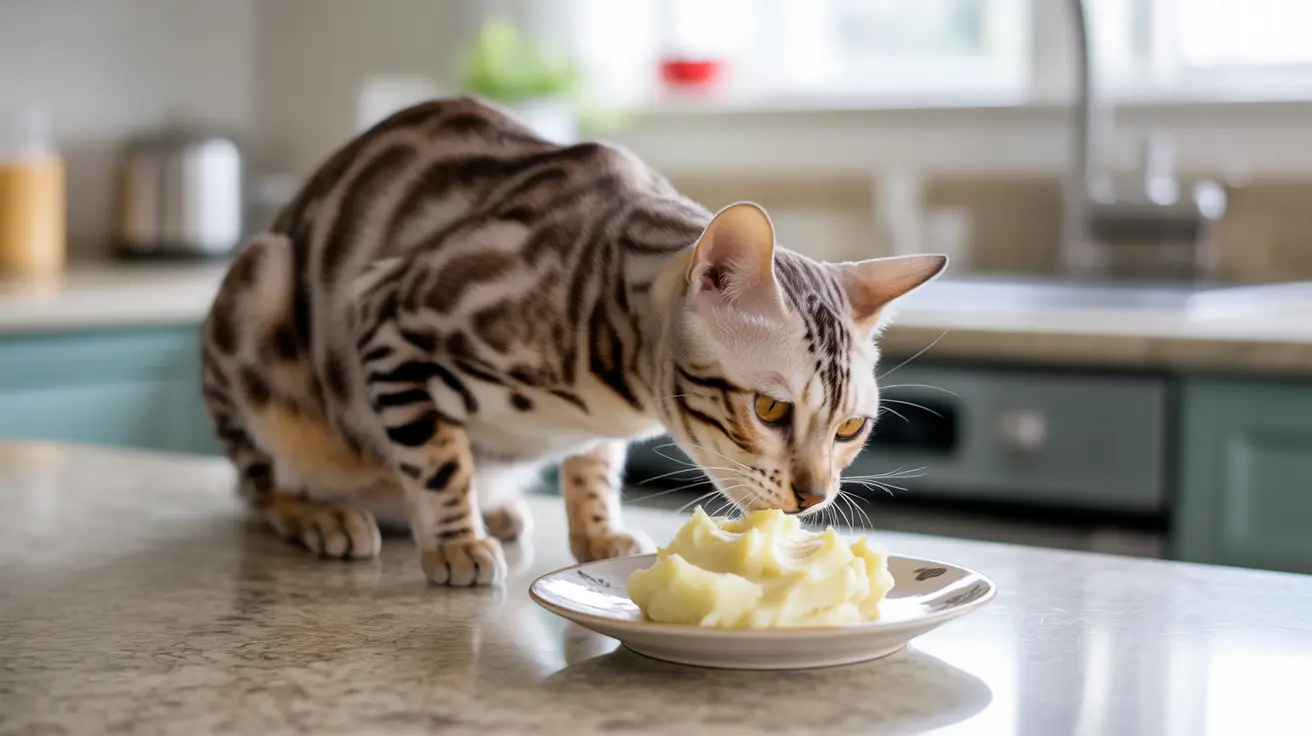
Credit: www.petscare.com
Frequently Asked Questions
Can Cats Safely Eat Potatoes?
Cats can eat cooked potatoes in small amounts. Raw potatoes contain toxins harmful to cats. Avoid giving them raw or green potatoes.
Are Potatoes Nutritious For Cats?
Potatoes provide some fiber and carbohydrates, but cats need mostly protein. Potatoes should not replace a cat’s balanced diet.
What Happens If Cats Eat Raw Potatoes?
Raw potatoes contain solanine, a toxin that can cause vomiting and diarrhea in cats. Avoid feeding raw potatoes to cats.
Can Potatoes Cause Allergies In Cats?
Potatoes rarely cause allergies in cats, but some may be sensitive. Watch for itching or digestive upset after feeding potatoes.
Conclusion
Cats do not naturally eat potatoes. Small amounts of cooked potatoes are usually safe. Raw or green potatoes can harm cats. Cats need meat for proper nutrition. Potatoes do not provide the nutrients cats require. Always check with a vet before giving new foods.
Feeding cats only the right diet keeps them healthy. Remember, simple and balanced food is best for cats. Keep your furry friend safe and happy.
