

Have you ever wondered if your curious cat would go after a possum? It’s a question many pet owners and animal lovers ask.
Cats are known for their hunting skills, but do they actually eat possums? Understanding this can help you keep your furry friend safe and know what to expect if they encounter one. Keep reading to discover the surprising truth about cats and possums—and what it means for you and your pet.
Credit: www.livescience.com
Cats And Their Hunting Instincts
Cats are natural hunters. Their hunting instincts run deep in their DNA. Even well-fed cats still chase and pounce. This behavior comes from their wild ancestors. Understanding these instincts helps explain why cats act the way they do around small animals.
Natural Predatory Behavior
Cats use their senses to detect movement and sound. Their sharp eyes spot tiny motions, even in low light. Whiskers help sense nearby objects and prey. Cats crouch low, stalk quietly, then leap to catch prey. This sequence is hardwired, not learned.
Hunting sharpens their skills and provides mental stimulation. It also releases energy and satisfies their curiosity. Even indoor cats may hunt toys or shadows. This shows their natural drive to chase and catch.
Typical Prey For Cats
Cats usually hunt small animals they can easily catch. Common prey includes:
- Birds
- Mice and rats
- Insects
- Small reptiles
These animals fit well with the cat’s size and abilities. Possums are much larger and tougher than typical prey. Most cats avoid them due to risk of injury. Smaller possums might attract a curious cat, but they are not a usual target.
Possums: Characteristics And Defense
Possums are unique creatures with distinct features and strong defense abilities. Understanding their traits helps explain their survival skills in the wild. These animals blend well in their environments, which keeps them safe from many predators.
Physical Traits Of Possums
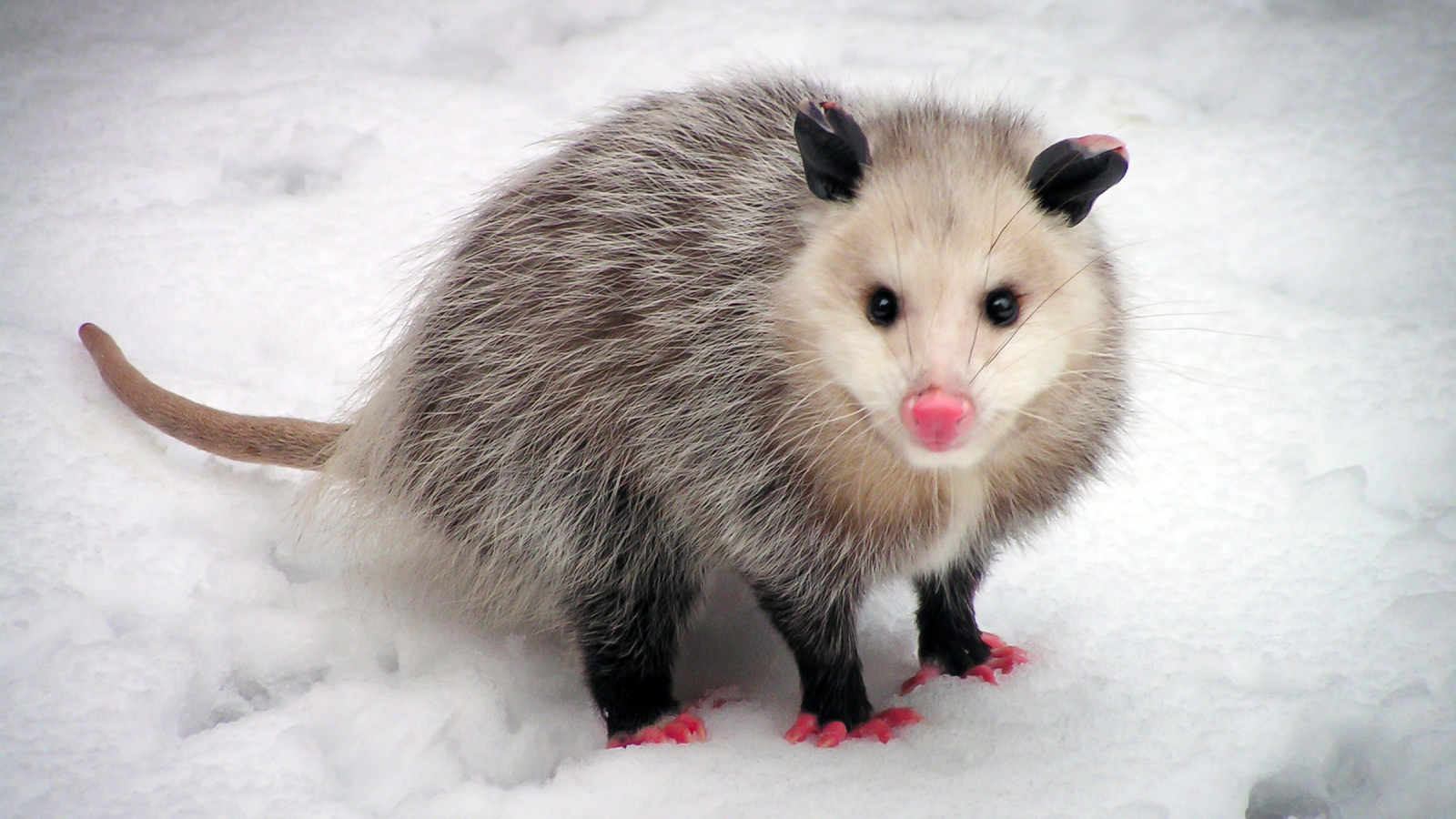
Possums have a small to medium size, usually covered in thick fur. Their fur varies in color, often gray or brown, helping them hide in trees and bushes. They have sharp claws that help them climb and grip tree branches easily.
Their long tails serve multiple purposes. Some possums use tails for balance, while others can grasp objects. Their eyes are large, giving them good night vision for hunting and avoiding danger. Their ears are also sensitive to sounds, alerting them to nearby threats.
Possum Defense Mechanisms
Possums use several strategies to defend themselves from predators. One key tactic is “playing dead” or thanatosis. When threatened, they become limp and appear lifeless. This confuses predators and often causes them to lose interest.
They can also hiss, growl, and show their teeth to scare off attackers. Some possums release a foul-smelling liquid from their scent glands to deter predators. Their climbing skills allow quick escapes into trees or dense foliage.
- Camouflage with fur color
- Sharp claws for defense and climbing
- Playing dead to avoid attacks
- Hissing and showing teeth
- Releasing bad-smelling secretions
Interactions Between Cats And Possums
Interactions between cats and possums can be surprising to observe. These two creatures share some common ground, yet their meetings often unfold in unexpected ways. Understanding their behavior helps you anticipate what might happen if your cat ever crosses paths with a possum.
Common Scenarios Of Encounters
Possums are mostly nocturnal, like many cats, which increases the chance of nighttime meetings. You might find your cat staring at a possum in your backyard or garden. Sometimes, curious cats approach possums cautiously, while other times, they keep their distance.
Possums generally avoid confrontation and prefer to play dead or retreat. However, if a cat feels threatened or territorial, it may hiss or swat at the possum. Have you noticed your cat’s body language change when a possum appears? That’s a key sign of how the interaction might go.
Factors Influencing Interactions
Several factors shape how cats and possums interact. The size and age of your cat matter—larger or younger cats tend to be more aggressive or playful. Possums that are sick or cornered may behave defensively, increasing tension.
Environment plays a role too. In urban areas with limited space, encounters are more frequent, raising the chance of conflict. Feeding habits influence their behavior; if possums are attracted by cat food left outside, your cat might view them as intruders.
- Territorial instincts:Cats often defend their space more aggressively.
- Possum behavior:Usually shy but can react if threatened.
- Time of day:Nighttime increases overlap in activity.
Have you thought about how your cat’s habits might invite or discourage possum visits? Adjusting feeding times or securing outdoor areas can change how these encounters play out.

Credit: www.reddit.com
Do Cats Really Eat Possums?
Curiosity often strikes when you spot a cat prowling near your backyard at night, especially if you live in an area where possums roam. You might wonder, do cats really eat possums? Understanding this behavior can help you better manage your pets and local wildlife.
Evidence From Observations
Many pet owners and wildlife enthusiasts have reported seeing cats chase or attack possums. These encounters usually involve smaller or young possums, as adult possums can be quite large and intimidating for most domestic cats.
Some cats exhibit hunting instincts that push them to stalk and sometimes kill small mammals. However, it’s rare to find direct evidence of cats actually eating possums. Often, they may just catch or injure them without consuming the prey.
Have you ever noticed your cat bringing “gifts” home? These are often smaller creatures like mice or birds rather than possums. This suggests that while cats might attack possums, eating them is less common in practice.
Expert Opinions On Cat Diet
Veterinarians and animal behaviorists point out that domestic cats primarily thrive on small prey like rodents, birds, and insects. Possums are generally too large and robust to be a practical food source for most cats.
Experts also emphasize that cats are opportunistic hunters but not scavengers by nature. This means they prefer fresh, easily manageable prey. Possums, being larger and often aggressive, don’t fit well into a cat’s typical diet.
Understanding these insights can help you appreciate why your cat might show interest in possums but rarely eats them. Does your cat show signs of stress or injury after such encounters? That might be a sign to keep them away from these wildlife meetings.
Safety Concerns For Both Animals
Watching a cat encounter a possum can be fascinating, but it also raises important safety questions for both animals involved. These interactions aren’t just about curiosity—they can lead to serious health risks and have broader effects on local wildlife. Understanding these concerns helps you protect your pet and the environment.
Health Risks For Cats
Pursuing or fighting with possums can expose cats to various health dangers. Possums often carry parasites like fleas, ticks, and worms that your cat can easily pick up during a scuffle. Additionally, possums may transmit bacterial infections such as leptospirosis, which can be severe if untreated.
Injuries are another concern. Possums have sharp teeth and claws, and a defensive bite or scratch can cause wounds that may become infected. If your cat ever comes home with unexplained scratches or seems unusually tired after an outdoor adventure, it’s wise to consult your vet.
Impact On Possum Populations
Repeated encounters with cats can stress local possum populations. Cats are natural hunters, and even if they don’t kill possums, their presence can disrupt possum feeding and nesting habits. This disturbance can lead to fewer possums in your area over time.
Are you aware that possums play a vital role in controlling insect populations and cleaning up dead plants? Reducing their numbers can unbalance your local ecosystem. Protecting both your cat and the wildlife starts with managing how and when your pet interacts outdoors.
Managing Cat And Possum Encounters
Managing encounters between cats and possums is important to keep both animals safe. Cats are curious and may chase or attack possums. Possums can defend themselves and may cause injury to cats. Understanding how to handle these meetings can prevent harm and stress.
Preventive Measures
- Keep cats indoors during the night when possums are active.
- Use motion-activated lights to deter possums from entering your yard.
- Remove food sources like pet food or compost that attract possums.
- Trim tree branches away from the roof to block possum access.
- Use cat collars with bells to warn possums of a cat’s presence.
Creating A Safe Environment
Provide a safe space for your cat away from possum routes. Make sure your garden has clear paths for possums to leave quickly. Avoid leaving pet food outside at night. Secure trash bins tightly to prevent possum scavenging. Consider using fencing that stops possums but allows cats to move freely.
Credit: www.worldanimalprotection.us
Frequently Asked Questions
Do Cats Naturally Hunt Possums?
Cats are natural hunters, but possums are usually too large and defensive. Most cats avoid hunting possums due to their size and aggressive behavior.
Can Cats Eat Possum Meat Safely?
Cats can eat possum meat, but it may carry parasites or diseases. It’s risky to let cats consume wild possums without veterinary advice.
Why Don’t Cats Often Eat Possums?
Possums are nocturnal and well-protected by sharp claws and teeth. Cats prefer smaller, easier prey, making possums less attractive as food.
Are Possums Dangerous To Cats?
Possums can defend themselves aggressively, causing injuries to cats. They are not predators but can harm cats if threatened or cornered.
Conclusion
Cats usually do not eat possums. Possums are bigger and harder to catch. Cats prefer smaller prey like mice or birds. Sometimes, cats may chase possums but rarely hunt them. It is safer for cats to avoid possums. Understanding this helps pet owners keep cats safe.
Knowing animal behavior makes us better caretakers. Watch your pets and their surroundings closely. Protect your cat from possible harm. Stay informed about local wildlife habits.
