

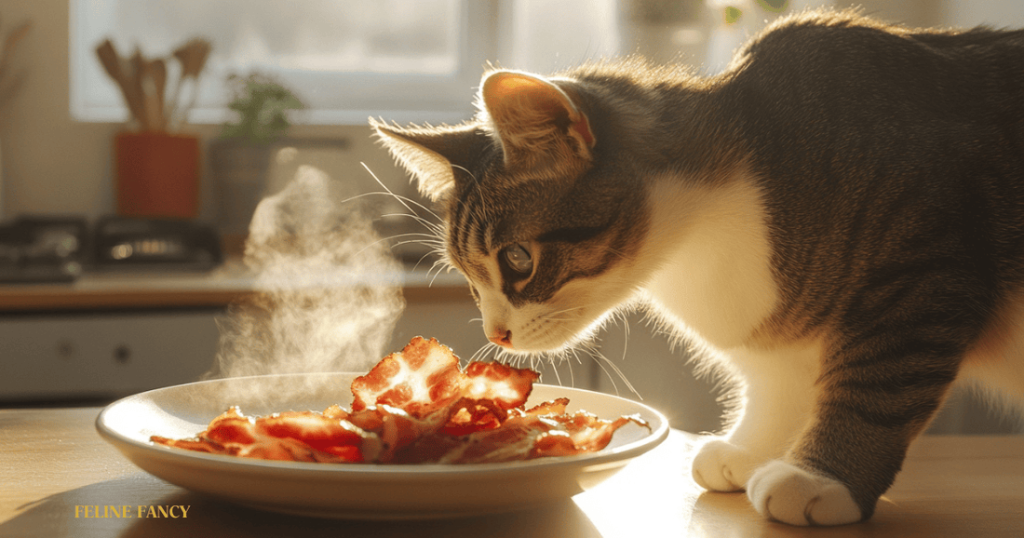
Have you ever wondered if your cat can safely enjoy pork? You might be curious whether this tasty treat is good for your furry friend or if it could cause harm.
Understanding what your cat can eat is important for their health and happiness. Keep reading to discover the truth about cats and pork, so you can make the best choices for your pet’s diet.
Cats And Meat Preferences
Cats can eat pork in small amounts, but it should be cooked and plain. Raw or seasoned pork may harm their health. Always remove bones to keep cats safe and avoid digestive issues.
Cats and Meat Preferences Understanding what your feline friend prefers to eat can be a delightful journey. Cats are obligate carnivores, which means they thrive on a diet rich in meat. This natural inclination makes their dietary preferences fascinating, especially when it comes to different types of meat.Natural Diet Of Cats
In the wild, cats primarily feed on small animals like birds and rodents. This diet provides them with essential nutrients like taurine, which is crucial for their health. These natural hunters tend to consume every part of their prey, ensuring they get a balanced diet. Domestic cats retain these instincts, often showing a preference for raw or freshly cooked meats. While they might enjoy a variety of meats, it’s important to ensure these align with their nutritional needs. Offering a diet close to their natural one can help maintain their health and vitality.Common Meats Cats Enjoy
Chicken is often a top choice, loved for its flavor and texture. Many cat owners find their pets eagerly devouring chicken, whether cooked or raw. It’s a lean meat, making it a healthy option for daily feeding. Beef is another favorite, offering a rich source of protein and iron. Some cats may prefer it minced, while others enjoy small chunks that they can chew on. Fish like tuna or salmon can be irresistible to cats. The strong aroma and taste can make it a special treat, though it should be given in moderation due to potential mercury content. Have you ever noticed your cat’s reaction to a new type of meat? Paying attention to their preferences can help you offer a diet they truly enjoy. Wouldn’t you agree that understanding your cat’s tastes makes feeding time more enjoyable for both of you?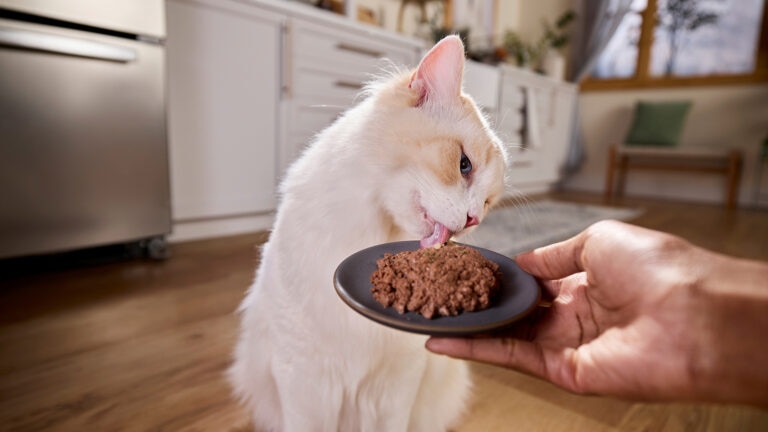
Credit: www.chewy.com
Pork As Cat Food
Pork often pops up in conversations about feeding cats, especially when pet owners are looking to diversify their feline friend’s diet. It’s tempting to share that leftover pork chop or add a bit of pork to your cat’s meals. But is pork really a good choice for your cat’s health and nutrition? Let’s take a closer look at pork as cat food.
Is Pork Safe For Cats?
Pork can be safe for cats, but only if it’s cooked properly. Raw or undercooked pork carries risks like parasites and harmful bacteria that can upset your cat’s stomach or cause illness.
Make sure to:
- Cook pork thoroughly to an internal temperature of at least 145°F (63°C).
- Avoid seasoning, onions, garlic, or sauces which can be toxic to cats.
- Remove any bones to prevent choking or internal injury.
Have you noticed your cat’s reaction after trying a small piece of plain cooked pork? Watching for signs of allergies or digestive issues is crucial before making it a regular treat.
Nutritional Value Of Pork For Cats
Pork contains protein and fat, two important nutrients for cats. Protein supports muscle health, while fat provides energy and helps keep their coat shiny.
| Nutrient | Amount per 100g of Cooked Pork | Benefit for Cats |
|---|---|---|
| Protein | 25-30 grams | Maintains muscle mass and supports immune system |
| Fat | 10-15 grams | Provides energy and aids in vitamin absorption |
| Vitamins (B6, B12) | Moderate amounts | Supports metabolism and nervous system health |
However, pork lacks taurine, an essential amino acid cats need. This means pork alone cannot be your cat’s main food source. You must ensure your cat’s diet includes taurine-rich foods, like commercial cat foods or organ meats.
Considering these points, would you feel comfortable offering your cat pork as an occasional treat, knowing it must be properly cooked and balanced with other nutrients?
Risks Of Feeding Pork To Cats
Feeding pork to your cat might seem like a tasty treat, but it carries some risks you should know about. Cats have unique dietary needs, and certain foods, including pork, can cause health problems. Understanding these risks helps you make safer choices for your furry friend.
Potential Allergies And Sensitivities
Some cats develop allergies or sensitivities to pork. These can show up as itchy skin, excessive grooming, or digestive issues like vomiting and diarrhea. If your cat suddenly shows these symptoms after eating pork, it might be an allergic reaction.
Have you noticed your cat scratching more or having stomach troubles after trying new foods? It could be a sign that pork doesn’t agree with them. Always introduce new foods in small amounts and watch for any unusual behavior.
Health Hazards From Raw Or Undercooked Pork
Raw or undercooked pork is risky for cats because it can carry parasites and bacteria. One common parasite is Trichinella spiralis, which causes trichinosis, a serious illness. Bacteria like Salmonella and E. coli can also be present, leading to food poisoning.
Feeding pork that isn’t fully cooked could put your cat at risk of severe digestive upset or worse. If you choose to offer pork, make sure it is cooked thoroughly with no seasoning or additives. You want to keep your cat safe, not give them a reason to visit the vet.

Credit: www.surakhyahealthcare.com
How To Safely Feed Pork To Cats
Feeding pork to cats requires careful preparation and portion control. Cats have sensitive stomachs and need plain, cooked meat without harmful additives. Proper handling keeps your cat safe and healthy while enjoying pork as a treat.
Preparing Pork For Cats
- Cook pork thoroughly to kill bacteria and parasites.
- Avoid seasoning, spices, and sauces that can harm cats.
- Remove all bones to prevent choking or injury.
- Cut pork into small, bite-sized pieces for easy eating.
- Use lean cuts to reduce fat intake and prevent digestive issues.
Recommended Serving Sizes
| Cat Weight | Serving Size |
|---|---|
| Up to 5 lbs | 1-2 teaspoons |
| 5-10 lbs | 1-2 tablespoons |
| Over 10 lbs | 2-3 tablespoons |
Feed pork as an occasional treat, not a main meal. Watch your cat for any signs of discomfort or allergies after feeding.
Alternatives To Pork For Cats
Choosing the right food for your cat is important for their health. Some pet owners wonder about feeding pork to cats. There are safer and more nutritious alternatives available. These options support your cat’s growth and energy. Understanding these choices helps keep your cat happy and healthy.
Better Meat Options
Cats are natural carnivores and need high-quality protein. Some better meat choices include:
- Chicken: Lean and easy to digest
- Turkey: Rich in protein and low in fat
- Beef: Provides essential nutrients and amino acids
- Fish: Contains omega-3 fatty acids that improve coat health
These meats offer essential nutrients without the risks linked to pork. Always cook meat thoroughly and avoid seasoning.
Commercial Cat Foods With Pork
Some commercial cat foods use pork as an ingredient. These products are formulated to meet cats’ nutritional needs. They often combine pork with other meats and nutrients. Check the label for quality ingredients and avoid foods with fillers.
Commercial diets are tested for safety and balance. They provide convenience and ensure cats get complete nutrition. Always choose brands with good reputations and consult your vet about diet changes.
Signs Of Pork Intolerance In Cats
Identifying pork intolerance in your cat is crucial for their health and comfort. Unlike humans, cats cannot always tell us when something is wrong, so you need to observe their reactions closely. Recognizing early signs can help you avoid serious digestive or behavioral problems.
Digestive Issues To Watch For
If your cat has trouble digesting pork, you might notice symptoms like:
- Vomiting shortly after eating pork
- Diarrhea or loose stools
- Excessive gas or bloating
- Loss of appetite or reluctance to eat
When my cat tried a pork treat once, she vomited within an hour and refused to eat for the rest of the day. That sudden reaction was a clear sign that pork didn’t sit well with her stomach. Have you ever seen your cat avoid a certain food after tasting it once?
Behavioral Changes After Eating Pork
Intolerance doesn’t always show up in the stomach. Your cat’s mood and behavior can also shift. Watch for signs like:
- Increased irritability or restlessness
- Unusual lethargy or tiredness
- Excessive scratching or grooming
- Hiding or avoiding interaction
One time, after eating a small piece of pork, my cat became unusually quiet and hid under the couch. It was a stark change from her normal playful self. Could your pet be trying to tell you something through behavior changes after meals?
Veterinarian Advice On Cat Diets
Understanding what your cat should eat is crucial for their health and happiness. Veterinarians have valuable advice on managing your cat’s diet, especially when considering new foods like pork. Their guidance helps you make informed choices and avoid common pitfalls that could harm your feline friend.
Consulting Before Introducing New Foods
Before adding pork or any new food to your cat’s diet, talk to your vet. They can check if your cat has allergies or health issues that certain foods might worsen. A sudden change without advice might cause stomach upset or more serious problems.
One vet once told me about a cat owner who gave their pet pork scraps without consulting. The cat developed a severe allergic reaction, which could have been prevented. This shows how important professional advice is before trying new foods.
Regular Health Checkups
Regular vet visits help catch dietary issues early. During checkups, vets assess your cat’s weight, coat condition, and overall health, offering clues about how well their diet suits them. They might suggest adjustments to keep your cat thriving.
Think about your cat’s diet as a dynamic plan, not a fixed menu. How often do you review your cat’s eating habits with your vet? Frequent health checks ensure your cat’s diet supports their changing needs over time.

Credit: www.petscare.com
Frequently Asked Questions
Can Cats Safely Eat Pork In Small Amounts?
Yes, cats can eat cooked pork in small amounts. Avoid raw or seasoned pork to prevent health risks and digestive issues.
Is Pork A Healthy Protein For Cats?
Pork provides protein but is not the best choice. Lean meats like chicken are healthier and easier for cats to digest.
What Are The Risks Of Feeding Pork To Cats?
Feeding pork can cause allergies, digestive upset, or parasites if raw. Always cook pork thoroughly before offering it to cats.
How Often Can Cats Eat Pork Safely?
Pork should be an occasional treat, not a regular meal. Limit pork to rare servings to maintain balanced feline nutrition.
Conclusion
Cats can eat pork, but only in small amounts and cooked well. Raw or spoiled pork may cause health problems. Avoid seasoning or adding spices to their food. Always watch your cat after trying new foods for any reactions. A balanced diet is best to keep your cat healthy and happy.
Pork can be a treat, not a meal. Care and caution help your cat enjoy safe, tasty food.
