

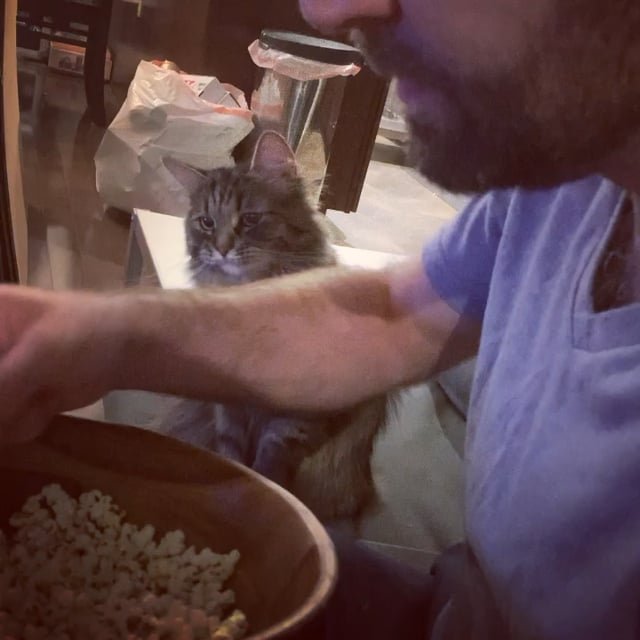
Have you ever caught your cat staring at your popcorn bowl and wondered, “Do cats eat popcorn?” It’s a common question for many pet owners like you who want to share snacks but also keep their furry friends safe.
You might be curious if popcorn is a tasty treat or a hidden danger for your cat. Keep reading to discover the surprising truth about cats and popcorn, and learn how to make the best choices for your pet’s health and happiness.
Credit: www.petmd.com
Cats And Popcorn
Many cat owners have noticed their feline friends eyeing popcorn. This crunchy snack can grab a cat’s attention. But why do cats show interest in popcorn? And what happens if they eat it?
Why Cats Might Be Interested
Cats are naturally curious creatures. They explore their surroundings with keen interest. The sound of popcorn popping can attract them. The sudden noise might make them curious. They might want to investigate the source.
Additionally, cats enjoy different textures. The crunchy feel of popcorn might seem fun. This could make them curious to taste it.
Common Cat Reactions
Cats have varied reactions to popcorn. Some might just sniff and walk away. Others might take a bite and then lose interest. But a few might enjoy the taste and eat more.
It’s important to watch for any unusual behavior. Cats might react differently to new foods. Some might show signs of discomfort or allergies. Always observe your cat when they try something new.

Credit: felinefancy.co.uk
Is Popcorn Safe For Cats
Wondering if popcorn can be a safe treat for your curious cat? It’s important to understand the difference between plain and flavored popcorn, as well as the potential health risks involved. Let’s break down what you need to know before sharing any popcorn with your feline friend.
Plain Popcorn Vs. Flavored
Plain popcorn, without any butter, salt, or seasoning, is generally safe in very small amounts. It’s low in calories and doesn’t contain harmful ingredients, making it a better option if you want to offer a tiny bite.
Flavored popcorn, on the other hand, can be risky. Ingredients like salt, butter, cheese powder, caramel, or artificial flavorings may upset your cat’s stomach or even be toxic. Cats are sensitive to many additives that humans enjoy.
Have you ever noticed your cat sniffing popcorn but then walking away? Their taste buds might not be designed for these flavors, so it’s best to avoid seasoned varieties altogether.
Potential Health Risks
Feeding your cat popcorn regularly can lead to digestive issues such as vomiting or diarrhea. The hard kernels can also pose a choking hazard or cause dental damage.
Excess salt and fats found in flavored popcorn can contribute to obesity, kidney problems, or other chronic conditions in cats. Even a small amount of butter or oil might upset their sensitive digestive system.
It’s worth asking yourself: Is that occasional popcorn treat worth the possible health risks? Instead, consider safer, vet-approved snacks that satisfy your cat’s curiosity without compromising their wellbeing.
Nutritional Impact Of Popcorn
Understanding the nutritional impact of popcorn on cats helps pet owners make better choices. Popcorn is a common snack for humans, but its suitability for cats is not straightforward. It is important to analyze what popcorn contains and how it affects a cat’s health.
Calories And Ingredients
Popcorn is mostly made of carbohydrates and fiber. Plain popcorn has few calories, usually around 30 calories per cup. But many popcorn types include added salt, butter, or sugar. These ingredients can be harmful to cats.
- High salt can cause dehydration and kidney issues.
- Butter adds unhealthy fats and calories.
- Sugar offers no benefit and may upset a cat’s metabolism.
Plain, air-popped popcorn has low calories but little nutritional value for cats. It lacks essential proteins, fats, and vitamins cats need.
Effects On Cat Digestion
Cats are obligate carnivores, meaning their digestive systems are designed for meat. Popcorn is hard to digest and can cause stomach upset. Eating popcorn may lead to vomiting or diarrhea in some cats.
Fiber in popcorn can cause gas or bloating. Some cats may choke on unpopped kernels or large pieces. Avoid giving cats flavored or oily popcorn, as it stresses their digestive system more.
Small amounts of plain popcorn are generally safe but offer no real nutritional benefit. Always watch for any signs of discomfort after feeding popcorn to cats.

Credit: www.reddit.com
Alternatives To Popcorn
Popcorn is a popular snack, but it is not the best choice for cats. Many cats may not enjoy the taste or texture. Also, popcorn can be harmful if it contains salt, butter, or other additives. Offering safe and healthy alternatives keeps your cat happy and well-nourished.
Healthy Cat Treats
Healthy cat treats support your cat’s diet and provide enjoyment. Choose treats made with real meat or fish. These treats offer protein and essential nutrients. Freeze-dried or dehydrated options keep flavors natural and concentrated. Avoid treats with artificial colors or fillers. Always check the ingredients for safety and quality.
- Cooked chicken or turkey pieces
- Small portions of cooked fish like salmon
- Freeze-dried liver treats
- Catnip or silver vine toys for play
- Specially made dental treats
Safe Human Foods For Cats
Some human foods are safe for cats in small amounts. These can add variety to your cat’s diet. Plain cooked meat without seasoning is best. Certain vegetables can be offered occasionally. Avoid toxic foods like onions, garlic, and chocolate. Always introduce new foods slowly and watch for reactions.
| Safe Foods | Notes |
|---|---|
| Cooked chicken or turkey | Plain, no seasoning or skin |
| Cooked carrots or peas | Soft and in small amounts |
| Plain cooked eggs | Scrambled or boiled without salt |
| Small amounts of cheese | Only if not lactose intolerant |
| Rice or plain pasta | Well-cooked, no sauces |
Tips For Feeding Cats Snacks
Feeding cats snacks can be a fun way to bond and reward good behavior. Snacks should always be given carefully to keep cats healthy and happy. Knowing how much and what to offer helps avoid stomach upset or weight gain.
Portion Control
Keep snack sizes small to prevent overeating. Too many treats can lead to obesity and health issues. Limit snacks to no more than 10% of daily food intake. Use measuring spoons or count pieces to be precise. Consistency helps maintain a healthy diet for your cat.
Observing Cat Behavior
Watch your cat’s reaction after eating snacks. Some cats may refuse certain flavors or textures. Others might show signs of allergies or discomfort. If your cat vomits or acts restless, stop giving that snack. Pay attention to changes in appetite or energy levels. Adjust snacks based on your cat’s preferences and health.
Frequently Asked Questions
Can Cats Safely Eat Plain Popcorn?
Yes, cats can eat plain, air-popped popcorn in small amounts. It is low in calories and non-toxic. Avoid butter, salt, or seasoning, as these can harm cats and upset their stomach.
Is Buttered Popcorn Harmful To Cats?
Buttered popcorn is harmful to cats due to fat and salt content. Butter can cause digestive issues, and excess salt can lead to dehydration or more severe health problems.
Why Do Cats Like Popcorn?
Cats may enjoy popcorn because of its texture and smell. However, popcorn does not provide nutritional benefits for cats and should only be an occasional treat.
Can Popcorn Cause Allergies In Cats?
Popcorn rarely causes allergies in cats, but some cats may be sensitive to ingredients like butter or salt. Always monitor for signs of discomfort or allergic reactions.
Conclusion
Cats may nibble on popcorn, but it’s not ideal for them. Plain popcorn without salt or butter is safest in small amounts. Avoid giving them flavored or oily popcorn to protect their health. Always watch your cat closely when offering new treats.
Their main diet should stay balanced and cat-friendly. Treats like popcorn should only be occasional and tiny. Keeping your cat safe and healthy is the top priority. Simple care helps your furry friend live happily.
