

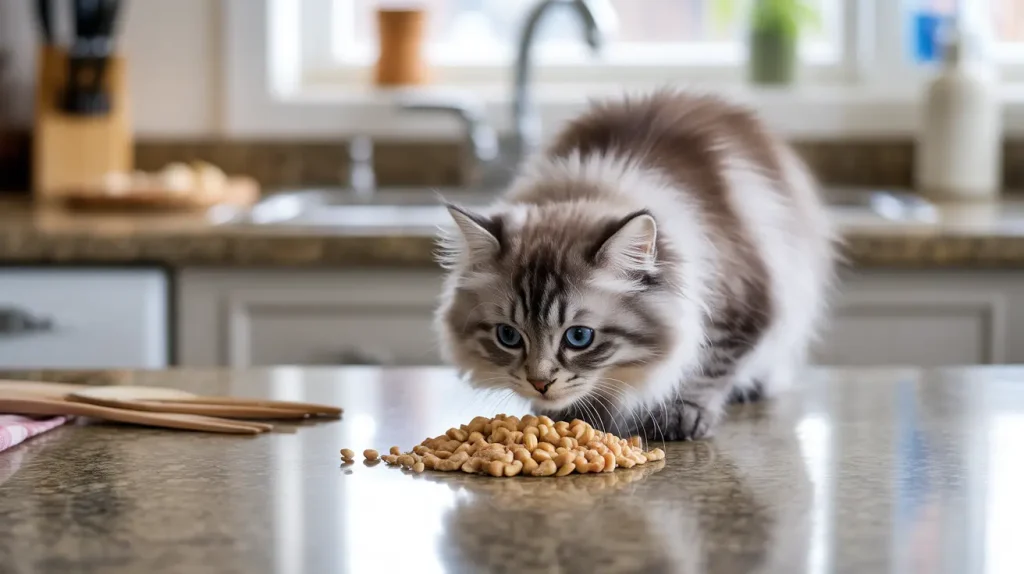
Have you ever caught your cat eyeing your snack and wondered, “Do cats eat peanuts?” It’s a common question for pet owners who want to share treats safely.
You might be curious if peanuts are a harmless nibble or a hidden danger for your furry friend. Understanding what your cat can and cannot eat is crucial to keeping them healthy and happy. Keep reading to find out the truth about peanuts and your cat’s diet—you’ll be surprised by what you learn.
Credit: www.chewy.com
Cats And Human Snacks
Cats may nibble on peanuts, but these nuts are not ideal for their diet. Peanuts can cause allergies or upset their stomachs. Always offer safe, cat-friendly snacks instead.
Cats and Human Snacks Cats often explore foods humans enjoy. Owners might wonder if their feline friends can share snacks. Cats have unique dietary needs. Some human foods can be harmful to them. It’s crucial to know which snacks are safe for cats.Curiosity About Peanuts
Cats are naturally curious creatures. They might sniff around when you eat peanuts. Peanuts are high in protein and fats. These can attract a cat’s interest. But peanuts are not ideal for cats. They can be hard to digest. Some cats might even have allergies. It’s best to avoid giving them peanuts. Always keep an eye on their reactions.Common Human Foods Cats Like
Some human foods are safe for cats. Here are a few they might enjoy:- Cooked chicken: Cats love lean meats like chicken.
- Fish: Tuna and salmon can be tasty treats.
- Eggs: Cooked eggs provide protein.
- Carrots: Some cats enjoy small carrot pieces.
Peanuts And Cat Nutrition
Peanuts are a common snack for humans, but their place in cat nutrition is not clear. Cats are obligate carnivores, meaning their diet mainly needs meat. Understanding peanuts’ nutrition helps decide if they fit into a cat’s diet.
Nutritional Content Of Peanuts
Peanuts contain many nutrients that are good for humans. They have:
- Proteins
- Healthy fats
- Vitamins like E and B complex
- Minerals such as magnesium and potassium
- Fiber
These components support heart health and energy in people. But cats have different needs. They need more protein from animal sources. Their bodies do not handle plant-based proteins as well.
Are Peanuts Safe For Cats?
Peanuts are not toxic to cats. Small amounts usually do not cause harm. Still, there are risks. Peanuts can be hard to digest for cats. They might cause stomach upset or vomiting.
Salted or flavored peanuts can be dangerous. Salt and additives are harmful to cats. Whole peanuts can also pose a choking risk. Always avoid feeding large quantities of peanuts to cats.
Consult a vet before giving peanuts. They can suggest the safest treats for your cat.
Health Risks Of Peanuts For Cats
Peanuts might seem harmless, but they can cause health problems for cats. Cats have different digestive systems than humans. Some foods safe for people can be risky for cats. Understanding these risks helps keep cats safe and healthy.
Potential Allergic Reactions
Cats can be allergic to peanuts. Allergic reactions may include:
- Itchy skin
- Swelling of the face or paws
- Difficulty breathing
- Vomiting or diarrhea
Even a small amount can trigger a reaction. Watch your cat closely after any exposure.
Digestive Issues
Peanuts are hard for cats to digest. Their stomachs do not process nuts well. Eating peanuts may cause:
- Upset stomach
- Gas and bloating
- Diarrhea or constipation
- Loss of appetite
These symptoms can lead to dehydration or other problems if untreated.
Toxic Ingredients In Processed Peanuts
Many peanuts are salted or flavored. These added ingredients can be toxic to cats. Common harmful substances include:
- Salt, which can cause sodium poisoning
- Onion or garlic powder, harmful to red blood cells
- Artificial sweeteners like xylitol, highly toxic
Always avoid giving cats processed or flavored peanuts. Plain, raw peanuts are still not recommended but pose fewer risks than processed ones.
Credit: animals.howstuffworks.com
Signs Of Peanut Intolerance In Cats
Cats may show signs of peanut intolerance soon after eating peanuts. Watching for these signs helps protect your pet’s health. Some cats react mildly, while others have stronger responses. Identifying symptoms early prevents serious problems.
Symptoms To Watch For
- Itching or scratching more than usual
- Redness or swelling on the skin
- Vomiting or diarrhea
- Excessive drooling or licking
- Difficulty breathing or wheezing
- Loss of appetite or unusual tiredness
- Hives or bumps on the body
These signs may appear quickly or develop over time. Keep a close eye on your cat after any peanut exposure.
When To Seek Veterinary Help
Seek immediate help if your cat shows breathing trouble or swelling of the face. These are signs of a serious allergic reaction.
Contact a vet if vomiting or diarrhea lasts more than a day. Persistent symptoms can cause dehydration.
Any sudden behavior changes or severe itching also require professional care. Early treatment improves recovery chances.
Safe Alternatives To Peanuts For Cats
Peanuts are not ideal for cats due to their high fat content and potential allergens. Many cat owners seek safer, healthier treat options to share with their furry friends. Choosing the right treats supports your cat’s well-being and keeps them happy.
Safe alternatives to peanuts offer nutritional benefits without risks. Cats need protein-rich snacks and foods that are easy to digest. Natural treats from the environment can also satisfy their curiosity and taste buds.
Cat-friendly Treat Options
- Cooked chicken pieces, plain and unseasoned
- Small bits of cooked fish like salmon or tuna
- Freeze-dried meat treats designed for cats
- Commercial cat treats with natural ingredients
- Small amounts of plain pumpkin or sweet potato
Healthy Snacks From Nature
- Boiled egg yolk, mashed or chopped
- Fresh green beans, steamed and soft
- Carrot slices, lightly cooked for softness
- Small pieces of melon without seeds
- Cucumber slices, peeled and thinly cut
Choosing these alternatives helps avoid digestive upset. They also provide vitamins and minerals cats need. Always introduce new snacks gradually and watch for any reactions.

Credit: www.purina.com
Feeding Tips And Precautions
Feeding your cat peanuts might seem harmless, but it’s important to handle this treat carefully. Cats have specific dietary needs, and peanuts should only be given with caution. Knowing the right way to offer peanuts can keep your furry friend safe and happy.
Moderation And Portion Control
Peanuts are not a natural part of a cat’s diet, so giving too many can cause stomach upset. Offer just one or two peanuts occasionally, and watch for any signs of discomfort or allergies. Have you ever noticed your cat’s reaction to new foods? Their behavior can tell you a lot about how well they tolerate different treats.
Remember, peanuts are high in fat and calories, which can lead to weight gain if overfed. Keep treats to less than 10% of your cat’s daily food intake to maintain a balanced diet. Small portions will satisfy curiosity without risking their health.
Avoiding Harmful Additives
Always choose plain, unsalted peanuts without any coatings or seasonings. Salt, sugar, and artificial flavors can be toxic or harmful to cats. I once gave my cat a peanut with a salty coating by accident, and she immediately showed signs of distress—something you definitely want to avoid.
Check labels for ingredients like onion or garlic powder, which are dangerous for cats. If you’re unsure about a peanut snack, it’s better to skip it altogether. Your cat’s safety should always come first when introducing any new food.
Frequently Asked Questions
Do Cats Naturally Eat Peanuts?
Cats are obligate carnivores and do not naturally eat peanuts. Their diet mainly consists of meat, not nuts.
Can Peanuts Be Harmful To Cats?
Yes, peanuts can cause choking or allergic reactions in cats. Avoid feeding peanuts to keep your cat safe.
Are Peanuts Nutritious For Cats?
Peanuts provide little nutritional value for cats. Cats need protein and fat from animal sources, not nuts.
What Should I Do If My Cat Eats Peanuts?
If your cat eats peanuts, watch for allergies or choking. Contact a vet immediately if symptoms appear.
Conclusion
Cats do not usually eat peanuts. Peanuts are not toxic but can cause choking or upset stomach. Always watch your cat around new foods. Stick to a diet made for cats. Treats should be safe and healthy. Your cat’s health is very important.
Keep peanuts away to avoid problems. Trust vet advice for pet nutrition. A happy cat means careful feeding. Simple choices keep cats safe and well.
