

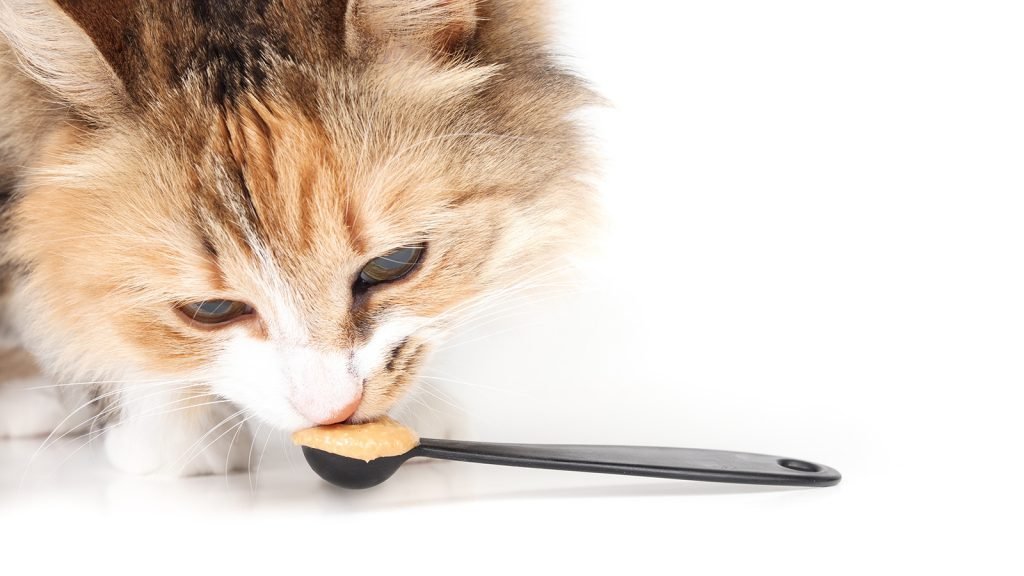
Have you ever caught your cat eyeing your peanut butter jar and wondered, “Can my furry friend safely enjoy this too?” You’re not alone. Peanut butter is a favorite snack for many, but when it comes to your cat, you want to be sure it’s safe and healthy.
You’ll discover the surprising facts about cats and peanut butter. By the end, you’ll know exactly what to do the next time your kitty shows interest in your favorite spread. Keep reading to protect your pet and satisfy your curiosity!

Credit: www.purina.com
Cats And Peanut Butter
Cats are curious creatures with unique tastes. Their interest in human foods can surprise pet owners. Peanut butter is one such treat that many wonder about. It is rich, sticky, and has a strong smell. These traits might attract cats or make owners cautious. Understanding how cats react to peanut butter helps make safe choices.
Why Cats Might Like Peanut Butter
Peanut butter has a strong aroma that grabs a cat’s attention. Its creamy texture feels interesting to lick or nibble. Some cats enjoy the taste because it contains fats and proteins. These nutrients appeal to their carnivorous nature. The novelty of a new food can spark curiosity in cats. Sometimes, cats mimic their owners or other pets eating peanut butter.
Common Myths About Cats Eating Peanut Butter
- Peanut butter is toxic to cats – This is false. Plain peanut butter is not poisonous.
- Cats can eat large amounts safely – False. Too much can cause stomach upset.
- All peanut butter contains harmful ingredients – Not true. Some brands add xylitol, which is toxic.
- Peanut butter can replace a cat’s regular food – Wrong. It lacks essential nutrients for cats.
Always check ingredients before offering peanut butter. Moderation is key to prevent health issues. Watch your cat closely after trying new treats.
Is Peanut Butter Safe For Cats?
Peanut butter is a popular treat for many people. Cats, curious by nature, may show interest in it. The question is: is peanut butter safe for cats to eat? This section explores the safety of peanut butter for cats and what pet owners should know.
Potential Health Risks
Peanut butter can cause health problems in cats. It contains fats and sugars that cats do not need. Too much fat can lead to obesity and pancreatitis. Some cats may have allergies to peanuts. Allergic reactions include itching, swelling, or vomiting. Peanut butter is sticky and hard to digest, which can cause choking or constipation.
Ingredients To Avoid
Some peanut butter brands add harmful ingredients. Avoid peanut butter with:
- Xylitol – very toxic to cats, can cause seizures or death
- Added sugar – harms cat’s health and teeth
- Salt – too much salt can cause dehydration and kidney problems
- Artificial flavors or preservatives – may upset your cat’s stomach
Always check the label before offering peanut butter to cats.
Nutritional Value For Cats
Peanut butter has protein and healthy fats. These nutrients are good for cats in small amounts. It also contains vitamins like vitamin E and B vitamins. Still, peanut butter is not a balanced food for cats. Cats need nutrients from meat and specially made cat food. Use peanut butter only as a rare treat, not a regular diet part.
Feeding Peanut Butter To Cats
Feeding peanut butter to cats can be tempting, especially when you see them curious about this sticky treat. However, it’s important to understand how to do it safely and recognize the limits. Peanut butter isn’t toxic to cats, but it should be given in moderation and with caution.
How Much Is Too Much?
Even a small amount of peanut butter can be rich and heavy for your cat’s digestive system. A tiny lick or a pea-sized dollop is usually enough to satisfy their curiosity without overwhelming them.
Remember, peanut butter is high in fat and calories, which can lead to weight gain or upset stomach if overfed. If you notice your cat showing reluctance or discomfort, it’s a sign you’ve given too much.
Safe Ways To Offer Peanut Butter
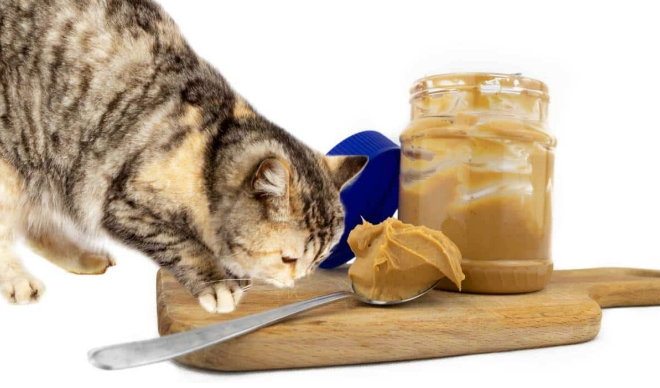
Always choose natural peanut butter without added sugar, salt, or xylitol—a sweetener extremely toxic to cats. You can smear a small amount on a spoon or a lick-proof toy to control the portion size.
- Use it as an occasional treat, not a meal replacement.
- Mix a tiny bit with wet cat food to add flavor, but watch for any unusual reactions.
- Never leave peanut butter out where your cat can overindulge on their own.
Have you ever noticed your cat’s face when trying something new? It can be a fun moment, but always keep safety in mind.
Signs Of Allergic Reactions
Watch your cat closely after feeding peanut butter for any signs of allergy or intolerance. Common symptoms include itching, swelling around the face or mouth, vomiting, or diarrhea.
If your cat starts scratching excessively or shows breathing difficulties, seek veterinary help immediately. Allergic reactions can escalate quickly, and early intervention is crucial.
Knowing these signs helps you protect your cat while sharing occasional treats safely.
Alternatives To Peanut Butter
Peanut butter may seem like a fun treat to share with your cat, but it’s not always the best choice. Many cats can’t digest it well, and it may contain ingredients that aren’t safe for them. Luckily, there are plenty of alternatives that satisfy your cat’s cravings while keeping them healthy and happy.
Cat-friendly Treats
Think about what your cat naturally loves. Small pieces of cooked chicken, turkey, or fish often excite their taste buds more than peanut butter ever could.
Commercial cat treats made specifically for felines are designed to be both tasty and safe. Look for options with simple ingredients and no added sugars or harmful additives.
If you want to try something different, mashed pumpkin or a bit of plain yogurt can be a good way to introduce new flavors. Just keep portions small and watch for any digestive reactions.
Healthy Snacks For Cats
Healthy snacking is key to maintaining your cat’s wellbeing. Fresh, bite-sized veggies like cooked carrots or green beans can provide fiber and nutrients.
Freeze-dried meat treats offer a high-protein option that’s easy to store and serve. These treats often retain more nutrients and taste than processed ones.
Have you tried giving your cat a little tuna water? It’s hydrating and flavorful without the risks of peanut butter. Always check that it’s plain, with no added salt or seasoning.
Veterinarian Insights
Understanding what cats can safely eat is crucial for pet owners. Veterinarians offer valuable insights into feeding cats human foods like peanut butter. Their knowledge helps prevent health issues and keeps cats happy and healthy.
Expert Opinions
Most vets agree cats can eat a tiny amount of peanut butter without harm. Peanut butter is not toxic but is high in fat and sugar. This can cause stomach upset or weight gain if fed often.
Some cats may have allergies or digestive problems triggered by peanut butter. Vets advise avoiding peanut butter with xylitol, a sweetener toxic to cats. Natural peanut butter without additives is safer but still should be given sparingly.
When To Consult A Vet
Contact a vet if your cat shows unusual symptoms after eating peanut butter. Symptoms include vomiting, diarrhea, lethargy, or loss of appetite. Sudden allergic reactions require immediate veterinary care.
Discuss your cat’s diet with a vet before introducing new human foods. This helps ensure balanced nutrition and avoids harmful effects. A vet can recommend safe treats and portion sizes for your cat.
Credit: wopet.com
Credit: wopet.com
Frequently Asked Questions
Do Cats Like The Taste Of Peanut Butter?
Cats may be curious about peanut butter due to its smell. However, many cats do not enjoy its sticky texture or strong flavor. It is not a natural part of their diet, so preferences vary widely among individual cats.
Is Peanut Butter Safe For Cats To Eat?
Plain peanut butter without xylitol or added sugars is generally safe in small amounts. Xylitol is toxic to cats and must be avoided. Always check the ingredients before offering peanut butter to your cat.
Can Peanut Butter Cause Health Issues In Cats?
Feeding large amounts of peanut butter can cause obesity and digestive problems. It is high in fat and calories, which cats do not need. Moderation is key to prevent any health risks.
Why Do Cats Sometimes Lick Peanut Butter?
Cats may lick peanut butter out of curiosity or to explore new tastes. The strong smell attracts them, but they rarely consume large quantities. It’s more of an occasional treat than a food preference.
Conclusion
Cats may show interest in peanut butter, but it is not ideal for them. Peanut butter contains ingredients that might upset a cat’s stomach or cause allergies. Always choose treats made specifically for cats to keep them safe and healthy.
Keep peanut butter away from your feline friend to avoid any risks. Observing your cat’s reactions helps you understand what foods suit them best. Remember, your cat’s health comes first in every feeding choice.
