

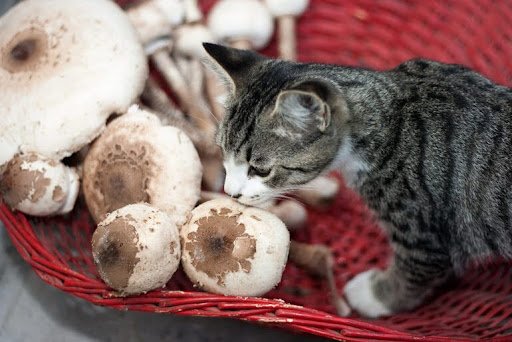
Have you ever caught your cat sniffing around mushrooms in your kitchen or garden and wondered, “Do cats eat mushrooms?” It’s natural to worry about what your furry friend might be putting in their mouth.
Mushrooms might seem harmless, but they can be tricky for cats. Understanding whether mushrooms are safe for your pet is crucial for their health and your peace of mind. Keep reading, because what you learn here could protect your cat from harm and help you make smarter choices about their diet.

Credit: astonvet.com
Cats And Mushrooms
Cats and mushrooms create a curious combination that intrigues many pet owners. While mushrooms appear harmless, questions about their safety for cats arise. Cats are known for their selective eating habits, yet they sometimes show interest in foods outside their usual diet. Understanding why mushrooms might attract a cat helps pet owners make informed choices.
Natural Diet Of Cats
Cats are obligate carnivores, meaning they thrive on meat. Their bodies are designed to digest animal protein. In the wild, cats hunt small animals for nutrition. This natural diet provides essential nutrients like taurine and arachidonic acid. Plants and fungi, like mushrooms, are not part of their regular diet. Cats don’t need plants for survival or health.
Why Cats Might Be Interested In Mushrooms
Curiosity often leads cats to explore new foods. Mushrooms have a unique smell and texture. This might catch a cat’s attention. Sometimes, mushrooms are part of a cooked meal. A cat might sample these out of interest. The novelty of a mushroom might lure a cat to investigate further.
Some mushrooms have a strong umami flavor. This can mimic the taste of certain meats. Cats might mistake this for something familiar. Yet, not all mushrooms are safe for cats. It’s crucial to ensure mushrooms are non-toxic.
Are Mushrooms Safe For Cats?
Cats are curious creatures and may sniff or taste mushrooms. The safety of mushrooms for cats depends on the type of mushroom. Some mushrooms are safe and even nutritious. Others contain toxins that can harm cats severely. Knowing which mushrooms are safe and which are dangerous helps keep cats healthy.
Common Edible Mushrooms
Many mushrooms sold for cooking are safe for cats in small amounts. These include:
- Button mushrooms
- Portobello mushrooms
- Shiitake mushrooms
- Oyster mushrooms
These mushrooms contain no harmful toxins. Cats may eat a little without problems. Still, mushrooms are not a natural food for cats. They may cause mild stomach upset if eaten in excess.
Toxic Mushrooms To Avoid
Wild mushrooms pose the biggest risk to cats. Some contain deadly toxins even in tiny amounts. Signs of mushroom poisoning include vomiting, diarrhea, weakness, and seizures. Toxic mushrooms to avoid include:
- Amanita species (death cap, destroying angel)
- Galerina species
- Gyromitra species (false morel)
- Inocybe species
Never let cats eat wild mushrooms. If poisoning is suspected, seek veterinary care immediately.
Symptoms Of Mushroom Poisoning In Cats
Cats are curious creatures and might nibble on mushrooms found outdoors or indoors. Not all mushrooms are safe for cats. Some types contain toxins that can harm their health. Recognizing the symptoms of mushroom poisoning early is crucial. Quick action can save your cat’s life.
Early Warning Signs
- Vomiting and diarrhea
- Excessive drooling
- Loss of appetite
- Lethargy or weakness
- Unsteady walking or wobbling
- Increased thirst or urination
These signs may appear within a few hours after ingestion. Watch your cat closely if you suspect mushroom exposure.
Severe Reactions And Risks
- Seizures or tremors
- Difficulty breathing
- Yellowing of gums or eyes (jaundice)
- Abdominal pain or swelling
- Coma or unconsciousness
Severe symptoms indicate serious poisoning and require immediate veterinary care. Some mushrooms cause liver or kidney failure, which can be fatal.

Credit: www.amazon.ca
What To Do If Your Cat Eats Mushrooms
Finding out that your cat has eaten mushrooms can be unsettling. Not all mushrooms are safe for cats, and some can cause serious health issues. Knowing what to do immediately can make a big difference in protecting your furry friend.
Immediate Steps To Take
First, remove any remaining mushrooms from your cat’s reach to prevent more ingestion. Try to identify the type of mushroom your cat ate; take a photo if you can safely do so. This information will be crucial for the vet.
Do not induce vomiting unless a vet specifically tells you to. Forcing vomiting can sometimes do more harm than good. Keep your cat calm and watch for any unusual behavior like drooling, vomiting, or lethargy.
When To Contact A Veterinarian
Call your vet immediately if your cat shows symptoms such as vomiting, diarrhea, difficulty breathing, or seizures. Even if your cat seems fine, it’s best to get professional advice quickly. Toxic mushroom effects can take hours to appear.
Be ready to provide details about the mushroom, your cat’s size, and the amount ingested. Your vet might ask you to bring your cat in for an examination or monitor them at home with specific instructions. Quick action can save your cat’s life—don’t wait and see if the symptoms worsen.
Preventing Mushroom Exposure
Mushrooms can be harmful to cats, so preventing their exposure is key. Many mushrooms contain toxins that affect your cat’s health. Keeping your pet safe means controlling access to mushrooms both inside and outside your home.
Keeping Mushrooms Out Of Reach
Keep all mushrooms, fresh or dried, away from your cat’s reach. Store mushrooms in sealed containers inside cabinets. Check your yard and garden regularly for wild mushrooms and remove them promptly.
Teach family members and visitors to avoid feeding mushrooms to cats. Use barriers or fences to block off areas where wild mushrooms grow. Regularly inspect potted plants and soil for any mushroom growth.
Safe Alternatives For Cats
Offer safe treats and toys to distract your cat from mushrooms. Cat grass or catnip can satisfy their curiosity and chewing needs. Provide fresh vegetables like carrots or peas as healthy snacks.
Introduce interactive toys to keep your cat busy and less likely to explore unsafe items. Regular playtime helps reduce the chance of your cat eating harmful plants. Always observe your cat’s behavior to catch any mushroom interest early.
Myths About Cats And Mushrooms
Mushrooms and cats often spark many questions and stories. Some ideas about cats eating mushrooms are just myths. These myths can confuse pet owners about what is safe for their cats. Understanding the truth helps keep cats safe and healthy.
Myth That All Mushrooms Are Safe For Cats
Not all mushrooms are safe for cats. Some wild mushrooms can be toxic. Even common mushrooms might cause stomach upset. Always keep mushrooms away from cats to avoid risks.
Myth That Cats Will Eat Mushrooms Naturally
Cats usually do not eat mushrooms on their own. They prefer meat and fish. If a cat tries mushrooms, it is often out of curiosity. It does not mean they need or want them.
Myth That Cooking Mushrooms Removes All Danger
Cooking does not make all mushrooms safe. Poisonous mushrooms stay harmful after cooking. Never feed cooked mushrooms to cats without knowing the type.
Myth That Small Amounts Of Mushrooms Are Harmless
Even small amounts of toxic mushrooms can harm cats. Symptoms can appear quickly and be severe. It is safer to avoid mushrooms entirely around cats.
Myth That Mushroom Supplements Are Always Safe For Cats
Mushroom supplements are not always safe for cats. Some can cause allergic reactions or upset stomachs. Consult a vet before giving any supplements to cats.
Credit: www.kinship.com
Frequently Asked Questions
Can Cats Safely Eat Mushrooms?
Cats should not eat mushrooms unless approved by a vet. Wild mushrooms can be toxic and cause serious health issues. Store-bought mushrooms may be safer but still not recommended as a regular diet part.
Why Do Cats Avoid Eating Mushrooms?
Cats naturally avoid mushrooms due to their smell and taste. Their instinct helps protect them from toxic fungi found in the wild. This behavior reduces the risk of poisoning and digestive problems.
What Are Symptoms Of Mushroom Poisoning In Cats?
Symptoms include vomiting, diarrhea, drooling, weakness, and seizures. If a cat eats a wild mushroom, seek immediate veterinary care. Early treatment is crucial to prevent severe health complications or death.
Can Small Amounts Of Mushrooms Harm Cats?
Even small amounts of wild mushrooms can be dangerous for cats. Toxic compounds may cause poisoning symptoms quickly. Always keep mushrooms out of your cat’s reach to ensure their safety.
Conclusion
Cats do not usually eat mushrooms. Some mushrooms can be very dangerous for them. Always keep wild mushrooms away from your cat. If your cat eats a mushroom, watch for signs of illness. Contact your vet quickly to keep your cat safe.
Giving your cat a healthy diet is best. Stick to food made just for cats. This helps your pet stay happy and strong. Remember, safe choices protect your furry friend. Mushrooms are not a good snack for cats. Stay careful and keep your cat healthy.
