

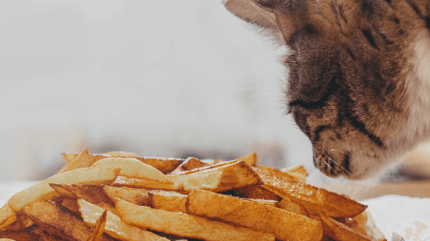
Have you ever caught your cat eyeing your plate of crispy French fries? It’s hard to resist sharing a bite when they look so curious.
But before you do, you might be wondering: do cats actually eat French fries? More importantly, is it safe for your furry friend? Understanding what’s okay to feed your cat isn’t always simple, and giving in to those puppy-dog eyes could have unexpected results.
Keep reading to discover the truth about cats and French fries, so you can make the best choices for your pet’s health and happiness.

Credit: www.youtube.com
Cats And Human Snacks
Have you ever caught your cat eyeing your snacks with that irresistible look? Cats are naturally curious creatures, and their interest often extends to the food we eat. This fascination with human snacks can be amusing, yet it’s essential to know what’s safe for them.
Why Cats Show Interest In People Food
Cats are drawn to the sights and smells of what we eat. Their acute sense of smell makes them curious about the tantalizing aromas wafting from your plate. Plus, they might be imitating your behavior, seeing you as a role model, and wanting to partake in what you enjoy.
Another factor is the texture and taste. Cats might be intrigued by the crunchy texture of snacks like chips or the creamy consistency of ice cream. Have you ever noticed your cat pawing at your food? It’s their way of exploring and expressing interest.
Common Human Snacks Cats Try
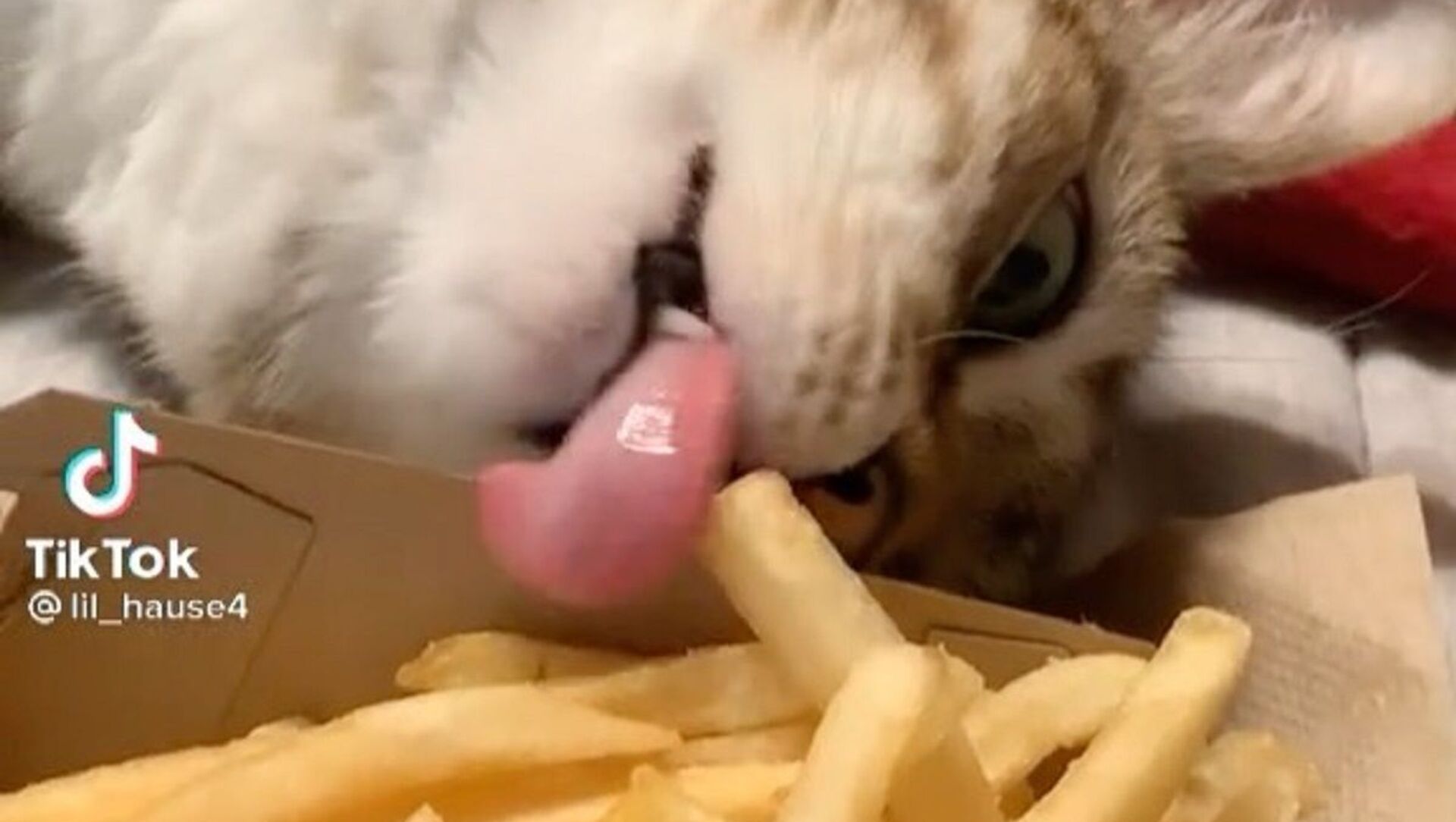
- French Fries:It’s not unusual for a cat to nibble on a fry, drawn by the salt and oil. However, these are not suitable for their diet.
- Cheese:Many cats are curious about cheese, but their lactose intolerance means it should be offered sparingly, if at all.
- Yogurt:Some cats find yogurt appealing, especially if it’s plain and unsweetened. This can be a safer option compared to other snacks.
- Popcorn:The popping sound and light texture can intrigue cats, but plain, unsalted popcorn is best if they must indulge.
Have you seen your cat try to swipe a snack? While it might be cute, it’s crucial to consider if it’s safe for them. Understanding their interest can help you manage their curiosity while ensuring their well-being.
Are French Fries Safe For Cats?
Wondering if French fries can be a treat for your cat? It’s natural to want to share your snacks, but it’s important to consider the safety and health effects before giving your feline friend anything new. Let’s take a closer look at what French fries contain and how they might affect your cat’s well-being.
Nutritional Content Of French Fries
French fries are mostly made of potatoes, which contain carbohydrates. Cats, however, are obligate carnivores and don’t need carbs in their diet. French fries also contain fats and sometimes added seasonings.
The high fat content comes from the oil used in frying. While cats do need some fats, the type and amount in French fries are not suitable. Plus, fries often lack essential nutrients cats require.
Potential Health Risks
Feeding French fries to cats can cause digestive issues like upset stomach or diarrhea. The starchy nature of fries makes them hard to digest for cats.
Long-term, regular feeding of fried, salty snacks can lead to obesity and other health problems. Have you noticed your cat showing discomfort or changes in appetite after eating human food? This could be a warning sign.
Effects Of Salt And Oil
Salt is a major concern. Even small amounts of salt can be harmful to cats, leading to increased thirst, urination, and in severe cases, salt poisoning.
Oils used in frying are often unhealthy and can cause pancreatitis in cats. If your cat accidentally eats a French fry, it’s best to monitor them closely and avoid repeating the treat.
Cats’ Natural Diet Preferences
Cats have unique diet preferences shaped by their biology. Understanding what they naturally eat can help you decide if sharing your french fries is a good idea. Their dietary needs focus mainly on protein and fat, not starches or sugars.
What Cats Usually Eat
Cats are obligate carnivores, which means meat is essential for their survival. Their natural diet includes:
- Small mammals like mice and birds
- Insects and other small prey
- Occasionally fish or eggs
They rely on animal proteins and fats to get vital nutrients such as taurine and arachidonic acid. Unlike humans, cats don’t need carbohydrates, so their digestive systems aren’t built to handle starchy foods well.
How Cats React To Starchy Foods
Introducing starchy foods like french fries to your cat’s diet can cause mixed reactions. Some cats may show curiosity and nibble on a fry, but many don’t enjoy the texture or taste. Their bodies aren’t designed to digest large amounts of starch, which can lead to upset stomach or diarrhea.
Have you noticed your cat ignoring or rejecting bread or potato snacks? That’s because starch doesn’t satisfy their hunger or nutritional needs. If you want to offer treats, stick to those made specifically for cats to avoid health problems.

Credit: noblevetclinic.com
What Happens If Cats Eat French Fries
Wondering what actually happens if your cat munches on a French fry? While it might seem harmless to share a crispy treat, the effects on your feline friend can range from mild to concerning. Understanding these effects helps you make better choices about what snacks to offer—and what to avoid.
Short-term Reactions
In the short term, a few French fries may not cause immediate harm, but watch closely for signs of discomfort. Cats can experience:
- Upset stomach or vomiting
- Diarrhea due to the high fat and salt content
- Excessive thirst or changes in urination
These symptoms usually show up within hours. If your cat shows unusual lethargy or persistent vomiting, it’s a red flag. Have you noticed your cat acting strange after a sneaky fry snack?
Long-term Health Concerns
Regularly feeding your cat French fries can lead to more serious health problems over time. The high salt and fat levels contribute to:
- Obesity, increasing the risk of diabetes and heart issues
- Pancreatitis, which causes painful inflammation of the pancreas
- Kidney strain from excess sodium intake
Even if your cat seems fine now, repeated exposure to salty, greasy foods can quietly damage their organs. Your cat depends on you to choose safe, nutritious foods that support their health—not just tasty snacks.
Alternatives To French Fries For Cats
Cats should not eat French fries due to their high salt and oil content. Offering better snack choices keeps your cat healthy and happy. There are many safe and tasty alternatives that cats enjoy. These options provide nutrition without harmful ingredients.
Healthy Treat Options
- Small pieces of cooked chicken or turkey
- Cooked fish like salmon or tuna (without seasoning)
- Plain boiled eggs in small amounts
- Freeze-dried meat treats designed for cats
- Catnip or cat grass for light snacking
Safe Human Foods For Cats
- Carrots, cooked and chopped into small bits
- Peas, cooked and mashed
- Small portions of pumpkin, plain and cooked
- Plain rice or oatmeal, without spices
- Apple slices without seeds or core
Credit: www.namibian.com.na
Tips For Preventing Cats From Eating Unsafe Foods
Keeping cats away from unsafe foods is important for their health. Cats are curious and may try to eat things they shouldn’t. This can cause stomach problems or worse. Teaching cats to avoid harmful foods helps protect them and gives owners peace of mind. Use clear strategies to set limits and provide safe food options. Consistency makes training easier and more effective.
Training And Boundaries
Train cats to understand which foods are off-limits. Use a firm but gentle voice to say “no” when they reach for unsafe foods. Reward good behavior with treats or petting. Set clear boundaries by keeping harmful foods out of reach. Avoid feeding table scraps during mealtime. This prevents cats from associating human food with treats. Over time, cats learn what is allowed and what is not.
Safe Feeding Practices
Provide cats with balanced meals made for their needs. Use high-quality cat food that offers all essential nutrients. Keep feeding areas clean and free of human food. Store leftovers and snacks in sealed containers or out of sight. Offer safe treats designed for cats instead of human snacks. Establish regular feeding times to reduce begging or scavenging behavior. These habits help cats stay healthy and happy.
Frequently Asked Questions
Do Cats Like To Eat French Fries?
Cats may show curiosity but generally do not prefer French fries. Their diet mainly consists of meat, so fries are not appealing or nutritious for them.
Are French Fries Safe For Cats To Eat?
French fries are not toxic but are unhealthy for cats. They contain salt, oil, and seasonings that can upset a cat’s stomach or cause weight gain.
What Happens If A Cat Eats French Fries?
Eating French fries may cause digestive upset, such as vomiting or diarrhea. Regular consumption can lead to obesity and other health issues in cats.
Can French Fries Replace A Cat’s Regular Food?
French fries should never replace a cat’s balanced diet. Cats need protein-rich meals, and fries lack essential nutrients required for their health.
Conclusion
Cats may nibble on French fries, but they do not need them. Fries have too much salt and oil for cats’ health. Giving fries often can cause stomach problems or weight gain. It’s best to stick to food made for cats.
Treat them with safe snacks made just for their needs. Keep your cat happy and healthy with the right diet. Remember, a balanced meal is the key to your cat’s well-being. Always choose foods that support their health, not harm it.
