


Have you ever wondered if cats eat bunnies? It’s a question that might pop into your mind, especially if you have both pets or you enjoy watching wildlife.
You might be curious about what happens when these two animals cross paths. Understanding this can help you keep your furry friends safe and happy. Stick with me, and you’ll discover surprising facts that could change the way you see your cat and the little bunnies around you.
Ready to learn more? Let’s dive in!

Credit: www.yahoo.com
Cats’ Hunting Instincts
Cats have strong hunting instincts and may chase small animals like bunnies. They sometimes eat bunnies, especially if they catch them. This behavior comes from their natural drive to hunt for food.
Cats have been hunters for thousands of years. Their instincts tell them to chase and catch prey. This behavior is natural, even in domestic cats. Let’s explore how these instincts work.Natural Predators
Cats are natural predators. They are built to hunt. Sharp claws and teeth help them catch prey. Their eyes see well in low light, perfect for stalking at dusk. They move quietly, sneaking up on their target. This makes them effective hunters in the wild.Prey Drive In Domestic Cats
Even house cats have a strong prey drive. They chase toys and small moving objects. This is a sign of their hunting instincts. Owners might see their cats stalking bugs or small animals. It’s a part of their natural behavior. This prey drive keeps cats active and engaged.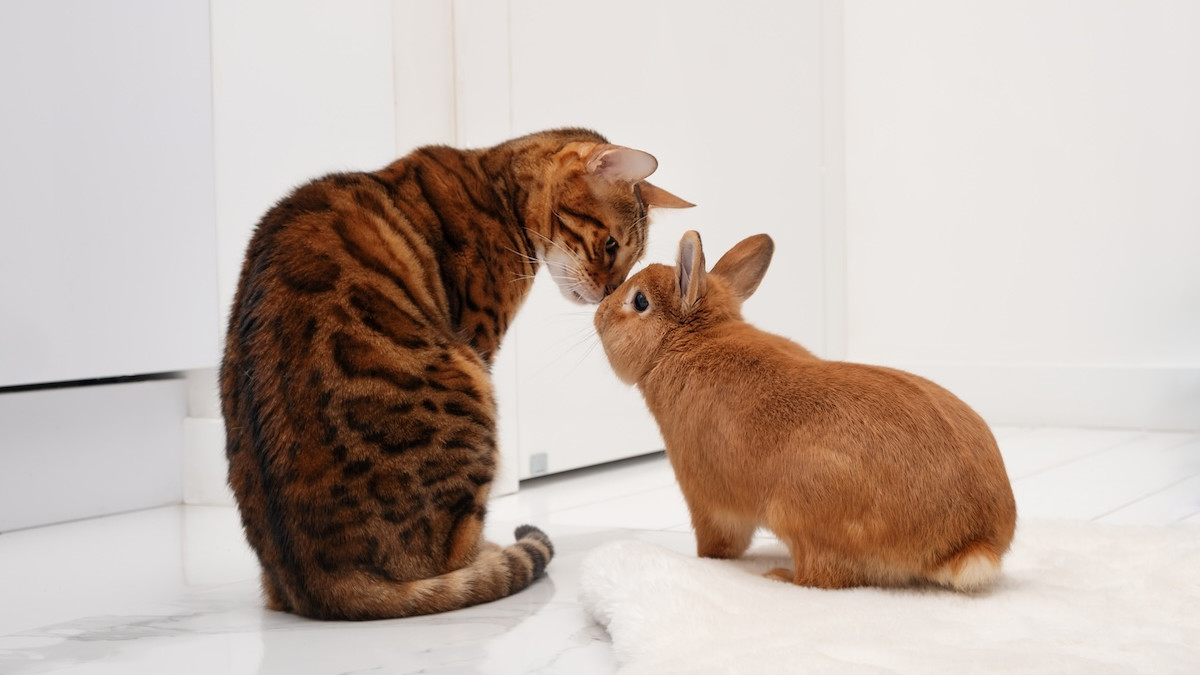
Credit: paradepets.com
Cats And Small Animals
Cats are natural hunters. Their instincts drive them to chase and catch small animals. This behavior is part of their survival skills, even for domestic cats. Small creatures like birds, mice, and rabbits often become targets for cats.
Understanding what cats prefer to hunt helps explain their behavior around small pets. It also shows why certain animals attract more attention from cats than others.
Typical Prey Choices
Cats usually hunt animals that are easy to catch and carry. Their prey often includes:
- Small birds
- Mice and rats
- Insects
- Rabbits and hares
These animals move quickly and trigger a cat’s chasing instinct. Cats enjoy stalking and pouncing on moving targets. Rabbits fit well in this category because they are small and fast.
Why Bunnies Attract Cats
Bunnies have traits that make cats interested. Their quick movements catch a cat’s eye. The soft fur and small size also appeal to a cat’s natural curiosity.
Rabbits live close to the ground and often hide in bushes. This behavior invites a cat to hunt or play. The similar size to other prey makes bunnies a tempting target.
Cats may not always eat bunnies, but the chase satisfies their hunting urge. Sometimes, the interest is more about play than food.
Risks To Pet Bunnies
Pet bunnies face real dangers around cats. Cats are natural hunters with strong instincts. Even friendly cats can act on these instincts. This can lead to stress, injury, or worse for pet bunnies.
Understanding these risks helps protect your bunny. Knowing what triggers attacks and spotting warning signs is key. Careful supervision and safe spaces reduce risks greatly.
Common Scenarios Of Attacks
- Curious cats stalking bunnies out of instinct
- Sudden movements causing cats to chase
- Cats playing roughly, leading to accidental harm
- Unsupervised interactions in shared living spaces
- Outdoor encounters where cats hunt freely
Signs Of Predatory Behavior
- Intense staring at the bunny without blinking
- Slow, quiet stalking or crouching near the bunny
- Tail twitching or ears pinned back
- Sudden pouncing or swatting motions
- Growling or hissing directed at the bunny
Preventing Cat Attacks
Preventing cat attacks on bunnies is crucial for their safety and well-being. Cats have natural hunting instincts that can put rabbits at risk. Taking steps to protect bunnies helps create a peaceful home for both pets.
Safe Housing For Bunnies
Provide a secure cage or hutch for your bunny. It should be strong and escape-proof. Place the bunny’s home in a quiet area away from the cat’s usual spots. Use barriers like wire mesh or solid walls to keep cats out. Ensure the bunny has hiding places inside the enclosure. This makes them feel safe and less stressed.
Supervised Interactions
Never leave cats and bunnies alone together. Always watch their meetings closely. Keep the bunny on a leash or in a carrier during initial encounters. Look for signs of stress or aggression from either pet. Stop the interaction immediately if either animal seems scared or tense. Gradually increase their time together with careful supervision. Positive experiences can help both animals adjust.
Feeding Cats To Reduce Hunting
Feeding your cat properly can play a surprising role in reducing their urge to hunt small animals like bunnies. Many cat owners notice a difference in their pet’s behavior once their diet meets all their nutritional needs. Understanding what your cat eats and offering alternatives can help curb those natural hunting instincts.
Diet And Hunting Behavior
Cats are natural hunters, but their diet strongly influences how often they hunt. A cat that isn’t getting enough protein or essential nutrients might seek out live prey to fill those gaps.
Try to provide a balanced diet rich in animal-based proteins. High-quality commercial cat food often contains the right mix, but some cats still crave the thrill of the chase.
Have you observed if your cat hunts more when they’re on a lighter or less satisfying diet? It’s worth paying attention to their feeding schedule and meal content to see if it affects their hunting frequency.
Alternatives To Raw Prey
Offering alternatives to raw prey can satisfy your cat’s predatory drive without harming local wildlife. Interactive toys that mimic prey movements work well to keep your cat engaged.
- Feather wands and laser pointers provide a fun hunting simulation.
- Food puzzles and treat dispensers encourage mental stimulation and activity.
- Regular play sessions before meals can reduce hunting urges by tiring your cat out.
Some cats respond well to specially designed hunting games that trigger their instincts safely indoors. What kind of toys or activities does your cat respond to the most?

Credit: www.reddit.com
When To Seek Help
Knowing when to seek help is crucial if your cat shows interest in hunting or eating bunnies. This behavior can signal deeper issues that affect both your cat’s wellbeing and the safety of other pets. Recognizing the signs early helps you take the right steps before problems escalate.
Behavioral Issues In Cats
Has your cat started chasing small animals more aggressively or acting unusually restless? These changes might indicate stress, boredom, or unmet hunting instincts. Such behaviors can sometimes escalate into dangerous habits if left unchecked.
Watch for signs like:
- Increased aggression or irritability
- Obsessive stalking or hunting behaviors indoors
- Sudden changes in appetite or mood
Addressing these issues early can prevent harm to both your cat and other pets, like rabbits. You might consider enriching your cat’s environment with toys or interactive playtime to redirect their energy safely.
Veterinary Advice For Pet Safety
If your cat’s behavior worries you, consulting a vet is a smart move. They can check for underlying health problems that may cause abnormal hunting urges. Sometimes, medical conditions like hyperthyroidism or neurological issues influence these behaviors.
A vet can also guide you on managing your cat’s diet and environment to reduce predatory instincts. Asking questions such as, “Is my cat’s diet adequate?” or “What enrichment activities do you recommend?” can lead to practical solutions.
Remember, professional advice helps protect your pets and keeps your home safe. Don’t hesitate to seek help if your cat’s interest in bunnies feels out of control.
Frequently Asked Questions
Do Cats Naturally Hunt And Eat Bunnies?
Yes, cats are natural hunters and may prey on small animals like bunnies. This behavior is instinctive, especially in outdoor cats. However, domesticated cats often rely on their owners for food and may not hunt regularly.
Can Pet Cats Eat Rabbits Safely?
Pet cats can eat rabbits, but raw meat can carry parasites. Cooked rabbit meat is safer and can be given as a treat. Always consult a vet before introducing new foods to your cat’s diet.
Why Do Cats Chase Rabbits Outdoors?
Cats chase rabbits due to their strong hunting instincts. Movement triggers their prey drive, making rabbits attractive targets. This behavior helps cats practice stalking and pouncing skills, even if they don’t always catch the rabbit.
Are Rabbits A Common Prey For Wild Cats?
Yes, rabbits are common prey for wild and feral cats. They provide a good source of protein and energy. Cats often hunt rabbits when other food sources are scarce or unavailable.
Conclusion
Cats may show interest in bunnies, but they do not often eat them. Most cats prefer small prey like mice or birds. Domestic cats usually get enough food from their owners. Wild cats might catch small animals, including rabbits, to survive.
Always watch your pets carefully around small animals. Understanding cat behavior helps keep all animals safe. Remember, cats are curious but not always hunters of bunnies. This knowledge helps you care for pets and wildlife better.
