

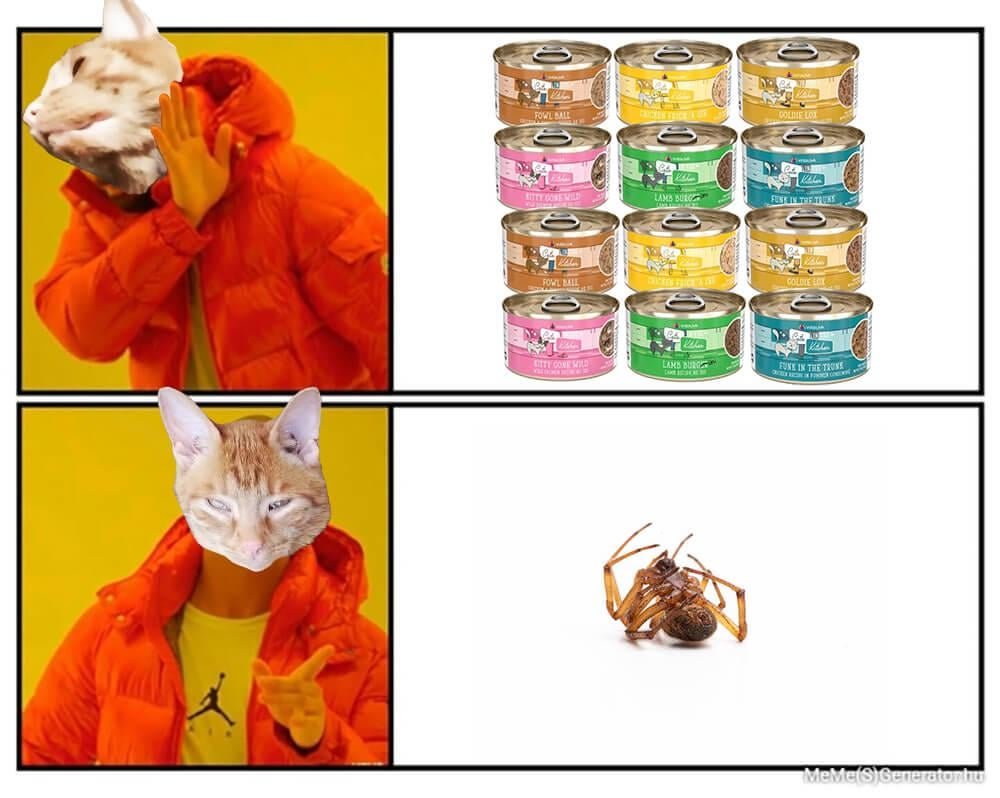
Have you ever caught your cat pawing at a buzzing fly or chasing a tiny bug across the floor? You might wonder, “Do cats eat bugs?” It’s a curious habit that many cat owners notice but don’t fully understand.
Knowing why your furry friend goes after insects can reveal surprising things about their behavior and health. Keep reading to uncover the truth behind this quirky habit and what it means for your cat’s well-being.
Credit: justcatsclinic.com
Cats And Insects: Natural Behavior
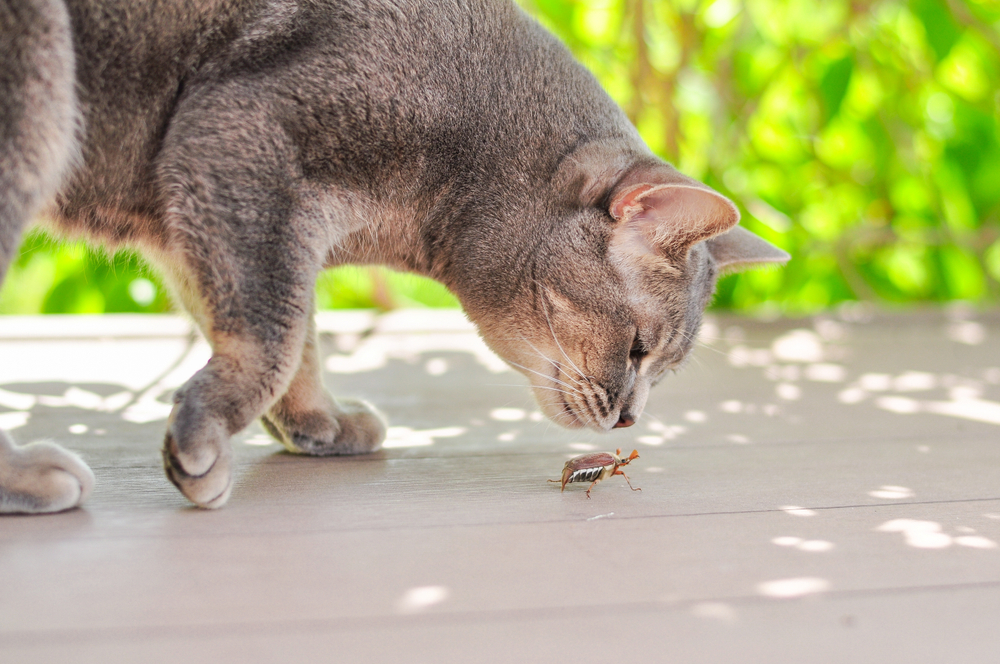
Cats have a natural curiosity about insects. This behavior is rooted deep in their instincts. Watching a cat chase bugs is common. It shows their playful and hunting nature. Bugs offer movement that catches a cat’s eye. This interaction connects to their wild ancestry.
Why Cats Chase Bugs
Cats chase bugs because of their sharp senses. Moving insects trigger a cat’s attention quickly. The sudden movement sparks a cat’s hunting drive. Chasing bugs helps cats practice their skills. It also provides mental stimulation and fun. For many cats, catching bugs is a game.
Common Bugs Cats Eat
Cats often catch small, soft-bodied insects. Some common bugs include:
- Flies
- Crickets
- Spiders
- Moths
- Ants
These bugs are easy to catch and swallow. They provide a small source of protein. Cats usually avoid harmful or large insects.
Hunting Instincts In Domestic Cats
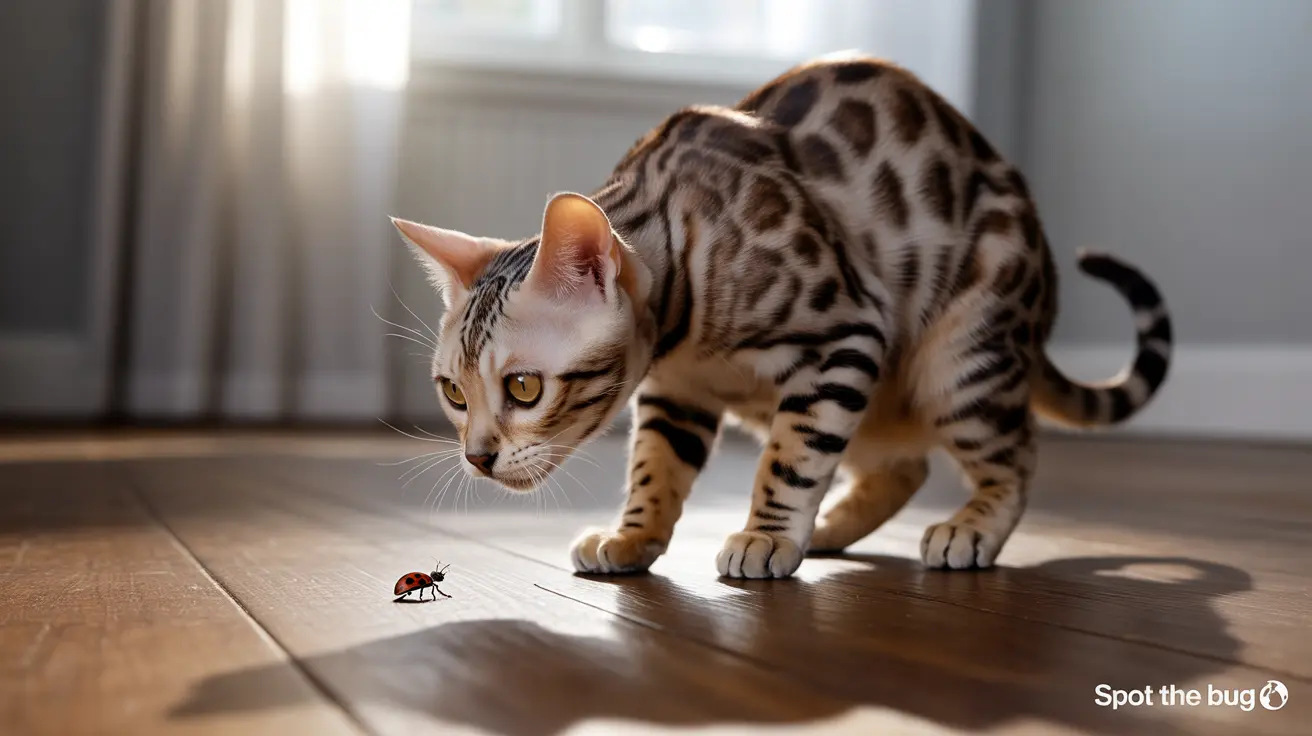
Even indoor cats keep their hunting instincts. These instincts come from wild ancestors. Cats use stalking and pouncing skills on bugs. Hunting bugs satisfies natural urges. It also keeps cats active and alert. Playing with toys can mimic bug chasing for indoor cats.
Health Benefits And Risks
Cats often catch and eat bugs during play or hunting. This behavior can bring both benefits and risks to their health. Understanding these can help cat owners manage their pets’ safety and nutrition better.
Nutritional Value Of Bugs
Bugs contain proteins and essential nutrients. They are a natural source of vitamins like B12 and minerals such as iron. Eating insects can supplement a cat’s diet in small amounts. Some bugs also offer healthy fats that support skin and fur health. This natural snack can keep cats active and mentally engaged.
Potential Dangers From Insects
Not all bugs are safe for cats. Some insects carry parasites or bacteria that cause illness. Others may have toxic chemicals from pesticides or plants. Stings or bites from certain bugs can cause allergic reactions or pain. Sharp parts of insects might injure a cat’s mouth or digestive tract.
When Bug Eating Becomes A Problem
Eating too many bugs can cause digestive upset like vomiting or diarrhea. Persistent bug hunting might lead to missing meals or weight loss. Some cats develop obsessive behaviors around insects, causing stress. Owners should watch for changes in behavior or health after bug eating. Veterinary advice is important if problems arise.
Preventing Harmful Bug Consumption
Cats naturally chase and eat bugs, but not all bugs are safe for them. Preventing harmful bug consumption is essential to keep your feline friend healthy and happy. Knowing how to control bugs safely and spotting signs of illness early can save your cat from serious health issues.
Safe Bug Control At Home
Using pet-safe products to control bugs around your home is a smart choice. Avoid harsh chemicals like pesticides or insecticides that can harm your cat if ingested. Instead, try natural options such as:
- Essential oil sprays (make sure they’re safe for cats)
- Sticky traps placed out of your cat’s reach
- Regular cleaning to reduce bug habitats
Keeping windows and doors screened also helps prevent bugs from entering. Have you noticed your cat sneaking outside to hunt bugs? Consider creating a screened outdoor space to keep them safe.
Signs Of Illness From Bugs
After a bug encounter, watch your cat closely for unusual behavior. Signs that your cat might be sick from eating a bug include:
- Vomiting or diarrhea
- Excessive drooling
- Lethargy or weakness
- Difficulty breathing or coughing
Even if your cat seems fine, some bug toxins take time to show symptoms. If you see any of these signs, don’t wait to get help.
Vet Advice On Bug Eating
Your veterinarian is the best source of advice if your cat eats bugs regularly. They can recommend safe repellents or treatments tailored to your home environment. Ask your vet about:
- Which bugs are most dangerous for your cat
- Preventive measures specific to your area
- Emergency steps to take if your cat shows symptoms
Have you ever discussed your cat’s bug-eating habits with a vet? Sharing this information can lead to better health outcomes for your pet.
Credit: www.petscare.com
Encouraging Healthy Play
Encouraging healthy play is important for cats’ happiness and health. Play helps them use their natural hunting skills. It also keeps them active and reduces stress. Providing safe and fun play options supports their well-being. Focus on toys and activities that mimic their natural prey and movement.
Toys That Mimic Bugs
Toys that look and move like bugs attract cats’ attention. Small, lightweight toys that flutter or crawl work well. Feathered wands, laser pointers, and battery-operated bugs create fun chase games. These toys satisfy hunting instincts without real bugs. Changing toys often keeps cats interested and active.
Balancing Hunting And Safety
Real bugs can carry germs or cause allergies. Avoid letting cats eat insects found outdoors or indoors. Use toys to replace live bugs for safer play. Supervise playtime to prevent choking on small toy parts. Keep hazardous items out of reach to protect curious cats.
Enriching Indoor Environments
Indoor cats benefit from varied play and stimulation. Create spaces with hiding spots, climbing areas, and puzzle feeders. Rotate toys regularly to maintain excitement. Use boxes, tunnels, and scratching posts to encourage natural behaviors. Enriching environments reduce boredom and encourage healthy activity.
Credit: www.petscare.com
Frequently Asked Questions
Do Cats Naturally Hunt And Eat Bugs?
Yes, cats have a natural hunting instinct. They often catch and eat bugs for fun or nutrition. Bugs provide protein and mental stimulation.
Are Bugs Safe For Cats To Eat?
Most bugs are safe, but some can be toxic. Avoid spiders, wasps, or bugs exposed to pesticides. Always monitor your cat’s behavior.
Why Do Cats Eat Bugs Indoors?
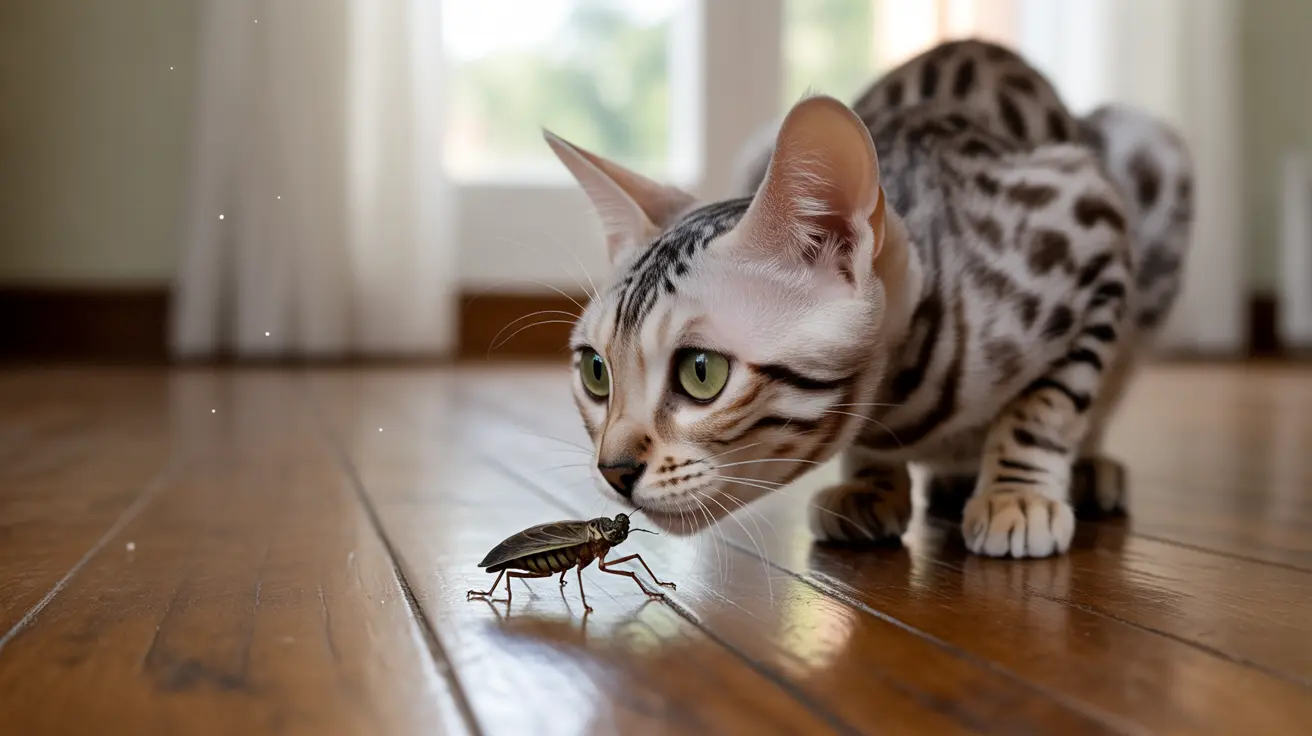
Cats eat bugs indoors due to curiosity and boredom. Bugs also mimic prey, triggering their hunting instincts. It helps keep cats entertained.
Can Eating Bugs Harm My Cat’s Health?
Occasionally eating bugs usually doesn’t harm cats. However, some bugs carry parasites or toxins. If your cat shows illness, consult a vet promptly.
Conclusion
Cats often chase and eat bugs. It’s part of their nature. Bugs provide some nutrients and mental stimulation. But not all bugs are safe for cats. Some can cause harm. Always watch your cat’s bug-eating habits. Ensure they stay healthy and safe.
If unsure, consult your vet for advice. Keep your home bug-free with safe methods. This helps protect your feline friend. Understanding your cat’s behavior keeps them happy. And healthy. So, observe and enjoy their playful antics.
