

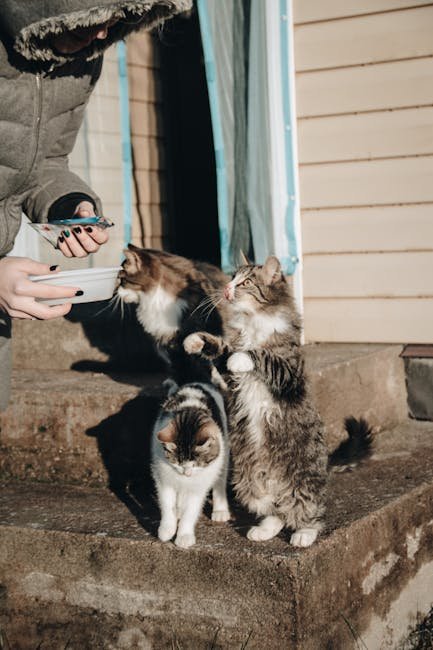
Have you ever noticed your cat’s mouth dripping unexpectedly and wondered, “Do cats drool?” It’s not something many people expect from these clean, graceful creatures. If you’ve seen your furry friend with wet whiskers or a little puddle beneath them, you’re probably curious about what it means.
Could it be a sign of happiness, or is there something more serious going on? Keep reading to discover the surprising reasons behind cat drooling and what you should do when it happens to your beloved pet.
Why Cats Drool
Cats sometimes drool when they feel very relaxed or happy. Drooling can also happen if their mouth hurts or if they taste something strange. Watching your cat’s drool helps understand their mood and health.
Cats are mysterious creatures, and their behaviors often leave us puzzled. One such curious behavior is drooling. While drooling is common in dogs, seeing a cat do it might raise some eyebrows. Understanding why your feline friend might drool can help you ensure their well-being and address any concerns promptly.Normal Reasons For Drooling
Cats might drool for perfectly normal reasons. One of the most common is pure contentment. When a cat is purring and kneading, a little drool may accompany their blissful state. Excitement can also trigger drooling. Some cats drool when they anticipate food or treats. This is similar to how humans might salivate when they think of their favorite meal. Another benign reason is teething in kittens. Like human babies, kittens may drool as their new teeth come in.Breed-specific Traits
Certain cat breeds are more prone to drooling. For example, the Maine Coon and the Ragdoll are known to drool more than other breeds. This tendency can be attributed to their genetic makeup. You might notice this trait if you own one of these breeds. Does your cat drool more than others? It might just be part of their charming personality. Understanding your cat’s breed-specific traits can help you better cater to their needs. Have you observed any other quirky behaviors in your cat? Each cat is unique, and learning these traits can deepen your bond.Health Issues Linked To Drooling
Drooling in cats can sometimes signal more than just a momentary reaction. It may point to underlying health issues that require your attention. Understanding these health problems can help you catch potential concerns early and keep your feline friend comfortable.
Dental Problems
Dental issues are a common reason why cats drool excessively. Problems like gingivitis, tooth decay, or broken teeth can cause pain and make your cat salivate more than usual.
If you notice your cat pawing at their mouth or avoiding food, it might be linked to dental discomfort. Regular dental check-ups and cleanings can prevent many of these problems.
Oral Infections
Oral infections, such as stomatitis or abscesses, can cause drooling and bad breath. These infections often make eating painful and can quickly worsen without treatment.
Have you ever seen your cat drooling along with swelling around the jaw or face? These are signs you shouldn’t ignore. Prompt veterinary care is crucial to treat infections before they spread.
Nausea And Stress
Drooling isn’t always about the mouth. Cats may drool when they feel nauseous or stressed. Motion sickness during car rides or anxiety from a new environment can trigger excessive salivation.
Think about your cat’s behavior—are they drooling when traveling or visiting the vet? Understanding these triggers can help you reduce your cat’s stress and improve their well-being.
When Drooling Signals Danger
Drooling in cats is often harmless, but there are moments when it signals something serious. Recognizing these signs early can save your furry friend from discomfort or worse. Let’s look at key situations where drooling might indicate danger and what you should watch out for.
Toxins And Poisoning
If your cat suddenly starts drooling excessively, toxins could be the cause. Cats might ingest harmful plants, chemicals, or spoiled food without you noticing. Along with drooling, watch for vomiting, lethargy, or shaking—these are red flags that need immediate vet attention.
Have you ever caught your cat nibbling on something suspicious? It’s worth checking your home for common poisons like antifreeze, certain houseplants, or human medications. Quick action can prevent serious harm.
Heatstroke Concerns
Drooling can also be a sign of heatstroke, especially in hot weather or if your cat is trapped in a warm space. Cats don’t sweat like humans, so they rely on panting and drooling to cool down.
If you notice your cat drooling alongside heavy breathing, weakness, or a bright red tongue, act fast. Move your cat to a cooler area and offer water, then get veterinary help immediately.
Foreign Objects In Mouth
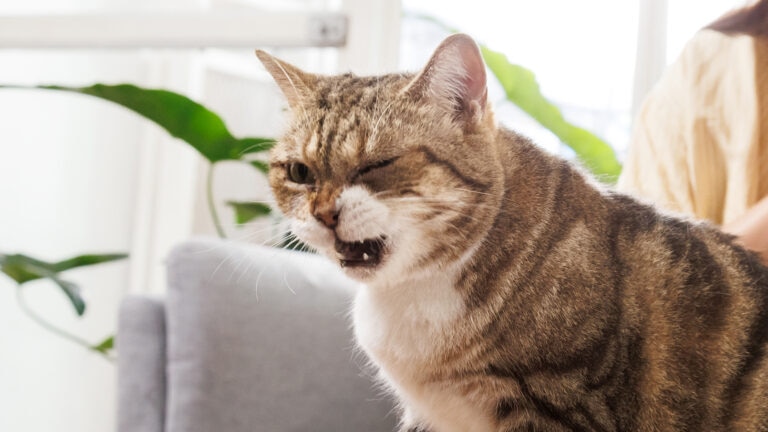
Sometimes drooling happens because your cat has something stuck in its mouth. A small stick, a piece of string, or even a broken tooth can cause irritation and excessive saliva.
Check your cat’s mouth gently if you see drooling with pawing at the face or difficulty eating. If you find something lodged or notice swelling, don’t try to remove it yourself—visit your vet to avoid injury.
Credit: www.chewy.com
How To Manage Excessive Drooling
Excessive drooling in cats can be worrying for any pet owner. Managing this issue effectively means paying close attention to your cat’s daily habits and health. By taking simple, consistent steps, you can reduce drooling and ensure your cat stays comfortable and healthy.
Regular Dental Care
Dental problems often cause drooling, so keeping your cat’s teeth clean is essential. Brush your cat’s teeth gently using a pet-safe toothpaste a few times a week. If your cat resists, try dental wipes or special dental treats designed to reduce plaque buildup.
Regular dental check-ups with your vet help catch issues early. Have you noticed your cat chewing on one side or avoiding dry food? These signs might suggest dental pain that leads to drooling.
Monitoring Eating Habits
Watch how your cat eats and drinks. Sometimes drooling happens because of discomfort caused by certain foods or eating too quickly. Try offering softer food or smaller portions to see if the drooling decreases.
Observe if your cat drools more after eating specific treats or wet food brands. Changing their diet might stop the excessive drooling without much hassle. Are you paying attention to these little details during feeding time?
When To Visit The Vet
If you notice drooling accompanied by other symptoms like bad breath, pawing at the mouth, or a change in appetite, it’s time for a vet visit. These signs can indicate infections, oral injuries, or other medical issues that require professional care.
Unexpected or sudden drooling could also signal poisoning or a foreign object stuck in your cat’s mouth. Don’t wait for the problem to worsen—early intervention can save your cat from discomfort and serious health risks.
Drooling And Cat Behavior
Cats drool for several reasons linked to their behavior and emotions. It is not very common, but drooling often shows a cat’s state of mind or feelings. Understanding why cats drool helps owners read their pets better.
Drooling can mean relaxation or trust. Cats have unique ways to express comfort and affection, and drooling is one of these signals. Observing your cat closely can reveal what their drooling means.
Signs Of Relaxation
A calm cat may drool slightly while resting or purring. This shows they feel safe and at ease. Relaxed cats often squint their eyes and lie stretched out.
Drooling during petting or after a meal can also indicate contentment. It is a natural response to feeling good. Such drooling is usually light and not constant.
Bonding And Affection
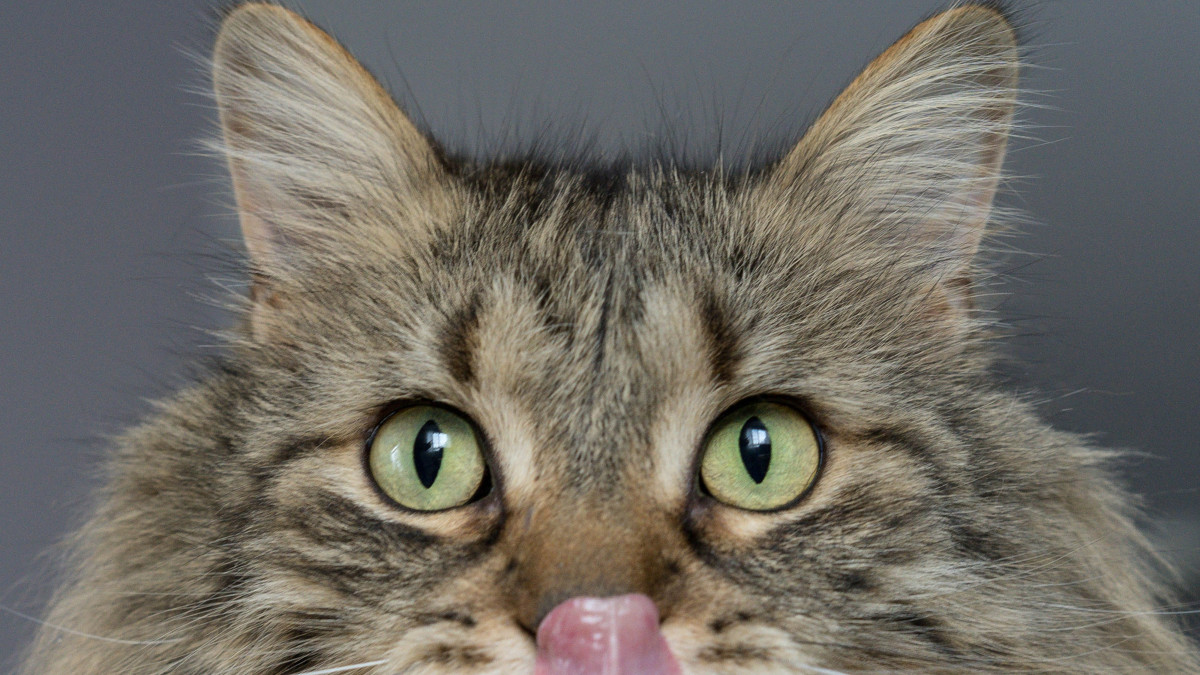
Cats sometimes drool to show love and trust. They may drool when near their favorite person or another cat. This behavior strengthens social bonds.
Mother cats drool while grooming their kittens. Adult cats may do the same when they feel close to their owner. It is a gentle, affectionate sign.
Credit: pethelpful.com

Credit: www.reddit.com
Frequently Asked Questions
Do Cats Normally Drool Like Dogs?
Cats rarely drool; it’s uncommon and usually linked to stress or illness. Unlike dogs, cats don’t drool regularly during relaxation or excitement.
Why Does My Cat Drool When Petted?
Some cats drool when petted due to pleasure or relaxation. However, excessive drooling may indicate dental issues or nausea.
Can Drooling In Cats Signal Health Problems?
Yes, drooling can indicate dental disease, mouth injury, nausea, or poisoning. If drooling is frequent, consult a veterinarian promptly.
How To Stop My Cat From Drooling?
Identify the cause first by observing symptoms. Dental care, reducing stress, or veterinary treatment can help control drooling effectively.
Conclusion
Cats drool sometimes, but it is not very common. Small amounts can happen when they feel relaxed or happy. Large or constant drooling may signal a health problem. Watch your cat closely for other signs of illness. Always consult a vet if drooling seems unusual or excessive.
Understanding your cat’s drooling helps keep them healthy and comfortable. Pay attention and care for your furry friend every day.
