

Have you ever noticed your cat sneezing or acting a bit under the weather? You might wonder, “Do cats catch colds like humans do?”
It’s natural to worry when your furry friend isn’t feeling their best. Understanding whether your cat can catch a cold and how to spot the signs can help you take better care of them. Keep reading to discover what causes these symptoms in cats, what you should watch for, and how to help your pet feel better fast.
Credit: www.diamondpet.com
Cat Colds Explained
Have you ever noticed your cat sneezing or having a runny nose and wondered if they could catch a cold like humans do? Understanding cat colds is key to knowing how to care for your furry friend when they show signs of illness. Cat colds, often caused by viruses, affect their respiratory system and can be quite distressing for both cats and their owners.
What Causes Cat Colds?
Cat colds are mainly caused by viruses, such as the feline herpesvirus and calicivirus. These viruses spread easily, especially in places where many cats gather, like shelters or multi-cat homes.
Stress, poor nutrition, or a weakened immune system can make your cat more vulnerable to catching these infections. Have you noticed your cat getting sick after a stressful event like moving or introducing a new pet?
Common Symptoms To Watch For
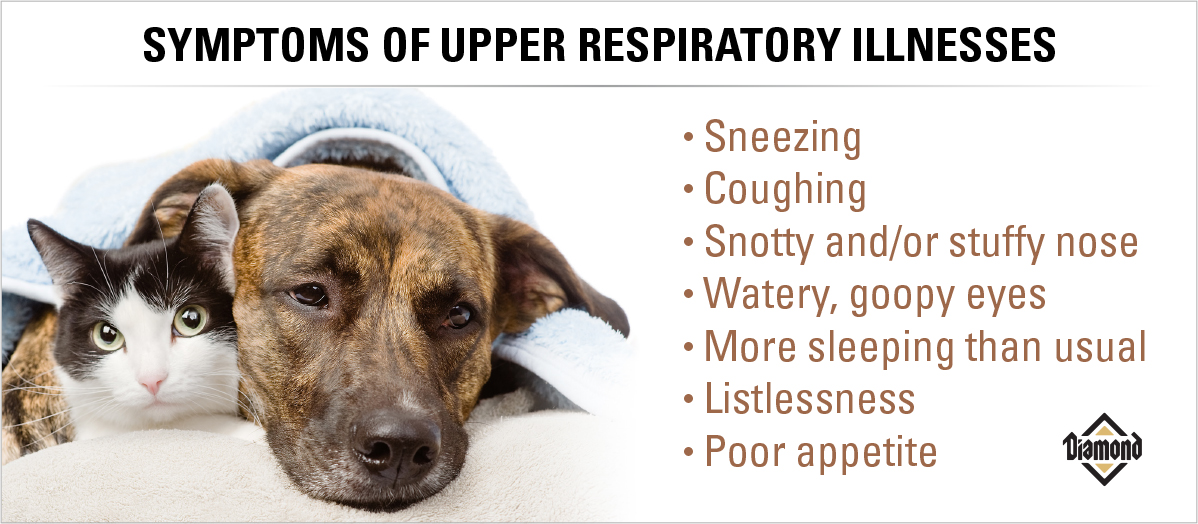
Symptoms of a cat cold include sneezing, coughing, watery eyes, and nasal discharge. Your cat may also lose appetite or become less active.
Recognizing these signs early helps you act quickly to comfort your cat and prevent the illness from worsening. Have you ever missed these subtle signs and then felt helpless as your cat’s condition worsened?
How Cat Colds Spread
Cat colds spread through direct contact with infected cats or contaminated objects like food bowls and bedding. Airborne droplets from sneezes can also transmit the virus.
Keeping your cat’s environment clean and minimizing contact with sick cats can reduce their risk. Think about your cat’s daily routine—are there any opportunities for exposure you could control?
When To See A Vet
If your cat’s symptoms last more than a week or worsen, it’s time to consult a vet. Difficulty breathing, high fever, or refusal to eat require immediate attention.
Your vet can prescribe medications or supportive care that will help your cat recover faster. Don’t hesitate to seek professional advice—you’re your cat’s best advocate.
Credit: www.whiskas.com.ph
Symptoms Of Feline Colds
Recognizing the symptoms of feline colds can help you act quickly to ease your cat’s discomfort. Just like humans, cats show clear signs when they’re feeling under the weather. Paying attention to these symptoms early on can prevent complications and keep your furry friend healthier.
Sneezing And Runny Nose
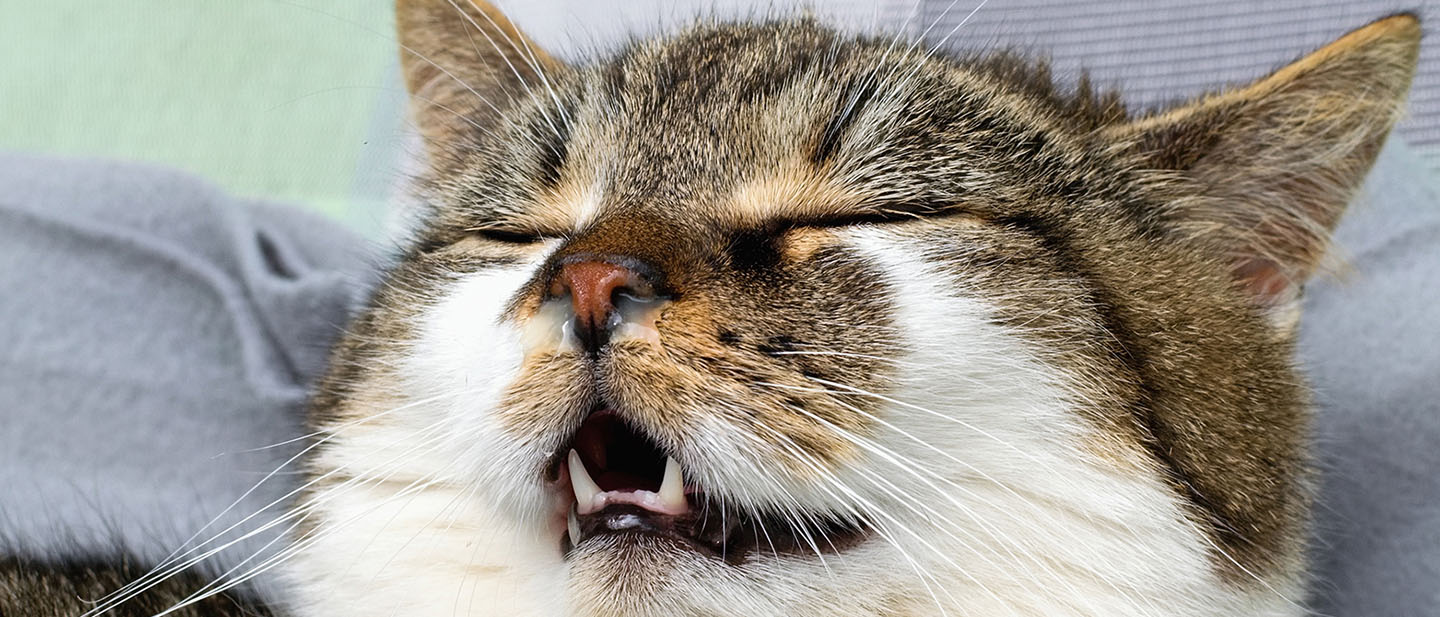
Sneezing is one of the most obvious signs that your cat might have a cold. If you notice your cat sneezing repeatedly, it could be more than just a random sniffle.
A runny nose often accompanies sneezing, with clear or cloudy discharge. Keep an eye on the color and consistency; thick yellow or green mucus might suggest a bacterial infection requiring vet attention.
Watery Eyes
Watery or teary eyes are common in cats with colds. Your cat’s eyes may look shiny or even swollen from irritation.
Sometimes you’ll see a thin discharge, which can make their face look a bit messy. If your cat’s eyes start to crust over or look red, that’s a sign you should consult your vet.
Coughing And Wheezing
Coughing isn’t as common in cats as sneezing, but it can happen when the respiratory system is irritated. Wheezing or labored breathing are serious symptoms that suggest your cat’s airways are inflamed.
If you notice your cat coughing frequently or struggling to breathe, it’s crucial to get professional help immediately. These symptoms can escalate quickly and affect your cat’s overall health.
Loss Of Appetite
When cats catch colds, their appetite often drops. You might find your cat turning away from their favorite food or eating less than usual.
This can lead to weakness and slower recovery, so encouraging your cat to eat is important. Try offering warm, tasty meals or small frequent portions to tempt their appetite.
Causes Of Cat Colds
Understanding what causes cat colds can help you protect your furry friend better. Just like humans, cats catch colds due to various reasons. Knowing these causes allows you to spot symptoms early and take action quickly.
Viral Infections
Viruses are the most common cause of cat colds. The feline herpesvirus and calicivirus are usual suspects behind sneezing, runny noses, and watery eyes. These viruses spread easily when cats share food bowls or grooming tools.
Have you noticed your cat sneezing after meeting other cats? It might be a viral infection making its way through your pet’s environment.
Bacterial Infections
Bacteria often join the party after a viral infection weakens your cat’s immune system. Common bacteria like Bordetella and Chlamydophila can cause additional respiratory issues. These infections can prolong your cat’s discomfort and require veterinary care.
Keep an eye on your cat if symptoms worsen or last more than a week; bacterial infections might be the hidden cause.
Environmental Factors
Environmental irritants can trigger cold-like symptoms in cats. Dust, cigarette smoke, strong perfumes, or even sudden changes in temperature stress your cat’s respiratory system. These factors don’t cause infections but can make your cat more vulnerable to colds.
Think about your home environment—could there be something irritating your cat’s nose and throat?
Prevention Tips For Cat Colds
Keeping your cat healthy and free from colds involves more than just quick fixes. You have to actively create an environment that supports their immune system and minimizes exposure to viruses. Small changes in your daily routine can make a big difference in preventing those sniffles and sneezes.
Vaccination
Vaccines are a powerful tool to protect your cat from common respiratory infections. Check with your vet about vaccines specifically designed to prevent feline viral infections that cause cold-like symptoms.
Vaccinating your cat not only shields them but also helps stop the spread of viruses to other pets. Have you ever noticed how a vaccinated cat bounces back faster after exposure to germs?
Proper Hygiene
Cleanliness plays a crucial role in preventing cat colds. Regularly wash your cat’s bedding, toys, and feeding areas to eliminate germs that might linger.
Also, wash your hands before and after handling your cat, especially if you have other pets. This simple habit drastically reduces the chance of passing viruses between animals.
- Disinfect litter boxes and feeding bowls frequently.
- Keep your cat’s living space well-ventilated and free from dust.
- Limit your cat’s contact with unknown animals that might carry infections.
Stress Reduction
Stress weakens a cat’s immune system, making colds more likely. Creating a calm and stable environment can help your cat fight off infections naturally.
Think about times your cat seemed stressed—maybe during a move or introduction of a new pet. Did you notice an increase in sneezing or lethargy afterward?
To reduce stress, provide your cat with quiet spaces, consistent routines, and plenty of playtime. Sometimes, the best medicine is simply a peaceful home.
Home Remedies For Cat Colds
Cat colds can make your pet feel miserable. Mild cases often improve at home with simple care. Home remedies help ease symptoms and support healing. These methods focus on comfort and boosting your cat’s natural defenses.
Humidifiers
Humidifiers add moisture to the air. This helps clear your cat’s stuffy nose and throat. Use a cool-mist humidifier near your cat’s resting area. Keep the room warm but not hot. Moist air soothes irritated airways and reduces coughing.
Warm Compresses
Applying warm compresses helps relieve sinus pressure. Use a soft cloth soaked in warm water. Wring it out and gently place it on your cat’s face. This can ease discomfort and promote drainage. Always check the temperature to avoid burns.
Nutrient-rich Diet
A healthy diet supports your cat’s immune system. Provide high-quality, easy-to-digest food. Include wet food to keep your cat hydrated. Nutrient-rich meals help your cat fight infection faster. Fresh water should always be available.
When To See A Veterinarian
Knowing when to take your cat to the veterinarian can make a big difference in their recovery. While many cats bounce back from mild colds on their own, certain signs show that professional care is necessary. Paying close attention to your cat’s condition helps you decide the right moment to seek help.
Persistent Symptoms
If your cat’s cold symptoms last more than 10 days without improvement, it’s time to call the vet. Constant sneezing, coughing, or nasal discharge that doesn’t clear up can signal a deeper infection. Ignoring these signs might let the illness worsen, so don’t wait too long.
Severe Dehydration
Dehydration is a serious concern when your cat stops eating or drinking due to a cold. You can check dehydration by gently lifting the skin on the back of their neck—if it doesn’t snap back quickly, your cat may be dehydrated. This situation requires immediate veterinary attention to prevent further complications.
Respiratory Distress
Watch for rapid or labored breathing, wheezing, or persistent coughing. These symptoms show that your cat might be struggling to get enough air. If you notice any of these signs, don’t hesitate to take your cat to the vet right away; breathing problems can escalate quickly.
Myths About Feline Colds
Cats can catch colds, but many ideas about these feline colds are not true. Myths often confuse pet owners about how cats get sick and recover. Clearing up these myths helps keep cats healthy and safe.
Transmission To Humans
People cannot catch colds from cats. Feline colds are caused by viruses that only affect cats. These viruses do not spread to humans. It is safe to cuddle and care for a sick cat without fear of catching a cold.
Immunity After Recovery
Cats do not always become immune after a cold. Some viruses can infect a cat again later. Immunity depends on the virus type and the cat’s health. Vaccines may help protect cats, but they do not guarantee full immunity.
Credit: www.republicofcats.com
Frequently Asked Questions
Do Cats Get Colds Like Humans?
Yes, cats can catch colds, often caused by feline herpesvirus or calicivirus. Their symptoms resemble human colds, like sneezing and runny nose.
What Are Common Cold Symptoms In Cats?
Common symptoms include sneezing, nasal congestion, watery eyes, coughing, and mild fever. Cats may also show loss of appetite and lethargy.
How Do Cats Catch Colds?
Cats catch colds through close contact with infected cats or contaminated surfaces. The viruses spread via sneezes, coughs, or shared food and water bowls.
Can Cat Colds Be Treated At Home?
Mild cat colds may improve with rest, hydration, and a warm environment. However, veterinary care is needed if symptoms worsen or persist beyond a week.
Conclusion
Cats can catch colds, just like people do. Their colds usually come from viruses or bacteria. You might see sneezing, coughing, or watery eyes in your cat. Most colds get better with rest and care at home. Keep your cat warm and give fresh water often.
If symptoms last or get worse, visit a vet quickly. Knowing how to spot a cold helps protect your cat’s health. Take simple steps to keep your cat happy and healthy. Small actions make a big difference in your cat’s well-being.
