

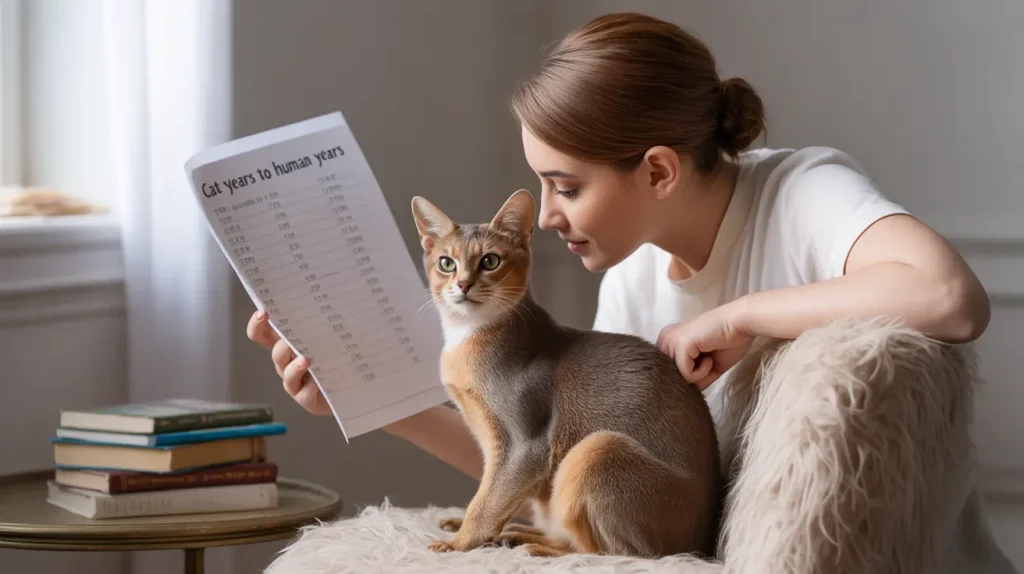
Have you ever wondered if your cat ages the same way a dog does? If you’re like many pet owners, you probably want to understand how your furry friend’s years translate into human time.
Knowing how cats age compared to dogs can help you care for them better and keep them healthy for longer. You’ll discover surprising facts that might change the way you think about your pet’s age and wellbeing. Keep reading to find out how your cat’s aging process really works—and what it means for your relationship with them.

Credit: www.theguardian.com
Cat Vs Dog Aging
Cats and dogs age differently, with cats often maturing faster in early years. Dogs’ aging varies by breed and size, making comparisons tricky. Understanding these differences helps pet owners care better for their furry friends.
Cats and dogs are beloved pets, yet they age differently. Understanding their aging process helps ensure their well-being. Let’s explore the unique ways cats and dogs age.Differences In Lifespan
Cats often live longer than dogs. Many cats reach 15 years or more. Dogs’ lifespan varies by breed. Small dogs can live 15 years, while larger breeds may live 8-12 years. Cats’ consistent lifespan often surprises dog owners.Growth Stages Compared
Kittens grow fast in the first year. They reach adulthood by age one. Cats mature slower after the first year. Puppies mature at different rates. Small breeds mature by one year. Large breeds take up to two years. Cats and dogs both have senior years. Senior age starts earlier for dogs. Cats remain active longer in their senior years.
Credit: snuggle.upworthy.com
Feline Aging Milestones
Cats grow and change through distinct life stages. Each stage brings new behaviors and needs. Understanding these milestones helps owners care for their feline friends better. Cats do not age exactly like dogs. Their aging process has unique signs and phases.
Kitten To Adult Transition
Kittens grow fast during their first year. They learn to explore and play actively. By one year, most cats reach adult size. They become more independent and calm. Their energy levels may drop slightly. Proper nutrition supports healthy growth and development.
Middle Age Signs
Middle age for cats starts around 7 years. Cats may show less activity and more rest. Weight changes can appear, either gain or loss. Grooming habits might slow down. Some cats develop mild health issues. Regular vet checkups catch problems early.
Senior Cat Characteristics
Senior cats are usually 11 years or older. They often sleep more and move less. Joint stiffness or arthritis may occur. Senses like hearing and sight can decline. Eating habits might change, requiring diet adjustments. Extra care and patience are important for comfort.
Factors Influencing Cat Aging
Understanding why some cats seem to age faster or slower than others can help you provide better care for your furry friend. Several key factors influence how your cat’s body changes over time. These elements can shape their health, behavior, and overall lifespan.
Genetics And Breed Impact
Your cat’s genes play a huge role in how they age. Some breeds naturally live longer and show fewer age-related health problems. For example, Siamese cats often have longer lifespans than certain larger breeds.
Genetics can also determine if your cat is prone to specific diseases like kidney problems or heart conditions. Knowing your cat’s breed history can prepare you for potential health issues and guide you in monitoring their well-being.
Diet And Nutrition Role
What your cat eats directly affects how they age. A balanced diet rich in essential nutrients supports healthy organs and maintains energy levels. Poor nutrition can speed up aging by causing obesity, weakening the immune system, or damaging organs.
Have you noticed how some cats stay active and playful well into their senior years? Often, that’s because their owners focus on quality food tailored to their needs. Consider discussing diet adjustments with your vet as your cat grows older.
Environment And Lifestyle Effects
The space your cat lives in and how active they are also influence their aging process. Indoor cats tend to live longer since they avoid many outdoor dangers like accidents or infections. However, lack of exercise can lead to obesity and joint problems.
Try adding playtime or climbing structures to keep your cat moving. Stress levels matter too—quiet and stable environments help slow down aging by reducing anxiety and boosting the immune system. What small changes can you make today to improve your cat’s daily life?
Credit: snuggle.upworthy.com
Health Changes In Older Cats
As cats grow older, their bodies and minds undergo many changes. These changes can affect their health and daily life. Understanding these health shifts helps owners provide better care. Older cats need more attention to stay comfortable and happy. Recognizing signs early can improve their quality of life.
Common Age-related Diseases
Older cats often face health problems. Kidney disease is common and can cause weight loss. Arthritis affects joints and makes movement painful. Dental disease leads to bad breath and eating difficulties. Hyperthyroidism speeds up metabolism and causes weight loss. Diabetes can develop, requiring careful diet and medicine.
Behavioral Shifts
Senior cats may act differently. They might sleep more and play less. Some cats become more vocal or anxious. Others hide or avoid people and pets. Changes in litter box habits can signal health issues. Patience and observation help catch problems early.
Physical Appearance Changes
Older cats show visible signs of aging. Their fur can become thinner or dull. Weight loss or gain may occur. Eyes may look cloudy or less bright. Muscle loss can make them appear bonier. Grooming habits might decrease, leading to a messy coat.
Caring For Aging Cats
Caring for aging cats requires special attention to their changing needs. Older cats often face health challenges that need gentle care and patience. Adjusting their lifestyle helps them stay comfortable and happy in their senior years.
Diet Adjustments
Older cats need food that supports their aging bodies. Choose diets rich in protein but low in calories. This helps maintain muscle and control weight. Look for foods with added vitamins and minerals. These nutrients support joint health and boost immunity. Avoid sudden diet changes to prevent stomach upset.
Exercise And Mental Stimulation
Keeping aging cats active is essential. Gentle play helps maintain muscle tone and flexibility. Use soft toys and short play sessions. Mental stimulation keeps their minds sharp. Puzzle feeders and new toys encourage curiosity. Regular interaction prevents boredom and loneliness.
Regular Vet Checkups
Frequent vet visits catch health problems early. Schedule checkups at least twice a year. The vet checks weight, teeth, and organ function. Vaccinations and parasite control remain important. Early diagnosis can improve treatment success. Keep a health journal to track changes and concerns.
Myths About Cat Aging
Many people believe cats age just like dogs, but this is not true. Cats grow and age differently. Myths about cat aging confuse pet owners. Understanding these myths helps care better for cats.
Age Conversion Myths
People often use the dog aging formula for cats. This means multiplying cat years by seven. This method is inaccurate. Cats mature faster in the first two years.
For example, a 1-year-old cat is like a 15-year-old human. A 2-year-old cat equals about 24 human years. After that, each cat year equals about 4 human years.
Misconceptions On Activity Levels
Many think older cats become lazy and stop playing. Cats stay active longer than dogs do. Older cats might change activity types, but they still enjoy playtime.
Changes in activity often relate to health, not age alone. Regular play helps maintain cat health and happiness at all ages.
False Beliefs On Health Decline
People assume cats get sick quickly as they age. Aging cats can stay healthy for many years. Good diet, exercise, and vet visits help prevent illness.
Not all health issues are due to age. Early detection and care improve quality of life for older cats.
Frequently Asked Questions
How Do Cats Age Compared To Dogs?
Cats age differently than dogs; their aging process is slower. Cats mature quickly in the first two years. After that, they age about four cat years per human year, while dogs’ aging varies by breed and size.
At What Age Do Cats Become Senior?
Cats are considered senior around 11 years old. This stage reflects slower metabolism and possible health changes. Regular vet check-ups become crucial to detect age-related issues early and maintain quality of life.
Can Cat And Dog Aging Be Directly Compared?
Direct comparison is difficult due to species differences. Cats age more uniformly, while dogs’ aging depends on breed and size. Understanding each pet’s unique aging helps provide better care and timely medical attention.
Why Do Dogs Age Faster Than Cats?
Dogs generally age faster due to genetic factors and size differences. Larger dog breeds have shorter lifespans and quicker aging. Cats tend to live longer, partly because they maintain stable health longer into old age.
Conclusion
Cats and dogs do not age the same way. Cats mature quickly in their first years. Dogs’ aging depends on their size and breed. Knowing these differences helps care for pets better. Treat your cat with love and attention. Watch for health changes as they grow.
Aging pets need patience and gentle care. Understanding their aging keeps them happy and healthy. Each pet’s life is special and unique. Caring well makes their years full of joy.
