


Have you ever wondered if bobcats pose a threat to your house cat? It’s a question that worries many pet owners, especially those living near wooded areas.
Understanding what bobcats eat and whether your furry friend could be at risk is important for keeping your pet safe. You’ll discover the truth about bobcats and house cats, learn how to protect your pet, and find out what signs to watch for.
Keep reading to get the facts every cat owner needs to know.

Credit: www.willyswilderness.org
Bobcats: Nature’s Stealthy Predators
Bobcats are fascinating creatures that roam silently through forests and suburban edges. Their ability to blend into their surroundings makes them expert hunters. Understanding their hunting habits helps you better protect your pets and appreciate these wild neighbors.
Physical Traits That Make Bobcats Stealthy
Bobcats have sharp vision and excellent hearing, allowing them to detect prey from a distance. Their padded paws help them move quietly, almost like a shadow. These physical features give them an edge over smaller animals, including house cats.
How Bobcats Hunt And What They Prefer
Bobcats are ambush predators. They wait patiently, then strike swiftly at their prey. They mostly hunt rabbits, birds, and rodents but can also target small pets if given the chance.
Are House Cats At Risk From Bobcats?
While bobcats don’t usually hunt house cats, it can happen, especially in rural or suburban areas where their territories overlap. Outdoor cats wandering too far from home become vulnerable. You might wonder, is your cat safe outside at dusk or dawn when bobcats are most active?
Diet Of Bobcats
Bobcats are skilled hunters with a diet shaped by their environment. They eat a variety of animals depending on availability. Their eating habits help control populations of many small creatures. Understanding what bobcats eat sheds light on their behavior and their impact on ecosystems.
Common Prey
- Rabbits and hares are the main food source.
- Rodents like mice and squirrels are regularly hunted.
- Birds, especially ground-nesting types, make up a large part.
- Deer fawns can be targeted when other prey is scarce.
Occasional Meals
- Bobcats sometimes eat insects and reptiles.
- Fish may be caught near water bodies.
- Small domestic animals, including house cats, can be prey.
- They may scavenge carrion if fresh food is rare.
Encounters Between Bobcats And House Cats
Encounters between bobcats and house cats can be unsettling for pet owners. These wild cats are skilled hunters and share some environments with domestic felines, raising concerns about safety. Understanding where and why these interactions happen helps you protect your pets better.
Habitat Overlap
Bobcats thrive in wooded areas, rocky terrain, and sometimes suburban neighborhoods. If your home is near forests or large green spaces, your house cat may unknowingly wander into bobcat territory.
Bobcats don’t usually enter heavily urban areas, but they are adaptable and can move through backyards and parks. This overlap increases the chances of crossing paths, especially during dawn or dusk when both cats are most active.
Factors Leading To Attacks
Bobcats typically avoid humans and their pets, but several factors can lead to attacks on house cats:
- Food scarcity:When natural prey is low, bobcats may target smaller animals like house cats.
- Territorial defense:A bobcat might attack if it feels threatened or if a house cat enters its territory.
- Curiosity or mistaken identity:Sometimes, bobcats might be drawn to unfamiliar animals, especially if your cat roams outdoors freely.
Have you noticed your cat acting unusually cautious near the yard’s edge? This could be a sign of bobcat presence. Keeping your cat indoors during peak bobcat activity hours can reduce risks significantly.
Evidence And Case Studies
Understanding the interactions between bobcats and house cats requires looking at real-life evidence. This section explores documented cases and expert views. It helps clarify whether bobcats actually prey on house cats. The facts come from wildlife reports and scientific studies.
Documented Incidents
Several reports confirm bobcats have attacked house cats. These incidents often occur in suburban or rural areas near wild habitats. Homeowners have found injured or missing cats after sightings of bobcats nearby. Wildlife officers sometimes recover remains of house cats in bobcat territories.
- In 2019, a neighborhood reported multiple cat disappearances linked to bobcats.
- Wildlife cameras captured a bobcat carrying a small domestic cat in 2021.
- Local animal control documented cases where pets were attacked during dawn or dusk.
These real cases suggest bobcats see house cats as potential prey. The risk increases where wild and residential areas overlap.
Expert Opinions
Wildlife experts confirm bobcats are opportunistic hunters. They prefer rabbits and rodents but will hunt cats if available. Experts say house cats often roam at night, increasing their risk. They warn pet owners to keep cats indoors or supervised.
Biologists note bobcats avoid humans but follow easy food sources. A free-roaming cat may seem like a small, vulnerable animal to a bobcat. Experts emphasize that not all bobcats hunt house cats, but the possibility exists.
- Experts recommend securing pets during bobcat activity seasons.
- They advise removing food sources that attract wild animals to yards.
- Conservationists stress coexistence by respecting wildlife and managing pet safety.
Preventing Bobcat Attacks
Preventing bobcat attacks on house cats is a concern for many pet owners living near wooded or rural areas. Understanding how to keep your pets safe without disrupting local wildlife is key. You can take several simple, effective steps to reduce risks and protect your furry friends.
Protective Measures
Keeping your cats indoors, especially at dawn and dusk, greatly lowers the chance of a bobcat encounter. If your cat enjoys outdoor time, create a secure enclosure or use a leash to maintain control.
Remove food sources that attract bobcats, such as pet food left outside or unsecured garbage. Trim dense bushes and tall grass near your home to eliminate hiding spots for predators.
Installing motion-activated lights or sprinklers can scare away bobcats before they get too close. Have you tried these tools around your yard yet?
Community Awareness
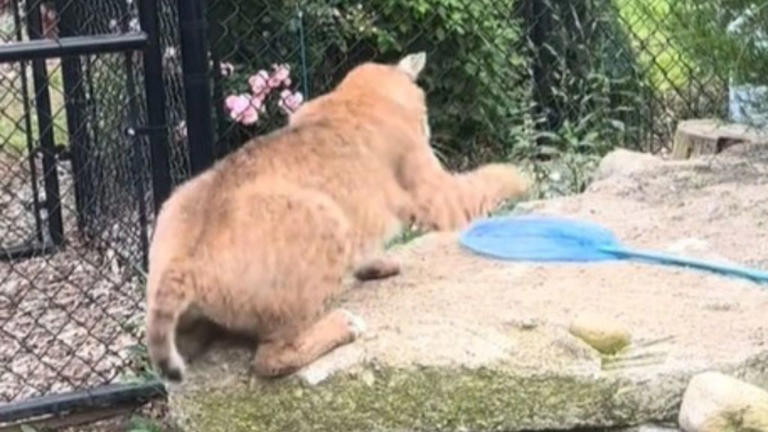
Sharing information with neighbors about recent bobcat sightings helps everyone stay alert. Local groups or social media pages can be great platforms for updates and safety tips.
Organize or participate in community meetings to discuss wildlife safety and prevention strategies. The more people involved, the stronger the neighborhood’s defense against potential bobcat threats.
Have you noticed how a well-informed community can reduce risks significantly? Encourage your neighbors to keep their pets safe too.
Credit: www.msn.com
Understanding Bobcat Behavior
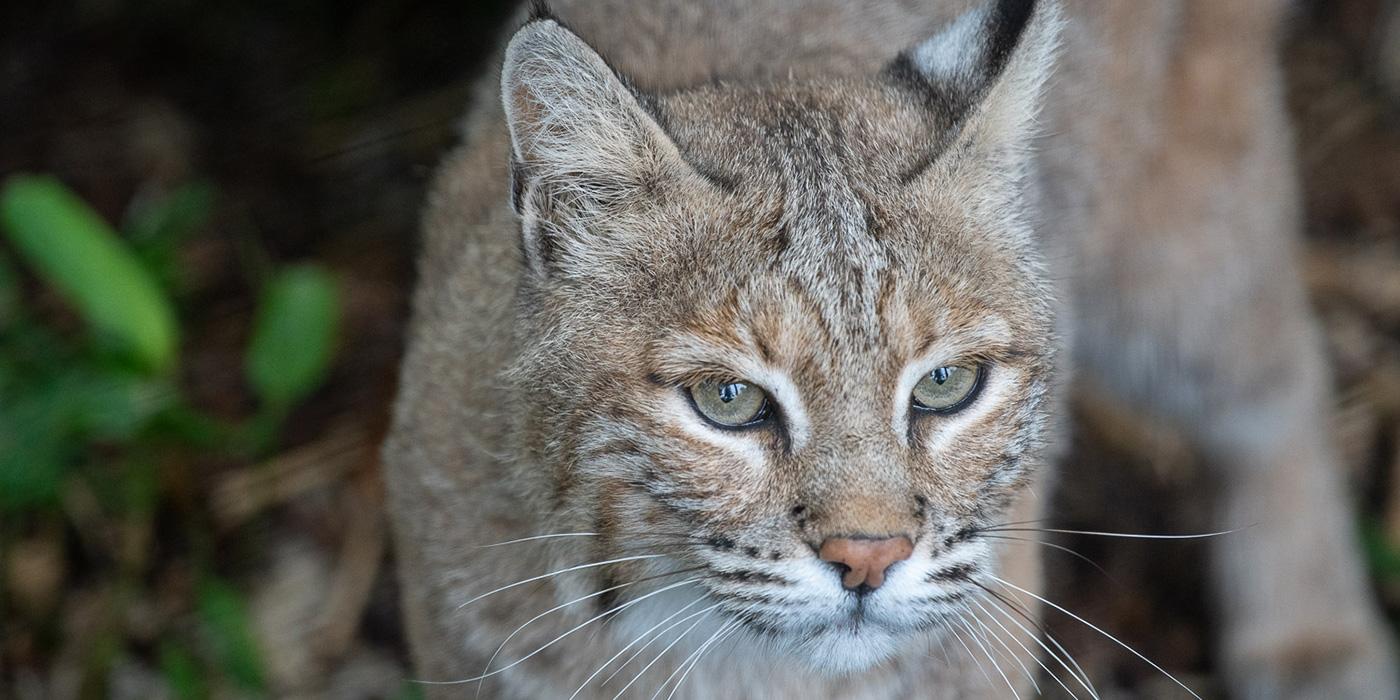
Understanding bobcat behavior is key to knowing if they pose a threat to house cats. Bobcats are wild animals with specific habits. Their actions are driven by survival, food, and territory. Observing how they behave helps us see how often they might hunt near homes.
Territorial Nature
Bobcats mark and defend their territory to avoid fights. Each bobcat controls a certain area, which can be several square miles. They use scent markings and scratch marks to warn others. Territorial boundaries help reduce encounters with other bobcats. This behavior also affects where they hunt and roam. House cats usually stay close to homes, which may or may not overlap with bobcat territory.
Hunting Patterns
Bobcats hunt mostly at dawn and dusk. They prefer small animals like rabbits, birds, and rodents. Their hunting style is stealthy and patient. They stalk prey quietly and pounce quickly. Bobcats avoid humans and loud noises, so they rarely come close to homes. However, if food is scarce, they might explore new areas. This can increase the chance of encountering house cats. Still, bobcats usually choose easier prey over risky targets like house cats.
The Role Of Urbanization
Urbanization changes the way wildlife lives near cities. Bobcats face new challenges as towns and neighborhoods grow. These changes affect their hunting habits and where they find food. Understanding this helps us see why bobcats sometimes interact with house cats.
Impact On Wildlife
Building homes and roads takes away natural spaces. Bobcats lose places to hide and hunt. Food sources like rabbits and birds become scarce. Some animals move further from cities. Others try to live close to humans. This shift causes bobcats to change their routines.
Adapting To Human Presence
Bobcats learn to live near people. They hunt smaller animals like rodents found near homes. House cats may become targets because they are easier to catch. Bobcats often hunt at night to avoid humans. They use quiet, hidden paths around neighborhoods. This shows their ability to survive in changed environments.
Credit: nationalzoo.si.edu
Frequently Asked Questions
Do Bobcats Pose A Threat To House Cats?
Yes, bobcats can pose a threat to house cats, especially in areas close to wild habitats. They are natural predators and may hunt smaller animals, including domestic cats, if given the opportunity.
How Common Are Bobcat Attacks On House Cats?
Bobcat attacks on house cats are relatively uncommon but possible. Most bobcats avoid human settlements, but encounters increase in suburban areas near forests or rural regions.
Can House Cats Defend Themselves Against Bobcats?
House cats have limited ability to defend against bobcats. Bobcats are stronger and more agile, so keeping cats indoors or supervised is safer to prevent attacks.
What Precautions Protect House Cats From Bobcats?
Keeping cats indoors, especially at night, reduces bobcat encounters. Using secure outdoor enclosures and removing food sources near homes can also deter bobcats from approaching.
Conclusion
Bobcats may see house cats as prey in some areas. This risk depends on where you live and local wildlife. Keep your pets safe by watching them outside. Secure yards and supervision help prevent unwanted encounters. Understanding bobcat behavior helps protect your pets better.
Stay aware and take simple steps for safety. Your cat’s safety is worth the effort. Stay informed and stay safe.
