

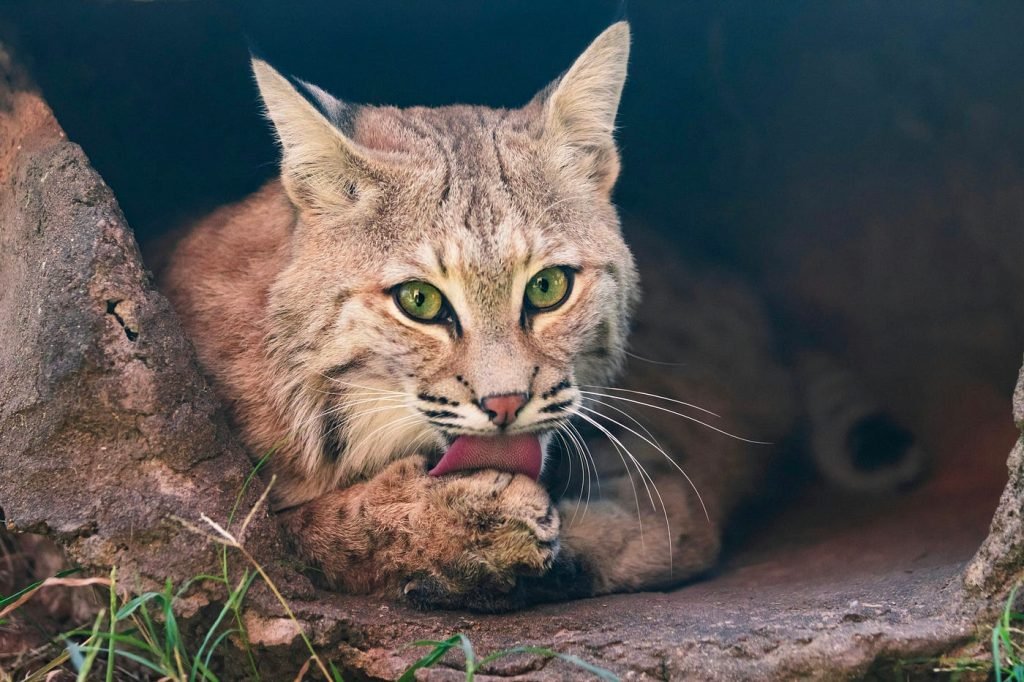
Have you ever wondered if bobcats pose a threat to your pet cat? It’s a question that worries many pet owners, especially those living near wild areas.
You want to keep your furry friend safe, but the idea of a bobcat lurking nearby can be scary. You’ll discover the truth about whether bobcats actually eat cats, what signs to watch for, and how to protect your pet.
Keep reading—your cat’s safety might depend on it.
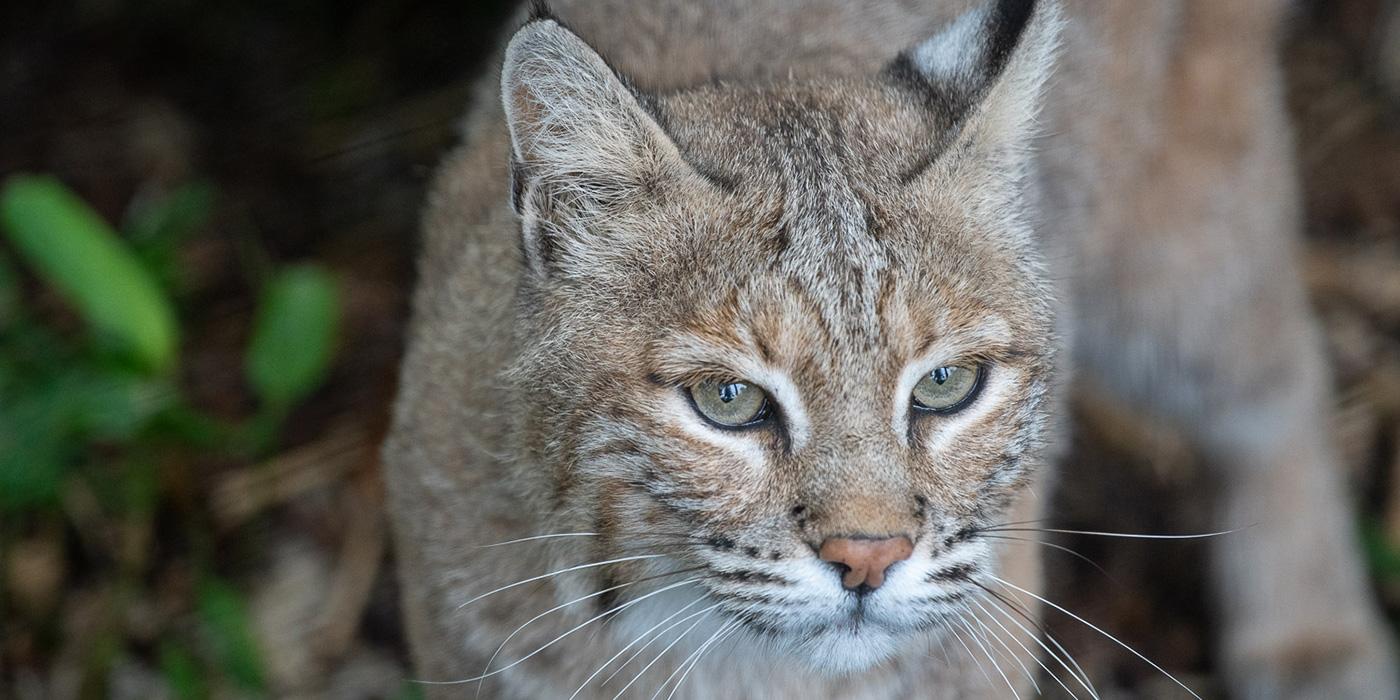
Credit: nationalzoo.si.edu
Bobcat Diet Basics
Bobcats are fascinating creatures, known for their adaptability and wide-ranging diet. While their appearance might suggest a solitary and mysterious lifestyle, understanding their dietary habits offers a glimpse into their survival instincts. Do bobcats eat cats? It’s a question that often arises, but to answer it, we need to explore the basics of their diet.
Common Prey Species
Bobcats primarily feed on small to medium-sized mammals. They often hunt animals like rabbits, hares, and rodents, which are abundant in their habitats. Birds, reptiles, and even insects also form part of their diet, depending on the availability and season.
Interestingly, bobcats are opportunistic hunters. This means they will eat whatever is most accessible, which sometimes includes domestic animals if they venture into human-populated areas. However, they generally prefer wild prey.
Hunting Techniques
Bobcats are stealthy predators, relying on their keen senses to locate and stalk their prey. They often use the element of surprise, approaching their target with quiet precision before launching a swift attack. Their powerful hind legs enable them to leap great distances, ensuring they capture their meal with minimal effort.
Patience is another hallmark of their hunting strategy. They can wait for long periods, remaining perfectly still until the perfect opportunity arises. Have you ever watched a cat poised to pounce? Bobcats exhibit similar behavior, but with an intensity that’s fascinating to observe.
Understanding the bobcat’s diet and hunting techniques not only sheds light on their survival skills but also reminds us of the delicate balance in nature. Next time you spot a bobcat or hear about one, think about the intricate dance of predator and prey playing out in the wild. What other secrets might these elusive creatures hold?
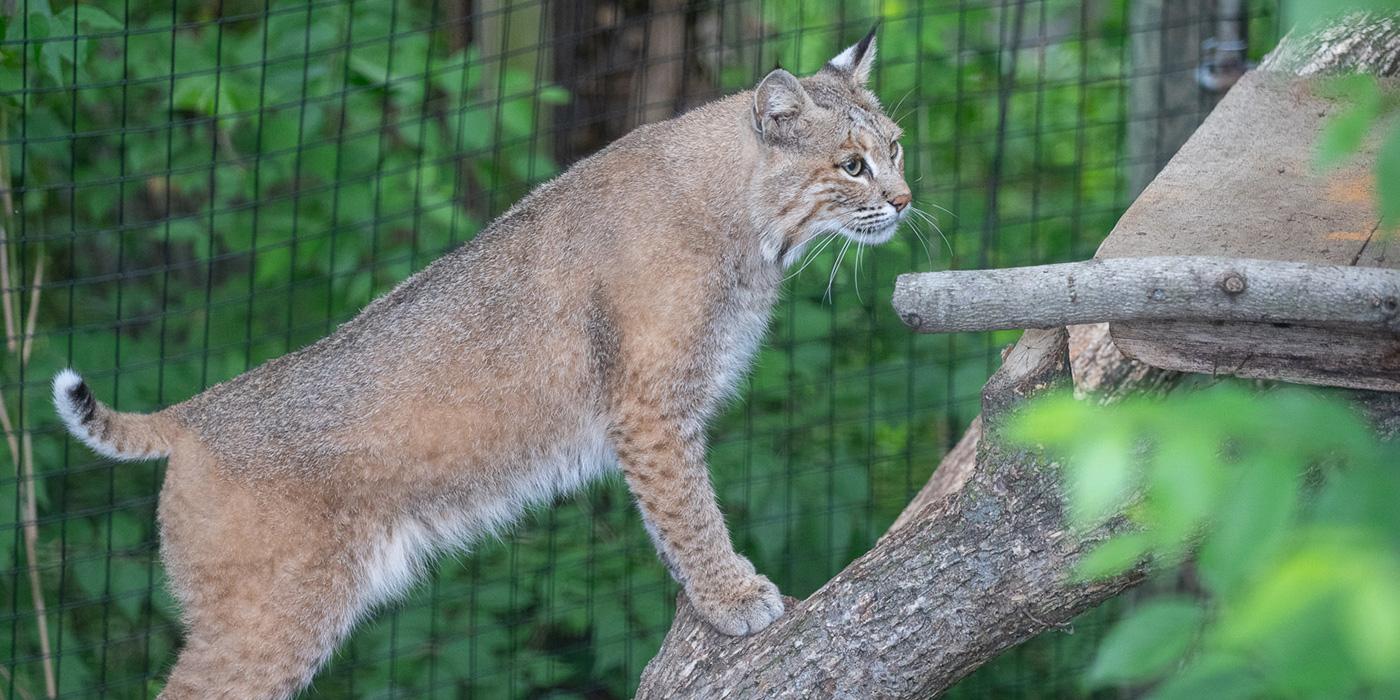
Credit: nationalzoo.si.edu
Bobcats And Domestic Cats
Bobcats share a natural environment with many domestic cats, which sometimes leads to uncomfortable interactions. Understanding how these wild felines view and behave around household pets can help you protect your furry friends. Let’s take a closer look at the reality behind bobcats and domestic cats.
Instances Of Bobcats Attacking Cats
There have been recorded cases where bobcats have attacked domestic cats, especially in rural or suburban areas close to wild habitats. These attacks often happen at dawn or dusk when bobcats are most active. If you live near wooded or undeveloped land, your cat might be at risk during outdoor explorations.
One pet owner shared how their cat disappeared after wandering outside. Later, they found signs of a bobcat nearby, confirming their fears. This shows that bobcats do occasionally see domestic cats as prey or competitors.
Factors Influencing Predation
Several factors affect whether a bobcat might target a domestic cat. Food availability plays a big role—if natural prey like rabbits or rodents are scarce, bobcats may look for easier meals. Your cat’s behavior also matters; outdoor cats that roam alone without supervision are more vulnerable.
Other influences include the size and health of your cat. Smaller or sick cats are easier targets. The local bobcat population density impacts encounters too; more bobcats mean higher chances of conflicts.
- Time of day – bobcats hunt mostly at night or early morning
- Habitat overlap – proximity to natural bobcat territory increases risk
- Protective measures – cats kept indoors or supervised have safer chances
Are you willing to adjust your cat’s outdoor time or environment to reduce these risks? Simple changes like supervised outdoor play or secure enclosures can make a difference. Understanding these factors helps you keep your pet safe from unexpected wild visitors.
Risk To Pets In Bobcat Territories
Living near bobcat habitats means pets face some risks. Bobcats are wild cats that hunt small animals. They can see domestic cats and small dogs as prey. Understanding these risks helps pet owners keep their pets safe. Awareness about where bobcats live and how to protect pets is key.
Areas With Higher Bobcat Activity
Bobcats prefer forests, brush, and rocky areas. Suburban neighborhoods near these zones often have more bobcat sightings. Look out for signs like tracks, droppings, or animal remains. Early morning and dusk are active times for bobcats. Rural areas with less human activity tend to have more bobcats. Pets left outside during these times face a higher risk.
Protecting Your Pets
- Keep cats and small dogs indoors, especially at night.
- Use secure fencing to block bobcat access to yards.
- Never leave pet food outside; it attracts wildlife.
- Supervise pets during outdoor playtime.
- Trim bushes and remove dense cover near homes.
- Install motion-activated lights to deter bobcats.
These steps reduce chances of bobcat encounters. Safe pets mean happy owners and peaceful coexistence.
Bobcat Behavior And Territory
Understanding bobcat behavior and territory is key to answering whether bobcats eat domestic cats. These elusive predators have specific habits and territorial needs that influence their interactions with other animals, including your neighborhood pets. Observing how they mark and defend their space helps you grasp why they behave the way they do.
Territorial Range
Bobcats are solitary animals with well-defined territories. Their range can vary widely—from less than 5 square miles in urban areas to over 30 square miles in the wild. This space provides them with enough food, shelter, and mating opportunities.
They mark their territory using scent markings and scratch marks on trees. This serves as a warning to other bobcats to stay away. If you live near wooded areas, you might notice these signs without realizing what they mean.
Have you ever wondered how close bobcats get to your home? Their territories often overlap with suburban spaces, which increases the chance of encounters with pets. Understanding this can help you take steps to protect your cats effectively.
Interaction With Other Predators
Bobcats share their habitat with other predators like coyotes and foxes. These animals compete for food and space, which influences bobcat behavior. To avoid conflict, bobcats tend to be more nocturnal and stealthy.
They often avoid direct confrontations but will defend their territory fiercely when challenged. This means your pet cat might be seen as competition or prey, depending on the circumstances. Knowing this dynamic can guide you in managing outdoor pet safety.
Interestingly, bobcats usually prefer wild prey such as rabbits and birds. However, if natural food is scarce, they might target smaller domestic animals. This raises the question: how can you reduce the risk of your cat becoming a target?
Myths Vs Reality
There’s a lot of buzz around whether bobcats actually hunt domestic cats. The topic is surrounded by many stories, but separating myths from reality can help you understand what’s really happening in your neighborhood. Let’s look closely at the common beliefs and what science has to say about these elusive predators.
Common Misconceptions
Many people believe bobcats are a major threat to pet cats, picturing them as relentless hunters stalking neighborhoods. This idea often comes from a few vivid stories or sightings that spread quickly.
Some assume that because bobcats are wild cats, they must naturally prey on all smaller cats nearby. Others think bobcats are aggressive toward humans and pets without cause.
- Bobcats only attack cats and no other animals.
- They are commonly seen hunting in urban areas.
- Bobcats are a direct danger to your pets every day.
These beliefs can cause unnecessary fear and sometimes lead to harmful actions against wildlife. Have you ever wondered how often these encounters truly happen?
Scientific Findings
Research shows bobcats tend to avoid humans and are more likely to hunt small mammals like rabbits, rodents, and birds. Domestic cats are not their primary food source.
Studies involving tracking and diet analysis reveal that while bobcats might occasionally kill a free-roaming cat, it’s rare and usually opportunistic rather than targeted hunting.
| Food Source | Frequency in Bobcat Diet |
|---|---|
| Small mammals (rabbits, mice) | High |
| Birds | Moderate |
| Domestic cats | Low |
Understanding these facts can change how you protect your pets. Instead of fearing bobcats, consider practical steps like keeping cats indoors at night and securing outdoor spaces.
What safety measures do you think are most effective for keeping your pets safe without harming local wildlife?

Credit: globalnews.ca
Frequently Asked Questions
Do Bobcats Hunt Domestic Cats?
Yes, bobcats can hunt domestic cats. They are opportunistic predators and may attack cats if they share the same territory. Pet owners should keep cats indoors or supervised to reduce risks from wildlife like bobcats.
How Common Is Bobcat Predation On Cats?
Bobcat attacks on cats are relatively rare but possible. Predation depends on habitat overlap, prey availability, and bobcat behavior. Urban areas with bobcat presence should be cautious to protect outdoor pets.
What Attracts Bobcats To Residential Areas?
Bobcats are attracted by food sources such as rodents, small pets, and birds. Residential areas near forests or wilderness increase bobcat encounters. Removing attractants and securing pets helps minimize bobcat visits.
Can Bobcats Be Dangerous To Pets?
Yes, bobcats pose a danger to small pets like cats and small dogs. They are skilled hunters capable of killing animals smaller than themselves. Pet owners should take precautions to ensure pet safety.
Conclusion
Bobcats mainly hunt small animals like rabbits and birds. They do not usually eat house cats. But in rare cases, bobcats might attack outdoor cats. Keeping pets indoors helps keep them safe. Understanding bobcat behavior reduces fear and confusion. Respect wildlife and give bobcats space in nature.
Stay aware, but don’t panic about bobcats near homes. They play an important role in the ecosystem. Protect your pets by staying informed and cautious.
