

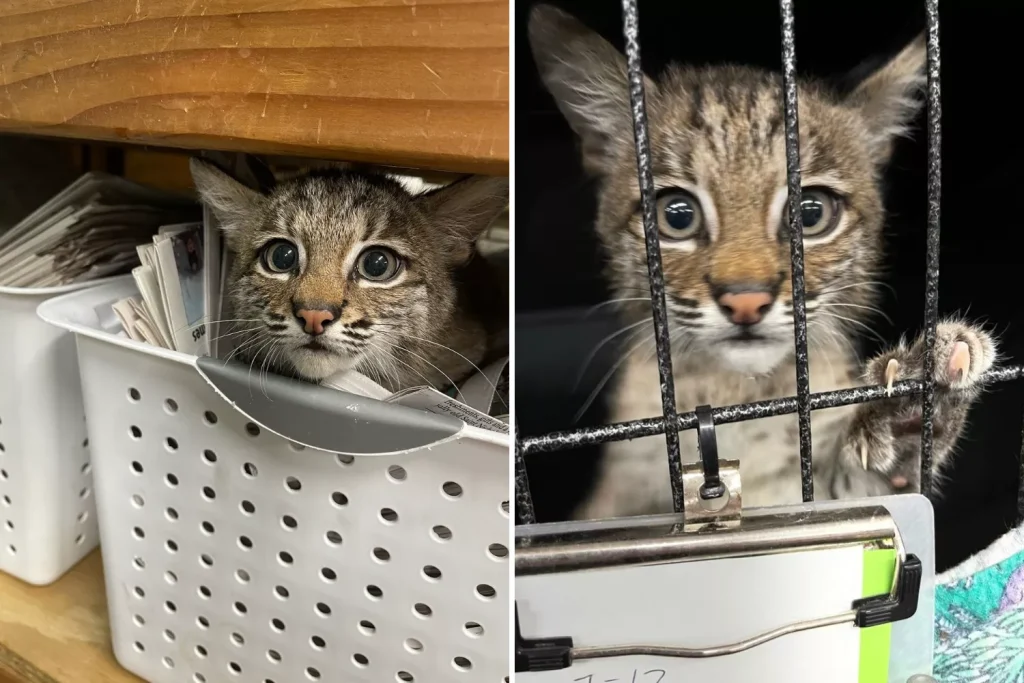
Have you ever wondered if bobcats pose a real threat to your house cat? If you’re a pet owner, the safety of your furry friend is always on your mind.
Bobcats are wild animals known for their stealth and strength, so it’s natural to worry about what could happen if they cross paths with your indoor or outdoor cat. You’ll discover the truth about bobcat behavior, the risks involved, and how you can protect your beloved pet.
Keep reading to learn what you need to know to keep your cat safe and at ease.

Credit: www.cbc.ca
Bobcat Behavior
Understanding bobcat behavior is key to knowing if they pose a threat to your house cats. These wild cats are elusive and mostly avoid human contact. However, their habits and natural instincts can sometimes bring them close to residential areas, raising concerns for pet owners.
Habitat And Range
Bobcats live across North America, from dense forests to desert edges. They adapt well to different environments, including suburban areas where food is available.
If your home is near wooded areas or open fields, bobcats might roam nearby. They prefer places with plenty of cover like brush or rocky terrain, which helps them stay hidden.
Diet And Hunting Patterns
Bobcats mainly hunt small animals such as rabbits, birds, and rodents. They are solitary hunters and use stealth to ambush prey, relying on patience and quick bursts of speed.
While house cats are not typical prey, bobcats can see them as competition or potential food if other prey is scarce. Does your cat spend a lot of time outside, especially at dawn or dusk when bobcats hunt?
Interaction With Other Animals
Bobcats generally avoid other predators but may compete with them for food. They mark territory to warn others to stay away, including house cats if they encroach.
Domestic cats often try to defend their territory, which can provoke a bobcat. If you notice signs of bobcats near your neighborhood, keeping your pets indoors during peak bobcat activity can reduce risks.
House Cats And Their Habits
House cats have unique habits that shape their daily lives and interactions with the environment around them. Understanding these behaviors helps you see why they might be vulnerable to wild predators like bobcats. Paying attention to their routines and territorial instincts can guide you in keeping your cat safe outdoors.
Typical Outdoor Routines
Many house cats enjoy exploring outside, but their outdoor time is usually limited to short bursts of activity. They often follow familiar paths, checking the same spots for food or shelter.
You might notice your cat hunting small insects or birds, but they rarely stray too far from home. This habit of sticking close can sometimes put them in harm’s way if predators patrol these areas.
Territorial Nature
House cats are very territorial creatures. They mark their space with scent glands and defend it from other cats and animals.
This territorial behavior means your cat might confront a bobcat if it feels its space is threatened. However, wild predators usually have larger territories and can easily overpower a house cat.
Vulnerability To Predators
House cats, especially those allowed outside unsupervised, are vulnerable to attacks from predators such as bobcats. Their smaller size and less aggressive nature put them at a disadvantage.
Have you ever noticed scratches or wounds on your cat after being outdoors? These could be signs of close encounters with wildlife. Keeping your cat indoors during dawn and dusk, when bobcats are most active, can reduce these risks significantly.
Encounters Between Bobcats And House Cats
Encounters between bobcats and house cats are rare but possible. Bobcats live mostly in the wild. However, their habitats sometimes overlap with suburban areas. This can bring them near houses and pets. Understanding these interactions helps pet owners keep cats safe.
Frequency Of Attacks
Bobcat attacks on house cats are uncommon. Most bobcats avoid human areas. They hunt smaller wild animals for food. Attacks usually happen at night when bobcats are active. Most house cats stay indoors during this time, reducing risks.
Common Circumstances
Encounters often occur near wooded or rural areas. Outdoor cats roaming far from home face higher risks. Bobcats may see house cats as prey or threats. Scarce natural food can increase bobcat boldness near homes. Bobcats also defend their territory against other cats.
Safety Concerns For Pet Owners
- Keep cats indoors during dawn and dusk hours.
- Supervise outdoor cats in areas with wildlife.
- Remove bird feeders or food that attract small animals.
- Secure garbage and compost to avoid attracting bobcats.
- Install motion-activated lights or alarms near outdoor spaces.
Taking these steps reduces chances of bobcat encounters. Awareness and prevention protect house cats effectively.

Credit: globalnews.ca
Preventing Bobcat Attacks
Preventing bobcat attacks on house cats requires careful planning and active measures. Bobcats are wild animals and can pose a threat to small pets outdoors. Taking steps to keep your cat safe reduces the risk of any encounters. A few simple changes can make your yard a safer place for pets.
Secure Outdoor Spaces
Enclose outdoor areas with strong fencing that bobcats cannot climb or slip through. Use wire mesh with small gaps to block entry points. Make sure gates close tightly and have secure latches. Adding a roof or overhead netting can prevent bobcats from jumping inside. Creating a safe outdoor space lets cats enjoy fresh air without danger.
Using Deterrents
Install motion-activated lights or sprinklers to scare bobcats away. Loud noises or bright flashes startle wild animals and keep them at a distance. Place commercial predator repellents around your yard’s edges. Natural deterrents like strong scents (citrus peels or vinegar) may also help. Regularly change deterrent locations to keep bobcats guessing.
Responsible Pet Supervision
Never leave cats outside alone, especially at dawn or dusk when bobcats hunt. Supervise your pet during outdoor playtimes and bring them inside at night. Use a harness and leash for controlled walks. Monitor your cat’s behavior and surroundings closely. Quick action can prevent dangerous encounters and protect your furry friend.
Signs Of Bobcat Presence
Signs of bobcat presence near your home are important to spot. These signs help you understand if a bobcat is nearby and cautious. Bobcats usually avoid humans but can be curious around pets. Noticing their presence early keeps your house cats safe.
Recognizing Tracks And Scat
Bobcat tracks are about 2 to 3 inches wide. The paw prints show four toes and no claw marks. Claws are retractable, so they do not leave marks. Look for tracks in soft soil, mud, or snow.
Scat or droppings appear as dark, twisted pellets. They often contain fur, bones, or feathers. Scat is usually found along trails or near resting spots. Fresh scat has a strong smell and looks moist.
Identifying Bobcat Sounds
Bobcats make sharp, high-pitched screams or yowls. These sounds are often heard during mating season in winter. Sometimes, you may hear growls or hisses if a bobcat feels threatened. Their calls are distinct from house cats and other wildlife.
Monitoring Local Wildlife Activity
Watch for changes in small animal behavior. Sudden quietness or absence of rabbits and squirrels can indicate a bobcat nearby. Pets may act nervous or hide more often. Keep an eye on bird feeders; fewer birds might be a sign too.

Credit: globalnews.ca
What To Do If A Bobcat Approaches
Encountering a bobcat near your home can be alarming. Knowing how to respond quickly can keep you and your pets safe. Stay calm and act with care to avoid escalating the situation. This guide offers clear steps to handle a bobcat approach wisely.
Immediate Actions
- Stay still and do not run away.
- Make yourself look bigger by raising your arms or opening a jacket.
- Speak loudly and firmly to scare the bobcat.
- Back away slowly without turning your back.
- Do not approach or corner the animal.
Contacting Wildlife Authorities
Report the sighting to local animal control or wildlife services.
Provide details about the location and behavior of the bobcat.
Follow their advice on handling the situation safely.
Keep a record of sightings to help monitor bobcat activity.
Protecting Pets And Family
- Bring pets indoors, especially at dawn and dusk.
- Do not leave pet food outside to avoid attracting wildlife.
- Keep children close and explain bobcat safety rules simply.
- Secure outdoor areas with fences or motion-activated lights.
- Stay alert during walks and avoid dense brush where bobcats hide.
Frequently Asked Questions
Do Bobcats Commonly Attack House Cats?
Bobcats can attack house cats, especially near wooded areas. They see smaller cats as prey or threats. Attacks are rare but possible if territories overlap.
How To Protect House Cats From Bobcat Attacks?
Keep cats indoors, especially at dawn or dusk. Secure outdoor spaces with fencing. Remove bird feeders to avoid attracting prey animals that lure bobcats.
What Signs Show Bobcats Near Homes?
Look for tracks, scat, or scratch marks on trees. Pets acting restless or missing can indicate bobcat presence nearby. Bobcats are mostly nocturnal and elusive.
Can Bobcat Attacks Harm Humans Or Pets?
Bobcats rarely attack humans but can harm pets. Small dogs and cats are vulnerable. Promptly report aggressive bobcat sightings to local wildlife authorities.
Conclusion
Bobcats can be a threat to house cats, especially outdoors. They hunt small animals for food, including cats. Keeping house cats indoors reduces risks of attacks. Secure yards with fences can help protect pets. Understanding bobcat behavior helps owners stay cautious and safe.
Stay alert in areas where bobcats live nearby. Protecting your cat means knowing the dangers around. Safety is key for both pets and people.
