

Have you ever walked into a room and noticed a strange, strong smell that just won’t go away? If you have a male cat, you might wonder if he’s the reason behind it.
Many cat owners ask, “Do all male cats spray? ” Understanding why your cat sprays and whether it’s something all male cats do can save you frustration and help keep your home fresh. You’ll discover the truth about male cat spraying and learn what you can do to manage or prevent it.
Keep reading to find out how to protect your space and keep your furry friend happy.
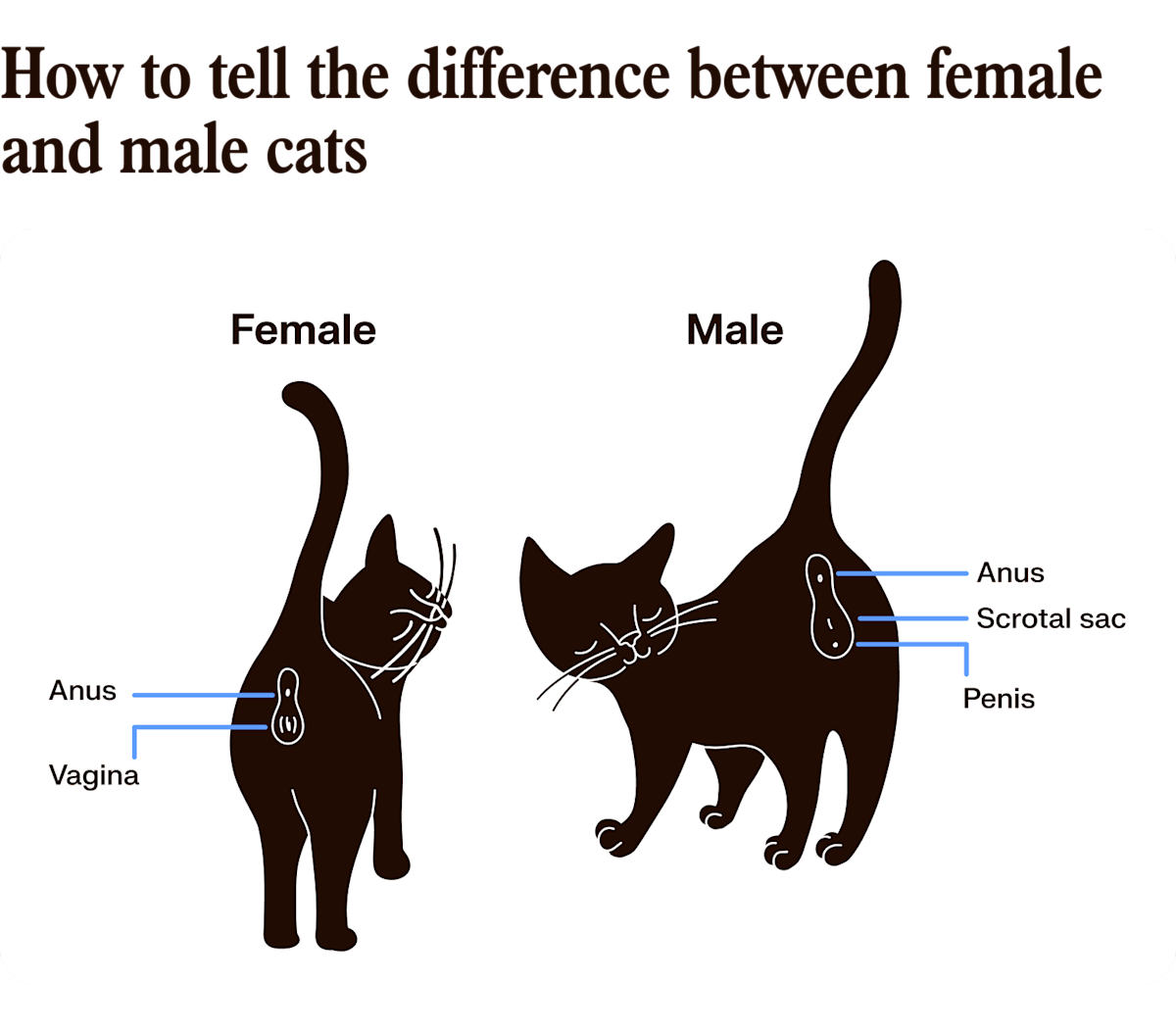
Credit: www.kinship.com
Why Male Cats Spray
Understanding why male cats spray can help you manage or prevent this behavior effectively. Spraying is not just a bad habit; it’s a natural response influenced by several factors. Knowing what triggers it allows you to create a more comfortable environment for your cat and reduce unwanted marking.
Hormonal Influence On Spraying
Male cats spray mainly because of hormones, especially testosterone. Intact males are more prone to marking their territory with urine to signal their presence to other cats. Neutering your cat can significantly reduce or even stop this behavior by lowering hormone levels.
However, some neutered cats may continue spraying if they started before the procedure or if other triggers exist. This shows that hormones play a big role, but they’re not the only factor behind spraying.
Territorial Behavior
Spraying is a way for male cats to mark their territory and communicate boundaries to others. If your cat feels his space is threatened by other animals or changes in the environment, he might spray more often.
Think about situations like moving to a new home, introducing a new pet, or even outdoor cats roaming nearby. These can all trigger territorial marking as your cat tries to assert control and feel safe.
Stress And Anxiety Factors
Stress can push your male cat to spray as a coping mechanism. Changes in routine, loud noises, or conflicts with other pets can make him anxious and increase spraying incidents.
Have you noticed your cat spraying after visitors come over or after a loud storm? These moments often trigger stress, leading to marking behavior. Managing your cat’s stress through calm environments and predictable routines can help reduce spraying.
Which Male Cats Are More Likely To Spray
Not all male cats spray, but certain factors make some more likely to mark their territory this way. Understanding which males are prone to spraying can help you manage or prevent this behavior effectively. Let’s look at key elements that influence whether a male cat sprays or not.
Intact Vs Neutered Males
Intact male cats have higher testosterone levels, which often drive them to spray. This behavior is a way to mark territory and attract mates. Neutered males usually spray less because their hormone levels drop significantly after the procedure.
However, neutering doesn’t guarantee your cat won’t spray. Some neutered males still mark territory due to stress or environmental triggers. If your neutered cat sprays, consider other factors like changes in the household or conflicts with other pets.
Age And Spraying Tendencies
Young male cats, especially those reaching sexual maturity around 6 to 12 months, are more prone to spraying. This stage is when territorial instincts peak. As cats age, many naturally reduce this behavior.
But what if your older male cat starts spraying suddenly? It could be a sign of stress or a medical issue rather than just age-related behavior. Keep a close eye on any changes and consult a vet if needed.
Personality And Breed Differences
Personality plays a surprising role in spraying. Bold or dominant cats tend to spray more to assert control over their space. Shy or laid-back males usually spray less.
Certain breeds might also be more prone to spraying, although research is limited. For example, territorial breeds like the Siamese sometimes show more spraying tendencies than others. Knowing your cat’s personality and breed traits helps tailor your approach to managing spraying.
Signs Your Cat Is Spraying
Recognizing the signs your cat is spraying helps manage this behavior. Spraying is a way cats communicate stress or territory claims. Not all males spray, but spotting the signs early is important. Watch your cat’s actions and environment carefully.
Behavioral Indicators
- Frequent rubbing of the tail or rear against objects
- Sudden interest in vertical surfaces like walls or furniture
- Squatting with a raised tail while releasing a small amount of urine
- Increased restlessness or anxiety in the cat
- Repeated visits to the same spot to spray
Spraying Vs Marking
Spraying is a small urine spray on vertical surfaces. Marking usually means leaving scent by rubbing the face or body. Spraying leaves a strong, sharp smell. Marking is less obvious and does not involve urine. Knowing the difference helps choose the right response.
Common Locations
- Near doors and windows
- On furniture legs and couch backs
- Inside closets or laundry baskets
- Around food bowls or litter boxes
- On walls or baseboards
How To Prevent Male Cats From Spraying
Male cats spray to mark territory or express stress. Stopping this behavior improves your home’s hygiene and your cat’s comfort. Prevention focuses on health, environment, and emotional well-being. Small changes make a big difference.
Neutering Benefits
Neutering male cats greatly reduces spraying behavior. It lowers hormones that cause territorial marking. Neutered cats are calmer and less likely to spray. Early neutering prevents problems before they start. It also improves overall health and lifespan.
Environmental Enrichment
Provide toys and scratching posts to keep your cat busy. Playtime reduces boredom and the urge to spray. Create safe spaces where your cat can relax. Use climbing shelves or cozy beds to enrich their environment. A happy cat sprays less.
Reducing Stress Triggers
Stress often causes spraying in male cats. Identify and remove stress sources like loud noises or other pets. Keep a consistent daily routine for feeding and play. Use calming products like pheromone diffusers to ease anxiety. A calm cat is less likely to mark territory.
Managing Spraying If It Occurs
Dealing with spraying can be stressful, but managing it effectively is possible. Understanding how to clean up properly and address the behavior can make a big difference in your home’s comfort. Let’s look at practical ways to handle spraying if your male cat starts this habit.
Cleaning Techniques
Cleaning sprayed areas quickly is key to preventing repeat incidents. Use an enzymatic cleaner designed for pet urine—regular cleaners won’t break down the odor completely.
Avoid ammonia-based products; they can smell similar to urine and encourage more spraying. Instead, blot the area with paper towels before applying the enzymatic cleaner and let it air dry.
Have you noticed that some spots seem to attract your cat back? That’s often because the scent wasn’t fully removed. Keep an eye out and clean thoroughly.
Behavioral Training
Changing your cat’s behavior requires patience and consistency. Start by making your cat feel secure—stress often triggers spraying, so create quiet, cozy spaces for them.
Try using pheromone diffusers; these can reduce anxiety and lower the chance of spraying. Reward your cat with treats and affection when they use the litter box correctly.
If your cat sprays near windows or doors, blocking access temporarily or covering the area can help. What simple changes can you make in your home to reduce your cat’s stress?
When To Seek Veterinary Help
Sometimes, spraying signals an underlying health problem like a urinary tract infection. If your cat suddenly starts spraying or seems uncomfortable, a vet visit is important.
Medical issues can mimic behavioral spraying, so don’t ignore sudden changes. Your vet can run tests and suggest treatments to help your cat feel better and stop spraying.
Have you noticed any other signs like frequent licking or changes in appetite? These clues help your vet diagnose the problem quickly.

Credit: smart.dhgate.com
Female Cats And Spraying
Many people believe that spraying is a behavior exclusive to male cats, but female cats can spray too. Understanding how and why female cats spray can help you manage this behavior better. Let’s look at what makes female cats different when it comes to spraying and why it might happen.
Differences In Spraying Behavior
Female cats usually spray less often than males. This is because spraying in males is often linked to marking territory for mating purposes, which is less common in females.
However, female cats may spray when they feel stressed, threatened, or when their territory is invaded. You might notice a female cat spraying near windows or doors where outdoor cats pass by.
Unlike males, female cats might use spraying as a way to communicate discomfort or anxiety rather than just to claim territory. Have you noticed your female cat spraying during changes in the household, like new pets or moving furniture?
Rare Cases Of Female Spraying
While less common, some female cats spray due to medical issues such as urinary tract infections or hormonal imbalances. If your cat suddenly starts spraying, a vet visit is essential to rule out health problems.
Some female cats that are not spayed may spray more frequently, especially during their heat cycles. Spaying your female cat can often reduce or stop this behavior.
In rare cases, female cats may develop spraying habits as a learned behavior if they live with male cats that spray often. Observing your cat’s environment closely can help identify triggers you might not expect.
Credit: pethelpful.com
Frequently Asked Questions
Do All Male Cats Spray To Mark Territory?
Not all male cats spray. Spraying mainly occurs in unneutered males to mark territory and attract mates. Neutering reduces this behavior significantly.
Can Neutering Stop A Male Cat From Spraying?
Yes, neutering often stops or reduces spraying. It lowers hormone levels that trigger territorial marking in male cats.
Why Do Some Male Cats Spray Indoors?
Male cats spray indoors to mark their territory or due to stress. Unneutered males are more likely to spray inside the home.
Is Spraying Behavior Common In Female Cats Too?
Spraying is less common in female cats but can happen. It usually occurs due to stress, mating instincts, or medical issues.
Conclusion
Not all male cats spray. Spraying depends on many things like hormones and environment. Neutering often helps stop spraying. Some cats mark their space to feel safe. Training and cleaning can reduce spraying problems. Understanding your cat’s behavior is key.
Patience and care improve the situation. Every cat is different, so observe closely. Keep your home calm and clean. This helps your cat feel secure and happy.
