

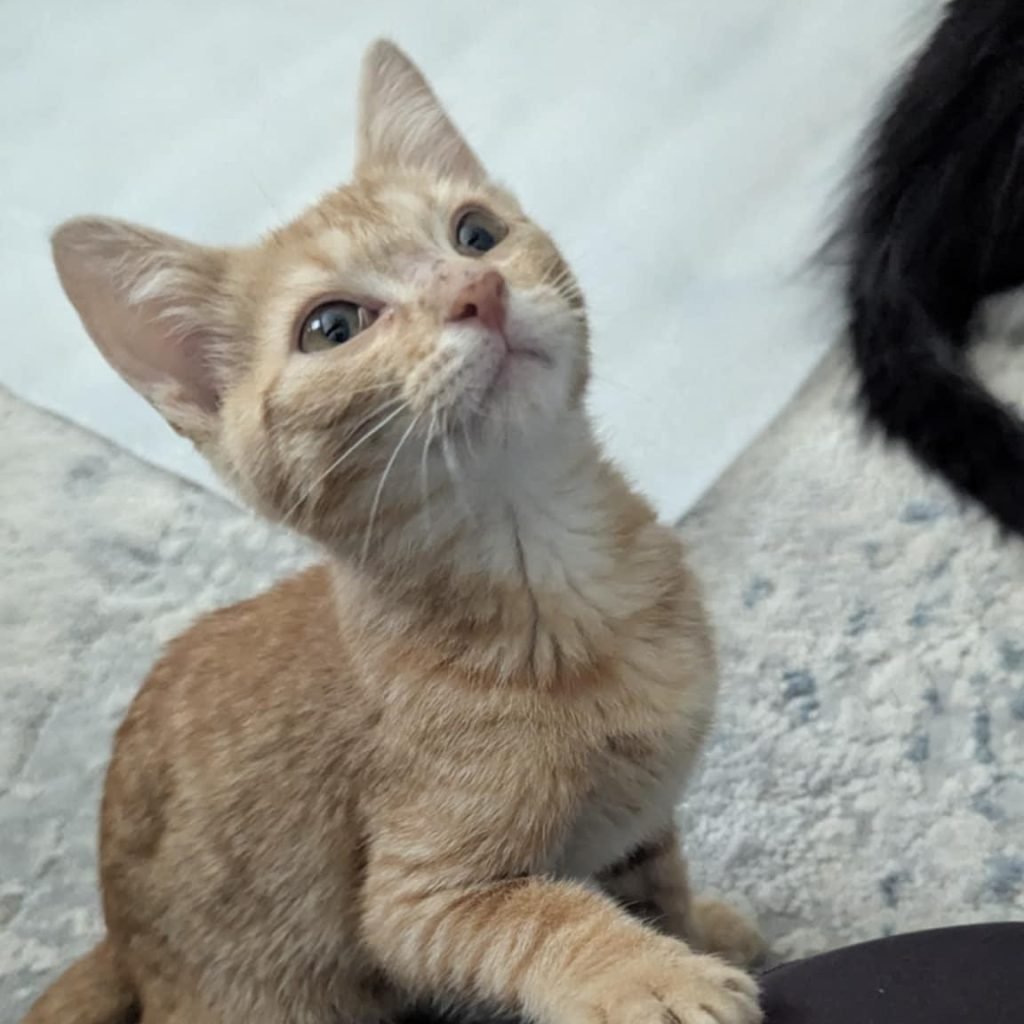
Have you ever thought about opening your home to a furry friend who might need just a little extra love? Disabled cats for adoption are waiting for someone like you to see past their physical challenges and recognize the boundless affection they have to offer.
These special cats are more than their disabilities; they are vibrant, full of personality, and eager to enrich your life with their unique charm. We’ll explore why adopting a disabled cat can be one of the most rewarding decisions you ever make.
So, if you’re ready to discover the joys and surprises that come with welcoming a differently-abled feline into your family, keep reading. You might just find your perfect companion.
Credit: walkinpets.com
Heartwarming Stories Of Disabled Cats
Disabled cats show incredible strength and spirit. Their stories inspire many to see beyond limits. These cats teach us about love, patience, and courage every day.
Overcoming Physical Challenges
Many disabled cats face tough physical hurdles. Some have lost limbs or cannot walk well. Despite these challenges, they adapt and thrive with care.
Special devices like wheelchairs or ramps help them move freely. Their determination surprises and touches everyone around them.
Tales Of Rescue And Recovery
Rescue stories of disabled cats are full of hope. Many were found abandoned or hurt. Rescue groups and kind people helped them heal.
Recovery takes time, but these cats show amazing progress. Their journey from pain to playfulness is truly heartwarming.
Bonding With Special Needs Cats
Bonding with a disabled cat brings unique rewards. These cats often show deep trust and affection. They need gentle care and patience.
Owners say their special needs cats bring joy and purpose. Each small victory strengthens the human-animal bond.
Common Disabilities In Cats
Disabled cats often face unique challenges, but understanding their common disabilities can help you provide better care and support. Recognizing these disabilities allows you to create a safe and loving environment for your new feline friend. Let’s look at some typical issues disabled cats may have and how you can help them thrive.
Mobility Issues
Mobility problems in cats can range from mild limping to complete paralysis. Some cats may have lost the use of their legs due to injury or birth defects. You might notice your cat struggling to jump or climb, which can be frustrating for both of you.
Adapting your home with ramps or soft bedding can make a huge difference. Have you considered how a simple change, like lowering food bowls, might improve your cat’s daily comfort?
Chronic Illnesses
Many disabled cats live with chronic illnesses such as kidney disease, diabetes, or arthritis. These conditions require regular medication and monitoring but don’t stop cats from showing affection and personality.
Keeping a detailed health diary can help you track symptoms and adjust care routines. Are you prepared to work closely with a vet to manage long-term illnesses?
Sensory Impairments
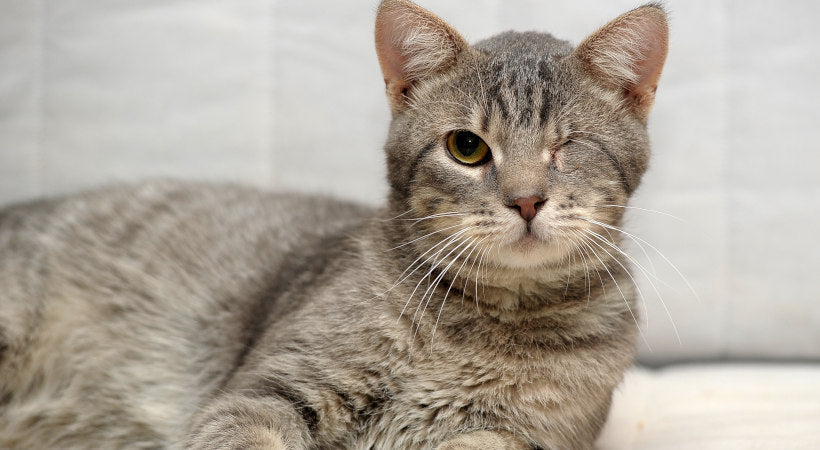
Deafness and blindness are common sensory challenges in cats. A blind cat might bump into furniture, while a deaf cat could startle easily. These impairments change how your cat experiences the world.
You can help by keeping their environment consistent and using touch or scent cues to communicate. How might you modify your home to make it safer and more welcoming for a sensory-impaired cat?
Benefits Of Adopting Disabled Cats
Choosing to adopt a disabled cat brings many unexpected benefits that go beyond just giving a home to a pet in need. These cats often show remarkable resilience and affection, making the experience deeply rewarding. Understanding these benefits can help you see the true value in opening your heart and home to a disabled cat.
Emotional Rewards
Disabled cats often form incredibly strong bonds with their owners. Their unique challenges make their trust and affection feel especially meaningful. Many adopters find a deep sense of fulfillment and joy in caring for a cat that might have been overlooked by others.
Have you ever felt the satisfaction of helping a vulnerable creature thrive? Caring for a disabled cat can boost your empathy and patience, enriching your emotional well-being in unexpected ways.
Unique Companionship
Disabled cats often develop distinct personalities and behaviors that make them stand out. Their needs may require you to adapt your routine, creating a closer, more attentive relationship. This can lead to a companionship unlike any other.
Imagine a cat that depends on you but also teaches you to appreciate the small victories every day. Their presence can bring a new perspective on patience, love, and resilience into your life.
Saving A Life
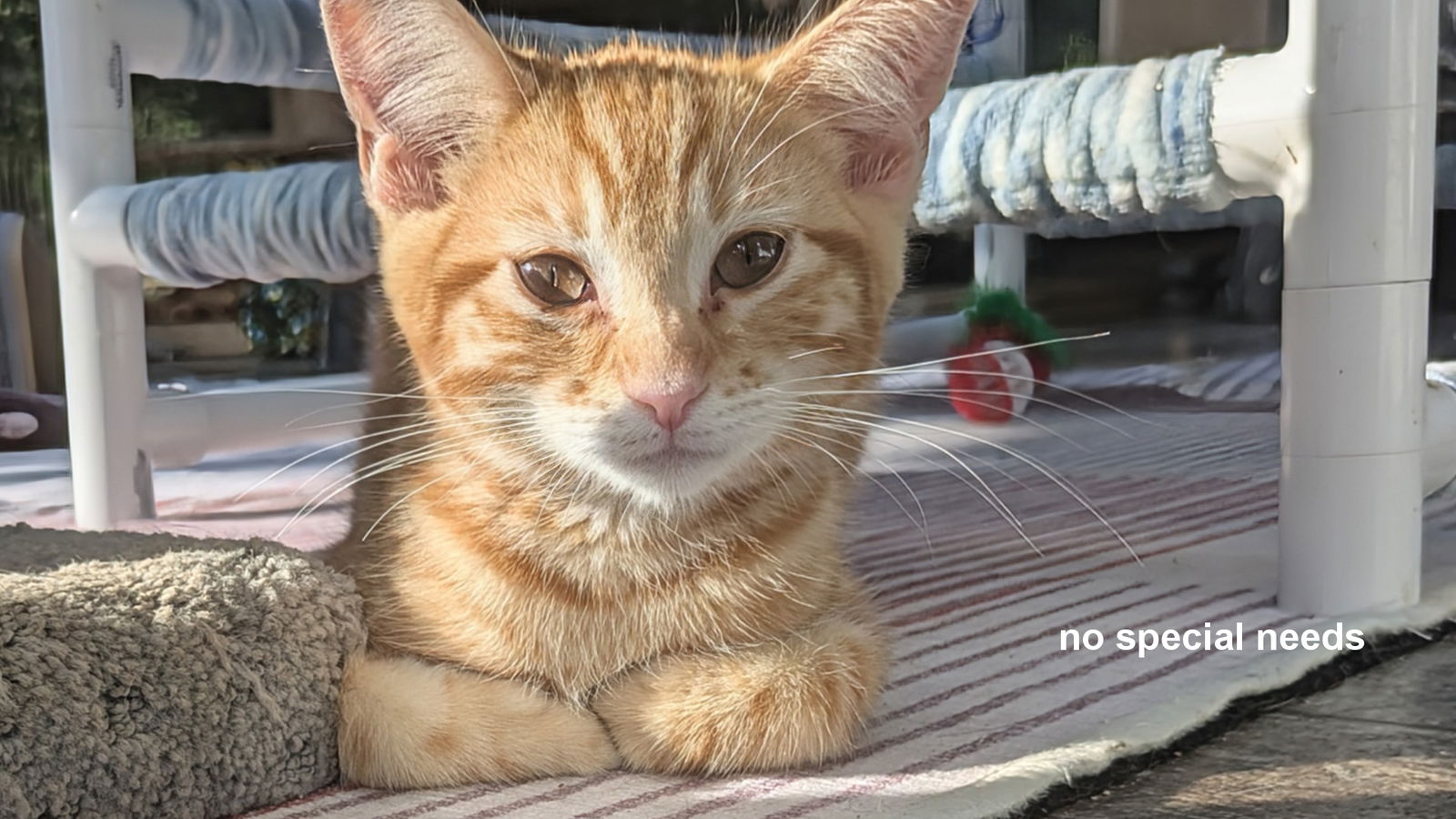
Many disabled cats face lower chances of adoption, making your decision to adopt a true lifesaver. You give them a chance to live a happy, cared-for life rather than spending it in a shelter. This act directly impacts their well-being and future.
By adopting a disabled cat, you challenge the stigma around special needs animals. Your choice encourages others to look beyond disabilities and recognize the value in every cat’s life.
Credit: www.snapcats.org
Preparing Your Home For A Disabled Cat
Bringing a disabled cat into your home is a rewarding experience. It requires thoughtful preparation to ensure comfort and safety. Understanding their unique needs helps create a welcoming space. Preparation makes daily life easier for both you and your cat.
Creating A Safe Environment
Clear pathways to prevent accidents. Remove sharp objects and fragile items. Use non-slip mats on slippery floors. Keep cords and wires out of reach. Provide quiet, cozy resting spots. Make sure litter boxes are easy to access. Lower furniture or ramps help cats move safely.
Special Equipment And Supplies
- Orthopedic beds for joint support
- Ramps or stairs for climbing
- Elevated food and water dishes
- Soft, easy-to-clean litter trays
- Assistive harnesses or wheelchairs if needed
- Grooming tools for limited mobility
Choose supplies based on your cat’s disability and comfort. Consult a vet for specific recommendations.
Adjusting Daily Routines
Set regular feeding and medication times. Allow extra time for grooming and play. Use gentle handling to avoid stress. Monitor your cat’s behavior closely. Be patient and flexible with changes. Celebrate small progress and improvements. Consistency helps your cat feel safe and loved.
Caring Tips For Disabled Cats
Caring for a disabled cat requires attention, patience, and love. These special cats often need adjustments in daily routines to thrive and feel comfortable in your home. Understanding their unique needs helps you create a nurturing environment where they can flourish.
Feeding And Nutrition
Disabled cats might have difficulty eating or swallowing. You can help by offering soft or specially formulated wet food that’s easier to consume.
Consider feeding smaller meals more frequently to avoid exhaustion. Keep fresh water accessible at all times, and watch for signs of dehydration or weight loss.
Have you noticed your cat struggling with a certain type of food? Adjusting textures or temperatures can make a big difference in their willingness to eat.
Medical Care And Monitoring
Regular vet checkups are crucial for disabled cats to catch potential health issues early. Keep a log of any changes in behavior, appetite, or mobility to share with your vet.
Medications may be part of their care plan, so setting reminders helps you stay consistent. Your vet might also recommend supplements to support joint health or neurological function.
Are you tracking your cat’s progress and setbacks? This awareness allows you to advocate effectively for their health needs.
Physical Therapy And Exercise
Physical activity is important, even for disabled cats. Gentle play and stretching can improve muscle strength and prevent stiffness.
Simple tools like soft balls or feather wands encourage movement without causing strain. You might also use ramps or padded resting spots to make navigation easier.
Have you tried short, frequent exercise sessions? These often work better than long, exhausting attempts and keep your cat engaged and happy.
How To Support Disabled Cats Beyond Adoption
Supporting disabled cats doesn’t end once they find a home. Your ongoing involvement can make a huge difference in their quality of life and future adoption chances. There are many ways you can contribute beyond adopting, each helping these special cats thrive in unique ways.
Volunteering At Shelters
Spending time at shelters gives disabled cats much-needed social interaction and care. You can help with feeding, grooming, or simply sitting with shy cats to build their confidence.
Volunteering also helps shelters run smoothly, giving staff more time to focus on medical care. Have you ever noticed how a calm presence can soothe a nervous cat? Your patience and kindness can work wonders.
Donations And Fundraising
Money is crucial for providing specialized medical treatments and equipment for disabled cats. Even small donations can add up to cover vet bills, mobility aids, or special food.
Consider organizing local fundraisers or online campaigns. Simple actions like a bake sale or social media challenge can raise awareness and funds simultaneously. How could you rally your community around this cause?
Spreading Awareness
You hold the power to change perceptions about disabled cats. Share their stories on social media or talk to friends and family about why these cats deserve love and care.
Awareness leads to more adoptions and support. Have you ever shared a pet’s story that led someone to open their home? Your voice can be that spark for change.
Credit: www.aaocatrescue.com
Frequently Asked Questions
What Does “disabled Cats For Adoption” Mean?
Disabled cats for adoption are cats with physical or sensory impairments. They need special care but are loving pets. Adoption offers them a safe, supportive home and a chance for a happy life.
Are Disabled Cats Harder To Care For?
Disabled cats may require extra attention but are not necessarily harder to care for. Proper care includes adapting the environment and regular vet visits. Many disabled cats thrive with love and patience from their owners.
Where Can I Adopt Disabled Cats Safely?
You can adopt disabled cats from animal shelters, rescue groups, or specialized adoption centers. Always choose reputable organizations that provide medical history and support. This ensures the cat’s health and your preparedness for adoption.
Do Disabled Cats Have Special Medical Needs?
Some disabled cats need ongoing medical care or therapy. This depends on their condition, like blindness or limb loss. Regular vet checkups and tailored care plans help manage their health effectively.
Conclusion
Disabled cats need loving homes just like any other pet. They bring joy and teach us kindness. Adopting one saves a life and creates a special bond. These cats often show strong love and trust. They may need extra care, but it is worth it.
Every cat deserves a chance to be happy. Consider opening your heart and home to a disabled cat today. Small acts of love can change lives forever.
