

Your cat’s smile is more than just cute—it’s a window into their overall health. But did you know that many cats suffer silently from dental problems that can lead to pain and serious illness?
If you want to keep your furry friend happy and healthy, understanding dental health for cats is a must. You’ll discover simple yet powerful ways to protect your cat’s teeth and gums. Keep reading to learn how small changes can make a big difference in your cat’s life.
Causes Of Dental Issues In Cats
Dental issues in cats often develop quietly, making it easy to miss the early signs. Understanding what causes these problems can help you take better care of your feline friend’s teeth. Your cat’s dental health depends on more than just occasional check-ups; knowing the causes gives you a head start in prevention.
Common Dental Problems
Several dental problems frequently affect cats. These include:
- Periodontal Disease:The most common dental issue, caused by plaque buildup leading to gum inflammation and tooth loss.
- Tooth Resorption:A painful condition where the tooth structure breaks down, often unnoticed until advanced stages.
- Gingivitis:Early gum inflammation that, if untreated, can lead to more serious infections.
- Stomatitis:Severe inflammation of the mouth lining, causing discomfort and difficulty eating.
Have you noticed your cat drooling more or avoiding dry food? These might be signs that dental problems are already present.
Risk Factors To Watch
Several factors increase the chances of dental issues in cats:
- Age:Older cats are more prone to dental diseases due to prolonged plaque accumulation.
- Breed:Some breeds, like Persians and Siamese, have higher risks due to jaw structure.
- Diet:Feeding soft or sticky foods can encourage plaque buildup compared to dry kibble.
- Poor Oral Hygiene:Lack of regular teeth cleaning accelerates dental decay.
- Underlying Health Conditions:Diseases such as diabetes or kidney problems can worsen dental health.
Think about your cat’s lifestyle and diet—are you unintentionally increasing their risk? Small changes, like adding dental treats or brushing teeth, can make a big difference in preventing problems.
Signs Of Dental Trouble
Recognizing the signs of dental trouble in your cat early can save them from pain and costly treatments. Dental issues often start quietly but quickly affect your cat’s overall well-being. Paying close attention to subtle changes can help you catch problems before they worsen.
Behavioral Changes
Has your cat suddenly stopped eating their favorite treats or seems hesitant to chew? Changes in eating habits often signal dental discomfort. You might notice your cat pawing at their mouth or avoiding play that involves biting or chewing toys.
Another clue is a shift in mood. If your usually affectionate cat becomes withdrawn or irritable, dental pain might be the cause. Cats hide pain well, so these behavioral changes are your best hint something is wrong.
Physical Symptoms
Look closely at your cat’s mouth for visible signs like red, swollen gums or excessive drooling. Bad breath that doesn’t go away after a meal is a strong indicator of dental issues. You may also spot broken or loose teeth, which need immediate attention.
Other physical signs include bleeding when you gently touch their gums or a buildup of yellowish tartar on their teeth. If your cat’s face appears swollen or they show difficulty opening their mouth, don’t delay a vet visit. These symptoms point to infections that can spread and cause serious health problems.
Daily Dental Care Tips
Keeping your cat’s teeth clean every day can prevent a lot of dental problems down the road. Daily dental care doesn’t have to be complicated or time-consuming. Small, consistent efforts can make a big difference in your cat’s oral health.
Brushing Techniques
Start by choosing a quiet spot where your cat feels comfortable. Use a soft-bristled toothbrush or a finger brush made for cats. Gently lift your cat’s lips and brush in small circles, focusing on the gum line where plaque builds up most.
Don’t rush the process. Begin with just a few seconds and gradually increase the time as your cat gets used to it. If your cat resists, try brushing after a play session or when they are relaxed and sleepy.
Choosing The Right Products
Use toothpaste formulated specifically for cats; never use human toothpaste as it can be harmful. Cat toothpaste comes in flavors like poultry or fish, making it more appealing to your pet.
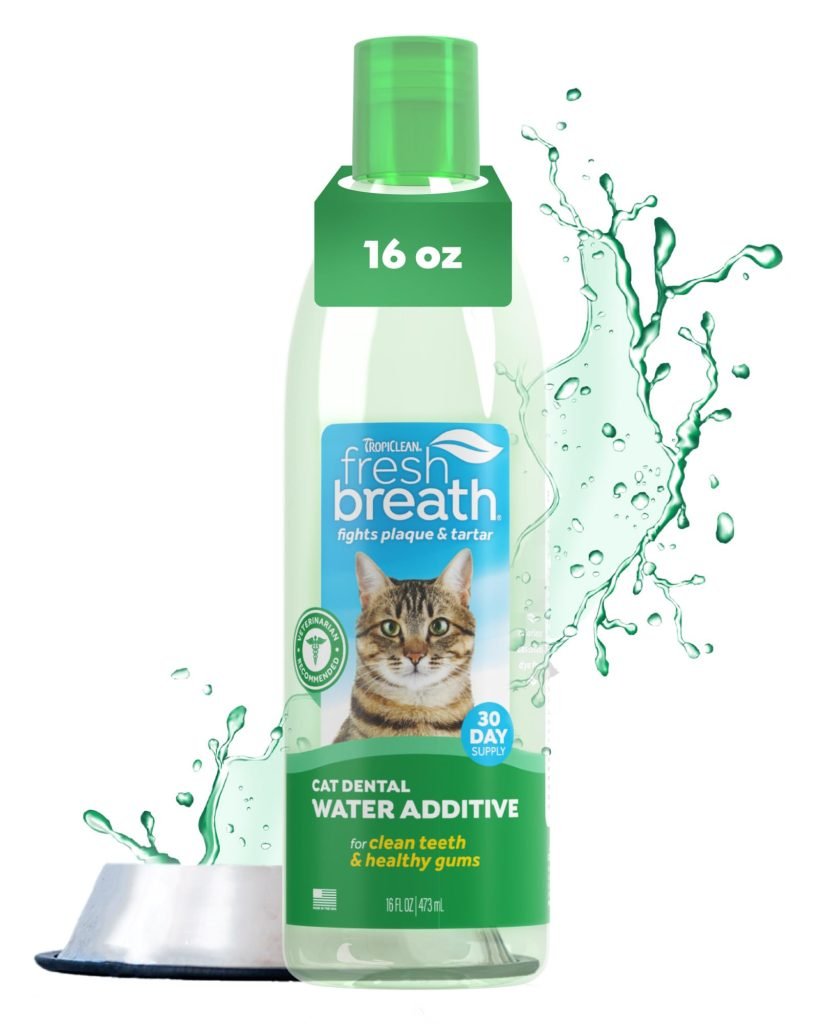
Consider dental chews and water additives as additional tools, but don’t rely on them alone. Look for products approved by veterinary dental organizations to ensure safety and effectiveness.

Credit: www.amazon.com
Diet And Dental Health
Diet plays a key role in your cat’s dental health. Certain foods help keep teeth clean and gums strong. Feeding the right diet reduces plaque and tartar buildup. It also supports fresh breath and overall oral hygiene.
Foods That Promote Healthy Teeth
Dry kibble often helps scrape off plaque as cats chew. Look for formulas designed to support dental health. Ingredients like antioxidants and vitamins boost gum strength. Some foods contain enzymes to reduce bacteria in the mouth.
- High-quality dry cat food with dental benefits
- Raw meaty bones (under supervision) for natural cleaning
- Cat food rich in omega-3 fatty acids for gum health
- Foods with added antioxidants to reduce inflammation
Treats And Chews
Treats can support dental care by helping remove plaque. Choose chews made specifically for cats’ teeth. Avoid sugary or sticky treats that promote decay. Regular chewing stimulates saliva, which cleans the mouth naturally.
- Dental chews designed to reduce tartar
- Natural treats like dried fish or meat strips
- Soft treats with enzymes to fight bacteria
- Avoid hard bones that can break teeth
Professional Dental Care
Professional dental care is essential for maintaining your cat’s oral health and overall well-being. While daily brushing at home helps, regular visits to the vet ensure that any hidden issues are caught early. This care can prevent painful infections and serious health problems down the line.
When To Visit The Vet
Schedule a dental checkup at least once a year, even if your cat seems healthy. Cats often hide discomfort, so signs like bad breath, drooling, or difficulty eating should prompt an immediate visit. If you notice redness, swelling, or bleeding gums, don’t wait—these can indicate infection or gum disease.
Remember, early detection makes treatment easier and less stressful for your cat. Think about the last time you noticed your cat avoiding food or pawing at its mouth—could it be a sign that dental care is overdue?
What To Expect During Cleanings
Your vet will perform a thorough examination of your cat’s teeth, gums, and mouth. This often requires sedation to keep your pet calm and still, allowing for a deep cleaning below the gum line where plaque hides. The process includes scaling to remove tartar and polishing to smooth the tooth surface.
After cleaning, the vet may take X-rays to check the roots and jawbone for hidden problems. You’ll receive advice on how to maintain your cat’s dental health at home and may get recommendations for special diets or dental treats. Are you ready to take that step to protect your cat’s smile?

Credit: www.amazon.com
Preventing Future Problems
Keeping your cat’s teeth healthy today can save you from costly and painful problems tomorrow. Preventing future dental issues means being proactive and attentive to small changes in your cat’s mouth. You don’t have to be a vet to protect your furry friend’s smile; simple habits and regular care make a huge difference.
Regular Checkups
Scheduling dental checkups with your vet is essential. Professionals can spot early signs of gum disease or tooth decay that you might miss at home. Have you noticed your cat avoiding food or pawing at their mouth? These behaviors could mean discomfort that needs a vet’s attention.
Regular visits also allow for professional cleanings, which remove plaque and tartar buildup safely. Don’t wait until your cat shows obvious pain—early intervention can prevent tooth loss and infections. Ask your vet how often your cat should have a dental exam based on their age and health.
Maintaining Good Habits
You play a big role in your cat’s dental health every day. Brushing your cat’s teeth might sound tricky, but starting slowly with a soft brush and pet-safe toothpaste makes it easier. Even brushing a few times a week can cut down plaque and keep gums strong.
Besides brushing, consider dental treats and toys designed to reduce tartar. These provide fun ways to support your cat’s teeth naturally. Keep an eye on their chewing habits—are they avoiding certain toys or treats? This could signal discomfort.
Have you tried offering fresh water regularly and a balanced diet? Hydration and nutrition affect dental health more than many realize. What small change can you make today to improve your cat’s dental routine?

Credit: www.vetriscience.com
Frequently Asked Questions
How Often Should I Brush My Cat’s Teeth?
You should brush your cat’s teeth daily or at least three times a week. Regular brushing prevents plaque and tartar buildup, reducing dental diseases and bad breath.
What Are Common Signs Of Dental Problems In Cats?
Look for bad breath, drooling, pawing at the mouth, difficulty eating, or swollen gums. Early signs help catch dental issues before they worsen.
Can Dental Treats Improve My Cat’s Oral Health?
Yes, dental treats help reduce plaque and tartar. Choose vet-approved treats designed to clean teeth and freshen breath for effective oral care.
When Should I Schedule A Dental Checkup For My Cat?
Schedule a dental exam at least once a year. Regular vet visits detect problems early and maintain your cat’s dental health.
Conclusion
Healthy teeth help cats eat, play, and stay happy. Regular brushing keeps bad germs away. Check your cat’s mouth often for signs of trouble. Clean teeth can prevent pain and costly vet visits. Feeding crunchy food supports strong teeth and gums.
Small daily habits make a big difference over time. Keep your cat’s smile bright and their health strong. Simple care today means fewer problems tomorrow. Your cat will thank you with purrs and cuddles.
