

Do you find yourself captivated by the unique charm of curly-haired cat breeds? You’re not alone.
These fascinating felines with their distinctive, wavy coats are stealing hearts everywhere. Whether you’re a seasoned cat lover or new to the world of whiskers and purrs, the allure of these curly-haired companions is undeniable. Their playful personalities combined with their eye-catching appearance create an irresistible package.
But what makes these breeds so special, and how can they add joy to your life? Stick around as we unravel the mysteries behind curly-haired cats and discover why they might be the perfect addition to your home.

Credit: www.reddit.com
Traits Of Curly Haired Cats
Curly haired cats stand out not just because of their unique looks but also due to a set of fascinating traits that make them a joy to have around. Understanding these traits helps you appreciate their charm and care for them better. Let’s take a closer look at what makes curly haired cats so special.
Distinctive Fur Texture
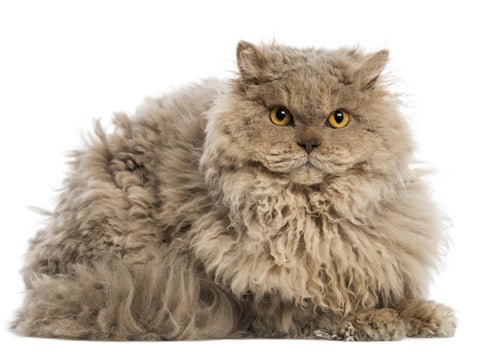
The most obvious trait of curly haired cats is their soft, wavy fur that feels like a gentle cloud to the touch. Unlike regular cat fur, their curls can range from loose waves to tight spirals, giving each cat a one-of-a-kind coat.
This curly texture isn’t just for show—it often means less shedding, which can be a bonus if you dislike constant fur cleanup. Have you noticed how their fur seems to bounce back when you run your fingers through it? That’s a unique feature you won’t find in many other breeds.
Common Physical Features
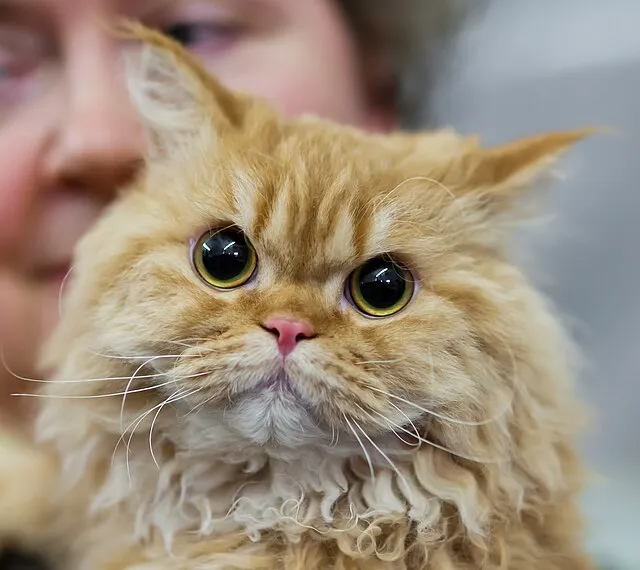
Besides their curly coats, these cats often have large ears and expressive eyes that add to their quirky appearance. Many breeds also have slender bodies paired with long legs, giving them an elegant yet playful look.
Some curly haired cats have whiskers and eyebrows that curl too, which can surprise you the first time you see it. These physical traits aren’t just cute—they often relate to their breed’s history and adaptation, making each feature meaningful.
Behavioral Characteristics
Curly haired cats are known for their friendly and curious nature. They often enjoy interacting with people and can be quite social, making them great companions if you want a cat that’s engaged and lively.
Many owners share stories of their curly cats following them around the house or showing playful antics that brighten the day. Does your cat have a quirky habit? These behavioral traits often make curly haired cats unforgettable pets.

Credit: www.alynnrex.com
Popular Curly Haired Breeds
Curly haired cat breeds stand out for their unique, wavy fur and charming personalities. These cats bring a special look and feel to any home. Their soft, curly coats invite gentle touches and admiration. Each breed has distinct traits and care needs.
Here are some of the most popular curly haired cat breeds that many cat lovers adore.
Selkirk Rex
The Selkirk Rex has thick, plush curls that cover its whole body. It is often called the “sheep cat” because of its fluffy coat. This breed is calm, friendly, and loves to be around people. Selkirk Rex cats have round faces and big eyes that make them look very sweet.
Cornish Rex
Cornish Rex cats have fine, soft curls that lie close to the skin. Their coat feels like velvet and is very lightweight. These cats are active and playful, always ready for fun. They have large ears and slender bodies, giving them an elegant appearance.
Devon Rex
The Devon Rex features short, curly fur with a soft texture. It has large eyes and ears that make it look a bit like an elf. This breed is very social and enjoys spending time with its family. Devon Rex cats are known for their lively and curious nature.
German Rex
German Rex cats have a dense coat of soft curls that cover their bodies. They are affectionate and often form strong bonds with their owners. This breed is gentle and quiet, making it a good companion for calm households. Their curly fur is easy to care for and adds to their charm.
Care Tips For Curly Coats
Caring for curly coats on cats needs special attention and gentle handling. Curly-haired breeds like the Selkirk Rex or LaPerm have unique fur textures that require tailored care. Proper grooming, bathing, and diet keep their curls healthy and soft. Neglect can lead to mats and skin problems.
Grooming Techniques
Use a wide-toothed comb to detangle curls carefully. Avoid pulling or yanking to prevent discomfort. Brush gently in the direction of hair growth to maintain curl shape. Remove loose hair to reduce shedding. Check ears, eyes, and paws during grooming for any issues. Trim nails regularly to avoid scratching the delicate fur.
Bathing Frequency
Bathing should be done only when necessary. Over-bathing can dry out the skin and damage curls. Use a mild, cat-safe shampoo designed for sensitive skin. Rinse thoroughly to remove all shampoo. Dry the coat gently with a towel or low heat dryer. Keep bathing intervals at least four to six weeks apart.
Diet And Nutrition
Feed a balanced diet rich in omega-3 and omega-6 fatty acids. These nutrients support healthy skin and shiny fur. Include high-quality protein to strengthen hair strands. Fresh water must always be available to keep skin hydrated. Supplements like fish oil can improve coat texture but consult a vet first.
Credit: pets24.co.za
Health Issues To Watch
Curly haired cat breeds bring charm and uniqueness to any home. Their delicate coats need special care. Health concerns often relate to genetics and skin sensitivity. Knowing these helps owners keep cats happy and healthy.
Common Genetic Concerns
Many curly-haired cats inherit specific health issues. Some may face heart problems like hypertrophic cardiomyopathy. Kidney diseases also appear in certain breeds. Genetic testing can reveal risks early. Breeders should prioritize healthy lineage. Owners must watch for signs like lethargy or appetite loss.
Skin Sensitivity
Curly coats tend to be more fragile than regular fur. Skin may get dry or irritated easily. Allergies can cause itching or redness. Bathing too often removes natural oils. Use gentle shampoos designed for sensitive skin. Regular brushing prevents mats and allows skin to breathe.
Regular Vet Checkups
Routine vet visits catch health problems early. Vets check heart, kidneys, and skin condition. Vaccinations and parasite control keep cats safe. Discuss diet and grooming with the vet. Early detection improves treatment success. Schedule checkups at least once a year.
Adopting A Curly Haired Cat
Adopting a curly haired cat brings charm and uniqueness into your home. These cats are playful and affectionate companions. Their distinctive fur requires some care but offers a special bond. Choosing the right cat involves thoughtful steps. Understanding where to find them and how to prepare your home matters. The joy of a curly haired cat starts with good preparation and care.
Finding Reputable Breeders
Reputable breeders focus on health and temperament. They provide detailed information about the cat’s background. Visit the breeder’s facility to see the living conditions. Ask about health checks and vaccinations. A responsible breeder welcomes questions and offers support. Avoid breeders who hide information or rush sales. Reliable breeders help ensure a healthy, happy pet.
Shelter And Rescue Options
Many curly haired cats wait in shelters or rescues. These cats need loving homes and second chances. Shelters offer cats of all ages and personalities. Rescue groups often specialize in specific breeds or coat types. Adoption fees usually cover vaccinations and spaying or neutering. Consider adopting to save a life and gain a loyal friend. Visit local shelters to meet available curly haired cats.
Preparing Your Home
Prepare your home for a new curly haired cat carefully. Clear safe spaces where the cat can relax and explore. Provide scratching posts and toys to keep the cat active. Buy grooming tools suited for curly fur to prevent matting. Set up feeding areas with fresh water and quality food. Keep harmful plants and chemicals out of reach. A welcoming environment helps your cat feel secure and loved.
Frequently Asked Questions
What Are The Most Popular Curly Haired Cat Breeds?
Popular curly haired cat breeds include the Selkirk Rex, Cornish Rex, and Devon Rex. These breeds have distinctive wavy or curly fur that makes them unique and charming pets. Their coats vary in curl tightness and texture, attracting cat lovers worldwide.
How Do Curly Haired Cats Differ From Regular Cats?
Curly haired cats have unique fur caused by genetic mutations. Their coats are softer, curlier, and often hypoallergenic compared to regular cats. These cats require special grooming to maintain their curls and prevent matting, making them distinct in appearance and care needs.
Are Curly Haired Cats Hypoallergenic Pets?
Many curly haired cats, like the Cornish Rex and Devon Rex, are considered hypoallergenic. Their short, curly coats reduce shedding and dander. However, no cat breed is completely allergen-free, but these breeds may be better for allergy sufferers.
What Is The Best Grooming For Curly Haired Cats?
Curly haired cats need gentle grooming with a soft brush or comb. Regular brushing prevents tangles and maintains coat health. Bathing occasionally helps remove oils and dirt. Avoid harsh grooming tools to keep their curls intact and beautiful.
Conclusion
Curly haired cat breeds bring charm and uniqueness to any home. Their soft, wavy fur stands out from other cats. Many enjoy their playful and friendly nature. Caring for these cats can be simple with the right tips. Choosing a curly haired cat means welcoming a special pet.
Each breed has its own traits and care needs. Discovering these cats can add joy to your life. They make great companions for many families. Consider their personality and grooming before adopting. A curly haired cat can be a loving friend.
