

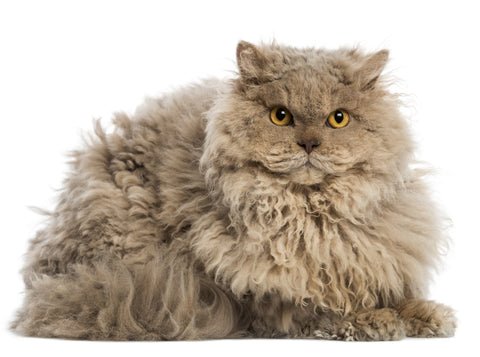
Imagine a cat that turns heads not just for its charming personality but also for its unique, curly coat. Curly cat breeds are a fascinating blend of elegance and quirkiness, offering a delightful twist to the feline world.
Whether you’re a seasoned cat enthusiast or just starting your journey into the world of feline companionship, these breeds will captivate you with their distinct looks and endearing traits. Are you ready to discover which curly cat might be the perfect addition to your home?
Keep reading to uncover the secrets of these curly-coated wonders and find out why they might be the ideal furry friend for you.
Popular Curly Cat Breeds
Curly cat breeds are truly one-of-a-kind companions. Their unique coats not only catch the eye but also offer a different petting experience that many cat lovers cherish. If you’re curious about which breeds sport these charming curls, here’s a closer look at some of the most popular curly cat breeds you might consider adding to your home.
Selkirk Rex
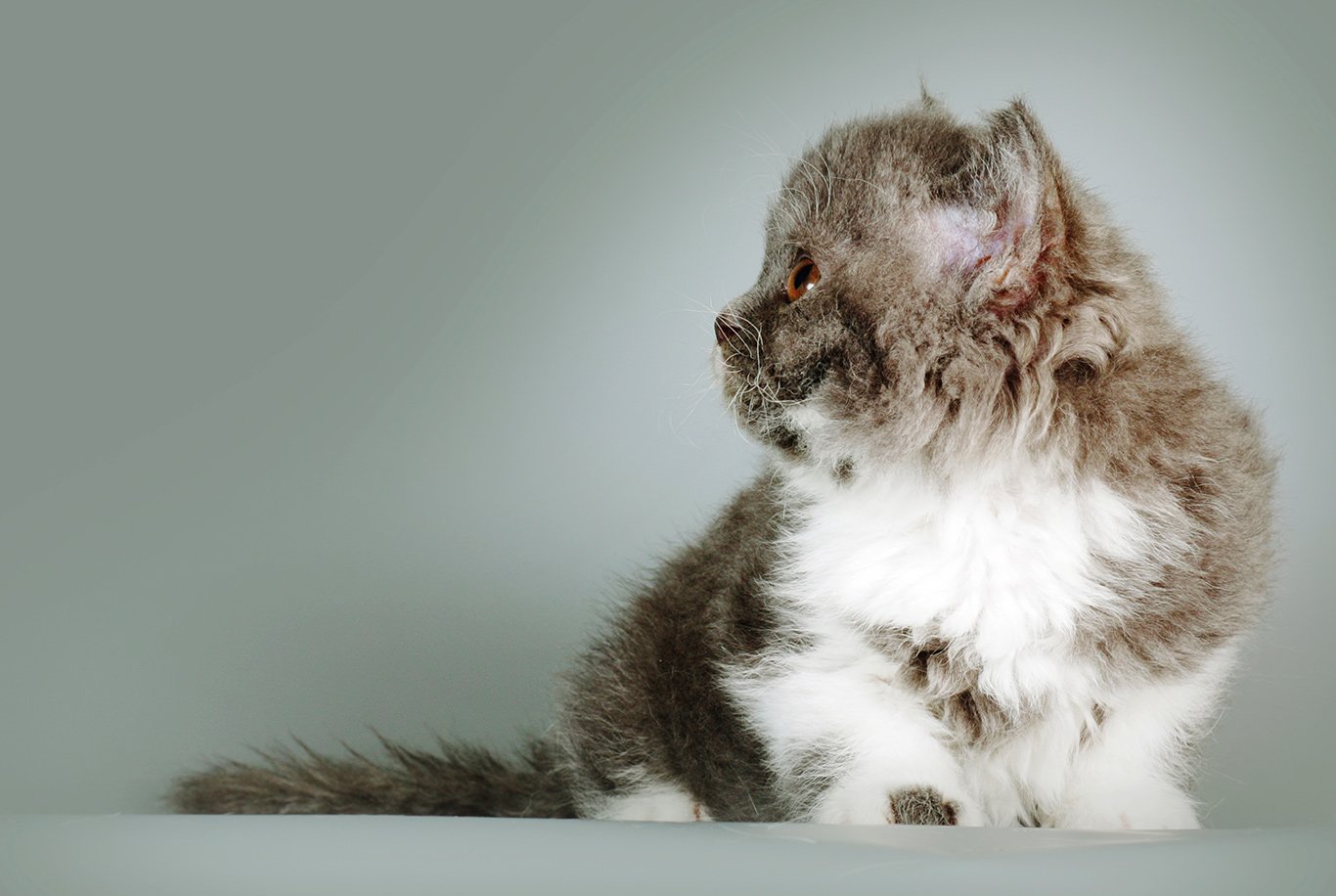
The Selkirk Rex stands out with its thick, plush curls that feel like soft wool. Unlike other curly breeds, their coat can be long or short, adding variety to their appearance. I once met a Selkirk Rex whose fur was so springy, it bounced back when stroked, making petting sessions surprisingly fun.
These cats have a calm and friendly personality, making them great for families. Their unique fur needs gentle grooming to keep the curls intact. Have you ever touched a cat whose fur felt more like a teddy bear?
Laperm
LaPerm cats have delicate, ringlet-like curls that cover their entire body. Their fur is lightweight and soft, which means less shedding for you to clean up. I remember a LaPerm that loved curling up on my lap, its curls tickling my arm with every gentle movement.
This breed tends to be affectionate and curious, enjoying playtime and human company. Their curly coat requires regular care but not as much as you might expect. Could a cat with such a playful nature brighten your daily routine?
Cornish Rex
The Cornish Rex sports tight, wavy curls that feel silky smooth to the touch. Their short coat is almost like velvet, and they shed very little. I was surprised by how warm a Cornish Rex felt despite its thin fur, almost like they have a built-in heater.
These cats are energetic and intelligent, often entertaining themselves with toys or puzzles. Their grooming needs are minimal, but they do appreciate gentle brushing. Would you enjoy a cat that’s as lively as it is soft?
Devon Rex
The Devon Rex is known for its large ears and soft, curly coat that looks almost like a vintage hairstyle. Their curls are looser than other breeds, giving them a unique and charming look. I once saw a Devon Rex prance around as if it knew it was the center of attention.
They have playful, mischievous personalities and form strong bonds with their owners. Their coat doesn’t require much grooming but benefits from occasional care. Could the playful energy of a Devon Rex add a spark to your home?

Credit: www.hindustantimes.com
Distinctive Coat Features
Curly cat breeds stand out due to their unique coat features. Their fur is not just soft but has special shapes and textures. These traits make curly cats a favorite for many pet lovers. Understanding their coat helps in caring for them properly.
Curl Patterns And Textures
Curly cats have fur that bends and twists in different ways. Some coats show tight spirals like springs. Others have loose waves or gentle curls. The texture can range from silky to fluffy. This diversity makes each curly cat unique and beautiful.
Shedding And Maintenance
Curly coats shed less than many other cats. Their curled fur holds onto loose hair better. This means less hair around the house. Grooming is easier but still important. Regular brushing helps remove dead hair and keeps curls smooth. Bathing is rarely needed unless the cat gets dirty.
Hypoallergenic Qualities
Some curly cat breeds produce fewer allergens. Their coat traps dander, reducing airborne particles. People with mild allergies might find these cats easier to live with. No cat is fully hypoallergenic, but curly breeds can be a better choice for sensitive homes.
Personality Traits Of Curly Cats
Curly cat breeds are not just unique because of their distinctive fur; their personalities are equally captivating. Understanding their character traits helps you connect better and care for them in ways that suit their nature. Let’s dive into what makes the personalities of curly cats stand out.
Playfulness And Energy
Curly cats often carry a surprising amount of energy. They love to chase toys, climb, and explore their environment with curiosity. If you enjoy interactive playtime, these cats will match your energy and keep you entertained.
Some curly cats, like the Selkirk Rex, show bursts of playful behavior even into adulthood. Have you noticed your cat suddenly darting around the room for no clear reason? That’s their playful spirit shining through.
Affection And Social Behavior
Many curly cats are known for their affectionate nature. They enjoy being close to their humans and often seek out laps or cozy spots nearby. These cats can be quite social, sometimes greeting guests with friendly curiosity.
However, their social needs can vary. Some curly cats prefer quiet companionship, while others thrive in lively households with multiple pets. Pay attention to how your cat reacts to new people or situations to understand their comfort zone.
Intelligence And Trainability
Curly cats tend to be sharp learners. They can pick up tricks, respond to commands, and even adapt quickly to new routines. Their intelligence makes them great candidates for puzzle toys and training sessions.
If you want a cat that can learn to fetch or walk on a leash, a curly breed might surprise you. Have you tried teaching your cat a new trick recently? Their quick minds might make the experience more rewarding than you expect.

Credit: www.alynnrex.com
Health Considerations
Curly cat breeds, with their unique and charming coats, require special attention to their health. Understanding their specific needs helps you keep your feline friend happy and thriving. Paying close attention to genetics, grooming, and lifestyle choices can make a big difference in their well-being.
Common Genetic Issues
Many curly cat breeds, such as the Devon Rex and Selkirk Rex, have specific genetic traits that can lead to health concerns. You might notice some are prone to heart conditions like hypertrophic cardiomyopathy or joint problems.
Regular veterinary check-ups are essential to catch these issues early. Ask your vet about genetic testing and be proactive in monitoring your cat’s health. How often do you check your cat’s heart health?
Grooming Needs
Curly coats look beautiful but require gentle care. Their fur is often more delicate than that of straight-haired cats and can be prone to tangling or skin irritation.
Use a soft brush and avoid harsh grooming tools. Bathing your curly cat occasionally can help manage oil buildup, but don’t overdo it—too much bathing can dry out their skin.
Pay attention to any changes in their coat texture or skin condition. Have you noticed how your cat’s curls react to different grooming routines?
Diet And Exercise
Maintaining a balanced diet is vital for curly cats to support healthy skin and coat. Foods rich in omega fatty acids can help keep their curls shiny and reduce skin dryness.
Exercise also plays a key role in their overall health. Regular playtime helps maintain a healthy weight and prevents joint stiffness, especially in breeds prone to mobility issues.
Try interactive toys or climbing trees to keep your cat active. What activities does your cat enjoy that also keep them moving?
Choosing The Right Curly Cat
Choosing the right curly cat means thinking beyond just their adorable looks. These unique felines come with distinct personalities and care needs that can either fit perfectly into your life or create unexpected challenges. Understanding your daily routine, home environment, and long-term plans can help you find a curly cat breed that feels like a true companion.
Matching Lifestyle And Breed
Curly cat breeds vary from energetic to laid-back. Ask yourself how much time you can spend interacting with your cat daily. If you have a busy schedule, breeds like the Devon Rex, known for being playful but independent, might suit you better than a breed craving constant attention.
Also, consider your living space. Some curly cats adapt well to apartments, while others enjoy roaming larger areas. Think about noise levels, other pets, and family members, especially kids, as these factors influence your cat’s comfort and happiness.
Adoption Vs. Breeder
Deciding between adoption and buying from a breeder can shape your experience with a curly cat. Adoption centers sometimes have curly cats needing homes, offering a chance to save a life and possibly save money. However, specific breeds might be harder to find there.
Breeders provide detailed knowledge about the cat’s lineage and health history. This helps you anticipate potential health issues common to curly breeds, like skin sensitivity or ear infections. Always research breeders thoroughly to ensure ethical practices and healthy cats.
Costs And Commitments
Curly cats can require special grooming and medical care, which adds to your monthly expenses. Their curly fur often needs gentle cleaning and specific shampoos to maintain its texture and health. Budgeting for these needs upfront can prevent surprises later.
Think about your commitment to long-term care. Curly cats can live 12-15 years or more, meaning you are responsible for their well-being for a long time. Are you ready to adjust your lifestyle and finances to provide that care?
Credit: www.husse.ee
Frequently Asked Questions
What Are The Most Popular Curly Cat Breeds?
Popular curly cat breeds include the Devon Rex, Cornish Rex, and LaPerm. These breeds are known for their unique curly fur and playful personalities.
Do Curly Cats Have Special Grooming Needs?
Yes, curly cats require gentle grooming due to their delicate fur. Regular brushing prevents matting and keeps their coat healthy and soft.
Are Curly Cat Breeds Hypoallergenic?
Some curly cat breeds, like the Devon Rex, are considered hypoallergenic. They produce fewer allergens, making them better for allergy sufferers.
How Do Curly Cat Breeds Differ In Temperament?
Curly cat breeds are generally affectionate, playful, and social. Each breed has unique traits, but all enjoy interactive play and companionship.
Conclusion
Curly cat breeds bring charm and uniqueness to any home. Their soft, curly fur feels special to touch. These cats often have playful and loving personalities. Choosing a curly cat means enjoying a pet with distinct looks. Remember to care for their coats gently and regularly.
Each breed offers different traits to explore and enjoy. Curly cats make great companions for many families. They add joy and warmth with their quirky appearance. Consider these breeds if you want a cat that stands out. Their curly coats and sweet nature make them truly special pets.
