

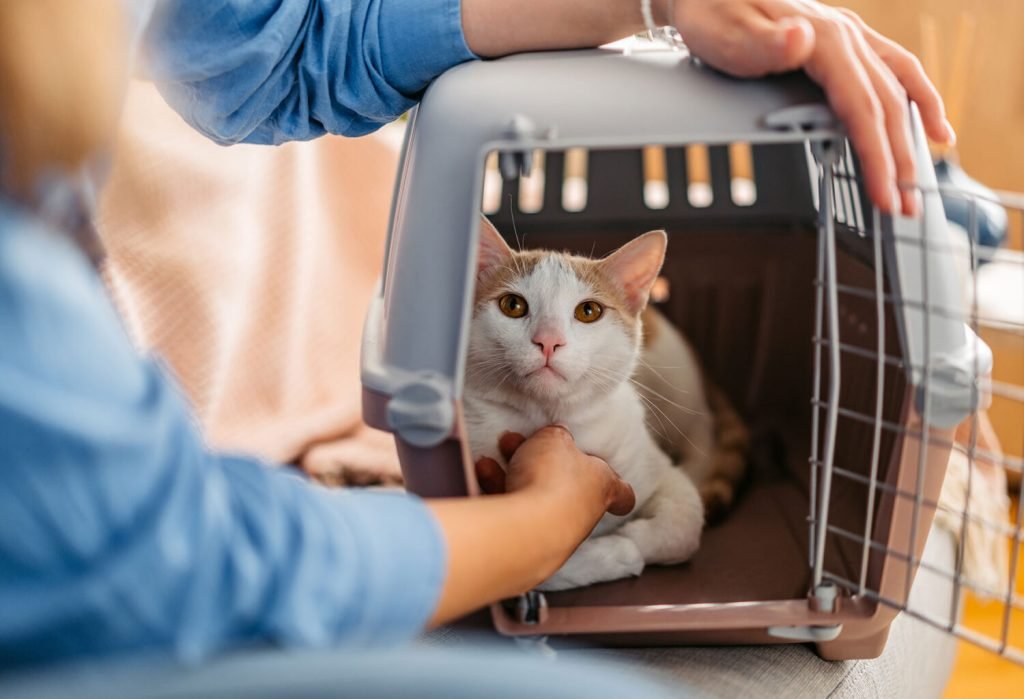
Have you ever wondered if crate training your cat could make life easier for both of you? Imagine having a safe, cozy space where your furry friend feels calm and secure, whether you’re traveling or managing their behavior at home.
Crate training cats might sound unusual, but it can bring surprising benefits that you’ll want to discover. If you want to create a stress-free environment for your cat and enjoy more peace of mind, keep reading—this guide will show you how to make crate training a positive experience for your beloved pet.

Credit: theoreticallyteddy.com
Benefits Of Crate Training
Crate training your cat can transform how you manage their behavior and safety. It offers a controlled space that your cat can learn to love, making daily routines smoother for both of you. Understanding the benefits might inspire you to try this approach and see positive changes in your cat’s habits.
Creates A Safe And Comfortable Space
Your cat gains a personal retreat where they feel secure. This space reduces stress during noisy or busy times at home. Many cats naturally seek out small, enclosed areas to relax, so a crate can satisfy this instinct.
Helps With House Training
Crate training supports litter box habits by encouraging your cat to hold it until they’re let out. Since cats dislike soiling their sleeping area, the crate teaches them to wait for bathroom breaks. This can be especially helpful with kittens or cats adjusting to a new home.
Reduces Destructive Behavior
When you can’t supervise your cat, a crate prevents them from chewing wires or scratching furniture. It keeps them safe and your belongings intact. Have you noticed your cat getting into trouble when left alone? A crate might be the answer.
Aids In Travel And Vet Visits
Crate training makes trips less stressful by familiarizing your cat with the carrier. Your cat feels more secure during car rides or vet visits when their crate is a known safe zone. This comfort can reduce anxiety-related behaviors like hiding or aggression.
Supports Recovery And Rest
If your cat needs to heal from surgery or illness, a crate can limit their movement safely. This controlled environment encourages rest and speeds up recovery. Have you ever struggled to keep your cat calm after a vet visit? Crate training can simplify this process.
Credit: www.ottawahumane.ca
Choosing The Right Crate
Choosing the right crate for your cat is more than just picking a box to contain them. It sets the tone for their comfort and safety during training. A well-chosen crate can make your cat feel secure and encourage positive crate behavior.
Size And Material
Your cat needs enough space to stand, turn around, and lie down comfortably. A crate that’s too small will cause stress, while one that’s too large may feel unsafe to your cat. Think about your cat’s current size and potential growth if they’re still young.
Materials matter because they affect durability and comfort. Plastic crates offer privacy and a cozy feel, while wire crates provide better ventilation and visibility. Consider how your cat likes to feel—some prefer hiding spots, others like to see their surroundings.
Safety Features
Safety should never be an afterthought. Look for crates with secure latches that your cat cannot accidentally open. Check for smooth edges and sturdy construction to avoid injuries.
Ventilation is key to prevent overheating, especially in warmer climates. If you travel often, a crate with good padding and shock absorption will protect your cat from bumps and jolts.
Have you checked if the crate’s materials are non-toxic? Cats love to chew, and toxic paint or plastics can harm them. Always prioritize crates that meet pet safety standards.
Preparing Your Cat For Crate Time
Preparing your cat for crate time is essential to make the experience positive and stress-free. Cats are naturally curious but cautious creatures, so setting the stage carefully helps them feel safe and secure. Taking small, thoughtful steps will make your cat more willing to enter and stay in the crate without anxiety.
Creating A Comfortable Space
Your cat’s crate should feel like a cozy retreat, not a cage. Add soft bedding, like a fleece blanket or a small cushion, to create warmth and comfort. Including a favorite toy or a piece of your clothing with your scent can make the space more inviting.
Place the crate in a quiet area where your cat can relax without loud noises or too much foot traffic. You want your cat to associate the crate with peace and safety. Think about the lighting too—soft, natural light works best.
Introducing The Crate Gradually
Let your cat explore the crate at their own pace. Start by leaving the door open and placing treats or food inside to encourage curiosity. Avoid forcing your cat inside; instead, reward any interaction with praise or a small snack.
Spend time near the crate, sitting quietly and talking softly to your cat. This helps build positive associations. Increase the time your cat spends inside slowly, beginning with just a few minutes and gradually extending it.
Have you noticed how your cat reacts to new things at home? Use that observation to guide your introduction speed. Patience here can turn crate time from a stressful event into a comfortable habit.
Training Techniques
Training techniques are key to successful crate training for cats. Using gentle and consistent methods helps cats feel safe and comfortable in their crates. Patience and clear signals guide cats through the learning process. Simple, positive actions encourage cats to accept their crate as a cozy space.
Positive Reinforcement
Positive reinforcement rewards good behavior. Give treats or gentle praise when the cat enters or stays calm in the crate. This builds a happy link between the crate and rewards. Avoid punishment. It creates fear and slows progress. Use soft voices and petting to make the cat relaxed. Small rewards often work best to keep interest high.
Establishing A Routine
Routine helps cats know what to expect. Set fixed times for crate sessions every day. Short sessions work better than long ones at first. Try using the crate before meals or naps. This makes the crate a normal part of the cat’s day. Consistency reduces stress and speeds up training. Keep the crate in a quiet, cozy spot so the cat feels safe.
Common Challenges
Crate training cats can be a rewarding experience, but it often comes with its own set of challenges. Understanding these common obstacles helps you prepare and respond effectively. Knowing what to expect keeps frustration low and progress steady.
Dealing With Resistance
Many cats resist the crate at first. They may hiss, scratch, or simply refuse to enter. This behavior often stems from their natural curiosity and desire for freedom.
Try letting your cat explore the crate freely without forcing them inside. Place treats or favorite toys near and inside the crate to create positive associations. Have you noticed how your cat reacts when you leave the door open?
Consistency is key. Short, calm sessions work better than long, stressful ones. Avoid using the crate as punishment, or your cat will link it to negative experiences.
Managing Anxiety
Crate anxiety shows through pacing, meowing, or even refusing to eat. This reaction is common, especially if the crate feels unfamiliar or confined.
Start by making the crate feel safe and comfortable. Add soft bedding and cover part of the crate to reduce visual stimuli. Have you tried playing gentle music nearby to soothe your cat?
Gradually increase the time your cat spends in the crate, rewarding calm behavior with treats or affection. Staying patient during this process can turn anxiety into a calm, routine part of your cat’s day.

Credit: www.reddit.com
Crate Use Beyond Training
Using a crate for your cat doesn’t have to stop at training. Once your feline friend is comfortable inside, the crate becomes a versatile tool that can ease many everyday situations. It can help reduce stress and keep your cat safe, especially when life throws unexpected challenges your way.
Travel And Vet Visits
Traveling with a cat can be stressful for both of you. A familiar crate offers your cat a safe space during car rides, reducing anxiety significantly. I once noticed my usually nervous cat stayed calm through a long trip simply because she had her cozy crate with her.
At the vet, cats often face strange smells and sounds. Having a crate ready helps you keep your cat secure and comfortable while waiting. It also protects them from potential interactions with other animals, making visits smoother.
Temporary Confinement
Sometimes, you need to keep your cat in one place temporarily—for example, during house cleaning, repairs, or when guests arrive. A crate provides a secure spot where your cat can relax without feeling trapped.
Make sure to add soft bedding and a favorite toy to the crate to keep your cat happy during short stays. Have you tried using the crate as a calm retreat during busy or noisy days? Many cat owners find it helps their pet feel less overwhelmed.
Frequently Asked Questions
What Is Crate Training For Cats?
Crate training for cats involves teaching them to feel safe and comfortable inside a crate. It helps with travel, vet visits, and managing behavior. The process uses positive reinforcement and gradual introduction to the crate environment.
How Long Should I Crate Train My Cat Daily?
Start with short sessions of 10 to 15 minutes daily. Gradually increase the time as your cat gets comfortable. Avoid forcing your cat to stay in the crate for long periods to prevent stress.
Can Crate Training Reduce My Cat’s Anxiety?
Yes, crate training can reduce anxiety by providing a safe space. The crate acts as a secure retreat during stressful situations like travel or loud noises. Consistent positive experiences inside the crate build trust.
What Supplies Do I Need For Crate Training Cats?
You need a well-ventilated, appropriately sized crate, soft bedding, and favorite toys. Treats and a calming pheromone spray can also encourage your cat. Make sure the crate is easy to clean and comfortable.
Conclusion
Crate training cats helps keep them safe and calm. It creates a cozy spot for rest and travel. Patience and kindness make the process smooth and easy. Small steps build trust between you and your cat. Remember, every cat learns at its own pace.
Enjoy the journey and celebrate each success. A well-trained cat feels secure and happy. Try crate training to improve your cat’s comfort today.
