

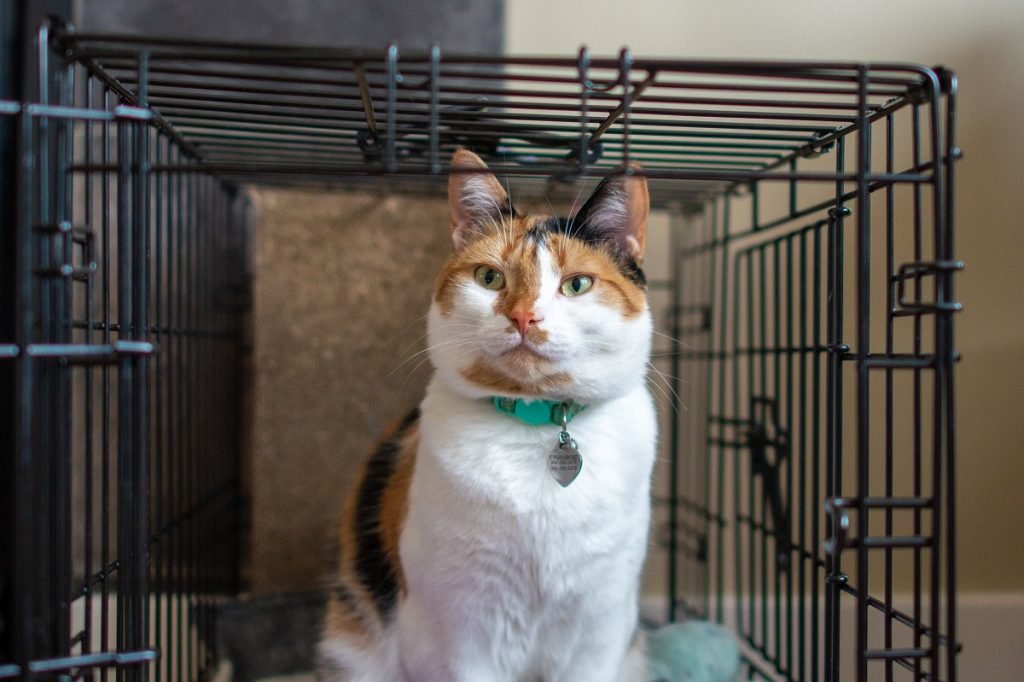
If you’ve ever wondered whether crate training a cat is possible, you’re not alone. You might think crates are only for dogs, but with the right approach, your feline friend can feel safe and comfortable in one too.
Imagine having a cozy space for your cat that helps reduce stress during trips or vet visits. This guide will show you simple steps to make crate training easy and stress-free for both you and your cat. Keep reading to discover how to turn a crate into your cat’s new favorite spot.
Benefits Of Crate Training Cats
Crate training cats offers many benefits for both pets and owners. It creates a safe space for cats and helps manage their behavior. Cats feel more secure and less stressed in their crate. This training also makes travel easier and less chaotic. Owners notice better behavior at home as cats learn boundaries and routines.
Safety And Comfort
A crate provides a secure spot for cats to rest and hide. It keeps them safe from household hazards and other pets. Cats enjoy having a quiet, cozy place just for themselves. Crates can reduce anxiety by giving cats control over their space. This comfort helps cats feel calm and relaxed during stressful times.
Travel Convenience
Crate training prepares cats for trips and vet visits. Cats stay calm and contained during travel. Owners find it easier to carry cats in a crate. It prevents cats from escaping or getting lost. Travel becomes smoother and less stressful for both cats and owners.
Behavioral Improvements
Crate training helps cats develop good habits. It reduces destructive behaviors like scratching furniture. Cats learn to respect personal boundaries and routines. The crate acts as a time-out space during misbehavior. Over time, cats become more disciplined and well-adjusted.
Choosing The Right Crate
Choosing the right crate for your cat is a crucial first step in successful crate training. The crate should feel like a safe space, not a prison. Selecting the right size, material, and design can make all the difference in how quickly your cat adapts.
Size And Material
Pick a crate that offers enough room for your cat to stand, turn around, and lie down comfortably. Too small, and your cat will feel trapped; too large, and it won’t feel cozy or secure. Soft-sided crates are great for comfort, but hard-sided ones provide more durability, especially if your cat tends to scratch or bite.
Think about your cat’s personality—are they shy or bold? A sturdy plastic crate with a solid door might help shy cats feel safer, while bolder cats may enjoy the openness of a mesh crate. Have you noticed your cat’s preference for enclosed spaces or open views? This can guide your choice.
Ventilation And Accessibility
Proper airflow is essential to keep your cat comfortable inside the crate. Look for crates with multiple ventilation panels or mesh windows to ensure good air circulation. This is especially important if you plan to crate your cat for longer periods.
Accessibility matters too. Choose a crate with doors that open wide and from different angles. This makes it easier to place your cat inside or take them out without stress. Have you tried opening the crate in front of your cat? A smooth, easy-access door can reduce anxiety for both of you.
Portable Options
If you travel often or visit the vet regularly, portability becomes a key factor. Lightweight crates with carry handles or shoulder straps make transportation easier. Some models even fold flat for convenient storage when not in use.
Consider whether your crate fits in your car or carries comfortably on public transport. A portable crate that feels cumbersome can add stress to your cat’s experience. What’s your typical travel routine? Matching the crate to your lifestyle will benefit both you and your cat.
Preparing The Crate
Preparing the crate is a key step in helping your cat feel safe and comfortable in their new space. It’s not just about putting them inside a box; it’s about creating an environment that invites them to relax and explore at their own pace. How you set up the crate can make all the difference in how quickly your cat adapts.
Creating A Cozy Space
Start by choosing a crate that is large enough for your cat to stand, turn around, and lie down comfortably. Add soft bedding to the bottom—something plush but washable works best. Cats love small, enclosed spaces, so adding a blanket draped over part of the crate can give a sense of security and privacy.
Think about positioning the crate in a quiet corner away from loud noises and heavy foot traffic. Have you noticed how your cat picks spots where they feel safe? Mimicking that environment inside the crate can encourage them to use it willingly.
Using Familiar Scents
Familiar smells are powerful comfort tools for cats. Place an item that smells like your cat’s favorite spot or their own blanket inside the crate. This eases anxiety because it signals that this new space is still part of their world.
You can also rub a soft cloth on your cat’s cheeks and then place it in the crate. Cats recognize their own scent and the scent of their owner, so this simple step can build trust with the crate. Have you tried this before? It often surprises owners how much their cat responds to scent cues.
Adding Toys And Bedding
Including your cat’s favorite toys can make the crate more inviting and encourage them to spend time inside. Soft toys or interactive ones like small balls or feather wands work well. Avoid overcrowding the crate; a few select items are enough to keep your cat interested.
Make sure bedding is not only soft but also something your cat already enjoys. If they have a particular blanket or cushion they love, adding it to the crate helps them associate the space with comfort. Have you noticed how your cat often naps with a certain blanket? That same comfort can be brought into the crate.

Credit: www.reddit.com
Introducing The Crate Gradually
Introducing your cat to a crate takes patience and care. A sudden introduction can create stress or fear, making future crate time difficult. Taking it slow helps your cat feel safe and curious instead of trapped.
Positive Associations
Start by placing the crate in a familiar room without closing the door. Add soft bedding and some of your cat’s favorite toys inside. You can even sprinkle a few treats or use catnip to make the crate inviting.
Have you noticed how cats love cozy spots? By making the crate a place with good things, your cat will begin to see it as a safe and enjoyable space.
Short Sessions
Keep initial crate visits brief—just a few minutes at a time. Gradually increase the duration as your cat becomes more comfortable. Avoid closing the door too soon; let your cat come and go freely.
Patience here pays off. Short, positive experiences build trust and reduce anxiety around the crate.
Encouraging Exploration
Encourage your cat to explore the crate on their own terms. Toss treats just inside the entrance or place a favorite toy in the back. Avoid forcing your cat inside; curiosity works better than pressure.
Have you tried sitting near the crate and talking softly? Your calm presence can reassure your cat that the crate is a friendly place to explore.
Feeding And Treats Inside The Crate
Feeding your cat inside the crate helps build a positive connection with the space. It turns the crate into a safe and rewarding spot rather than a place of confinement. This approach makes your cat more likely to enter willingly and enjoy the crate time.
Mealtime Routine
Set a consistent feeding schedule where your cat eats inside the crate. Start by placing the food bowl just inside the door, then gradually move it deeper as your cat gets comfortable. This slow progression helps your cat associate the crate with something enjoyable—mealtime.
Try to feed your cat at the same times every day. Cats thrive on routine, and predictable feeding times encourage them to enter the crate without hesitation. Have you noticed how your cat’s mood changes when their meal is delayed? This routine can reduce stress around crate time.
Using Treats For Motivation
Treats are powerful motivators that make the crate inviting. Drop small, tasty treats inside the crate randomly throughout the day. This unpredictability keeps your cat curious and eager to explore the space.
Choose treats your cat loves and save them only for crate time. This special reward builds excitement and reinforces positive behavior. Have you ever watched a cat’s eyes light up for a favorite snack? Use that spark to guide your training.
- Offer treats just as your cat enters the crate.
- Use treats to encourage calm behavior inside the crate.
- Gradually reduce treats as your cat becomes more comfortable.
Remember, patience is key. Feeding and treats inside the crate create trust and comfort that make crate training successful.

Credit: www.catbosstv.com
Dealing With Common Challenges
Crate training a cat can come with some common challenges. Cats may not easily accept the crate or might feel scared. Addressing these problems patiently helps your cat feel safe and comfortable. Small steps and gentle care make a big difference.
Handling Resistance
Many cats resist entering a crate at first. Avoid forcing your cat inside. Let your cat explore the crate freely. Place treats and toys inside to encourage curiosity. Keep the crate door open during training. Praise your cat for calm behavior near the crate. Patience is key to reduce resistance.
Reducing Anxiety
Some cats feel anxious about the crate. Create a cozy space inside with soft bedding. Use familiar scents by adding a piece of your clothing. Keep the crate in a quiet, low-traffic area. Talk softly to your cat while near the crate. Short sessions inside the crate help ease anxiety. Gradually increase the time your cat spends inside.
Avoiding Negative Experiences
Negative experiences can make cats fear the crate. Never use the crate as punishment. Avoid sudden movements or loud noises around the crate. Always make crate time positive with treats and petting. Remove the cat gently, never grab or pull. Consistency in kindness builds trust over time.
Maintaining Consistency
Maintaining consistency is key to successful crate training for your cat. Cats thrive on routine, so keeping a steady schedule helps them feel safe and secure. Consistency reduces stress and builds trust between you and your pet.
Establishing clear patterns makes the crate a familiar and comfortable space. Your cat will learn to associate the crate with calm and rest. This smooths the training process and encourages positive behavior.
Regular Crate Time
Set specific times each day for crate use. Short, regular sessions help your cat adjust without feeling trapped. Use calm moments, like after meals or playtime, for crate time.
Keep the environment pleasant with soft bedding and toys. Avoid forcing your cat into the crate. Let them enter voluntarily to build positive feelings.
Gradual Increase In Duration
Start with brief crate stays, just a few minutes long. Gradually extend the time over days or weeks. This slow approach prevents anxiety and helps your cat adapt.
Watch your cat’s comfort level closely. Stop increasing time if your cat shows signs of stress. Patience is essential for lasting success.
Monitoring Cat’s Behavior
Observe your cat’s reactions during and after crate time. Look for signs like purring, relaxed posture, or calm breathing. These show comfort and acceptance.
Note any signs of distress, such as meowing, scratching, or restlessness. Adjust your training routine accordingly. Consistent monitoring guides you to the best approach.
Credit: www.petmd.com
Using The Crate For Travel And Vet Visits
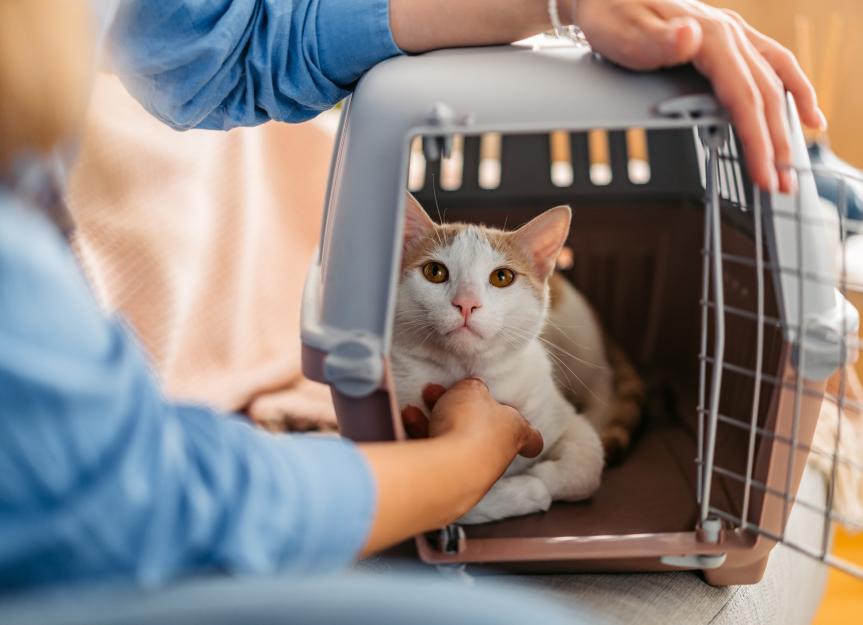
Using a crate for travel and vet visits helps keep your cat safe and secure. A familiar crate reduces stress during trips and makes handling easier. Proper crate use can turn travel into a calmer experience for both you and your cat.
Preparing For Trips
Start by introducing the crate in your home. Place soft bedding inside for comfort. Let your cat explore the crate at its own pace. Use treats or toys to create positive feelings. Practice short sessions of crate time daily. Pack essentials like water, food, and a favorite toy for the trip.
Keeping Calm During Transport
Secure the crate in the car to prevent movement. Cover the crate with a light blanket to reduce outside distractions. Speak softly to soothe your cat during travel. Avoid sudden stops or loud noises. Take breaks for longer trips to check on your cat. Keep the environment quiet and calm to ease anxiety.
Frequently Asked Questions
How Long Does Crate Training A Cat Take?
Crate training a cat usually takes 1 to 3 weeks. Consistency and patience speed up the process. Daily short sessions help cats adjust comfortably.
Is Crate Training Safe For Cats?
Yes, crate training is safe when done properly. Use a crate large enough for comfort. Never force your cat inside; make it inviting.
Can Crate Training Reduce Cat Anxiety?
Crate training can reduce anxiety by providing a secure space. It helps cats feel safe during travel or vet visits. Positive reinforcement improves their comfort level.
What Supplies Do I Need For Crate Training?
You need a comfortable crate, soft bedding, treats, and toys. A familiar scent inside the crate helps cats feel at ease. Patience and gentle encouragement are essential too.
Conclusion
Crate training a cat requires patience and consistency. Start with short sessions. Gradually increase the time spent in the crate. Always use positive reinforcement. Offer treats and praise for good behavior. Make the crate a cozy space. Place toys and a soft blanket inside.
Your cat will feel secure and comfortable. Remember, every cat is unique. Adjust the training to fit your cat’s needs. With time, your cat will enjoy the crate. This method can reduce stress and anxiety. A happy cat makes a happy home.
