

Are you considering welcoming a new feline friend into your home? Adopting a cat is a rewarding experience, but it’s crucial to understand the financial aspects involved.
The cost of cat adoption might initially seem straightforward, but there are many factors to consider that can affect your budget. From adoption fees to ongoing care expenses, knowing what to expect can help you make an informed decision. Dive into this article to uncover hidden costs, smart budgeting tips, and how to ensure you give your new furry companion the best life possible without breaking the bank.
Your journey to responsible pet ownership starts here, and we’re here to guide you every step of the way.

Credit: www.thecaffeinatedcatcafe.com
Initial Adoption Fees
Initial adoption fees are the first cost you encounter when bringing a cat home. These fees vary widely based on where you adopt from. Understanding these fees helps you prepare better. It also ensures you know what you are paying for.
Shelter Vs. Breeder Costs
Shelters usually charge less for adoption fees. The fee ranges from $50 to $150. This cost often includes basic care and medical treatments. Shelters focus on finding homes for cats in need.
Breeders tend to charge higher fees. Prices can range from $500 to $1500 or more. This cost often covers breed-specific care and registration papers. Breeders aim to provide purebred cats with known lineage.
Choosing between a shelter and breeder depends on your budget and preferences. Shelters offer a chance to save a life. Breeders provide specific breeds with known traits.
What Adoption Fees Cover
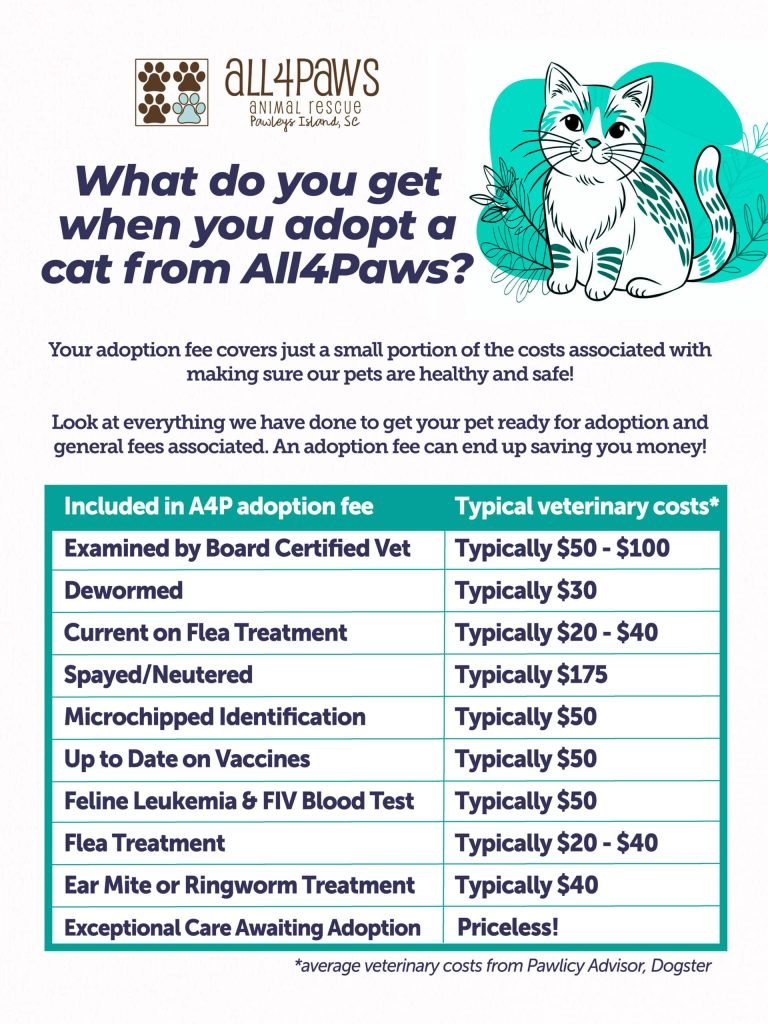
Adoption fees usually include important services. These may cover:
- Spaying or neutering
- Vaccinations
- Microchipping
- Health checkups
- Basic supplies like a collar or food sample
These services save money after adoption. They ensure the cat starts healthy in their new home. Some shelters also offer free or discounted vet visits post-adoption. Always ask what is included in the fee before adopting.

Credit: www.purrfectcatrescue.com
Medical Expenses
Medical expenses make up a significant part of the cost when adopting a cat. These costs ensure your new pet stays healthy and happy from day one. Understanding them helps you prepare financially and avoid surprises.
Vaccinations And Vet Visits
Vaccinations protect your cat from common diseases and are essential for their well-being. Initial shots can cost between $50 and $100, depending on your location and the vet. Regular vet visits, usually twice a year, help catch health issues early and keep vaccinations up to date.
When I adopted my cat, I realized skipping vaccinations wasn’t an option. It’s a small investment that saves you from expensive treatments later. Are you ready to commit to these ongoing health checks?
Spaying And Neutering
Spaying or neutering your cat prevents unwanted litters and reduces health risks like infections and certain cancers. The price generally ranges from $100 to $300. Many shelters include this in the adoption fee, but if not, you should budget for it.
Consider how this procedure also improves your cat’s behavior, making your home more peaceful. It’s a one-time cost that benefits both you and your pet in the long run.
Microchipping
Microchipping is a small device implanted under your cat’s skin that helps reunite you if your cat gets lost. It usually costs around $40 to $70. This simple step can save you heartache and money down the line.
Think about the peace of mind you gain knowing your cat has a digital ID. Would you want to risk losing your furry friend without this safety net?
Basic Supplies
Adopting a cat means preparing some basic supplies. These items ensure your new pet feels safe and comfortable. Basic supplies also help keep your home clean and organized. Budgeting for these essentials is important for a smooth transition.
Food And Water Bowls
Choose sturdy bowls that are easy to clean. Stainless steel or ceramic options work best. Avoid plastic bowls to prevent bacteria buildup. Pick sizes suitable for your cat’s eating habits. Having separate bowls for food and water is ideal.
Litter Boxes And Litter
Select a litter box that fits your space and your cat’s size. Covered boxes offer privacy but need good ventilation. Clumping litter makes cleaning simpler and faster. Scoop the box daily to keep odors away. Replace litter entirely every week for hygiene.
Bedding And Carriers
Provide a soft bed in a quiet spot for rest. Beds come in many shapes and sizes to fit your cat’s preference. A carrier is essential for vet visits and travel. Choose a durable carrier with good ventilation and easy access. Make the carrier comfortable with a soft blanket inside.
Ongoing Care Costs
Adopting a cat means more than just the initial fee. Ongoing care costs add up over time. These expenses keep your cat healthy and happy. Understanding these costs helps you budget better for your new pet. Here are the main ongoing care costs to expect.
Food Expenses
Quality cat food is essential for good health. Cats need a balanced diet with proteins, fats, and vitamins. Dry food is usually cheaper but wet food can improve hydration. Expect to spend between $20 and $50 per month. Special diets or treats may increase this cost.
Regular Vet Checkups
Routine vet visits help prevent health problems. Cats should see a vet at least once a year. Vaccinations, dental care, and checkups cost around $100 to $200 yearly. Older cats or those with health issues may need more frequent visits.
Flea And Parasite Control
Fleas and parasites cause discomfort and illness. Monthly treatments like topical drops or collars protect your cat. These products cost about $10 to $20 each month. Regular prevention saves money on costly treatments later.
Optional Extras
When adopting a cat, the initial fee covers most basics, but optional extras can quickly add up. These extras enhance your cat’s happiness and health but require additional budgeting. Knowing what to expect helps you prepare for these costs without surprises.
Toys And Entertainment
Toys keep your cat active and mentally stimulated. Simple items like feather wands or laser pointers often cost under $10, but interactive toys or automated gadgets can reach $50 or more.
Think about how much time your cat spends alone. Investing in climbing trees or puzzle feeders can prevent boredom and destructive behavior. Have you noticed your cat’s favorite toy type? Tailoring entertainment to their preferences makes a big difference.
Grooming Services
Grooming is more than just looking good—it’s about your cat’s comfort and health. While some cats groom themselves well, others need regular brushing or professional trims, especially long-haired breeds.
Professional grooming sessions usually cost between $40 and $70. If you groom at home, you’ll spend on brushes, nail clippers, and possibly shampoos. Would you rather learn basic grooming techniques or rely on a professional?
Pet Insurance
Unexpected vet bills can be a financial shock. Pet insurance gives you peace of mind by covering accidents and illnesses beyond routine care.
Monthly premiums vary widely, often between $15 and $50, depending on coverage. Consider your cat’s age and health history before choosing a plan. Is the monthly cost worth the security it provides for you and your feline friend?

Credit: pawmettolifeline.org
Unexpected Expenses
Adopting a cat brings joy, but unexpected expenses can catch you off guard. These costs might not be obvious at first but can add up quickly. Understanding these potential expenses helps you prepare better and provide the best care for your new furry friend.
Emergency Vet Visits
Emergency vet visits are often the most surprising expense. Cats can develop sudden health issues or get injured, requiring immediate medical attention. These visits can cost hundreds or even thousands of dollars, depending on the severity of the situation.
Think about how you would handle an emergency if your cat suddenly fell ill. Do you have a financial safety net or pet insurance to cover these unexpected costs? Planning ahead can save you stress and ensure your cat receives prompt care.
Behavioral Training
Some cats may develop behavioral problems that require professional help. Issues like scratching furniture, aggression, or litter box problems often need training or consultation with a behaviorist. These services come with fees that can strain your budget but improve your cat’s quality of life.
Have you noticed any problematic behaviors in your cat? Early intervention can prevent these issues from worsening and costing more in the long run. Investing in training might feel like an extra expense but often saves money and frustration later.
Home Damage Repairs
Cats love to scratch, climb, and explore, which can lead to damage around your home. Scratched furniture, torn curtains, or chewed cables are common issues. Repairing or replacing these items adds another layer of unexpected costs to cat ownership.
Consider how your home might handle a curious and active cat. Are there ways to protect your belongings upfront, like scratching posts or cord covers? Taking preventative steps can reduce repair expenses and keep your living space intact.
Frequently Asked Questions
What Is The Average Cost Of Adopting A Cat?
Adopting a cat typically costs between $50 to $150. This fee often covers vaccinations, spaying/neutering, and microchipping. Prices vary by shelter location and cat age. Always check with local shelters for exact fees and included services.
Are There Additional Expenses After Cat Adoption?
Yes, after adoption, expect costs for food, litter, and toys. Veterinary care, including vaccinations and check-ups, adds to expenses. Budget for unexpected medical needs. These ongoing costs ensure your cat stays healthy and happy.
How Does Adopting A Cat From A Shelter Save Money?
Shelter adoptions often include vaccinations and spaying/neutering in the fee. This reduces initial veterinary costs compared to buying a cat. Shelters may also provide starter supplies. Adopting saves money and gives a cat a loving home.
Can Adopting An Older Cat Reduce Adoption Costs?
Older cats usually have lower adoption fees than kittens. Shelters encourage adopting seniors by offering discounts. Older cats may require less training and fewer supplies. This option can be budget-friendly and rewarding.
Conclusion
Adopting a cat brings joy and responsibility. Costs vary by shelter and cat’s needs. Budget for initial fees, food, toys, and vet visits. Planning ahead helps avoid surprises. A loving home matters most for a happy cat. Consider adoption as a long-term commitment.
Your care makes a big difference in their life. Choose wisely and enjoy your new furry friend.
