

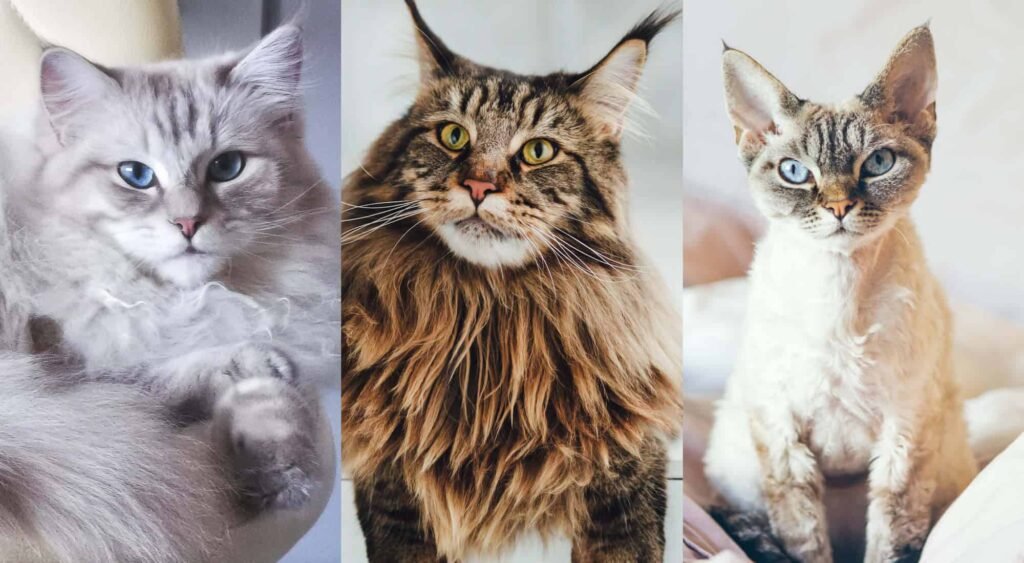
Are you curious about the different types of cats you might welcome into your home? Whether you’re thinking about adding a furry friend or just want to know more about these charming companions, understanding common domestic cat breeds can help you find the perfect match.
Each breed has its own unique personality, look, and care needs that could fit your lifestyle in surprising ways. Keep reading, and you’ll discover which cat breed might become your next best friend.
:format(jpeg):quality(75))
Credit: manypets.com
Popular Cat Breeds
Popular cat breeds have captured the hearts of many cat lovers worldwide. Each breed offers unique looks and personalities. Some cats are playful and vocal, while others are calm and affectionate. These breeds often appear in homes, showing their charm and companionship.
Siamese
Siamese cats are known for their striking blue eyes and sleek bodies. They have short coats with a color point pattern. These cats love to talk and interact with their owners. Siamese cats are very social and enjoy being part of family activities.
Maine Coon
Maine Coons are one of the largest domestic cat breeds. They have long, thick fur and bushy tails. These cats are gentle giants, friendly and good with children. Their playful nature makes them great pets for active families.
Persian
Persian cats have long, luxurious coats and flat faces. They are calm, quiet, and enjoy a relaxed lifestyle. Persians prefer calm environments and gentle handling. Regular grooming keeps their fur soft and healthy.
Ragdoll
Ragdolls are large, affectionate cats with striking blue eyes. They often go limp when held, which is how they got their name. These cats are very gentle and love to cuddle. Ragdolls get along well with other pets and children.
Bengal
Bengal cats look like little leopards with their spotted coats. They are very active and love to climb and explore. Bengals need lots of playtime and mental stimulation. Their energetic nature suits owners who enjoy lively pets.
Credit: paradepets.com
Breed Characteristics
Understanding the breed characteristics of domestic cats can help you choose the right companion for your lifestyle. Each breed has unique traits that influence their behavior, appearance, and energy levels. Knowing these details will make your relationship with your cat more rewarding and enjoyable.
Appearance
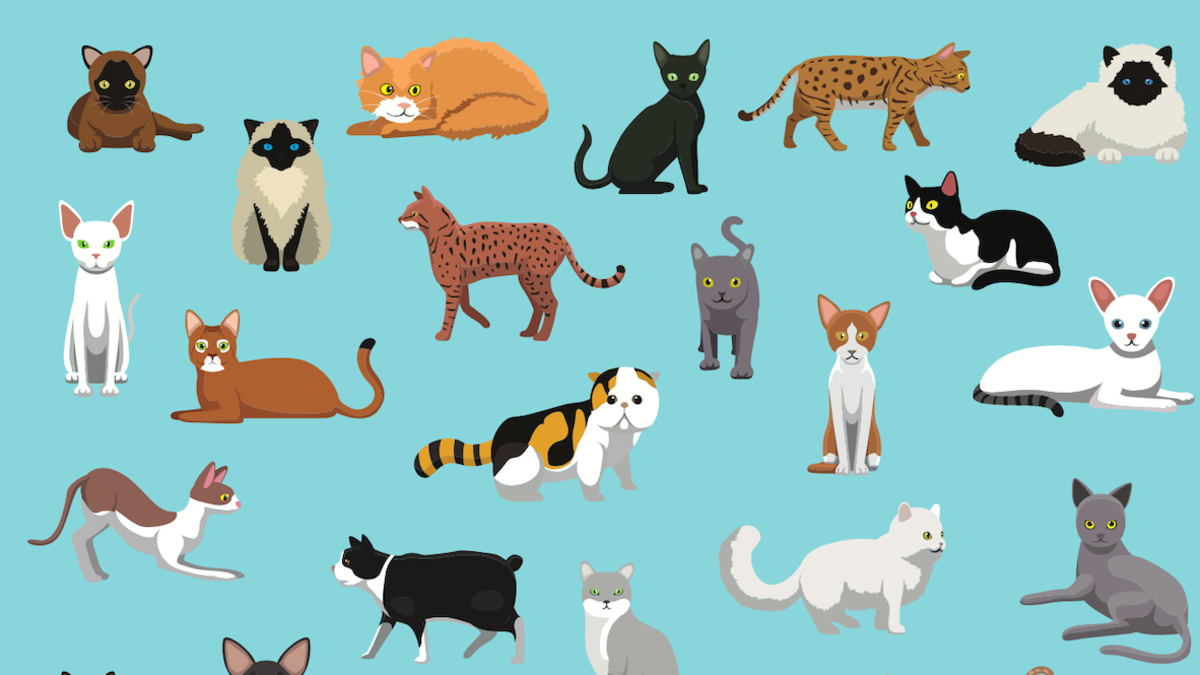
Domestic cat breeds vary widely in size, coat type, and color. For example, the Maine Coon is known for its large size and thick, long fur, while the Siamese stands out with its sleek body and striking color points on its ears, face, paws, and tail.
Some breeds have distinctive features like the Scottish Fold’s folded ears or the Sphynx’s hairless skin. These differences affect not only how they look but also their grooming needs.
When choosing a breed, consider how much time you want to spend on grooming. Cats with long fur usually need more maintenance to prevent mats and tangles.
Personality Traits
Cat breeds can have very different personalities. For instance, Ragdolls are known for their gentle and affectionate nature, often following their owners around the house. In contrast, Bengals are energetic and curious, always ready to explore their environment.
Do you prefer a cat that enjoys quiet lap time or one that’s more playful and interactive? Your choice will affect your daily interactions and the bond you build.
Keep in mind that personality can vary even within a breed, but breed tendencies give you a good starting point to understand what to expect.
Activity Levels
Some breeds require a lot of physical and mental stimulation. For example, Abyssinians are highly active and love climbing and playing, which means you’ll need to provide plenty of toys and climbing spaces.
On the other hand, British Shorthairs tend to be more laid-back and enjoy lounging around most of the day. This can suit households looking for a more relaxed pet.
Think about your own activity level and available time. Can you keep up with a cat that demands attention and exercise, or would a calmer breed suit your pace better?
Choosing The Right Cat
Choosing the right cat breed is important for a happy home. Different cats have unique needs and personalities. Picking a breed that fits your lifestyle helps build a strong bond. Consider your living space, allergies, and time available to care for your pet. This will make life easier for both you and your new friend.
Living Environment
Some cats need more space than others. Large breeds like Maine Coons enjoy room to roam. Smaller or calmer cats like Ragdolls adapt well to apartments. Think about your home size and outdoor access. Quiet cats suit calm homes, while active cats thrive in busy places. Matching a cat to your environment reduces stress for both.
Allergy Considerations
Cat allergies affect many people. Some breeds cause fewer allergic reactions. Siberian and Balinese cats are known for being hypoallergenic. Regular grooming lowers allergen levels in any cat. Choose a breed that fits your allergy sensitivity. This helps keep you and your family comfortable.
Time Commitment
Caring for a cat takes time every day. Some breeds need more attention and playtime. Siamese cats are social and demand lots of interaction. Others, like British Shorthairs, are more independent. Think about how much time you can give. A cat that matches your schedule will be happier and healthier.

Credit: www.oakleighcentralvet.com.au
Health And Care Tips
Keeping your cat healthy and happy requires attention to their specific needs. Different breeds may have unique requirements, but some health and care tips apply to all domestic cats. Understanding these basics helps you provide the best environment and lifestyle for your furry friend.
Diet Needs
Your cat’s diet should match their breed, age, and activity level. Some cats, like Siamese, are more energetic and may need more protein to maintain muscle. Others, such as Persian cats, might benefit from diets rich in omega fatty acids for their coat health.
Always provide fresh water and avoid overfeeding to prevent obesity. Have you noticed your cat’s energy drop after certain meals? Tracking their diet can reveal what foods suit them best.
Grooming Requirements
Long-haired breeds like Maine Coons and Persians need daily brushing to prevent matting and reduce shedding. Short-haired cats, such as the American Shorthair, require less grooming but still benefit from weekly brushing to keep their coat shiny.
Regular grooming also helps you spot skin issues or parasites early. When I started brushing my Maine Coon daily, I noticed fewer hairballs and a softer coat within weeks.
Common Health Issues
Each breed has its own health concerns. For instance, Scottish Folds are prone to joint problems, while Siamese cats can suffer from respiratory issues. It’s important to watch for symptoms like lethargy, changes in appetite, or unusual behavior.
Regular vet visits and vaccinations keep your cat protected. Do you know the common health risks your cat’s breed faces? Being informed can save you time and stress later.
Adoption And Breeder Advice
Choosing the right domestic cat breed often begins with where and how you decide to bring your new feline friend home. Whether you’re leaning towards adoption or purchasing from a breeder, having reliable advice can make a significant difference in your experience. Knowing what to look for ensures your cat’s health and happiness while protecting you from common pitfalls.
Finding Reputable Breeders
Trustworthy breeders prioritize the health and temperament of their cats over profit. They should willingly share health records, lineage, and allow you to meet the kitten’s parents. Visiting the breeder’s facility in person gives you a clear sense of the cats’ living conditions and care standards.
Ask about genetic testing and vaccinations. A responsible breeder will also provide guidance on the breed’s specific needs and be available for questions after adoption. Have you ever wondered if a breeder’s passion matches the quality of their cats? That’s something you can often sense in a visit or conversation.
Adopting From Shelters
Shelters and rescue groups offer a wide variety of domestic cat breeds and mixes waiting for homes. Adoption can be a rewarding way to give a cat a second chance. Many shelters provide behavior assessments and medical care before adoption, helping you find a pet that fits your lifestyle.
Consider adopting an adult cat if you want to avoid the unpredictability of kittens. You might be surprised by the unique personalities and bonds that develop quickly with shelter cats. Have you thought about how adopting affects not just the cat but the broader community?
Avoiding Scams
Unfortunately, scams are common in the pet world, especially online. Be cautious if a deal sounds too good to be true or if the seller pressures you for quick payment. Never send money without verifying the seller’s identity and the cat’s location.
Use video calls to see the cat live before making any decisions. Legitimate breeders and shelters will understand your caution and support your due diligence. What questions or concerns do you think are most important to raise before committing?
Frequently Asked Questions
What Are The Most Popular Domestic Cat Breeds?
Popular domestic cat breeds include the Persian, Siamese, Maine Coon, Ragdoll, and British Shorthair. Each breed has unique traits and temperaments that appeal to different cat lovers.
How Do Domestic Cat Breeds Differ In Personality?
Domestic cat breeds vary widely in personality. Siamese cats are vocal and social, while Persians tend to be calm and affectionate. Breed traits help match cats to owners’ lifestyles.
Which Domestic Cat Breed Is Best For Families?
Ragdolls and Maine Coons are excellent family cats. They are gentle, friendly, and good with children, making them popular choices for households with kids.
Are Domestic Cat Breeds Hypoallergenic?
Some breeds, like the Siberian and Balinese, are considered more hypoallergenic. However, no cat breed is completely allergy-free. Individual reactions vary.
Conclusion
Domestic cats come in many breeds, each with unique traits. Some are playful, others calm and loving. Choosing the right breed depends on your lifestyle and preferences. Knowing their needs helps you care for them better. Cats bring joy and comfort to many homes.
Understanding breeds can make your bond stronger. Enjoy the company of your furry friend every day.
