

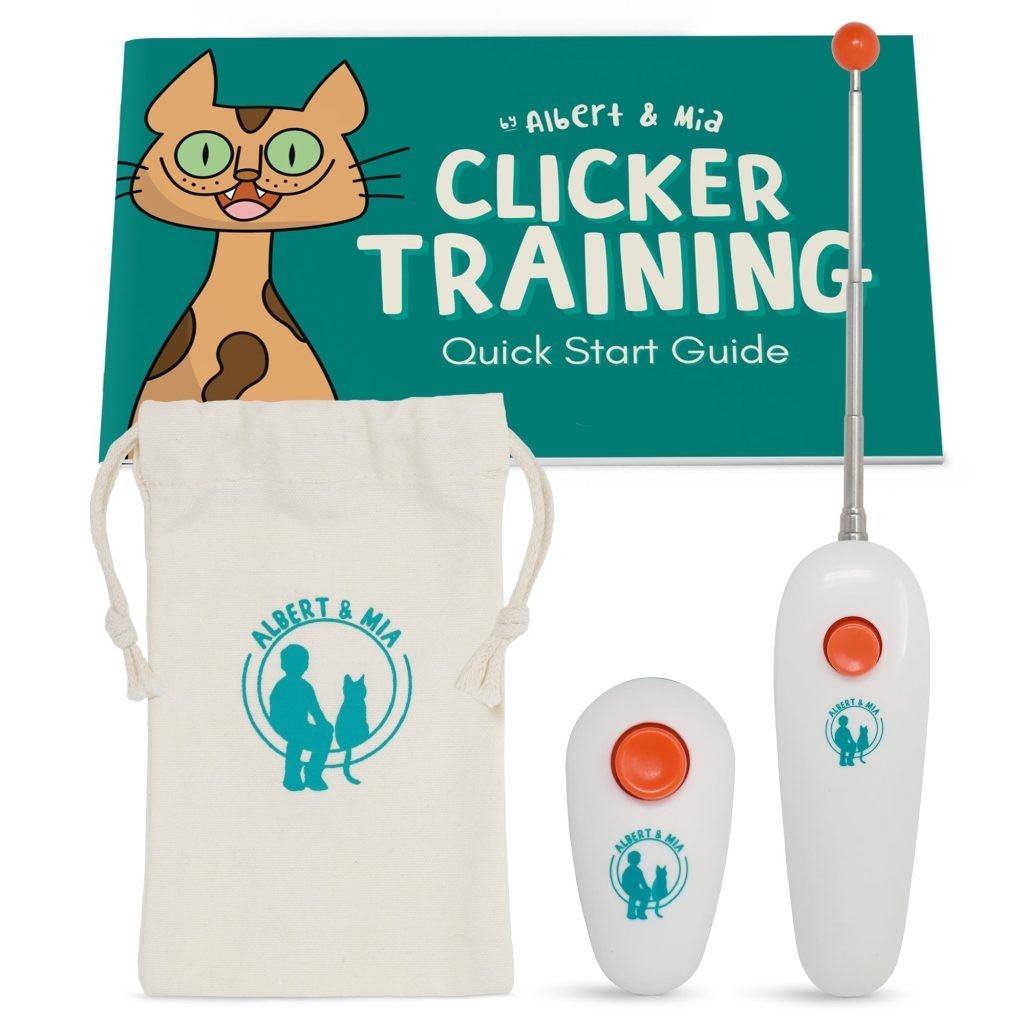
Have you ever wished your cat would listen to you or learn new tricks without the usual frustration? Clicker training a cat can change the way you and your furry friend communicate.
It’s a simple, fun method that turns training into a game both you and your cat will enjoy. Imagine your cat responding to commands, performing tricks, and behaving better—all while strengthening the bond between you. Keep reading to discover how clicker training can transform your relationship with your cat and make everyday life easier and more enjoyable.
Why Clicker Train Cats
Clicker training is a gentle and effective way to teach cats new behaviors. It uses a small sound, like a click, to mark good actions. Cats quickly learn to associate this sound with rewards. This method builds trust and clear communication between cats and their owners. Many cat owners find it improves their pet’s behavior and happiness.
Benefits For Cats And Owners
- Strengthens the bond through positive interaction
- Reduces stress by offering mental stimulation
- Encourages good behavior without punishment
- Helps shy or anxious cats gain confidence
- Makes vet visits and grooming easier
- Provides owners with a simple training tool
How Clicker Training Works
Clicker training uses the click sound to mark good behavior. The cat hears the click and knows a treat will follow. This helps the cat understand exactly what action is rewarded. Repeating this process teaches cats new tricks or commands. The clear signal helps cats learn faster and feel secure.
Choosing The Right Clicker
Choosing the right clicker is a key step in successful cat training. The perfect clicker should feel comfortable in your hand and produce a consistent sound that your cat can easily recognize. Picking the wrong one can slow down progress and even frustrate both you and your feline friend.
Types Of Clickers
Clickers come in several styles, each with its own advantages. The most common type is the plastic handheld clicker, which you press to make a sharp “click” sound. It’s small, lightweight, and easy to carry during training sessions.
Another option is a metal clicker that offers a crisper sound. Some trainers prefer these because the noise tends to carry farther and stay consistent over time. However, the metal clicker can be a bit louder, which might startle more sensitive cats.
There are also electronic clickers that use a button to create a sound electronically. These often allow you to adjust the volume, which can be handy if your cat is noise-sensitive or if you train in different environments.
What To Look For
- Sound consistency:The click should always sound the same to avoid confusing your cat.
- Comfort:Choose a clicker that fits well in your hand and is easy to press repeatedly.
- Volume:Consider your cat’s sensitivity and training environment to pick an appropriate volume level.
- Durability:Look for a sturdy clicker that won’t break after a few uses.
- Size:A compact clicker is easier to carry around for spontaneous training moments.
When I first started training my cat, I grabbed a bulky clicker without testing its sound. It made a dull noise that my cat ignored, and I wasted weeks trying to get his attention. Switching to a sharper, consistent clicker changed everything—he started responding almost immediately. What kind of sound does your cat respond to best?
Preparing Your Cat
Preparing your cat for clicker training sets the foundation for success. Cats respond best to calm and comfortable settings. Creating a good start helps your cat stay focused and eager to learn. Patience and timing also play key roles in shaping positive behaviors.
Setting Up A Positive Environment
Choose a quiet, cozy spot for training sessions. Remove distractions like loud noises or other pets. Use soft lighting and a comfortable surface for your cat. Keep the area clean and free from clutter. Have treats or favorite toys ready to reward good actions. This space should feel safe and inviting at all times.
Timing And Patience
Train in short sessions, about five minutes each. Cats have short attention spans and get bored fast. Watch your cat’s mood and stop if they seem stressed. Reward immediately after the desired behavior to help your cat connect action and reward. Repeat exercises regularly but avoid overdoing it. Patience helps your cat learn at their own pace.
Basic Clicker Training Steps
Clicker training a cat can transform your relationship, making communication clearer and more rewarding. The basic steps are simple but require patience and consistency. Each step builds on the previous one, helping your cat understand what you want through positive reinforcement.
Introducing The Clicker Sound
Start by letting your cat hear the clicker without any expectations. Click the device a few times and watch your cat’s reaction. Don’t rush to train commands yet—this step is about making the sound familiar and non-threatening.
Try clicking when your cat is relaxed or curious. You might notice your cat tilting its head or pausing to listen. This small moment is the foundation for effective training.
Associating Clicks With Treats
Next, create a clear connection between the click and a reward. Every time you click, immediately give your cat a tasty treat. This helps your cat understand the click means something good is coming.
Consistency is key here. If you click without a treat, your cat might get confused or lose interest. I once forgot to bring treats during a session, and my cat stopped responding to clicks for a while. Have treats ready and use small, delicious bites to keep your cat motivated.
Simple Commands To Start
Once your cat links the click with treats, introduce easy commands like “sit” or “come.” Use gentle hand signals or your voice as cues. When your cat performs the behavior, click and reward immediately.
Patience matters—cats learn at their own pace. Celebrate small wins and keep sessions short to avoid frustration. Have you noticed your cat responding better to certain words or gestures? Use those insights to customize your training approach.
Advanced Techniques
Advanced clicker training moves beyond simple tricks. It helps you teach your cat difficult tasks and fix unwanted habits. These techniques require patience and clear communication. They build trust and improve your cat’s focus. Training becomes more fun and rewarding for both of you.
Shaping Complex Behaviors
Shaping means teaching small steps toward a big goal. Each step is rewarded with a click and treat. This breaks down hard behaviors into easy actions. For example, to teach a cat to fetch:
- Click when the cat looks at the toy.
- Click when the cat touches the toy.
- Click when the cat picks up the toy.
- Click when the cat brings the toy closer.
- Click when the cat drops the toy near you.
Patience is key. Celebrate every tiny success. This method builds complex behaviors bit by bit.
Using Clicker Training For Problem Behaviors
Clicker training can reduce bad habits gently. It focuses on rewarding good choices instead of punishing mistakes. For example, if your cat scratches furniture:
- Click and reward when the cat uses a scratching post.
- Ignore or redirect scratching on furniture.
- Reward calm behavior near off-limits areas.
This approach teaches cats what you want, not just what you don’t. It creates positive learning and less stress.
Credit: www.cats.org.uk
Common Challenges
Training a cat with a clicker can be rewarding but comes with its own challenges. Cats have unique personalities and moods that affect learning. Understanding common obstacles helps trainers stay patient and effective.
Some difficulties arise from the environment, while others come from the cat’s nature. Recognizing these issues early improves the training experience for both the cat and owner.
Dealing With Distractions
Cats get easily distracted by noises, movements, or other pets. These distractions can interrupt focus during training sessions. A quiet and calm space helps keep the cat’s attention on the clicker and treats.
Short training sessions work better to avoid overwhelming your cat. Remove toys or items that might draw your cat’s attention away. Patience is key when distractions happen.
Maintaining Consistency
Consistency is vital in clicker training. Using the same commands and timing strengthens learning. Inconsistent signals confuse cats and slow progress.
Train at the same time each day. Use the same click sound and reward system. Consistent routines help cats understand what to expect and how to respond.
Handling Unresponsive Cats
Some cats may not respond quickly to clicker training. They might ignore the clicks or treats. This can be frustrating but requires gentle persistence.
Try different treats to find what motivates your cat. Keep sessions short and positive. Avoid forcing the cat; instead, encourage curiosity and reward small steps.
Tips For Successful Training
Successful clicker training requires patience and consistency. Small efforts over time help your cat learn new behaviors. Using the right techniques makes training fun and effective.
Short Sessions And Regular Practice
Keep training sessions brief, around 5 minutes each. Cats have short attention spans and can lose interest quickly. Practice daily to reinforce learning and build habits. Frequent, short sessions help your cat stay focused and motivated.
Positive Reinforcement Strategies
Reward your cat immediately after a correct response. Use treats, petting, or gentle praise as rewards. Avoid punishment or negative reactions; these can scare your cat. Positive reinforcement builds trust and encourages your cat to repeat good behavior.
Incorporating Play
Use toys and playtime to make training enjoyable. Play connects you with your cat and boosts their energy. Incorporate clicker cues during play to teach new skills. This keeps training lively and keeps your cat interested.
Tools And Treats That Work Best
Using the right tools and treats makes clicker training a cat more effective. Cats respond best to rewards that catch their interest quickly. Choosing items that motivate your cat will keep training sessions short and fun.
Selecting High-value Rewards
High-value rewards are small treats your cat loves. These treats should be tasty and easy to eat fast. Soft, smelly treats often work better than dry kibble. Use treats your cat does not get every day. This keeps the reward special and exciting.
- Cooked chicken or fish pieces
- Commercial cat treats with strong aroma
- Freeze-dried meat snacks
- Small bits of cheese or turkey
Keep treats tiny to avoid overfeeding. Reward your cat immediately after the click to link the action with the treat.
Using Toys And Clicker Apps
Toys can act as rewards or training tools. Use toys your cat enjoys, such as feather wands or laser pointers. Playtime can be a great way to reward good behavior. Interactive play keeps your cat engaged and active.
- Feather wands for chasing
- Small balls or mice toys
- Laser pointers for quick movement
Clicker apps on phones or tablets work well if you do not have a physical clicker. These apps make the same clear sound to mark behavior. They are easy to carry and use anywhere.
Measuring Progress
Measuring progress in clicker training helps understand your cat’s learning journey. It shows how well your cat responds to cues and rewards. Careful tracking keeps training focused and effective. It also highlights areas needing more work or patience.
Tracking Behavior Changes
Observe your cat’s actions during each session. Note how often your cat responds correctly. Watch for new behaviors or habits forming. Use a simple chart or notebook to record results. Track the time it takes your cat to learn each step. This helps spot steady improvement or plateaus.
- Record correct responses per session
- Note any new tricks or cues learned
- Mark times when your cat seems confused
- Watch for signs of stress or boredom
Adjusting Training Plans
Use your records to decide what to change next. Increase reward frequency if your cat struggles. Slow down training pace to boost confidence. Add breaks to avoid frustration or fatigue. Change clicker sounds if your cat stops responding. Always keep sessions short and positive.
- Change reward timing based on progress
- Modify session length for better focus
- Introduce new cues gradually
- Reinforce old behaviors to maintain skills

Credit: www.catschool.co
Inspiring Clicker Training Stories
Clicker training has changed many cats’ lives. This simple tool helps cats learn fun tricks and good habits. Stories from cat owners show how effective and rewarding clicker training can be. These stories inspire others to try this method and see positive results.
Successes From Cat Owners
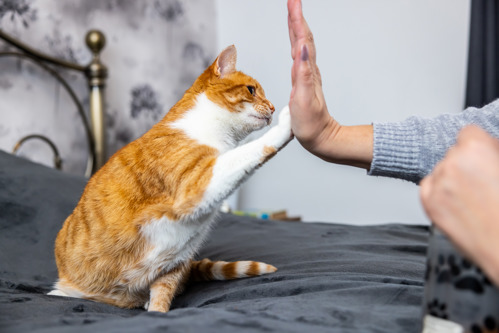
Many cat owners share their success with clicker training. Some cats learned to come when called. Others mastered simple tricks like sit, high-five, or spin. These achievements make daily life easier and more joyful.
One owner taught her shy cat to use a scratching post instead of furniture. Another owner helped a nervous cat feel calm during vet visits. These small wins bring big happiness to both cats and owners.
Unexpected Benefits
Clicker training brings more than tricks. It builds trust between cats and owners. Cats become more confident and curious. Owners notice less stress and fewer behavior problems.
Training sessions create special bonding time. Cats get mental exercise and stay sharp. Owners feel proud and connected. These benefits improve the overall relationship and life quality for both.
:strip_icc()/spruce-pets-cat-clicker-training-5594c453bd7f499aa8e7cf756d485afc.png)
Credit: www.thesprucepets.com
Frequently Asked Questions
What Is Clicker Training For Cats?
Clicker training uses a small device that makes a clicking sound. It marks desired behaviors in cats, helping them learn new tricks quickly. This positive reinforcement technique improves communication and strengthens the bond between you and your cat.
How Do I Start Clicker Training My Cat?
Begin by associating the clicker sound with a treat. Click, then immediately give your cat a treat. Repeat until your cat links the click to rewards. Next, click when your cat performs a desired behavior, reinforcing positive actions.
How Long Does Clicker Training Take For Cats?
Training duration varies by cat’s age and personality. Most cats learn simple commands within a few weeks. Consistent daily sessions of 5-10 minutes yield the best results. Patience and positive reinforcement are key to successful training.
Can Clicker Training Solve Behavioral Problems?
Yes, clicker training helps modify unwanted behaviors by rewarding good habits. It encourages cats to replace bad behaviors with positive actions. This method is gentle and effective, making behavior correction easier and stress-free for both you and your cat.
Conclusion
Clicker training helps build trust between you and your cat. It makes learning fun and clear for your pet. Patience and consistency bring the best results. Start with small steps and celebrate each success. Your cat will enjoy the rewards and attention.
Training creates a stronger bond every day. Try it and see your cat respond happily. Simple, positive actions lead to great progress. Keep sessions short and pleasant for good results. Your cat can learn new skills with time and care.
