

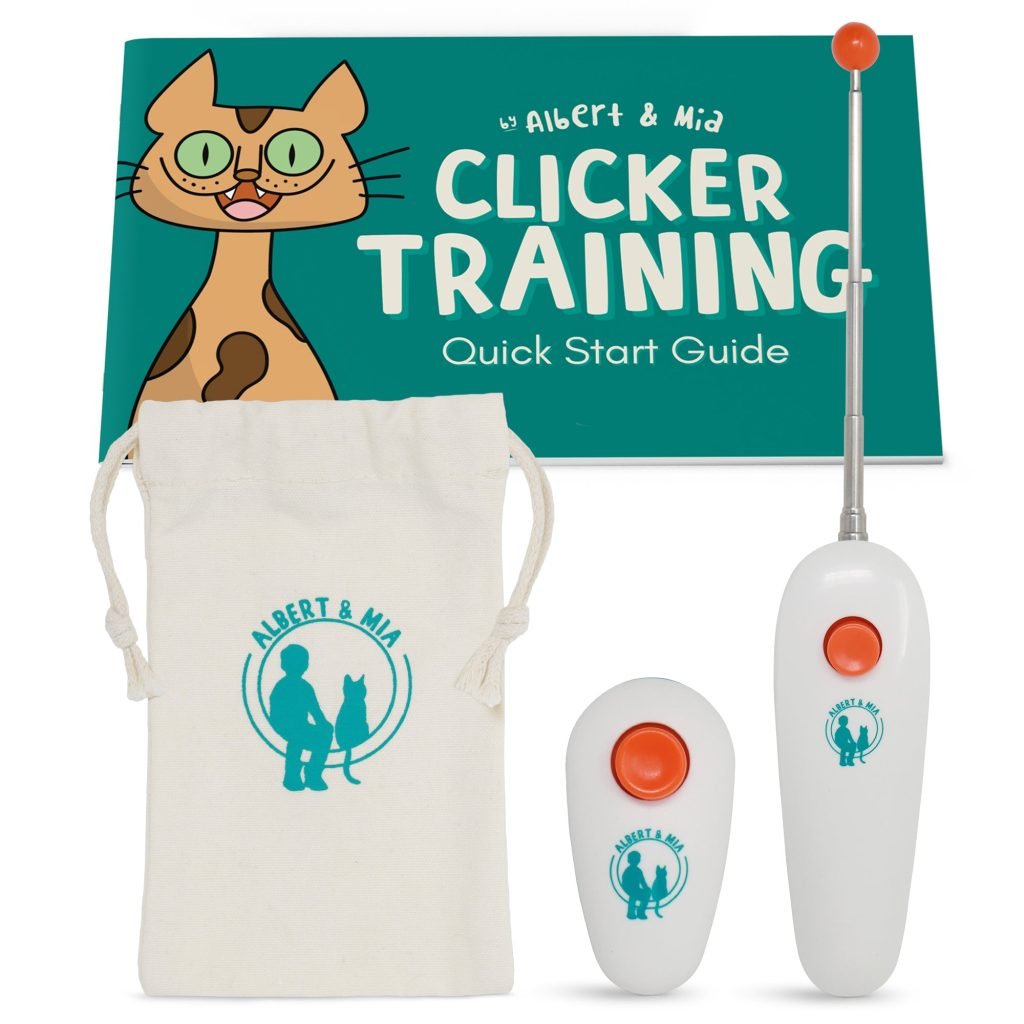
Training your cat might sound impossible, but what if there was a simple, fun way to teach your furry friend new tricks? Clicker training is a powerful method that can help you communicate clearly with your cat.
Imagine your cat responding eagerly to commands, making your daily life easier and more enjoyable. You’ll discover how to clicker train a cat step-by-step, unlocking a whole new level of bonding and understanding. Keep reading to learn the secrets that can turn your curious kitty into a well-behaved companion.
Credit: www.cats.org.uk
Why Clicker Training Works
Clicker training works by using a simple sound to communicate with cats. This sound marks the exact moment a cat does something right. It helps cats understand what behavior earns a reward. The clear signal removes confusion and encourages learning quickly.
Training with a clicker uses positive reinforcement. Cats repeat behaviors that lead to treats or praise. This method builds trust and makes training fun for cats and owners alike.
Basics Of Clicker Training
Clicker training uses a small device that makes a clicking sound. The trainer clicks at the right moment, then gives the cat a treat. This links the sound with a reward in the cat’s mind. Over time, the cat learns to associate the click with good behavior.
Training sessions are short and frequent. This keeps the cat interested and avoids frustration. Patience and consistency are key to success.
Benefits For Cats
- Improves communication between cat and owner
- Reduces stress by providing clear signals
- Encourages mental stimulation and exercise
- Strengthens the bond through positive interaction
- Helps with behavior problems in a gentle way
Common Misconceptions
Some think cats cannot be trained like dogs. Cats learn in their own way and time. Clicker training respects this and uses gentle rewards.
Another myth is that clicker training is confusing. The click is a clear, simple cue. It helps cats know exactly what is right.
Some believe it needs special skills. Anyone can use a clicker with basic steps. The key is patience and positive rewards.
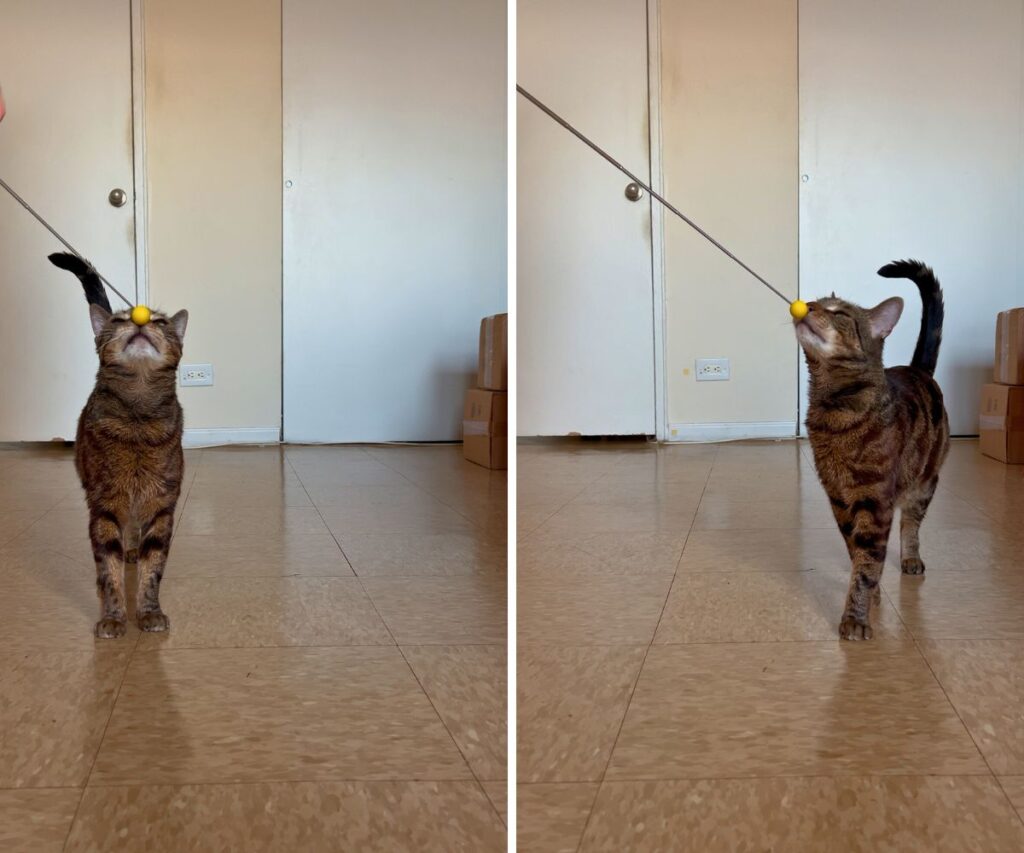
Credit: caticles.com
Getting Started
Starting to train your cat with a clicker might seem tricky, but it’s all about setting the right foundation. You want to make the process smooth and enjoyable for both you and your feline friend. Think about what makes your cat comfortable and how you can keep their focus during training sessions.
Choosing The Right Clicker
Not all clickers are created equal. You want a clicker that produces a clear, sharp sound your cat can easily recognize. Some cats respond better to quieter clicks, while others prefer louder ones.
Try testing a few clickers to see which one grabs your cat’s attention without startling them. A key tip from my experience: use a handheld clicker rather than an app on your phone, because the tactile feel helps you stay consistent.
Setting Up A Training Space
Your training space should be calm and free from distractions. Choose a quiet room where your cat feels safe and relaxed. This helps them focus on the clicker and the treats rather than the background noise.
Keep everything you need close by—clicker, treats, and a comfortable spot for your cat. This way, you avoid interrupting the flow of the session. Have you noticed how your cat’s attention shifts when there’s too much going on around them?
Timing And Patience
Timing is everything when clicker training a cat. You need to click at the exact moment your cat does the right behavior. This helps them connect the click sound with the action.
Patience is your best tool here. Cats don’t always get it right away, and some days they might just want to nap. Keep sessions short—about 5 to 10 minutes—and always end on a positive note. What small wins can you celebrate today with your cat?
Essential Clicker Training Techniques
Clicker training is a simple and effective way to teach cats new behaviors. It uses a small sound, the clicker, to mark the exact moment a cat does something right. This clear signal helps cats learn faster and enjoy training sessions. Understanding essential clicker training techniques ensures better communication and stronger bonds with your cat.
Capturing Natural Behavior
Capturing means clicking and rewarding a cat’s action as it happens naturally. Watch your cat closely for behaviors you want to encourage. For example, if your cat sits on its own, click and give a treat immediately. This tells the cat that sitting is good. Repeat often to build the habit. Patience is key, as cats learn best with positive timing.
Shaping New Tricks
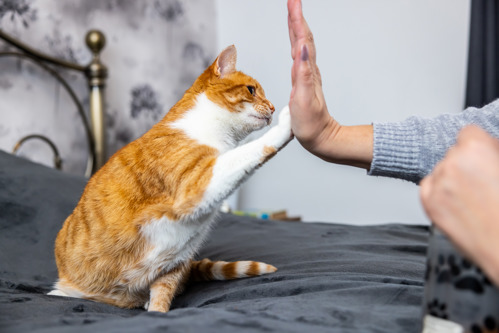
Shaping breaks down a trick into small steps. Reward each small step closer to the final trick. For example, to teach “high five,” first click when the cat lifts its paw slightly. Then, click when the paw moves higher until it touches your hand. This gradual approach helps cats understand new tasks without confusion. Keep training sessions short and fun.
Using Treats Effectively
Treats motivate cats during clicker training. Use small, tasty treats that your cat loves. Give treats immediately after the click sound. This link between click and reward makes the training clear. Avoid overfeeding by using tiny portions. Change treats sometimes to keep interest high. Treats should be special, not regular food, to keep cats eager to learn.
Training Sessions And Schedules
Setting up a clear schedule for clicker training helps your cat learn better. Regular sessions build good habits and keep your cat interested. Short, frequent sessions work best for cats’ attention spans. Planning training times around your cat’s active periods improves results.
Optimal Session Length
Keep training sessions short to maintain focus. Aim for 5 to 10 minutes per session. Long sessions can tire your cat or cause boredom. Watch your cat’s mood and stop if they lose interest. Short bursts of training help steady progress.
Frequency Of Training
Train your cat daily or every other day. Consistency is key to forming new habits. Avoid long breaks between sessions to prevent forgetting. Multiple short sessions in one day can work well. Stick to a schedule that fits your and your cat’s routine.
Keeping Cats Engaged
Use high-value treats to motivate your cat. Change rewards to keep things exciting. Incorporate play before or after training to boost interest. Use a happy tone and gentle praise. End sessions on a positive note to encourage return.
Common Challenges
Training a cat with a clicker offers many rewards, but it also brings some common challenges. Cats have unique personalities and learning styles. Patience and consistency are key to overcoming obstacles. Understanding these challenges helps create a smooth training experience.
Dealing With Distractions
Cats are naturally curious and easily distracted. Loud noises, other pets, or new environments can pull their focus away. Training sessions need quiet spaces with minimal interruptions. Short sessions help maintain attention. Using high-value treats keeps your cat interested and engaged.
Managing Stubbornness
Some cats show stubborn behavior and resist commands. They might ignore the clicker or treats at times. Stay calm and avoid forcing your cat. Break tasks into smaller steps. Reward even small progress. Consistency helps build trust and cooperation over time.
Avoiding Overtraining
Too much training can frustrate cats and cause boredom. Short, frequent sessions work better than long ones. Watch your cat’s body language for signs of stress or tiredness. Stop training if your cat seems disinterested. Let your cat rest and play between sessions to keep motivation high.
Advanced Clicker Training
Advanced clicker training takes your cat’s learning to a new level. It goes beyond simple commands and helps you teach your feline friend complex skills while strengthening your bond. This stage challenges both you and your cat, but the results can be truly rewarding.
Teaching Complex Tricks
Complex tricks require breaking down behaviors into smaller steps. You can teach your cat to fetch, open doors, or even put toys away by rewarding each small action with the clicker.
Patience is key here. If your cat struggles, try to simplify the task or slow down the pace. Have you noticed your cat’s unique way of learning? Use that to your advantage.
Combining Clicker With Other Methods
Clicker training works well alongside other training techniques like lure-and-reward or verbal commands. For example, you can use a treat to lure your cat into a position, then click and reward to reinforce it.
This combination can speed up learning and keep your cat engaged. What other methods have you tried with your cat, and how did they complement the clicker?
Using Clicker Training For Behavior Correction
Clicker training isn’t just for tricks—it can help correct unwanted behavior too. Instead of punishment, you reward your cat when they choose the right behavior.
For instance, if your cat scratches furniture, click and reward when they use a scratching post. This positive approach encourages better habits without fear or stress. How might your cat respond if you focus on rewarding good behavior rather than punishing bad?
Success Stories
Success stories show the real impact of clicker training on cats and their owners. These stories highlight how simple, consistent efforts can lead to impressive changes in behavior. They also prove that your cat can learn new tricks and habits with the right approach.
Real-life Examples
Take Luna, a shy tabby who used to hide whenever guests arrived. After a few weeks of clicker training, she started approaching visitors calmly and even accepted pets. Her owner shared that the clicker helped build trust by rewarding small steps of bravery.
Another example is Max, a playful Maine Coon who scratched furniture relentlessly. With targeted clicker sessions, Max learned to use his scratching post instead. His owner noticed less damage around the house and a happier cat who enjoys positive attention.
- Jessie, a cat who resisted grooming, now stays still during brushing thanks to clicker rewards.
- Oliver, once fearful of car rides, now hops into his carrier without a fuss after clicker training sessions.
How Clicker Training Changed Cats’ Lives
Clicker training gives cats clear communication and consistent feedback. This method reduces frustration for both of you and makes learning fun. Your cat begins to understand what you want and feels confident to try new behaviors.
Owners often notice improved bonds with their cats after training. Cats become more engaged and responsive, and you get to enjoy their company in new ways. Could your cat’s behavior improve with a few minutes of clicker training each day?
:strip_icc()/spruce-pets-cat-clicker-training-5594c453bd7f499aa8e7cf756d485afc.png)
Credit: www.thesprucepets.com
Tools And Resources
Training a cat with a clicker requires the right tools and resources. These help make the process smooth and fun. Using the best clickers, tasty treats, and helpful guides improves your cat’s learning. Here are some useful tools and resources to get started.
Recommended Clickers And Treats
Choose a clicker that fits comfortably in your hand. Look for a simple design with a clear sound. Some clickers come with wrist straps for ease. Soft, small treats work best for training. Pick treats that your cat loves and can eat quickly. Keep treats bite-sized to keep your cat focused.
- Silent clickers for quiet environments
- Loud clickers for busy or noisy homes
- Freeze-dried meat treats for high value rewards
- Small commercial cat treats with natural ingredients
Apps And Online Tutorials
Several apps help guide clicker training step by step. They offer reminders and tips to keep you on track. Online videos show real-life training sessions. These tutorials help you understand timing and technique. Watching others train cats builds your confidence. Many free resources explain basics clearly and simply.
- Clicker training apps with progress tracking
- Video tutorials on popular video platforms
- Step-by-step guides with visual examples
Books And Communities
Books provide detailed insights into clicker training. They cover common challenges and solutions. Reading helps deepen your knowledge and patience. Joining online communities connects you with other cat trainers. These groups share tips and encourage progress. You can ask questions and exchange ideas easily.
- Popular clicker training books for beginners
- Forums dedicated to cat behavior and training
- Social media groups focused on positive reinforcement
Frequently Asked Questions
What Is Clicker Training For Cats?
Clicker training uses a sound to mark desired behavior. It helps cats learn tricks and commands through positive reinforcement.
How Long Does Clicker Training Take?
Training duration varies by cat. Most cats learn basic commands within a few weeks with consistent daily sessions.
Can All Cats Be Clicker Trained?
Yes, most cats respond well to clicker training. Patience and consistency are key for success regardless of age or breed.
What Treats Work Best For Clicker Training Cats?
Use small, tasty, and healthy treats. Soft, smelly treats often motivate cats to learn faster during training.
Conclusion
Clicker training helps cats learn new behaviors quickly. It builds trust between you and your cat. Training sessions should be short and fun. Use treats and praise to keep your cat interested. Be patient; every cat learns at its own pace.
Consistency is key for good results. Start with simple commands before moving to harder ones. Enjoy the process and celebrate small wins. Your cat will become more confident and happy. Training can strengthen your bond every day.
