

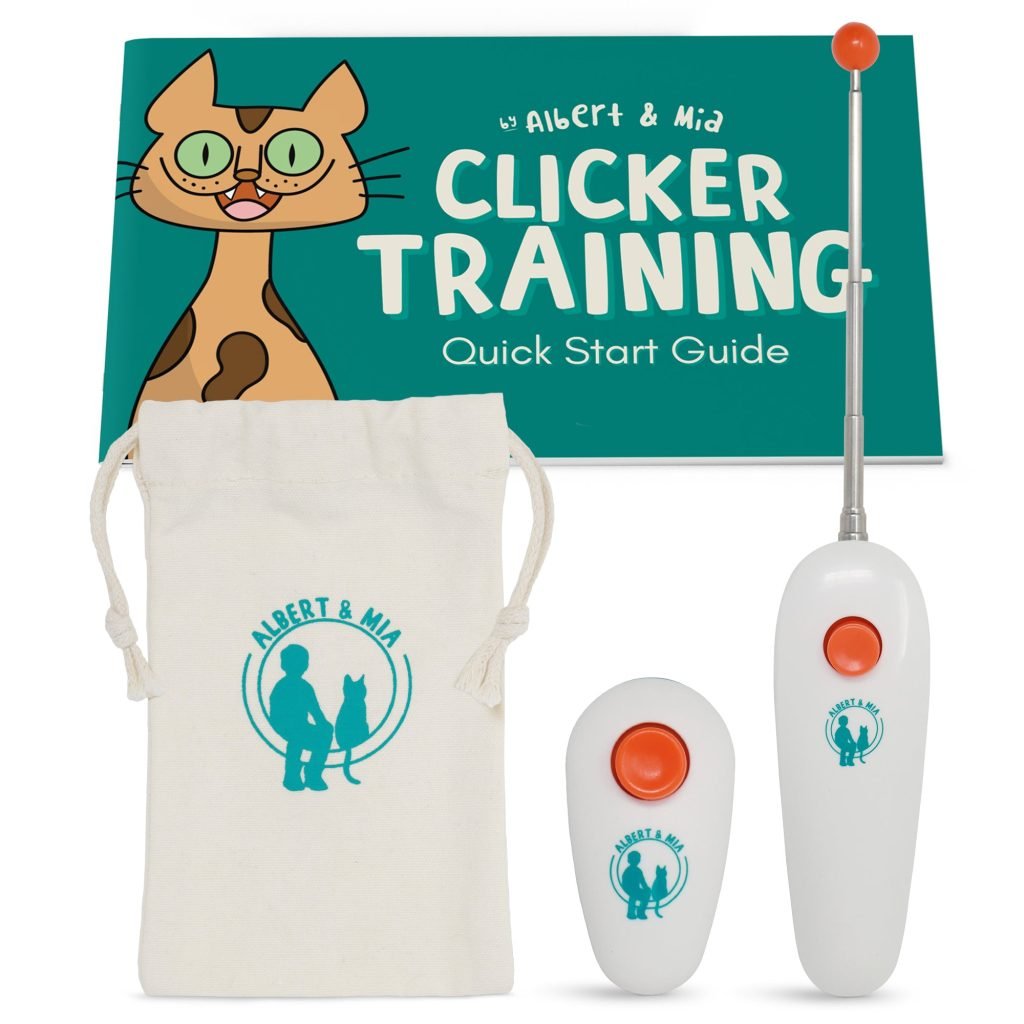
If you want to train your cat without stress or frustration, a clicker for cat training could be your secret weapon. Imagine teaching your furry friend new tricks quickly, while strengthening your bond at the same time.
This simple tool can turn confusing commands into clear signals your cat understands. Ready to discover how a small click can unlock big changes in your cat’s behavior? Keep reading to find out how you can make training easier, faster, and more fun—for both you and your cat.

Credit: www.amazon.ca
Why Use A Clicker
Using a clicker for cat training can transform how you communicate with your feline friend. It offers a clear and consistent way to signal desired behaviors, making training more effective and enjoyable for both of you. But why exactly should you use a clicker? Let’s break down the key reasons.
Benefits For Cats
Cats respond well to positive reinforcement, and clicker training fits perfectly with this approach. The click sound marks the exact moment they do something right, helping them understand what you want quickly.
This method reduces confusion and frustration for your cat, making training sessions more pleasant. It also builds their confidence as they learn new tricks or commands at their own pace.
Have you noticed how your cat perks up at familiar sounds? The clicker becomes a cue that something good is coming, keeping your cat motivated and engaged throughout training.
How Clicker Training Works
Clicker training is simple but powerful. When your cat performs a behavior you like, you press the clicker once and immediately follow with a treat.
The click tells your cat exactly what earned the reward, creating a clear link between action and outcome. Over time, your cat starts repeating the behavior to hear the click and get the treat.
Think about the last time you learned something new because you got instant feedback. That’s the idea behind the clicker—it provides instant feedback your cat can easily understand.
Choosing The Right Clicker
Choosing the right clicker for cat training can make a big difference in how quickly your feline friend catches on to new commands. The perfect clicker fits comfortably in your hand, produces a clear sound your cat can easily recognize, and feels durable enough for regular use. Let’s break down what you should look for when picking the best tool for your training sessions.
Types Of Clickers
Clickers come in a few different styles, each with its own advantages. The most common is the classic handheld clicker, which is small, simple, and easy to press with your thumb. Some trainers prefer a keychain clicker that you can clip to your belt or bag for quick access.
There are also electronic clickers that emit a consistent beep at the push of a button. These can be great if you want a uniform sound every time, but they usually require batteries. Think about where and how you’ll use the clicker most often—will you be indoors or outdoors? Will your hands be busy holding treats or toys?
Features To Consider
- Sound Clarity:Cats respond best to a sharp, distinct click. If the click sounds dull or muffled, your cat might miss it or get confused.
- Size and Comfort:You’ll want a clicker that fits well in your hand and doesn’t cause strain during longer training sessions. Small clickers are easy to carry but check if they’re comfortable to press repeatedly.
- Durability:Cats can be curious and sometimes rough with training tools. Choose a clicker made from sturdy materials that won’t break if dropped or batted around.
- Ease of Use:Look for a clicker that’s simple to operate with one hand. If you struggle to press the button quickly, your timing might be off during training.
When I first started training my cat, I grabbed a clicker without much thought and quickly realized the sound was too quiet. My cat never seemed to notice it, which slowed down her learning. After switching to a louder, more tactile clicker, progress improved dramatically. What kind of clicker will help you and your cat stay in sync?
Getting Started With Clicker Training
Clicker training offers a clear and fun way to teach cats new behaviors. It uses a simple tool—a clicker—that makes a distinct sound. This sound tells your cat it did something right. Starting with clicker training needs patience and calm. Cats learn best in short, regular sessions. This approach builds trust and keeps your cat interested.
Introducing The Clicker To Your Cat
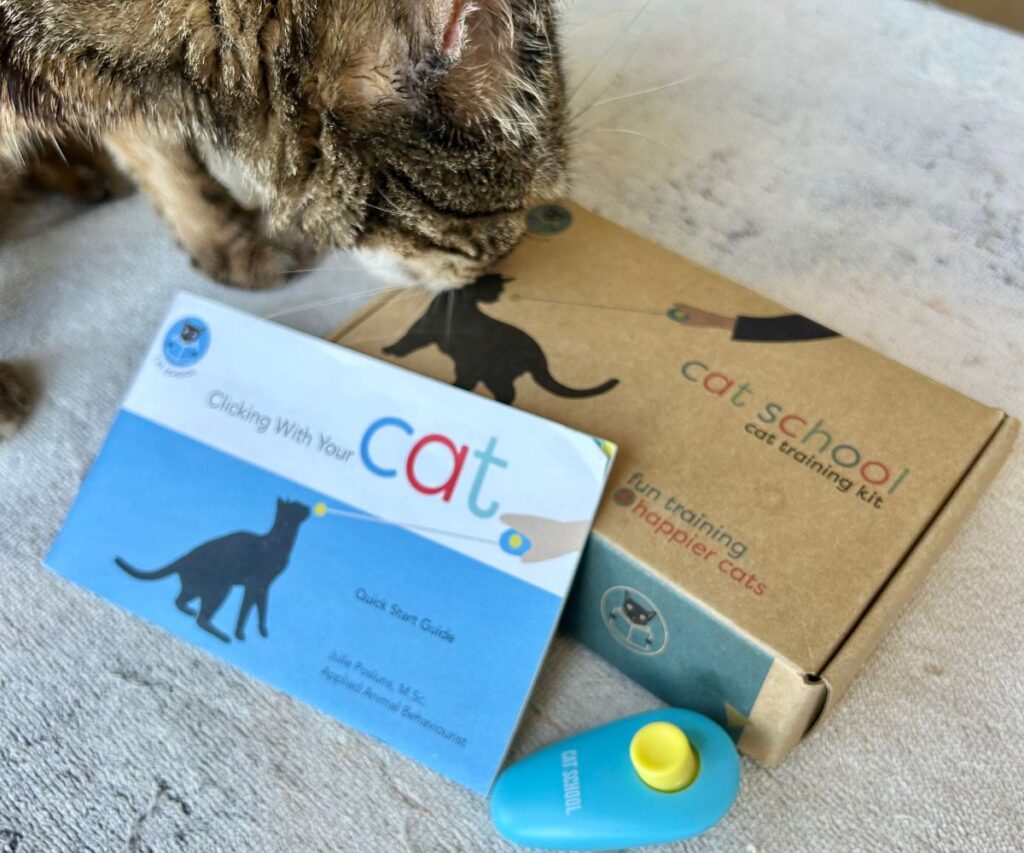
Begin by letting your cat hear the clicker sound. Click once and immediately give a treat. Repeat this several times in a quiet place. Your cat will start to link the click sound with a reward. Do not use the clicker for anything else yet. This helps your cat understand that clicks mean treats.
Timing And Consistency
Timing is key in clicker training. Click exactly when your cat does the right action. A quick reward after the click makes the connection stronger. Keep training sessions short, around five minutes each. Practice daily to keep your cat’s interest and improve learning. Be consistent with your clicks and treats for best results.
Credit: caticles.com
Effective Training Techniques
Effective training techniques can make a huge difference when using a clicker to train your cat. The key is consistency and understanding how your cat learns best. By applying clear methods, you will see faster progress and a stronger bond with your feline friend.
Basic Commands
Start with simple commands like “sit,” “come,” or “stay.” Use the clicker immediately when your cat performs the desired action to mark the behavior clearly.
Repeat the command and reward your cat each time it succeeds. Keep training sessions short—around 5 minutes—to maintain your cat’s interest.
Have you noticed how cats respond better when commands are paired with a clear signal like a click? This helps them connect the action with the reward quickly.
Using Treats And Rewards
Treats are powerful motivators in clicker training. Use small, tasty treats that your cat loves to keep them excited and focused.
Combine the clicker sound with an immediate treat to reinforce positive behavior. Over time, your cat will respond to the click alone, anticipating a reward.
Try varying the rewards occasionally—like petting or playtime—to keep your cat interested and prevent boredom.
Avoiding Common Mistakes
One common mistake is clicking without following up with a reward. This confuses your cat and slows down learning.
Don’t overuse the clicker. Clicking too much can make the sound lose its meaning, so only click when your cat performs the exact behavior you want.
Patience is crucial. If your cat seems frustrated, take a break and try again later. Training should be fun for both of you.
Speeding Up The Training Process
Speeding up the training process with a clicker helps both you and your cat. Quick progress keeps your cat interested and eager to learn. Using simple techniques can make training smoother and faster.
Short Sessions
Keep training sessions brief to hold your cat’s attention. Cats learn better in small bursts of time. Aim for 5 to 10 minutes per session. This stops your cat from getting bored or tired. Frequent, short sessions help build strong habits. Always end on a positive note to keep motivation high.
Reading Your Cat’s Signals
Watch your cat closely during training. Notice signs of stress or distraction like tail flicking or yawning. Pause training if your cat seems uninterested or upset. Look for signs of happiness such as purring or focused eyes. Responding to your cat’s mood helps avoid frustration. This creates a positive learning experience for both of you.

Credit: www.amazon.ca
Advanced Clicker Training
Advanced clicker training takes your cat’s learning far beyond basic commands. It challenges your feline’s intelligence and strengthens your bond through clear, consistent communication. You’ll see your cat’s problem-solving skills improve as you guide them through more intricate tasks.
Tricks And Complex Behaviors
Teaching tricks with a clicker opens up a world of fun and mental exercise for your cat. You can start with simple tricks like “spin” or “high five” and gradually build up to more complex behaviors such as fetching specific items or navigating obstacle courses.
Break down each trick into tiny steps. Reward every small success with a click and treat. For example, to teach “roll over,” first reward your cat for lying down, then for turning onto their side, and finally for completing the roll.
Have you noticed how your cat’s curiosity grows with each new trick? This approach keeps training sessions lively and prevents boredom.
Problem Solving With Clicker Training
Clicker training can also help your cat develop problem-solving skills. Present puzzles or new challenges and use the clicker to mark progress toward the solution.
For instance, if you want your cat to open a box or pull a string, click and reward every attempt that moves closer to success. This encourages your cat to experiment and learn from trial and error.
Have you ever seen your cat figure out how to get a hidden treat? Clicker training makes that process faster and more enjoyable for both of you.
Maintaining Training Results
Maintaining the results of clicker training with your cat takes ongoing effort and smart strategies. It’s not just about teaching a trick once and expecting it to stick forever. You need to keep your cat motivated and engaged while gradually shaping their behavior into lasting habits.
Reinforcement Strategies
Reinforcement is key to keeping your cat’s trained behaviors strong. Use a mix of rewards like treats, praise, and playtime to keep things exciting. Vary the rewards so your cat doesn’t get bored or expect the same thing every time.
Try rewarding your cat intermittently instead of every single time. This keeps them guessing and more eager to perform the behavior. For example, after a few successful sits, toss a favorite toy instead of a treat.
Also, pay attention to your cat’s mood and environment. Training in different rooms or during different times of day can help your cat generalize the behavior, so it’s not tied to one context only.
Transitioning Away From Treats
At some point, you want your cat to respond without expecting a treat every time. Start by slowly reducing how often you give treats while increasing verbal praise or petting. This shows your cat that good behavior is valuable beyond just food.
You can also replace treats with other forms of positive attention, like a quick game or affection. This helps maintain the bond and keeps the training fun for both of you.
Ask yourself: How can I keep my cat interested without relying solely on treats? Changing up rewards and training environments keeps your cat mentally sharp and willing to learn long term.
Frequently Asked Questions
What Is A Clicker For Cat Training?
A clicker is a small device used in cat training. It emits a distinct clicking sound to mark desired behaviors. This helps cats associate the sound with positive reinforcement, like treats or praise. Using a clicker can make training sessions more effective and enjoyable for both you and your cat.
How Does Clicker Training Work For Cats?
Clicker training works by using positive reinforcement. When your cat performs a desired behavior, you click the device and immediately give a treat. This helps your cat understand which actions are rewarded, making them more likely to repeat those behaviors.
Over time, the click becomes a powerful training tool.
Why Use A Clicker Instead Of Verbal Cues?
A clicker provides a consistent, distinct sound that is easy for cats to recognize. Unlike verbal cues, the click is always the same, eliminating any confusion. This consistency helps cats quickly associate the sound with a reward, making training sessions more effective and efficient.
Can All Cats Be Trained With A Clicker?
Most cats can be trained with a clicker, regardless of age or breed. Some cats may take longer to adapt, but patience and consistency are key. Start with simple commands and gradually increase complexity. With time and practice, even the most stubborn cats can benefit from clicker training.
Conclusion
Using a clicker can help train your cat quickly and kindly. It creates clear signals your cat understands. Training sessions become fun and rewarding for both of you. Consistency and patience matter most in this process. Small steps lead to great progress over time.
Enjoy building a stronger bond with your pet. Try using a clicker and see the difference. Training your cat can be simple and effective. Keep practicing, and good behavior will follow. Your cat will thank you with love and trust.
