

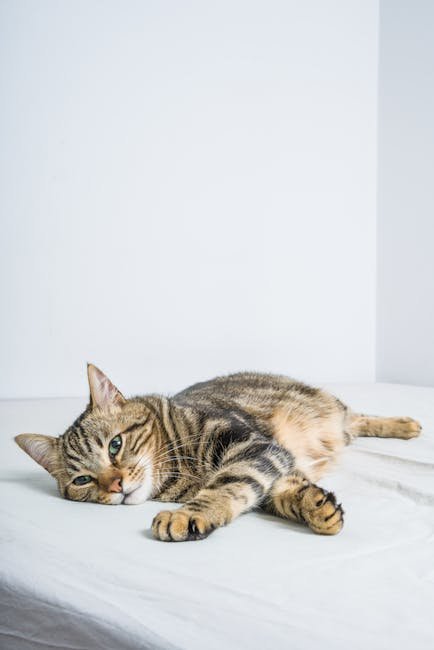
Are you struggling to understand your cat’s behavior? Imagine having the skills to train your feline friend with confidence and ease.
Becoming a certified cat trainer can transform the way you connect with your pet. You’ll discover what it takes to become certified, why it matters, and how it can make a real difference in your cat’s life. Ready to unlock your cat’s potential?
Keep reading to find out more.
Benefits Of Hiring A Certified Cat Trainer
Hiring a certified cat trainer ensures expert help with behavior issues and better communication with your pet. This leads to a happier and well-behaved cat in your home. Trust in their proven skills for safe and effective training.
Hiring a certified cat trainer can greatly improve your feline friend’s behavior. These experts understand what makes cats tick and can help manage their quirks. This expertise can lead to a happier and more harmonious home. Here’s why hiring a certified cat trainer is a wise choice.Expertise In Feline Behavior
Certified cat trainers understand feline behavior deeply. They know why cats act the way they do. This expertise allows them to address issues effectively. They can identify triggers and teach you how to respond. A trainer’s knowledge can prevent problems from escalating. This makes life easier for both you and your cat.Personalized Training Plans
Every cat is unique, and so are their needs. Certified trainers create personalized training plans. These plans consider your cat’s personality and habits. A tailored approach ensures the best outcomes. Your cat learns in a way that suits them best. This personalized attention speeds up the training process.Safe And Humane Techniques
Certified trainers use safe and humane methods. They prioritize your cat’s well-being. No harsh techniques or punishments are involved. This approach builds trust between you and your cat. It also encourages positive behavior. Your cat feels safe and understood, leading to better training results.Key Skills Of Certified Cat Trainers
Certified cat trainers possess unique skills that help them work well with cats. These skills are essential for understanding feline behavior and guiding cats to learn new habits. Each skill plays a vital role in building trust and making training effective.
Communication With Cats
Certified trainers read cats’ body language and sounds carefully. They notice tail movements, ear positions, and eye expressions. Trainers use gentle voices and slow movements to avoid stress. Clear signals help cats understand commands better. Trainers also use positive reinforcement to encourage good behavior.
Problem-solving Strategies
Trainers find solutions for common cat behavior issues. They identify the root cause of problems like scratching or biting. Trainers create step-by-step plans to change bad habits. They adapt techniques to fit each cat’s personality. This approach helps achieve lasting results.
Patience And Consistency
Training cats takes time and steady effort. Certified trainers remain calm even when progress is slow. They repeat lessons regularly to build habits. Consistent routines make cats feel safe and confident. Patience ensures training stays positive and stress-free for cats.
Common Cat Behavior Issues Addressed
Every cat owner faces challenges with their furry friend’s behavior at some point. Certified cat trainers specialize in identifying and fixing these common issues. Understanding these behaviors helps you create a happier home for both you and your cat.
Litter Box Problems
When your cat stops using the litter box, it can be frustrating and messy. Trainers look beyond cleanliness and consider health issues, stress, or litter preferences. Sometimes, changing the type of litter or the box location can solve the problem quickly.
Have you noticed your cat avoiding the box after a recent move or family change? This often signals anxiety, which a trainer can help address with simple behavior adjustments.
Scratching And Clawing
Scratching is natural for cats, but it can damage furniture and upset you. Certified trainers teach you how to redirect scratching to acceptable items like scratching posts. They also advise on nail trimming routines that keep your cat comfortable and your home intact.
Would your cat use a scratching post if it were more appealing? Trainers often suggest adding catnip or placing posts near favorite resting spots to encourage use.
Aggression And Anxiety
Aggression or anxiety in cats can feel overwhelming and even dangerous. Trainers work with you to identify triggers such as loud noises, new pets, or changes in routine. They then recommend calming techniques, environmental enrichment, and controlled socialization to reduce stress.
Think about what causes your cat to lash out. Is it fear, territorial behavior, or something else? Understanding the root makes managing aggression easier and more effective.
Training Techniques For Happy Cats
Training cats takes patience and gentle methods. Happy cats learn better when training feels fun and safe. Using the right techniques helps build trust between you and your cat. These methods make training a positive experience for both of you.
Positive Reinforcement
Positive reinforcement rewards good behavior with treats or praise. Cats repeat actions that bring rewards. This technique avoids punishment and builds confidence. Use small treats or gentle petting to encourage your cat. Always reward right after the desired behavior. This helps your cat understand what you want.
Clicker Training
Clicker training uses a small sound device to mark good behavior. The click tells your cat it did something right. Follow the click with a reward, like a treat. This method creates clear communication with your cat. It helps train tricks or simple commands. Clicker training is gentle and effective for cats.
Environmental Enrichment
Enrich your cat’s environment to keep it happy and active. Use toys, scratching posts, and climbing trees to stimulate your cat. Change toys often to keep interest high. Provide cozy resting spots and hiding places. A rich environment reduces boredom and stress. Happy cats learn and behave better in enriched spaces.
Tips For Maintaining Training Results
Maintaining training results is key to a well-behaved cat. Consistency helps your cat remember what it learned. Training is not just a one-time event but a continuous process. Regular effort ensures good habits stay strong and unwanted behavior stays away.
Regular Practice Sessions
Short, frequent training sessions work best for cats. Practice skills daily or several times a week. Keep sessions under 10 minutes to hold your cat’s attention. Use treats and praise to encourage your cat. Repeat commands and actions to build memory.
Adjusting To Cat’s Personality
Every cat learns differently. Some cats respond to gentle tones, others to more excitement. Watch your cat’s reactions and change your approach if needed. Be patient with shy or independent cats. Tailor training to fit your cat’s unique style.
Involving Family Members
Training works better with everyone on the same page. Teach family members the commands and rewards you use. Consistent signals help your cat understand expectations. Encourage family to join practice sessions. This support creates a calm and clear training environment.
Finding The Right Certified Cat Trainer
Finding the right certified cat trainer ensures your cat receives proper care and guidance. A skilled trainer understands cat behavior and uses safe methods. Choosing carefully helps build trust between you, your cat, and the trainer. This leads to better results and a happier pet.
Checking Credentials
Start by verifying the trainer’s certification. Look for recognized organizations that offer cat training credentials. Confirm the trainer has completed proper courses and gained experience. Credentials show the trainer understands cat behavior and training techniques. Avoid trainers without formal certification or experience.
Reading Reviews And Testimonials
Reviews reveal others’ experiences with the trainer. Read testimonials on websites or social media pages. Focus on comments about professionalism, results, and communication. Positive feedback indicates a trustworthy trainer. Negative reviews may show warning signs or issues to avoid.
Consultation And Trial Sessions
Schedule a consultation to discuss your cat’s needs. A good trainer listens carefully and offers tailored advice. Trial sessions let you see the trainer’s style in action. Watch how they interact with your cat and explain methods. This helps decide if the trainer fits your expectations and your cat’s personality.
Frequently Asked Questions
What Does A Certified Cat Trainer Do?
A certified cat trainer uses proven techniques to teach cats new behaviors. They improve cat obedience and solve behavior problems. Certification ensures trainers have formal education and experience. This builds trust and guarantees effective, humane training methods for your cat’s well-being.
How To Become A Certified Cat Trainer?
To become certified, complete a recognized cat training course. Gain hands-on experience working with cats. Pass exams assessing your knowledge of feline behavior and training techniques. Certification shows professionalism and expertise, boosting your career as a trusted cat trainer.
Why Hire A Certified Cat Trainer?
Certified trainers use science-based methods that are safe and effective. They understand feline psychology and tailor training to each cat’s needs. Hiring certified trainers prevents common mistakes and frustration. This ensures faster results and a happier, well-behaved cat.
How Long Does Cat Trainer Certification Take?
Certification duration varies from a few weeks to several months. It depends on the course intensity and your schedule. Most programs combine online learning with practical experience. Timely completion leads to professional qualification and readiness to train cats confidently.
Conclusion
Choosing a certified cat trainer helps your cat learn good habits. Trained cats behave better and feel happier. Trainers use safe, gentle methods that work well. You get support and advice for your cat’s needs. A certified trainer knows how to handle many problems.
This makes life easier for both you and your cat. Trusting a professional can save time and stress. Your cat deserves the best care and training. Start today and enjoy a calmer, friendlier pet.
