

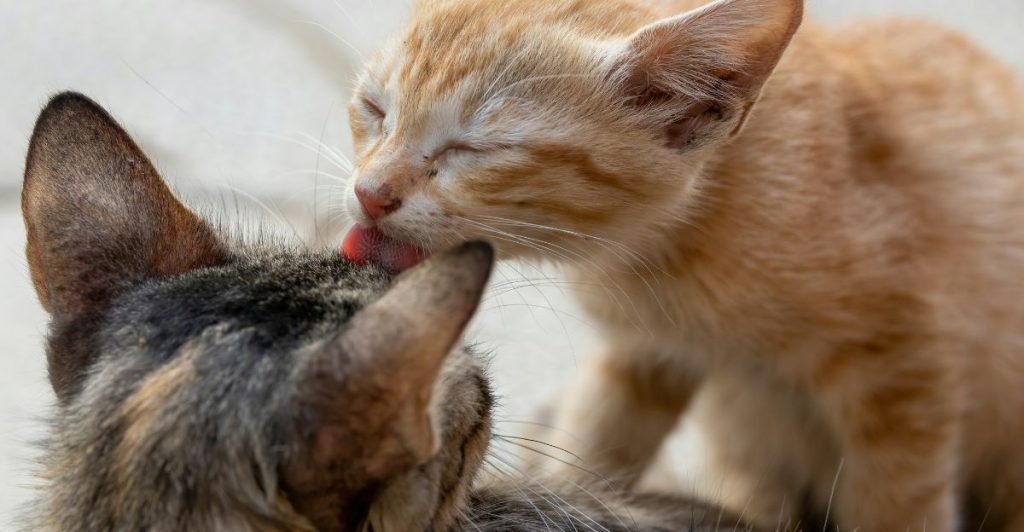
Have you ever watched cats gently cleaning each other and wondered why they do it? Cats who groom each other aren’t just being cute—they’re showing trust, building bonds, and even keeping their group healthy.
If you want to understand what this behavior means and how it affects your furry friends, keep reading. You’ll discover surprising facts that will change the way you see your cats forever. Ready to dive in? Let’s explore the fascinating world of cats grooming each other.
Credit: basepaws.com
Why Cats Groom Each Other
Cats grooming each other is more than a simple habit. It plays a key role in their daily lives. This behavior helps cats connect and feel safe. It also keeps them clean and healthy. Understanding why cats groom each other shows how important this act is for their well-being.
Social Bonds And Trust
Cats groom each other to build strong social bonds. It shows trust between cats in the same group. This mutual grooming helps reduce tension and strengthens friendships. Cats feel more relaxed and secure with grooming partners. It is a way to say, “I trust you.”
Hygiene And Health Benefits
Grooming helps cats stay clean by removing dirt and loose fur. Cats cannot reach some body parts easily. Grooming by another cat helps clean these hard-to-reach areas. It also reduces parasites like fleas and ticks. This keeps cats healthier and more comfortable.
Stress Reduction And Comfort
Grooming calms cats and lowers their stress. The gentle licking feels soothing and comforting. It can help cats relax after a tense moment. Grooming releases feel-good chemicals in their brains. This makes cats feel happy and safe together.
Credit: www.companionanimalpsychology.com
Types Of Mutual Grooming
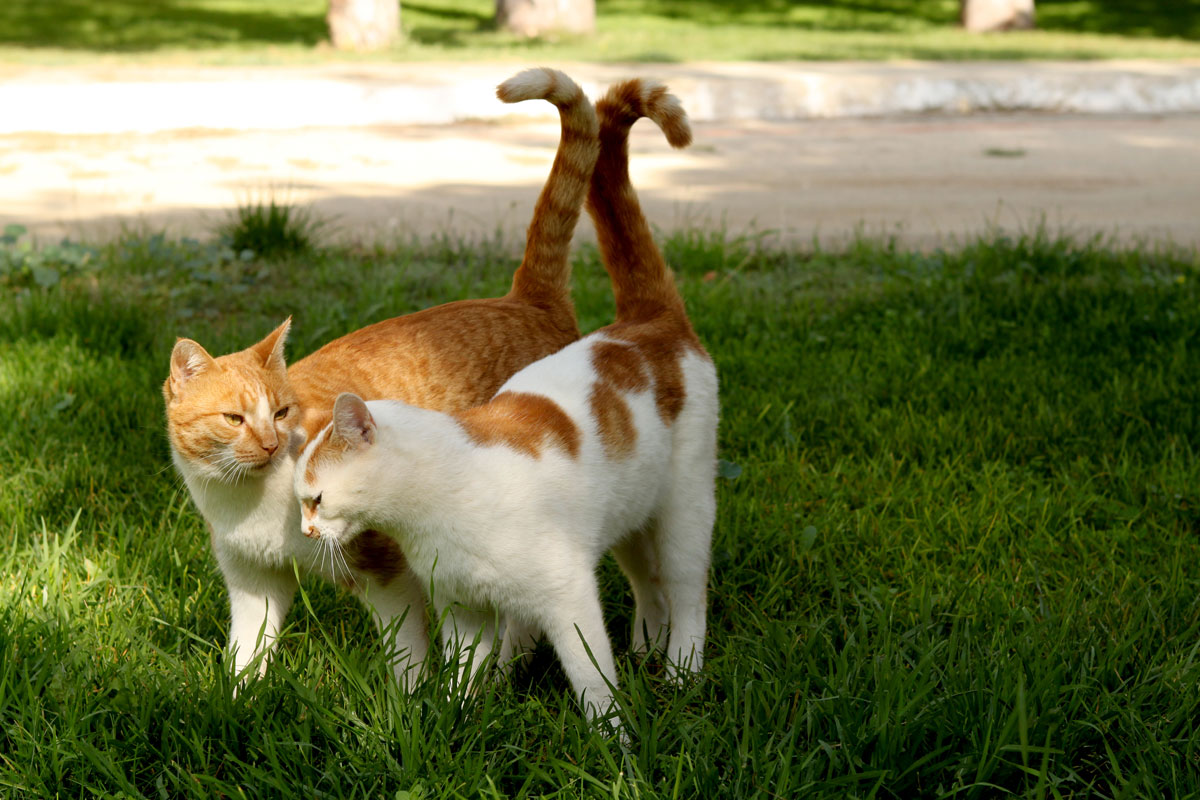
Mutual grooming among cats is a special social activity. It builds trust and strengthens bonds. Cats use different ways to groom each other. Each type shows a unique meaning and purpose. Understanding these types helps us learn more about cat behavior and their relationships.
Allogrooming Behavior
Allogrooming means one cat cleans another’s fur. It is a sign of friendship and care. Cats use their tongues and teeth softly. They remove dirt, loose hair, and parasites. This behavior reduces stress and creates a feeling of safety. Cats often groom those they feel close to or respect.
Common Grooming Spots
Cats prefer certain areas for mutual grooming. These spots are hard to reach alone. Typical places include:
- Head and neck
- Behind the ears
- Around the cheeks
- Base of the tail
These areas often hold scent glands. Grooming here helps share their unique smell. It also strengthens their group identity.
Frequency And Duration
Mutual grooming happens regularly but varies by cat pairs. Some groom several times a day. Others only groom during calm moments. Sessions can last from a few seconds to several minutes. The length depends on the cats’ mood and relationship. Grooming often ends with a gentle head bump or purring.
Feline Social Structures
Cats are social animals with complex group behaviors. Their social lives revolve around structured relationships and communication. Grooming plays a key role in these social bonds. It helps build trust and maintain peace among group members.
Understanding feline social structures reveals why cats groom each other. These acts are not random. They follow specific social rules and roles within their groups.
Hierarchies And Grooming Roles
Cat groups have clear hierarchies. Higher-ranking cats often receive more grooming. Grooming acts as a sign of respect and submission.
Lower-ranking cats groom dominant ones to show loyalty. This helps reduce conflict. Grooming also signals friendship between cats of similar rank.
Some cats specialize in grooming others. They act as social caretakers. Their grooming keeps group harmony strong and healthy.
Mother And Kitten Grooming
Mothers groom their kittens to clean and comfort them. This early grooming teaches kittens social skills.
Kittens learn to groom themselves and others by watching their mother. This behavior shapes their future social interactions.
Grooming strengthens the bond between mother and kittens. It reassures kittens and helps them feel safe.
Grooming Among Siblings
Siblings often groom each other to build trust. This shared grooming creates strong lifelong bonds.
Grooming among siblings helps reduce fights. It creates a peaceful and cooperative environment.
These grooming sessions also help siblings learn social cues. They become more skilled in group communication.
Benefits Beyond Cleanliness
Grooming between cats is more than just a way to stay clean. It plays a crucial role in their social lives and well-being. You might notice your cats spending a lot of time licking each other, but have you ever wondered why they do it beyond hygiene?
Strengthening Group Cohesion
When cats groom each other, they build trust and strengthen their bond. This shared activity helps create a sense of belonging within the group. If you observe your cats grooming, it’s a sign they feel safe and connected with each other.
Think about your own friendships—do you spend time together to feel closer? Cats do the same through grooming.
Reducing Aggression
Mutual grooming can lower tensions between cats. By spending time grooming, they prevent fights and reduce rivalry. This can be especially helpful in multi-cat households where space and resources might be limited.
If you notice your cats licking each other after a small disagreement, it’s their way of making peace. Could encouraging this behavior help your cats live more harmoniously?
Promoting Relaxation
Grooming triggers the release of calming hormones in cats. It helps them feel relaxed and less stressed. After watching my cats groom each other, I noticed they often nap shortly afterward, clearly feeling content and safe.
Try observing your cats during grooming sessions. You might see how it calms them just like a gentle massage would for you.
Signs Of Healthy Grooming Relationships
Watching cats groom each other offers more than just a cute moment; it reveals the quality of their relationship. Healthy grooming relationships show trust, comfort, and mutual care. Recognizing the signs can help you understand your cats’ social bonds and overall wellbeing.
Reciprocity And Cooperation
Healthy grooming is a two-way street. If you see your cats taking turns grooming each other, it means they respect and trust one another.
One cat won’t dominate or force grooming onto the other. Instead, they cooperate, showing equal interest in maintaining each other’s fur.
Have you noticed your cats waiting patiently for their turn? This is a clear sign that their grooming relationship is balanced and positive.
Body Language Cues
Body language speaks volumes during grooming sessions. Relaxed postures, closed eyes, and purring often accompany healthy grooming.
Look for calm tails and soft ears. If a cat twitches its tail sharply or flattens its ears, it might feel stressed or annoyed.
Do your cats nuzzle each other or gently lick without signs of tension? These cues show they feel safe and content together.
Grooming And Play Interactions
Sometimes grooming blends seamlessly into play. Cats that groom and then engage in gentle play are usually comfortable and bonded.
Watch how they transition between grooming and playful chasing or pawing. This fluid interaction means they enjoy each other’s company.
If grooming leads to aggressive behavior or avoidance, it’s a sign the relationship needs attention. Have you observed your cats switching between affection and irritation during grooming?
When Grooming Goes Wrong
Cats grooming each other is a sign of friendship and trust. This behavior strengthens bonds and helps keep their coats clean. Sometimes, grooming can take a wrong turn. It can cause stress or lead to conflict between cats. Understanding these signals is key for a happy home.
Overgrooming And Stress Indicators
Overgrooming happens when a cat grooms too much. It can cause bald patches or skin irritation. Stress often triggers this behavior. Changes like new pets or loud noises can upset cats. Watch for excessive licking or biting of fur. These signs show your cat might need help.
Avoidance And Conflict Signs
Cats may avoid each other if grooming feels unpleasant. Look for hiding or moving away during grooming sessions. Growling, hissing, or swatting are clear conflict signs. These actions show discomfort or irritation. Ignoring these signs can worsen the relationship between cats.
Intervention Strategies
Keep grooming sessions short and calm. Separate cats if tension rises. Create safe spaces for each cat to relax. Use gentle distractions like toys or treats. Consult a vet if overgrooming or fights continue. Early action helps restore peace and comfort for your cats.
Encouraging Mutual Grooming
Mutual grooming among cats is more than just a cute behavior—it strengthens bonds and creates a sense of security. Encouraging this behavior can help your cats form closer relationships and reduce stress. But how do you support and nurture this natural interaction in your home?
Creating A Comfortable Environment
Cats need a calm and safe space to feel relaxed enough for grooming each other. Avoid loud noises and sudden movements that might startle them. Provide cozy spots like soft blankets or cat trees where they can rest together peacefully.
Think about the layout of your home. Are there enough quiet corners for your cats to escape when they want? Cats are more likely to groom each other when they feel undisturbed and secure.
Introducing New Cats Slowly
Bringing a new cat into your home requires patience. Allow your cats to get used to each other’s scent before any face-to-face meeting. Swap bedding or use a cloth to gently transfer scents between them.
When they finally meet, keep the initial interactions short and positive. Watch for signs of comfort or stress, and never rush the process. Gradual introductions can lead to grooming and bonding over time.
Using Toys And Positive Reinforcement
Playtime can be a great way to bring your cats closer. Use interactive toys that encourage them to play side by side. This shared activity can spark friendly feelings and open the door to mutual grooming.
Reward your cats with treats or gentle praise when they show positive interactions. Have you noticed how even small rewards can encourage your pets to repeat good behavior? Positive reinforcement helps them associate grooming with pleasant experiences.

Credit: www.dreamstime.com
Frequently Asked Questions
Why Do Cats Groom Each Other?
Cats groom each other to strengthen social bonds and reduce stress. This behavior, called allogrooming, helps maintain group harmony and cleanliness. It also supports mutual trust and comfort among cats living together.
How Does Grooming Benefit Cats Socially?
Grooming builds trust and reinforces friendships among cats. It reduces aggression and promotes peaceful coexistence. Social grooming also helps cats feel secure within their group, enhancing their overall wellbeing.
Can Cats Groom Each Other To Show Affection?
Yes, cats groom each other to express affection and care. This behavior signals friendship and helps create strong emotional connections. It’s a gentle way cats communicate love and companionship.
Do Cats Groom Each Other To Stay Clean?
Cats groom others to reach areas they can’t clean alone. This shared grooming helps remove dirt, parasites, and loose fur. It also keeps their coats healthy and shiny.
Conclusion
Cats grooming each other shows their strong bond and trust. This behavior helps keep their fur clean and healthy. It also reduces stress and builds friendship among them. Watching cats groom together can be calming and joyful. It reminds us how important care and connection are.
Understanding this habit helps us appreciate cats more. So, next time you see cats grooming, know it means love and comfort. Simple acts can show deep feelings. Cats teach us about kindness in small ways.
