

Ever wondered why your cat suddenly dashes across the room or stares into space as if pondering the mysteries of the universe? Cats can be enigmatic creatures, and their unusual behaviors often leave us puzzled.
But what if you could uncover the secrets behind these mysterious antics? Imagine understanding your feline friend better, enhancing your bond, and ensuring their happiness. This isn’t just about decoding quirks; it’s about connecting with your cat on a deeper level.
Ready to demystify your cat’s unusual behavior? Let’s dive in and explore the fascinating world of feline actions that may seem odd but have intriguing explanations.
Random Zoomies
Cats often surprise their owners with sudden bursts of energy. These moments, known as random zoomies, show cats running and jumping wildly for no clear reason. It looks like a quick dash around the house or frantic play. Zoomies are a normal part of cat behavior. They reflect a cat’s need to release energy fast.
Energy Bursts
Zoomies happen when cats have stored too much energy. They need to move quickly to feel better. This energy release helps keep cats healthy and happy. Cats chase invisible prey or dart from room to room. These fast movements improve their muscle tone and coordination. Zoomies also reduce stress and boredom. Watching a cat zoom can be fun and entertaining.
Nighttime Activity
Cats are naturally more active at night. Zoomies often occur during late hours or early mornings. This behavior links to their hunting instincts. Cats hunt small animals during dawn and dusk. Zoomies mimic this natural behavior. Owners might hear running paws or see sudden jumps in the dark. Nighttime zoomies show a cat’s playful and wild side. Providing toys can help direct this energy safely.
Kneading Knees
Kneading knees is one of the most curious behaviors cats show. You might have seen your feline friend pressing their paws rhythmically into a soft surface, almost like they’re making dough. This action isn’t random; it holds deeper meaning linked to comfort and instinct.
Comfort And Security
When your cat kneads, it often means they feel safe and relaxed around you. The gentle pressing of their paws can release soothing endorphins, making them feel calm and happy.
Think about the last time your cat kneaded your lap. Did you notice how they often purr while doing it? This combination shows they associate you with a sense of security and warmth.
Next time your cat kneads, try softly stroking their back. You’ll reinforce that feeling of comfort and strengthen your bond.
Kitten Instinct
Kneading is a behavior that starts in kittenhood. Kittens knead their mother’s belly to stimulate milk flow during nursing. This instinct stays with cats into adulthood, even if they’re no longer nursing.
Have you ever wondered why cats knead soft blankets or pillows? It’s their way of recreating that early-life comfort. This behavior can also help them mark their territory since their paws have scent glands.
Understanding this instinct can help you provide your cat with cozy spots where they feel safe to knead and relax. Have you noticed if your cat prefers specific textures or places for kneading?
Chattering Teeth
Have you ever noticed your cat’s teeth chattering when they stare intently at a bird outside the window? This unusual behavior often puzzles cat owners, but it’s actually a fascinating glimpse into your feline’s mind. Teeth chattering is more than just a quirky tic—it reveals your cat’s deep-rooted instincts and emotions.
Hunting Frustration
When your cat chatters their teeth, it’s often a sign of hunting frustration. They see prey just out of reach, like a bird or a squirrel, and their natural hunting instinct kicks in. The chattering sound is believed to mimic the noise of their prey or express their eagerness and irritation at being unable to catch it.
I once watched my cat fixate on a sparrow through the window, teeth chattering rapidly. It was clear she was mentally preparing to pounce but was held back by the glass barrier. This behavior shows how strong their predatory drive remains, even indoors.
Excitement Signals
Teeth chattering can also signal excitement. When your cat is highly stimulated by something they find interesting or thrilling, this behavior might appear. It’s a way for them to release pent-up energy and stay alert.
Have you noticed your cat’s chattering during playtime with a feather toy? This is a positive sign—they are engaged and mentally active. Paying attention to these moments can help you understand what excites your cat and improve interactive play sessions.

Credit: www.feliway.co.uk
Tail Twitching
Cats use their tails to express many feelings and thoughts. Tail twitching is one of the subtle signs. It shows what your cat feels inside. This small movement can mean different things depending on the situation.
Mood Indicators
A twitching tail often reveals your cat’s mood. It can show excitement or irritation. A quick flick may mean curiosity or alertness. Gentle twitching might indicate relaxation. Watch the speed and style of the twitch. It helps you understand if your cat is happy or annoyed.
Communication Tool
Cats also use tail twitching to communicate with others. It sends signals to other cats or people nearby. A twitch can warn others to keep distance. Sometimes, it invites play or attention. Tail movements add to the body language cats use daily. Noticing these signs improves your bond with your pet.
Head Butting
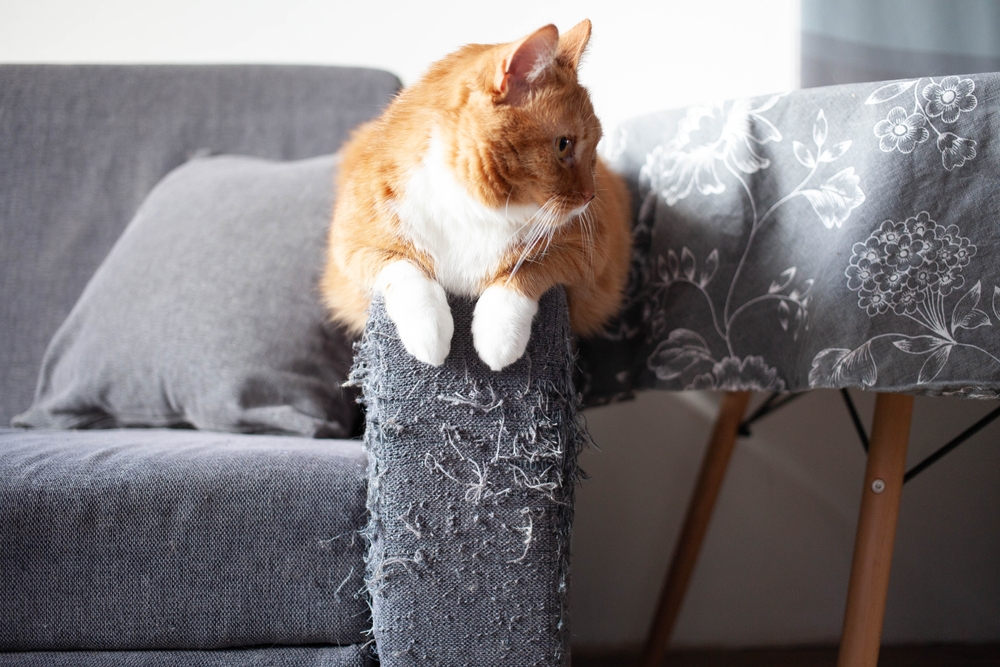
Have you noticed your cat gently pressing its head against you or furniture? This peculiar behaviour, known as head butting or bunting, is more than just a cute quirk. It’s a meaningful way cats communicate with their environment and the beings they trust.
Marking Territory
Cats have scent glands located on their heads, especially around their cheeks and forehead. When your cat head butts, it’s actually leaving its unique scent behind. This action marks objects, people, or places as part of its territory.
Think about your cat nudging your leg or the sofa repeatedly. It’s not random; your feline friend is signaling ownership and familiarity. Have you ever wondered why your cat chooses specific spots to bunt? These places usually make them feel safe and secure.
Affectionate Gesture
Beyond marking territory, head butting is a clear sign of affection. Cats don’t show love in the same way humans do, so this gentle gesture is their way of bonding with you. When your cat bumps its head against you, it’s a way of saying, “You’re part of my family.”
In my experience, after a long day, my cat’s head butts feel like little reminders that I’m loved and appreciated. It’s a simple act that builds trust and deepens your connection. Have you tried responding by gently rubbing your cat’s head back? It can reinforce the bond and make your cat feel even safer around you.
Credit: justcatsclinic.com
Sleeping Odd Positions
Cats often sleep in positions that seem downright strange to us. You might catch your feline friend twisted like a pretzel or sprawled out with limbs stretched at odd angles. These unusual poses aren’t random—they tell you a lot about how your cat feels and what’s going on in their environment.
Temperature Regulation
Your cat’s odd sleeping positions can be a smart way to control their body temperature. When they curl up tightly, they conserve heat by reducing the surface area exposed to the air. On warmer days, you might notice your cat stretching out fully or lying on their back with paws in the air to cool down.
Ever seen your cat draped over the edge of furniture or pressed against a cool floor? They’re using their body position to find relief from heat. Paying attention to these cues can help you adjust your home environment to keep your cat comfortable, like providing cooling mats or cozy blankets depending on the season.
Feeling Safe
Sleeping in unusual positions often signals how safe your cat feels. When your kitty sleeps with their belly exposed, it means they trust you and their surroundings completely. That vulnerable pose shows they aren’t worried about threats.
Conversely, curling into a tight ball or hiding their face in their paws usually means they want to protect themselves and feel more secure. If your cat shifts from relaxed to tense sleeping postures, it might be your cue to create a quieter, more reassuring space for them.
Have you noticed your cat’s sleeping spots change with new people or pets around? Their position and location can be a silent message about their comfort level. Watching these signs helps you support your cat’s emotional well-being every day.
Ignoring Owners
Cats sometimes ignore their owners, which can confuse and frustrate people. This behavior is normal and has reasons behind it. Understanding why cats act this way helps improve your relationship with them.
Independent Nature
Cats are naturally independent animals. They enjoy doing things on their own terms. Ignoring you can mean they want space or time alone. It does not mean they dislike you. They simply value their freedom and control over their environment.
Unlike dogs, cats do not need constant attention. They explore and rest independently. This behavior is part of their survival instincts. Respecting their independence helps build trust and comfort.
Seeking Attention
Sometimes cats ignore owners to get attention in other ways. They may sit nearby or watch quietly. This is their way of saying, “Notice me.” They want you to approach or play.
Cats use ignoring as a subtle signal. They want interaction but on their own terms. Learning to read these signals improves communication. It creates a stronger bond between you and your cat.
Bringing ‘gifts’
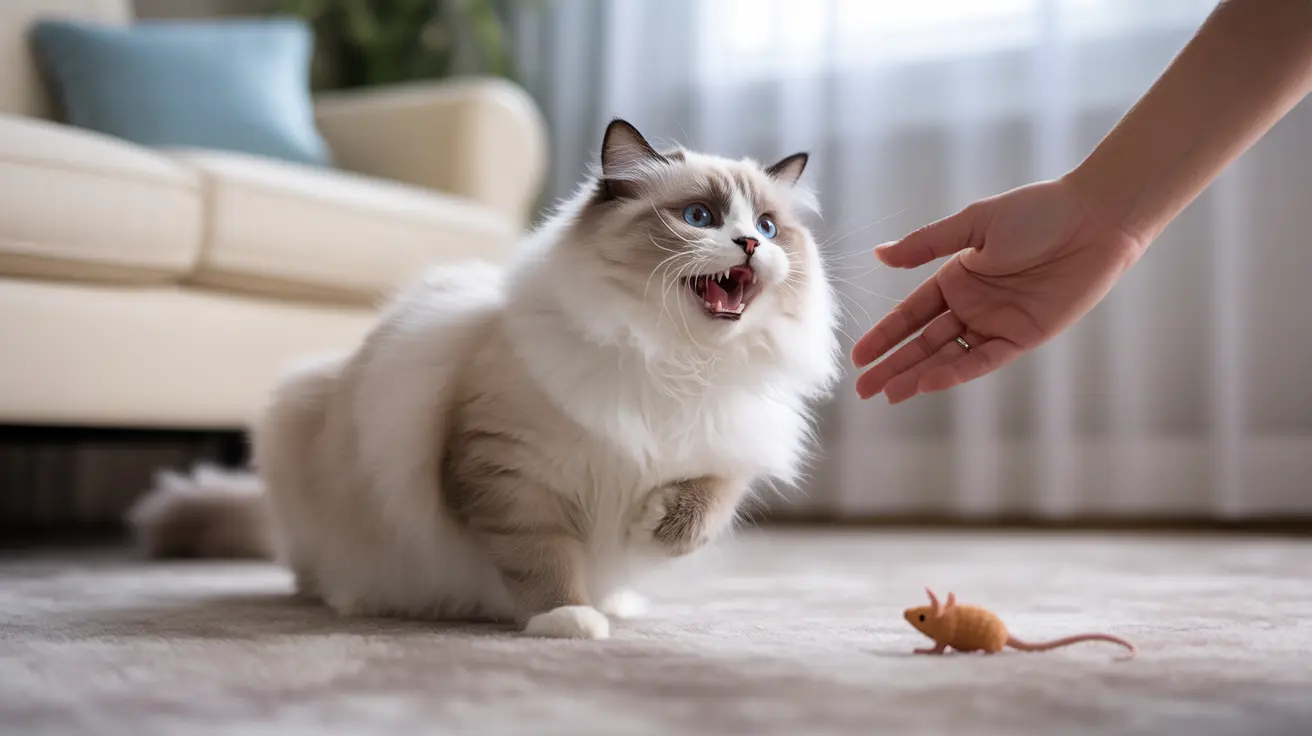
Cats often surprise their owners by bringing “gifts.” These gifts can be anything from toys to small animals. This behavior may seem strange or even disturbing. Yet, it shows deep-rooted instincts and social habits. Understanding why cats bring gifts helps us see their world better.
Hunting Instinct
Cats are natural hunters. Even indoor cats keep this instinct alive. Bringing gifts shows their hunting skills. They catch prey and bring it home. This act is part of their survival behavior. Hunting satisfies their need to chase and catch. Sometimes, they bring toys to mimic prey. It is a way to practice hunting safely indoors.
Sharing Behavior
Bringing gifts also shows sharing behavior. Cats share their catch with family or other cats. It is a sign of care and social bonding. When cats bring gifts to humans, they treat owners like family. They want to share their success and provide for you. This behavior strengthens the bond between cat and owner. It shows affection and trust in a unique way.
Credit: www.petscare.com
Frequently Asked Questions
Why Do Cats Suddenly Stare At Nothing?
Cats stare at nothing because they detect sounds or movements humans miss. Their keen senses pick up tiny vibrations or light changes. This behavior helps them stay alert and aware of their surroundings, even when it seems unusual to us.
What Causes Cats To Chase Invisible Prey?
Cats chase invisible prey due to their strong hunting instincts. Their brains interpret small movements or sounds as potential prey. This playful behavior mimics natural hunting and keeps them mentally and physically stimulated.
Why Do Cats Knead With Their Paws?
Cats knead to mark territory and show comfort. Their paw pads release scent glands while pressing soft surfaces. Kneading also reminds them of kittenhood when they stimulated milk flow from their mother.
Is It Normal For Cats To Suddenly Sprint Indoors?
Yes, sudden sprints are called “zoomies. ” Cats release pent-up energy through quick bursts of running. This behavior is normal, especially after rest or play, and helps them stay active and healthy.
Conclusion
Cats show many strange habits that can surprise us. These actions often mean something important. Understanding these behaviors helps us care for cats better. Every cat is unique and may act differently. Watch your cat closely to learn its language.
Patience and love make the bond stronger. Enjoy the mystery and joy cats bring to life. Their unusual ways make them special friends. Keep exploring their world with kindness and care.
