

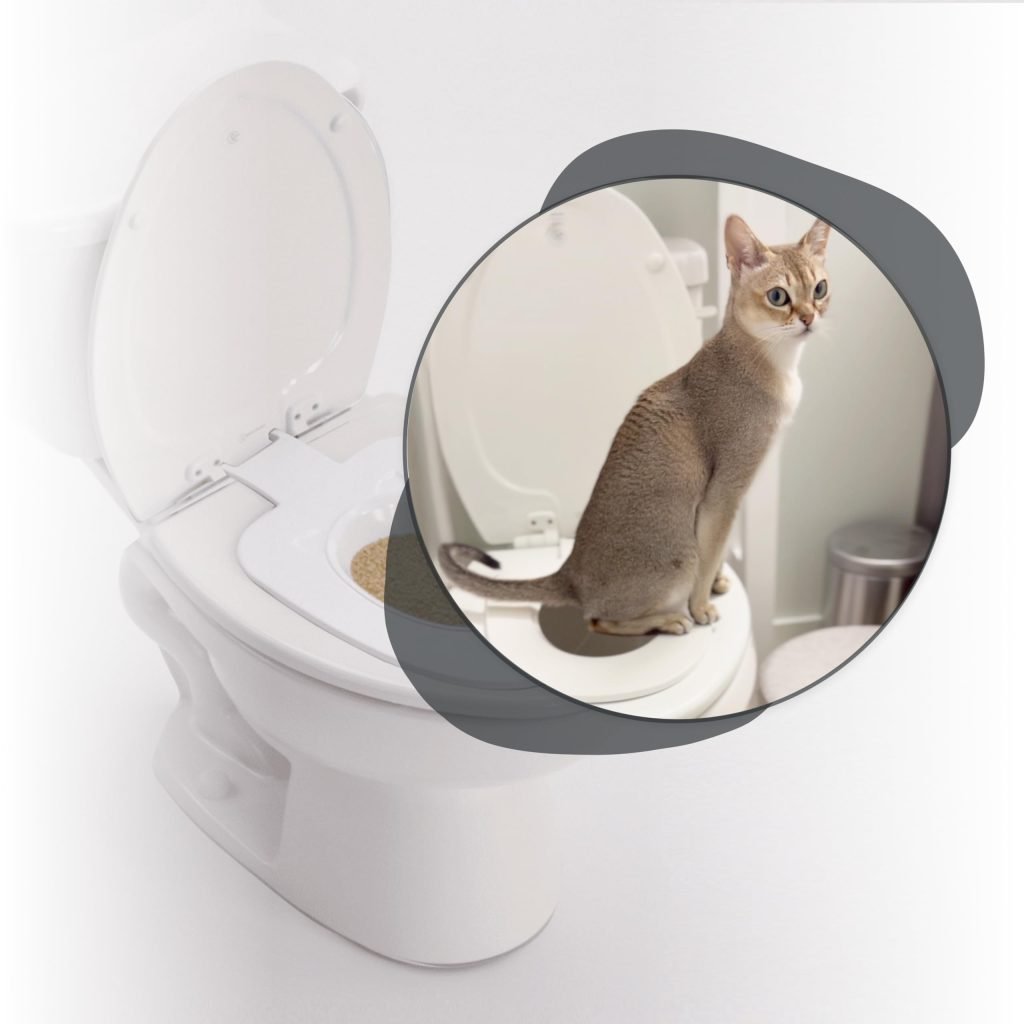
Have you ever wished your cat could use the toilet just like a person? Imagine no more litter boxes to clean or unpleasant odors in your home.
Toilet training your cat might sound impossible, but it’s easier than you think—and it can change your daily routine for the better. You’ll discover simple steps to help your cat make the switch, tricks to keep them comfortable, and how this small change can bring big benefits to your life.
Ready to transform your cat’s habits and enjoy a cleaner home? Let’s dive in!
Credit: www.walmart.com
Benefits Of Toilet Training Cats
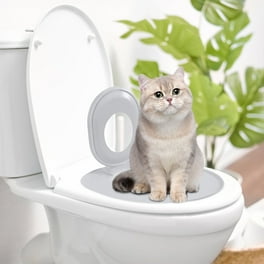
Toilet training your cat can seem like a challenging task, but the benefits it brings are worth the effort. Beyond saving money and reducing litter mess, it can improve hygiene and make daily life easier for both you and your feline friend. If you’re considering this approach, understanding these benefits can help you decide if it’s the right choice for your home.
Improved Cleanliness And Hygiene
When your cat uses the toilet, there’s no more litter tracking around your home. This keeps floors cleaner and reduces odors caused by litter boxes. You won’t have to deal with scooping waste daily, which can be a big relief for many pet owners.
Cost Savings Over Time
Litter can be expensive, especially if you have multiple cats. Toilet training eliminates the need to constantly buy litter, saving you money in the long run. Think about how those savings could add up over a year or two without needing to replace litter regularly.
Environmental Benefits
Did you know that cat litter often ends up in landfills and can harm the environment? By toilet training your cat, you reduce the amount of waste going into the trash. This small change can make a positive difference, especially if you care about reducing your ecological footprint.
Convenience And Time Savings
No more daily scooping means you have more free time and less stress. You don’t have to worry about constantly cleaning or replacing litter boxes, which can be especially helpful if you have a busy schedule. Imagine how much easier your routine can become without this chore.
Encourages Better Behavior
Training your cat to use the toilet can improve their overall behavior and adaptability. It can boost their confidence as they learn new skills, and reduce issues like inappropriate elimination outside the box. Have you noticed how some cats take pride in mastering new tricks?
Credit: www.amazon.com
Choosing The Right Toilet Training Kit
Choosing the right toilet training kit can make all the difference in how smoothly your cat adapts to using the toilet. Not all kits are created equal, and the features you prioritize will affect both your cat’s comfort and your training success.
Think about the size and design of the training kit. Does it fit your toilet securely? Will your cat feel stable and safe using it? A wobbly or ill-fitting kit can discourage your cat and cause accidents.
Also, consider the material. Kits made from durable, easy-to-clean plastic save you time and prevent lingering odors. Reflect on whether the kit includes adjustable stages to gradually transition your cat from litter to the toilet.
Assessing Kit Features And Adjustability
Look for kits with multiple removable inserts or adjustable holes. These features allow you to slowly reduce the amount of litter and increase the size of the hole your cat uses, easing the transition. Kits without these options may rush the process and frustrate your cat.
Does the kit offer a splash guard or non-slip base? Such details improve hygiene and stability, making it easier for your cat to feel secure.
Ease Of Cleaning And Maintenance
Training your cat to use the toilet means dealing with waste differently. A kit that is easy to disassemble and clean will save you stress. Some models even come with antimicrobial coatings or dishwasher-safe parts.
Ask yourself: how much time am I willing to spend on maintenance? Choosing a kit that matches your lifestyle increases the chances you’ll keep up with cleaning routines.
Reviews And Real User Experiences
Reading reviews can reveal insights you won’t find in product descriptions. Pay attention to comments about durability, ease of use, and how well cats adjusted.
Sometimes, users share tips or modifications that improved their experience. Have you checked if the kit you want has a supportive online community? This can be a valuable resource when challenges arise.
Preparing Your Cat For Training
Preparing your cat for toilet training takes patience and careful planning. It’s important to create an environment where your cat feels safe and comfortable. This helps reduce stress and makes the transition smoother for both of you.
Creating A Comfortable Environment
Start by choosing a quiet spot for the litter box, away from noisy appliances and heavy foot traffic. Cats prefer privacy when they do their business, so a calm area is key.
Ensure the litter box is clean and filled with litter your cat already likes. If you suddenly change the type of litter, your cat might resist using it.
Watch your cat’s behavior closely. Are they reluctant to use the box? Try adding a few drops of catnip or placing a favorite toy nearby to make the area more inviting.
Introducing The Litter Box To The Toilet
Once your cat is comfortable with the litter box, start moving it gradually closer to the toilet over several days. This helps them get used to the new location without feeling rushed.
Next, raise the litter box slightly using sturdy books or boxes to match the height of the toilet seat. This step can be tricky, so observe if your cat can easily jump up and down.
Ask yourself: How does your cat respond to these changes? If they seem stressed, slow down the process. Patience here will save you frustration later.
Finally, introduce a special training seat that fits over the toilet. It holds litter but lets your cat get used to the feel of the toilet itself. This step bridges the gap between the litter box and full toilet use.
Step-by-step Training Process
Training your cat to use the toilet instead of a litter box can feel like a big challenge. However, breaking down the process into clear, manageable stages makes it easier for both you and your cat. This step-by-step training process helps your cat adjust gradually, reducing stress and increasing the chances of success.
Gradual Litter Box Elevation
Start by raising your cat’s litter box a few inches off the ground. Use sturdy objects like books or boxes to elevate it safely. This adjustment encourages your cat to get used to higher surfaces without causing discomfort.
Each few days, raise the box a bit more—slow and steady wins here. Watch how your cat reacts; if you notice hesitation, hold the height for a few extra days before raising it again. This patience helps your cat build confidence step by step.
Transitioning To The Toilet Seat
Once the litter box is level with the toilet seat, place it directly on top of the closed lid. This familiar setup eases your cat into the new spot. Gradually, remove the litter box and let your cat explore the toilet seat itself.
Keep the toilet lid down initially to prevent accidents and keep your cat safe. Encourage your cat with treats or gentle praise each time they sit on the seat. You want to create a positive association with this new location.
Using Training Seats And Inserts
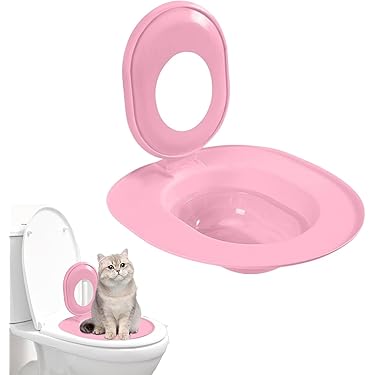
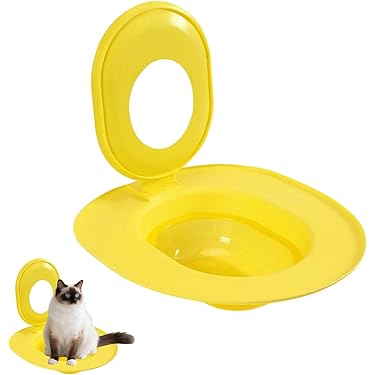
To bridge the gap between the litter box and toilet, use a specially designed cat training seat. These inserts fit inside the toilet bowl and hold litter, offering a familiar texture for your cat. Some training seats come with removable sections, allowing you to increase the hole size over time.
As your cat gets comfortable, gradually enlarge the opening. This encourages your cat to balance on the seat and use the toilet properly. You’ll want to stay close and reward good behavior during this sensitive stage.
Handling Common Challenges
Training your cat to use the toilet is rewarding, but it comes with its own set of challenges. Handling these hurdles calmly and effectively can make the difference between success and frustration. Let’s dive into common issues you might face and how to overcome them.
Dealing With Resistance
Some cats resist toilet training because it’s unfamiliar or uncomfortable. Patience is key—avoid rushing your cat through the process. Try breaking the training into smaller steps, like gradually moving the litter box closer to the toilet over several days.
Have you noticed your cat backing away or showing signs of stress? That might mean you need to slow down. Offering treats or gentle praise can encourage your cat to explore the new routine without fear.
Managing Accidents
Accidents happen, and that’s normal during training. Instead of punishing your cat, clean the area thoroughly to remove any lingering smells. Cats often return to spots that still smell like urine or feces.
Keep an eye on when accidents occur. Are they happening at specific times or after certain changes? Identifying patterns can help you adjust your training approach. Sometimes, switching to a different type of litter or changing cleaning products can reduce accidents.
Maintaining Consistency
Consistency is crucial for your cat’s toilet training success. Use the same toilet every time and keep the training tools in place until your cat is fully comfortable. Changing the setup too soon can confuse them.
Make sure everyone in your household follows the same routine. Mixed messages from different family members can slow progress. Have you set reminders or a schedule to keep the training on track? Small daily efforts add up quickly.
Tips For Successful Toilet Training
Successfully toilet training your cat requires patience, attention, and a clear plan. Every cat reacts differently, so understanding how to encourage good behavior without causing stress is key. These tips will help you create a smooth, positive experience for both you and your feline friend.
Positive Reinforcement Techniques
Reward your cat immediately after they use the toilet. Use treats, gentle petting, or soft praise to let them know they did something right.
Consistency is crucial. Stick to the same rewards and timing so your cat connects the action with the positive outcome.
If your cat hesitates, try breaking down the training into smaller steps. Celebrate small wins to build confidence and motivation.
Monitoring Your Cat’s Health
Keep an eye on your cat’s bathroom habits during training. Any sudden changes in frequency or difficulty could signal health issues.
Toilet training can sometimes stress cats, leading to urinary problems. Watch for signs like frequent attempts to urinate or vocalizing in pain.
Consult your vet if you notice anything unusual. Healthy cats are more likely to succeed in toilet training.
Adjusting Training Pace
Every cat learns at their own speed. If your cat seems confused or stressed, slow down the process.
Try spending more time on each step before moving forward. Forcing progress can lead to setbacks or accidents.
Ask yourself: Are you pushing your cat too fast? Patience often leads to better, longer-lasting results.
Alternatives To Toilet Training
Toilet training a cat isn’t the only way to keep your home clean and your feline friend happy. There are other effective alternatives that many cat owners find easier and just as practical. These options can suit different lifestyles and cat personalities, making the process less stressful for both you and your pet.
Litter Box Innovations
Litter boxes have come a long way from the basic plastic tray with sand. Today, you can find self-cleaning litter boxes that save you time and reduce odor. Some models even use sensors to detect when your cat has used the box, automatically scooping waste into a sealed container.
Have you tried different types of litter? Clumping, crystal, or biodegradable options can make a big difference in your cat’s comfort and your cleaning routine. Changing the litter type might even encourage a reluctant cat to use the box consistently.
Think about the location and size of the box too. Cats prefer quiet, private spots, and a larger box can accommodate bigger or more active cats. Adding multiple boxes around the house can prevent territorial disputes if you have more than one cat.
Outdoor Training Options
If you have safe outdoor space, training your cat to go outside can be a natural and healthy alternative. Some cats enjoy digging in dirt or grass, which feels more instinctual than using a litter box or toilet.
Outdoor training requires supervision at first to keep your cat safe from traffic or other animals. You might also consider building a small enclosed area, like a catio, where your cat can relieve itself without wandering too far.
What’s great about outdoor options is the reduced need for constant cleaning inside your home. However, it’s important to watch for seasonal changes and weather conditions that might affect your cat’s willingness to go outside.
Credit: www.amazon.com
Frequently Asked Questions
How Do You Toilet Train A Cat Step-by-step?
Start by placing a litter box near the toilet. Gradually raise the box height. Then, move it onto the toilet seat. Replace litter with water over time. Finally, remove the box completely for your cat to use the toilet.
What Are The Benefits Of Toilet Training Cats?
Toilet training reduces litter box odor and mess. It saves money on litter. It prevents litter tracking in the house. It’s eco-friendly and hygienic. Plus, it creates a cleaner home environment for both cats and owners.
How Long Does Toilet Training A Cat Usually Take?
Training time varies by cat personality. Most cats learn within 4 to 8 weeks. Patience and consistency are essential. Some cats may take longer, so avoid rushing. Positive reinforcement helps speed up the process.
Are All Cats Suitable For Toilet Training?
Not all cats are ideal candidates. Kittens under 4 months may struggle. Elderly or disabled cats might find it hard. Cats with anxiety or litter box aversion may resist. Assess your cat’s behavior before starting training.
Conclusion
Training cats to use the toilet takes patience and time. Most cats can learn with gentle guidance and rewards. This habit keeps your home cleaner and saves litter costs. Remember to stay calm and consistent during training. Each cat learns at its own pace, so don’t rush.
Celebrate small successes to encourage your pet. Toilet training can be a good choice for many cat owners. It creates a closer bond and teaches your cat new skills. Try this method and enjoy a tidier home with your feline friend.
