

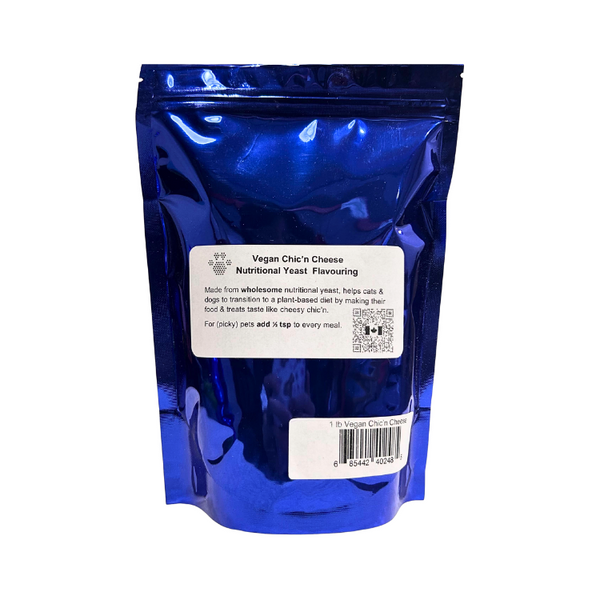
If you’re a cat owner, you want the best for your furry friend’s health and happiness. You might have heard about nutritional yeast as a superfood for humans, but did you know it can also benefit your cat?
Adding nutritional yeast to your cat’s diet could improve their coat, support their immune system, and even make mealtime more exciting. Curious how this simple ingredient can make a big difference for your pet? Keep reading to discover everything you need to know about cats and nutritional yeast.
Benefits Of Nutritional Yeast For Cats
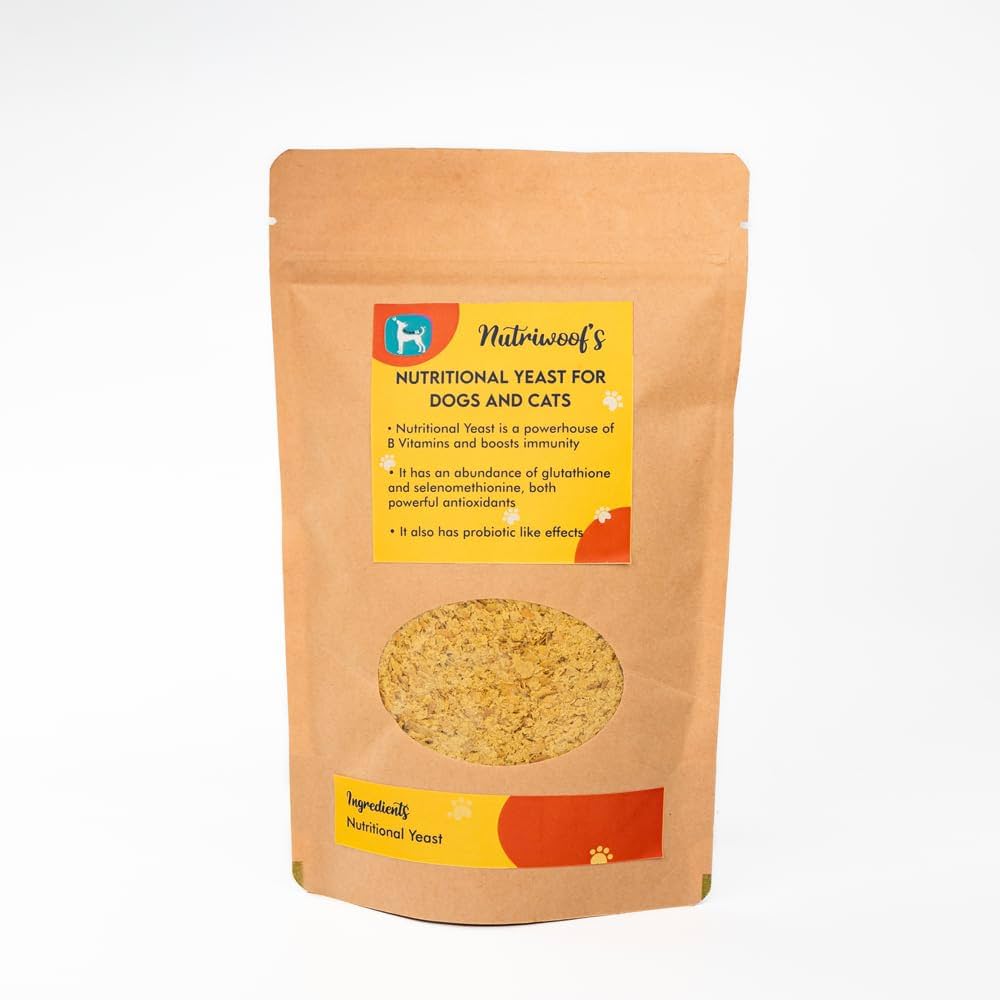
Nutritional yeast offers many benefits for cats. It is a natural supplement that supports overall health. Cats enjoy its flavor and it adds important nutrients to their diet. Its rich profile helps improve energy, immunity, skin, coat, and digestion.
Rich Source Of B Vitamins
Nutritional yeast provides many B vitamins that cats need daily. These vitamins help convert food into energy. B vitamins also support brain function and red blood cell production. They keep cats active and alert throughout the day.
Enhancing Immune Support
Natural compounds in nutritional yeast boost the immune system. They help cats fight off infections and illnesses. A strong immune system keeps cats healthier for longer. This is especially important for older cats or those with weak immunity.
Promoting Healthy Skin And Coat
Nutritional yeast contains nutrients that improve skin health. It helps reduce itching and dry patches. Cats get a shiny, soft coat that feels pleasant to touch. Healthy skin also lowers the risk of infections and irritation.
Supporting Digestive Health
The fiber in nutritional yeast supports good digestion. It helps regulate bowel movements and prevents constipation. Digestive health is key to nutrient absorption and overall wellness. Cats with healthy digestion show better energy and mood.
Credit: www.amazon.in
Safe Ways To Introduce Nutritional Yeast
Introducing nutritional yeast to your cat’s diet requires care and patience. Start slowly to ensure your pet adjusts well. Nutritional yeast offers vitamins and a cheesy flavor cats enjoy. Proper introduction helps avoid upset stomachs or allergies. Follow simple steps for a smooth transition.
Recommended Dosages For Cats
Begin with a tiny amount, about 1/8 teaspoon daily. Observe how your cat reacts before increasing the amount. Most adult cats can have up to 1/2 teaspoon per day. Kittens and smaller cats need less. Always consult your vet for personalized advice.
Mixing With Regular Cat Food
Sprinkle nutritional yeast over wet or dry food. Mix well to spread the flavor evenly. Some cats prefer it mixed with a little water or broth. This makes it easier to eat and more appealing. Serve fresh to keep nutrients intact.
Monitoring For Allergic Reactions
Watch your cat closely after introducing nutritional yeast. Look for signs like itching, redness, or swelling. Digestive issues such as vomiting or diarrhea can also appear. Stop feeding if any symptoms develop. Contact your vet immediately for guidance.
Choosing The Right Nutritional Yeast
Choosing the right nutritional yeast for your cat is important for their health and enjoyment. Quality matters. Cats need pure, safe ingredients that support their diet without harm. Understanding different options helps you make the best choice for your furry friend.
Organic Vs. Non-organic Options
Organic nutritional yeast comes from natural, pesticide-free sources. It avoids synthetic chemicals and fertilizers. Non-organic options may contain residues from these substances. Organic yeast offers cleaner nutrition, reducing risks of toxins. It is often fresher and more nutrient-dense. Choosing organic supports your cat’s well-being more effectively.
Avoiding Additives And Fillers
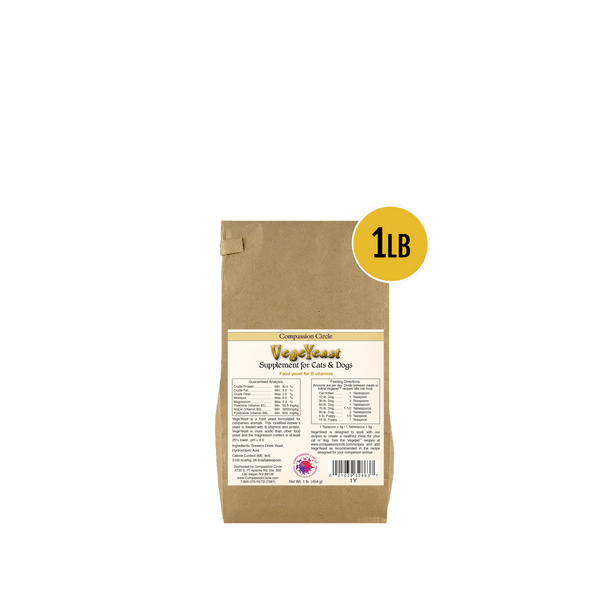
Check labels carefully. Some nutritional yeast products include additives or fillers that add no nutritional value. These can upset your cat’s stomach or cause allergies. Pure nutritional yeast should contain only yeast cells. Avoid ingredients like sugars, salts, or artificial colors. Clean products ensure your cat gets only beneficial nutrients.
Forms: Flakes, Powder, And Tablets
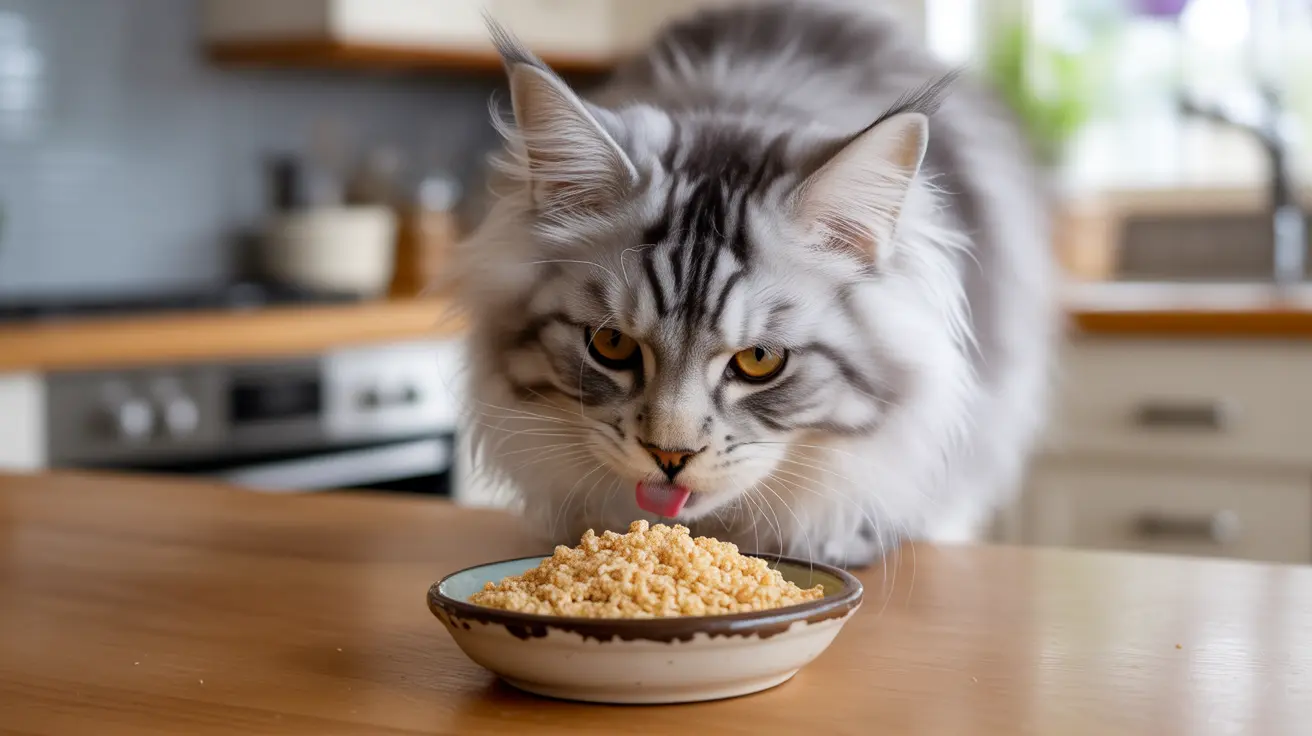
Nutritional yeast comes in flakes, powder, and tablets. Flakes are easy to sprinkle over food. Powder blends smoothly into wet meals or treats. Tablets offer a measured dose and are convenient for travel. Each form works differently depending on your cat’s preference. Try small amounts to see what your cat likes best.
Credit: www.petscare.com
Potential Risks And Precautions
Adding nutritional yeast to your cat’s diet can seem like a great idea because of its vitamins and minerals. However, it’s important to be cautious and understand the potential risks. Paying attention to these precautions helps you protect your furry friend from unwanted health issues.
Overconsumption Side Effects
Feeding too much nutritional yeast to your cat can cause digestive upset. Symptoms like vomiting, diarrhea, or gas may appear if your cat eats excessive amounts. Cats have sensitive stomachs, so even a small increase can lead to discomfort.
Overuse might also lead to yeast infections or allergic reactions. Watch your cat closely after introducing nutritional yeast. If you notice itching, redness, or excessive scratching, it’s time to stop and consult your vet.
Interactions With Medications
Nutritional yeast contains compounds that might interfere with certain medications your cat is taking. For example, cats on blood thinners or antidepressants could experience unwanted effects. Always check with your veterinarian before adding nutritional yeast to your cat’s diet if they are on medication.
Ignoring this step could risk reducing the effectiveness of the medication or causing harmful reactions. It’s better to ask and be safe than regret it later.
When To Avoid Nutritional Yeast
Not every cat should have nutritional yeast. Avoid it if your cat has a history of yeast infections or allergies. Cats with compromised immune systems or chronic illnesses should also steer clear unless your vet approves.
If your cat is pregnant or nursing, hold off on adding nutritional yeast. Their dietary needs are different, and some ingredients might not be safe during these sensitive times. Always prioritize your cat’s specific health conditions before trying new supplements.
Incorporating Nutritional Yeast Into Homemade Cat Treats
Incorporating nutritional yeast into homemade cat treats is an easy way to boost your cat’s diet. Nutritional yeast offers important vitamins and a savory flavor cats enjoy. It blends well with common ingredients, making treats tasty and healthy. Homemade treats let you control what your cat eats and avoid harmful additives.
Using nutritional yeast in treats supports your cat’s immune system and fur health. It’s rich in B vitamins and protein, which are vital for cats. Keep treats simple and balanced to fit your cat’s dietary needs.
Simple Recipe Ideas
- Mix tuna, an egg, and nutritional yeast for a soft treat.
- Combine cooked chicken, pumpkin, and nutritional yeast for a chewy snack.
- Blend oats, nutritional yeast, and water to form small dough balls.
- Bake small portions at low heat to keep nutrients intact.
Balancing Nutritional Content
Use nutritional yeast in moderate amounts to avoid excess vitamins. Pair it with protein sources like chicken or fish. Avoid ingredients harmful to cats, such as onions or garlic. Maintain a good balance of fats, proteins, and vitamins in treats. Consult your vet if unsure about quantities or ingredients.
Storage Tips For Freshness
- Store treats in an airtight container to keep them fresh.
- Keep containers in a cool, dry place away from sunlight.
- Refrigerate treats if they contain perishable ingredients.
- Check treats regularly for signs of spoilage before serving.
Credit: vecado.ca
Frequently Asked Questions
What Is Nutritional Yeast For Cats?
Nutritional yeast is a deactivated yeast rich in vitamins and minerals. It supports cats’ immune health and improves coat quality naturally.
Can Cats Safely Eat Nutritional Yeast?
Yes, cats can safely consume nutritional yeast in small amounts. It provides essential nutrients without harmful effects when used correctly.
What Are The Benefits Of Nutritional Yeast For Cats?
Nutritional yeast boosts immune function, aids digestion, and promotes shiny fur. It also contains B vitamins vital for feline health.
How Much Nutritional Yeast Should I Give My Cat?
Start with a pinch or 1/4 teaspoon daily. Gradually increase while monitoring your cat for any adverse reactions.
Conclusion
Cats can benefit from nutritional yeast in small amounts. It adds vitamins and supports healthy fur and skin. Always introduce it slowly to watch for reactions. Too much can cause stomach upset. Consult your vet before adding new supplements. Nutritional yeast is a natural way to boost your cat’s diet safely.
Keep your cat happy and healthy with balanced nutrition. Simple steps make a big difference in pet care. Nutritional yeast can be a helpful addition, not a replacement. Careful feeding keeps your cat feeling its best every day.
