


Have you ever watched your cat spend hours licking its fur and wondered why it grooms itself so much? Understanding why cats groom themselves can help you take better care of your furry friend.
This natural behavior isn’t just about staying clean—it reveals a lot about your cat’s health, mood, and comfort. Keep reading, and you’ll discover surprising facts about your cat’s grooming habits and learn how to support them in staying happy and healthy.

Credit: www.shutterstock.com
Why Cats Groom Themselves
Cats spend a lot of time grooming themselves. This behavior is natural and serves many purposes. Grooming helps cats stay clean and healthy. It also plays a role in how they communicate with other cats.
Instinctive Behavior
Cats groom themselves because it is part of their nature. Even wild cats clean their fur regularly. This instinct helps them remove dirt, parasites, and loose hair. Grooming also helps regulate body temperature. It keeps their fur in good condition for protection.
Health Benefits
Grooming supports a cat’s overall health. It prevents skin problems and infections. By licking their fur, cats spread natural oils that keep the coat soft and shiny. Grooming also helps cats reduce stress. It acts as a calming activity during tense moments.
Social Signals
Cats use grooming to send messages to other cats. When cats groom each other, it shows trust and friendship. Grooming can also mark territory by spreading their scent. This helps cats feel safe and connected within their group.
Techniques Cats Use
Cats have unique ways to keep their fur clean and healthy. Their grooming techniques are natural and very effective. These methods help remove dirt, loose hair, and parasites. They also keep cats comfortable and calm. Understanding these techniques shows how cats take care of themselves daily.
Licking And Saliva
Cats use their tongues to lick their fur carefully. The saliva helps clean their coat by breaking down oils and dirt. Licking also spreads natural oils across their fur. This keeps the fur shiny and waterproof. Cats lick in small, repetitive motions to reach every part of their body.
Scratching And Biting
Scratching helps cats remove loose fur and skin flakes. It also relieves itching and irritation. Cats use their teeth to bite off mats or tangled fur. Biting helps them reach spots that are hard to lick. These actions help maintain a neat and smooth coat.
Using Their Tongue Texture
A cat’s tongue has tiny, rough bumps called papillae. These help comb through fur and remove dirt. The rough texture also detangles hair and removes loose fur. It acts like a natural brush. This unique tongue structure is key to their grooming success.
Frequency And Timing
Understanding how often and when cats groom themselves offers valuable insight into their health and behavior. Cats have a natural rhythm to their grooming that reflects their needs and environment. Observing these patterns can help you notice changes that might signal health issues.
Daily Grooming Habits
Cats usually spend a significant part of their day grooming. This can total up to 50% of their waking hours. Grooming helps them stay clean, regulate body temperature, and reduce stress.
You might see your cat licking its fur multiple times a day in short bursts. These sessions often happen after waking up or before settling down to sleep. Have you ever noticed your cat pausing just to clean a specific spot carefully? This attention to detail shows how grooming is a personal routine for them.
Grooming After Meals
Many cats groom themselves immediately after eating. This behavior helps remove food particles and keeps their fur tidy. It’s also a way for them to relax and digest.
If your cat skips grooming after meals, it might be a sign of discomfort or dental issues. Watch how your cat behaves post-meal—does it clean itself thoroughly or seem restless? Your observation can guide you in spotting potential problems early.
Seasonal Changes
Grooming frequency often shifts with the seasons. During warmer months, cats groom more to remove excess fur and cool down. In colder months, grooming helps distribute natural oils to protect their skin and fur.
You may notice your cat shedding more and grooming intensely in spring and fall. These are the times when their coat changes. Does your cat seem more focused on grooming during these periods? This natural adjustment helps them stay comfortable year-round.
Grooming Challenges
Cats are usually excellent groomers, but their self-care isn’t without its problems. Grooming challenges can affect their health and comfort in ways you might not expect. Recognizing these issues early can help you support your feline friend better.
Hairballs And Mats
Hairballs are a common side effect of cats licking their fur. Your cat swallows loose hair, which can clump in their stomach and cause discomfort. You might notice your cat coughing or gagging; this is often their way of trying to expel a hairball.
Mats form when fur becomes tangled and sticky, often in long-haired cats. They can pull on the skin and cause pain, making grooming harder for your cat. Regular brushing can prevent mats, but if you spot a severe one, it’s best to consult a vet or groomer.
Skin Issues
Grooming problems can sometimes hide skin conditions. If your cat’s fur looks patchy or you see redness, it could mean irritation or infection beneath. Parasites like fleas and mites also cause itching, making your cat groom excessively.
Have you noticed your cat scratching more than usual? This could be a sign that their grooming routine is trying to fix a deeper issue. Keeping an eye on their skin and coat will help catch problems before they worsen.
Overgrooming
Overgrooming is a sign that something is wrong, whether physical or emotional. Stress, allergies, or pain can cause your cat to lick themselves obsessively, leading to bald patches or sores. It’s important to ask yourself what might be triggering this behavior in your cat’s environment.
If you see your cat licking or chewing the same spot repeatedly, try to identify and reduce any stress factors. You might need to visit the vet to find out if allergies or medical issues are the root cause. Overgrooming isn’t just a bad habit—it’s a message your cat needs help.
How Owners Can Help
Cats spend a lot of time grooming themselves. Still, owners can support their feline friends to stay clean and healthy. Helping with grooming keeps their coat shiny and skin healthy. It also reduces hairballs and matting. Simple care routines make a big difference for cats.
Brushing Techniques
Regular brushing removes loose fur and dirt. Use a brush made for your cat’s coat type. Brush gently in the direction of hair growth. Focus on areas where hair mats easily, like behind ears and under the legs. Brushing also improves blood flow and reduces shedding. Short sessions keep your cat calm and comfortable.
Bathing Tips
Most cats do not need frequent baths. Bathe only when your cat is very dirty or has skin issues. Use warm water and a mild cat shampoo. Avoid getting water in their ears and eyes. Rinse thoroughly to remove all soap. Dry your cat well with a towel. Bathing can be stressful, so keep it quick and calm.
Diet And Hydration
A healthy diet supports a shiny coat and healthy skin. Feed high-quality cat food with balanced nutrients. Omega-3 and omega-6 fatty acids help reduce dry skin and itching. Fresh water is vital for hydration and overall health. Wet food can increase water intake. Proper diet and hydration improve your cat’s grooming naturally.
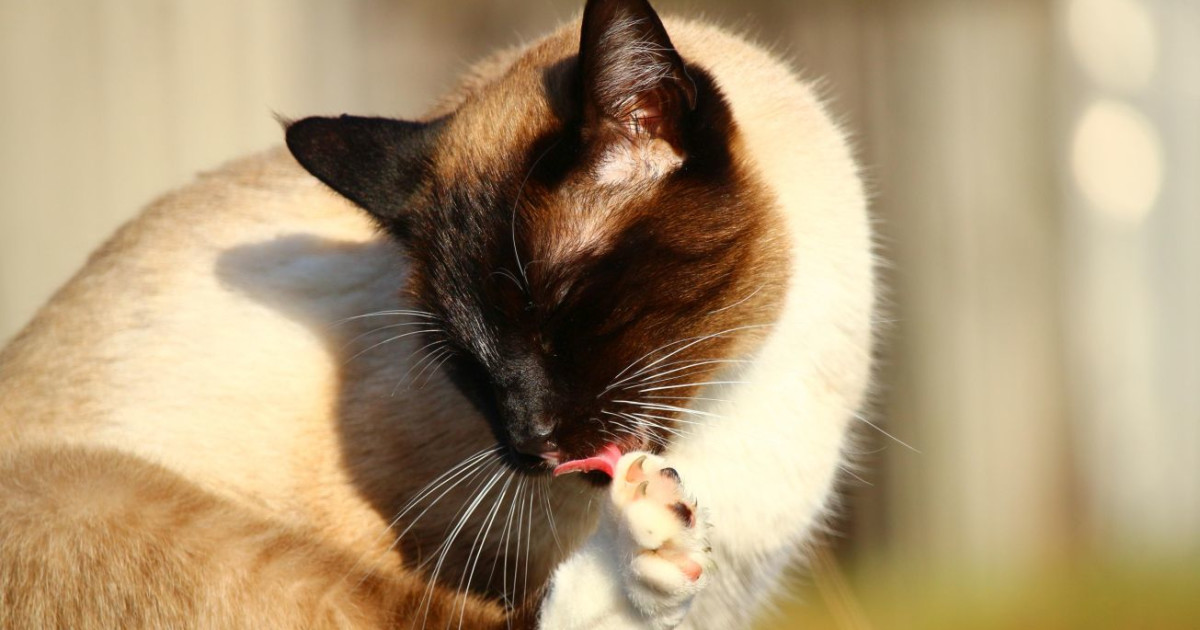
Credit: pethelpful.com
Grooming And Cat Behavior
Cats spend a lot of time grooming themselves. It is more than just cleaning. Grooming tells a lot about a cat’s feelings and health. Understanding grooming helps owners care better for their pets.
Stress And Grooming
Grooming helps cats calm down during stress. Cats may lick their fur more when nervous. Sometimes, too much grooming shows anxiety or discomfort. Watch for changes in grooming habits as clues.
Bonding Through Grooming
Cats groom each other to build trust. This behavior is called allogrooming. It strengthens social bonds and shows affection. Grooming together helps cats feel safe and connected.
Signs Of Discomfort
Changes in grooming can signal problems. Cats may stop grooming if they feel pain. Over-grooming can cause bald spots or skin sores. Look for these signs and consult a vet if needed.

Credit: www.shutterstock.com
Frequently Asked Questions
Why Do Cats Groom Themselves So Often?
Cats groom themselves to stay clean and remove dirt. Grooming also helps regulate their body temperature and reduce stress.
How Does Grooming Benefit A Cat’s Health?
Grooming improves skin health by spreading natural oils. It also prevents hair mats and reduces the risk of parasites.
Can Excessive Grooming Indicate A Health Problem?
Yes, excessive grooming might signal allergies, stress, or skin infections. Consult a vet if grooming seems obsessive or causes hair loss.
Do Cats Groom To Communicate With Other Cats?
Yes, cats use grooming to bond and show affection. Mutual grooming strengthens social connections within groups or families.
Conclusion
Cats grooming themselves keeps their fur clean and healthy. It helps remove dirt and loose hair. Grooming also calms cats and reduces stress. Watching a cat clean itself is fascinating and shows care. Understanding this behavior helps owners support their pets better.
Regular grooming habits mean a happy, comfortable cat. Remember, grooming is natural and important for every cat’s well-being.
