

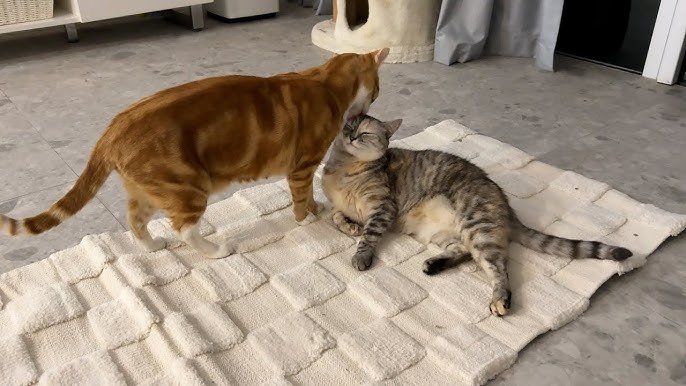
Have you ever watched cats grooming one another and wondered why they do it? It’s more than just keeping clean.
When cats lick each other, they’re building strong bonds, showing trust, and even calming each other down. Understanding this behavior can help you see your furry friends in a whole new light. Keep reading, and you’ll discover the surprising reasons behind this gentle grooming ritual and how it affects your cats’ happiness and health.

Credit: www.shutterstock.com
Why Cats Groom Each Other
Have you ever watched two cats gently licking each other and wondered why they do it? Cats grooming each other is more than just keeping clean. It’s a meaningful behavior that reveals a lot about their relationships and feelings.
Social Bonding Benefits
When cats groom each other, they build strong social bonds. This act helps them feel connected and safe. You might see your cats grooming a new friend to welcome them into their group.
Think about your own friendships. Sharing time and care strengthens your connections. Cats do the same by grooming; it’s their way of saying, “You belong here.”
Stress Reduction
Grooming each other also helps cats relax. The gentle licking releases calming hormones that reduce anxiety. If you notice your cat grooming a nervous companion, it’s a natural way to soothe stress.
Have you ever felt calmer after a comforting touch? Cats experience this too. This shared grooming helps keep their emotions balanced in a busy environment.
Hierarchy And Trust
Grooming plays a role in establishing social order. Higher-ranked cats often groom others to show care and reinforce their position. But this is not just about power—it’s about trust.
When a cat allows another to groom hard-to-reach spots, it shows deep trust. Your cats might be quietly communicating who leads and who follows while building mutual respect.
How Cats Groom Each Other
Watching cats groom each other is more than just a cute moment; it reveals their social bonds and trust. This mutual grooming, known as allogrooming, helps cats maintain hygiene and strengthen relationships. But how exactly do cats go about grooming one another?
Common Grooming Spots
Cats usually focus on areas that are hard to reach by themselves. The head, neck, and cheeks are popular spots. You’ll often see one cat licking another’s face and ears.
The base of the tail is another favorite area for grooming. This spot is difficult for cats to clean alone, so they rely on their companions. You might also notice grooming along the back and shoulders.
Techniques And Behaviors
Cats use their tongues like tiny brushes, which have tiny, hook-like structures to remove dirt and loose fur. They start by licking gently, then nibble softly if needed. This helps remove stubborn debris.
Besides licking, cats use their paws to rub and clean fur, sometimes followed by more licking. You might see one cat pause to look around before resuming—this shows they are checking for safety during this vulnerable moment.
Have you noticed how cats purr while grooming each other? That sound isn’t just a sign of contentment but also a calming signal to keep the interaction peaceful and positive.
Age And Grooming Roles
Older cats often take on a caregiving role by grooming younger or weaker cats. This helps build trust and shows leadership within the group. Young cats, in turn, learn grooming habits by watching and participating.
Senior cats may also receive more grooming as a form of care, especially if they have trouble reaching certain spots. Have you seen a younger cat patiently licking an older cat’s head or neck? It’s a clear sign of affection and support.
If you have multiple cats, watch how grooming patterns develop over time. Do some cats always take the role of groomer, while others prefer to be groomed? These roles can tell you a lot about their social dynamics.
Signs Of Strong Feline Bonds
Cats grooming one another shows more than just cleanliness. It reveals deep bonds between them. These signs help understand how close two cats really are. Recognizing these signals can improve your knowledge of feline behavior.
Mutual Grooming Frequency
Frequent mutual grooming means trust and affection. Cats that groom each other often feel safe together. It strengthens their social connection and reduces stress. Watch for repeated grooming sessions throughout the day.
Body Language Cues
Relaxed postures and slow blinking show comfort and friendship. Cats that groom each other usually stay calm and close. Their tails may wrap around each other or flick gently. These signs express warmth and acceptance.
Play And Resting Together
Cats with strong bonds often play and nap side by side. They share toys and chase each other gently. Resting close shows trust and protection. This closeness confirms their strong emotional link.
When Grooming Indicates Conflict
Cats grooming each other often looks like a peaceful bonding activity, but sometimes it signals tension beneath the surface. When grooming turns into conflict, it’s a sign that your cats may be struggling with social dynamics or stress. Recognizing these signs early can help you maintain harmony in your feline family.
Over-grooming And Stress
Have you noticed one cat relentlessly grooming another to the point where fur starts thinning? Over-grooming can be a sign of stress or anxiety rather than affection. It might feel like caring, but it often causes discomfort and irritation for the recipient.
Stress triggers this behavior as a way for cats to try to control their environment or assert dominance. If you see bald patches or red skin, it’s time to step in. Ignoring over-grooming can lead to skin infections or worsen tension between your cats.
Avoidance Behaviors
Watch how your cats react after grooming sessions. Does one cat suddenly retreat or avoid the other? Avoidance is a subtle but clear sign that grooming might not be entirely welcome. It shows discomfort and a desire to escape a stressful interaction.
Sometimes, cats will hide or refuse to share space after forced grooming. If you notice your cats no longer relax around each other, you should question whether grooming is truly friendly or a source of conflict. These behaviors reveal underlying issues that need your attention.
Intervention Tips
If grooming is causing conflict, your goal should be to reduce stress and restore positive interactions. Here are practical steps you can take:
- Separate your cats temporarily:Give them space to calm down and reduce tension.
- Provide multiple resources:Add extra litter boxes, feeding stations, and resting spots to avoid competition.
- Use calming aids:Try pheromone diffusers or calming sprays to help ease anxiety.
- Redirect attention:Engage your cats with playtime to shift focus away from each other.
- Monitor closely:Keep an eye on grooming behavior and step in if you see signs of over-grooming or avoidance.
Have you ever seen your cats’ grooming change suddenly? That shift might be a call for help. Paying attention and acting early can keep your cats happy and healthy together.
Encouraging Grooming Among Cats
Encouraging grooming among cats helps build strong bonds and reduces stress. Cats groom each other to show trust and care. This behavior improves their social life and keeps their fur clean. Creating a calm and friendly space supports this natural habit. Introducing cats carefully can lead to lasting friendships and more grooming sessions. Watching for signs of friendship helps you support their connection.
Creating A Comfortable Environment
Provide quiet spots where cats feel safe and relaxed. Soft bedding and warm places invite cats to stay close. Avoid loud noises and sudden movements that cause stress. Place food and water bowls apart to prevent competition. A calm environment encourages cats to approach one another gently. Space helps reduce tension and lets grooming happen naturally.
Introducing Cats Properly
Start introductions slowly and in neutral areas. Let cats see each other from a distance first. Use scent swapping with blankets or toys to build familiarity. Gradually increase time spent together under supervision. Praise calm and friendly behavior between cats. Proper introductions lower fear and increase chances of grooming. Patience is key for smooth relationships.
Recognizing And Supporting Friendships
Look for cats resting close or touching paws. Mutual grooming and playing are strong friendship signs. Support these bonds by giving extra attention to both cats. Avoid forcing interactions if one cat feels stressed. Provide separate resources but encourage shared spaces. Respect their pace and celebrate small steps. Strong friendships lead to more grooming and harmony.

Credit: www.shutterstock.com

Credit: www.youtube.com
Frequently Asked Questions
Why Do Cats Groom One Another?
Cats groom one another to strengthen social bonds and show affection. This behavior also helps them keep clean and reduce stress. It promotes group harmony and trust among cats in the same household or colony.
How Often Do Cats Groom Each Other?
Cats groom each other several times a day, especially when they share a close bond. Grooming frequency varies depending on their relationship and environment. Regular grooming helps maintain cleanliness and emotional connection between cats.
Is Grooming A Sign Of Friendship In Cats?
Yes, grooming is a strong sign of friendship and trust among cats. It shows comfort and mutual care. Cats avoid grooming those they dislike or don’t trust, making it a clear social signal.
Can Cats Groom Too Much?
Cats can groom excessively due to stress, anxiety, or skin problems. Over-grooming may cause bald patches or sores. If you notice this, consult a vet to address underlying health or behavioral issues.
Conclusion
Cats grooming one another shows their strong bond and trust. This behavior keeps their fur clean and healthy. It also helps them feel calm and safe together. Watching cats groom each other can be very soothing. It reminds us how important friendship and care are.
Cats teach us about kindness in simple ways. Their grooming is more than just cleaning—it’s love and connection. Understanding this helps us appreciate our pets even more. Keep observing these gentle moments—they tell a beautiful story.
