

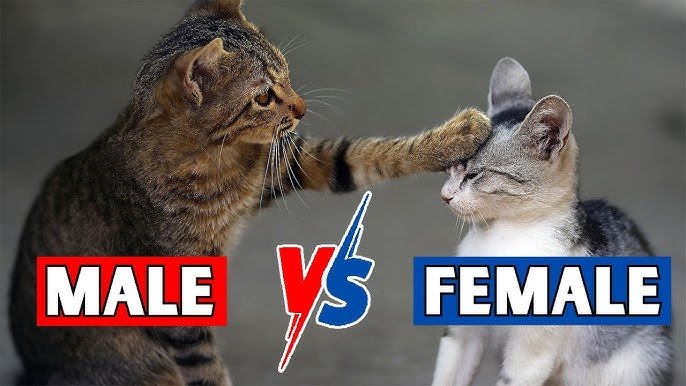
Have you ever watched two cats gently licking each other and wondered what it really means? When cats groom each other, it’s more than just cleaning fur.
This simple act holds secrets about their feelings, trust, and social bonds. Understanding why your cats groom each other can help you see their relationships in a whole new light. Keep reading, and you’ll discover the surprising reasons behind this furry behavior—and what it tells you about your cats’ world.
Why Cats Groom Each Other
Have you ever noticed your cats licking each other and wondered why they do it? Cats grooming each other is more than just a cute behavior; it serves several important purposes in their lives. Understanding why cats groom each other can deepen your appreciation for their social nature and help you spot signs of healthy relationships among your feline friends.
Social Bonding And Trust
Cats use grooming to build and maintain strong social bonds. When your cats groom each other, they are showing trust and affection. This behavior helps reduce tension and promotes a peaceful environment, especially in multi-cat households.
Have you seen your cats grooming each other after a play session? It’s their way of saying, “We’re friends.” This mutual grooming strengthens their connection and reassures them that they belong together.
Maintaining Hygiene
Grooming helps cats stay clean, especially in places they can’t easily reach themselves. Cats often lick hard-to-reach spots like the head, neck, and ears on each other. This shared grooming helps keep their fur free from dirt, parasites, and loose hair.
If you’ve noticed your cats working together to clean each other, it’s a sign they care about each other’s well-being. You can even assist by gently brushing your cats to support their natural grooming habits.
Stress Relief And Comfort
Mutual grooming can reduce stress and provide comfort to cats. The rhythmic licking releases calming hormones, helping cats feel safe and relaxed. This is especially important during changes like moving to a new home or introducing a new pet.
Next time your cats groom each other, watch how relaxed they look afterward. It’s their way of coping with stress and reinforcing a sense of security. How might you create a calm environment to encourage this comforting behavior in your cats?
Types Of Mutual Grooming
Mutual grooming is a common behavior among cats that helps build strong social bonds. It is more than just cleaning; it is a way cats communicate trust and friendship. Different types of mutual grooming show various social dynamics and intentions within cat groups.
Allogrooming Behavior
Allogrooming is when cats groom each other instead of themselves. This behavior shows friendship and social connection. Cats lick or nibble the fur of another cat to help clean hard-to-reach areas. It reduces stress and creates a feeling of safety. Allogrooming often happens between cats that live together or share a close bond.
Targeted Body Areas
Cats focus on specific body parts during mutual grooming. They usually groom the head, neck, and ears where cats cannot easily reach. The face and cheeks are common spots because they hold scent glands. Grooming these areas helps cats share their unique scent. This action strengthens group identity and trust.
Frequency And Duration
The frequency of mutual grooming varies by the cat’s relationship. Close friends groom more often and for longer periods. Short grooming sessions can last a few seconds. Longer sessions may continue for several minutes. Cats balance grooming with other activities like playing and resting. This behavior changes with mood and environment.
What Grooming Reveals About Feline Relationships
Grooming among cats is more than just keeping clean; it’s a language of connection. When cats groom each other, they reveal layers of their social bonds and relationships. Understanding these subtle cues can change how you see your feline friends and their interactions.
Hierarchy And Dominance
Grooming often shows who is in charge. The cat that grooms another usually holds a higher rank or more confidence in their group. This act can be a gentle reminder of social order without any need for aggression.
Have you noticed one cat always starting the grooming? That cat might be signaling its dominance. This behavior helps avoid fights by maintaining clear roles within the group.
Friendship And Affection
Grooming also expresses genuine friendship. When cats lick each other’s heads or necks, it’s a sign they trust and enjoy each other’s company. This mutual care strengthens their bond.
Your cats might groom one another after a play session or when settling down together. This shows they feel safe and connected, similar to a warm handshake or hug among humans.
Family Connections
Mother cats groom their kittens to keep them clean and calm. This builds a deep, nurturing bond that lasts as kittens grow. Grooming among siblings also helps maintain peace and closeness.
Even adult cats who grew up together might groom to remind each other of their family ties. This kind of grooming reassures them and keeps their relationship strong over time.
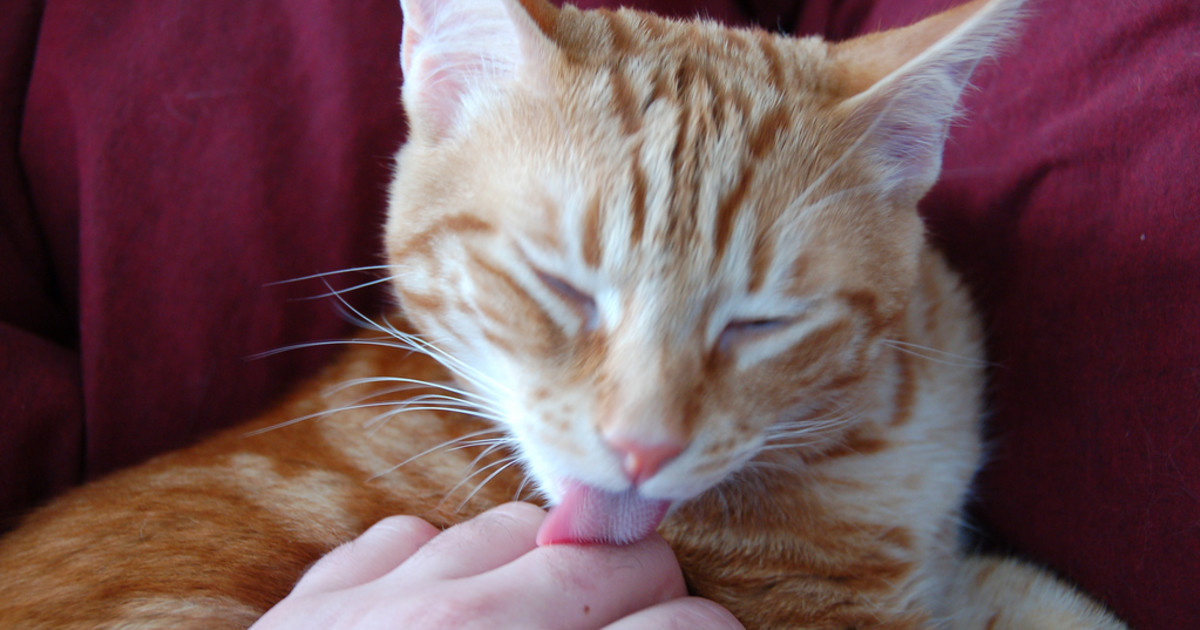
Credit: pethelpful.com
When Grooming Signals Problems
Cats grooming each other usually shows care and trust. Yet, sometimes grooming points to issues. It is important to spot these signs early. Problems in grooming can hint at stress, health, or social troubles. Understanding these signals helps keep cats happy and healthy.
Over-grooming And Stress
Excessive grooming may signal stress or anxiety in cats. They might lick or bite themselves too much. This can cause hair loss and skin wounds. Stress triggers include changes in environment or routine. Over-grooming is a way cats try to calm down.
Avoidance And Aggression
When cats stop grooming each other, problems might exist. Avoidance can mean fear or discomfort. Sometimes grooming turns into aggressive behavior. One cat may swat or hiss during grooming. This shows tension in their relationship.
Health Issues
Grooming problems can also signal health concerns. Cats with pain or illness may groom less. Skin infections, parasites, or allergies affect grooming habits. Watch for signs like redness, bumps, or bad smells. Regular vet checks help find these issues early.
Encouraging Positive Grooming Habits
Encouraging positive grooming habits among cats is key to building a peaceful and affectionate home environment. Grooming each other is more than just cleanliness—it strengthens bonds and reduces stress. But how do you help your cats develop this behavior without conflict?
Safe Environment Setup
Create a calm and secure space where your cats feel comfortable. Avoid loud noises and sudden movements that can startle them. Provide multiple cozy spots and grooming areas so they don’t feel crowded or threatened.
Make sure there are plenty of scratching posts and toys to keep their attention balanced between play and rest. A well-arranged environment encourages relaxation, which is essential for cats to engage in grooming each other.
Introducing New Cats
Introducing new cats requires patience. Allow them to meet gradually, starting with short, supervised interactions. You can use scent swapping by exchanging bedding to help them get used to each other’s smell before face-to-face meetings.
Keep initial encounters positive and calm, and never force grooming or physical contact. Give your cats the space to decide when and if they want to groom each other.
Recognizing And Respecting Boundaries
Not every cat enjoys being groomed or grooming others. Pay attention to body language such as tail flicks, ears back, or growling, which signal discomfort or stress. Respect these signals and give your cats time apart if needed.
Encourage grooming only when both cats seem relaxed and willing. This respect for boundaries will help maintain harmony and prevent negative associations with grooming.
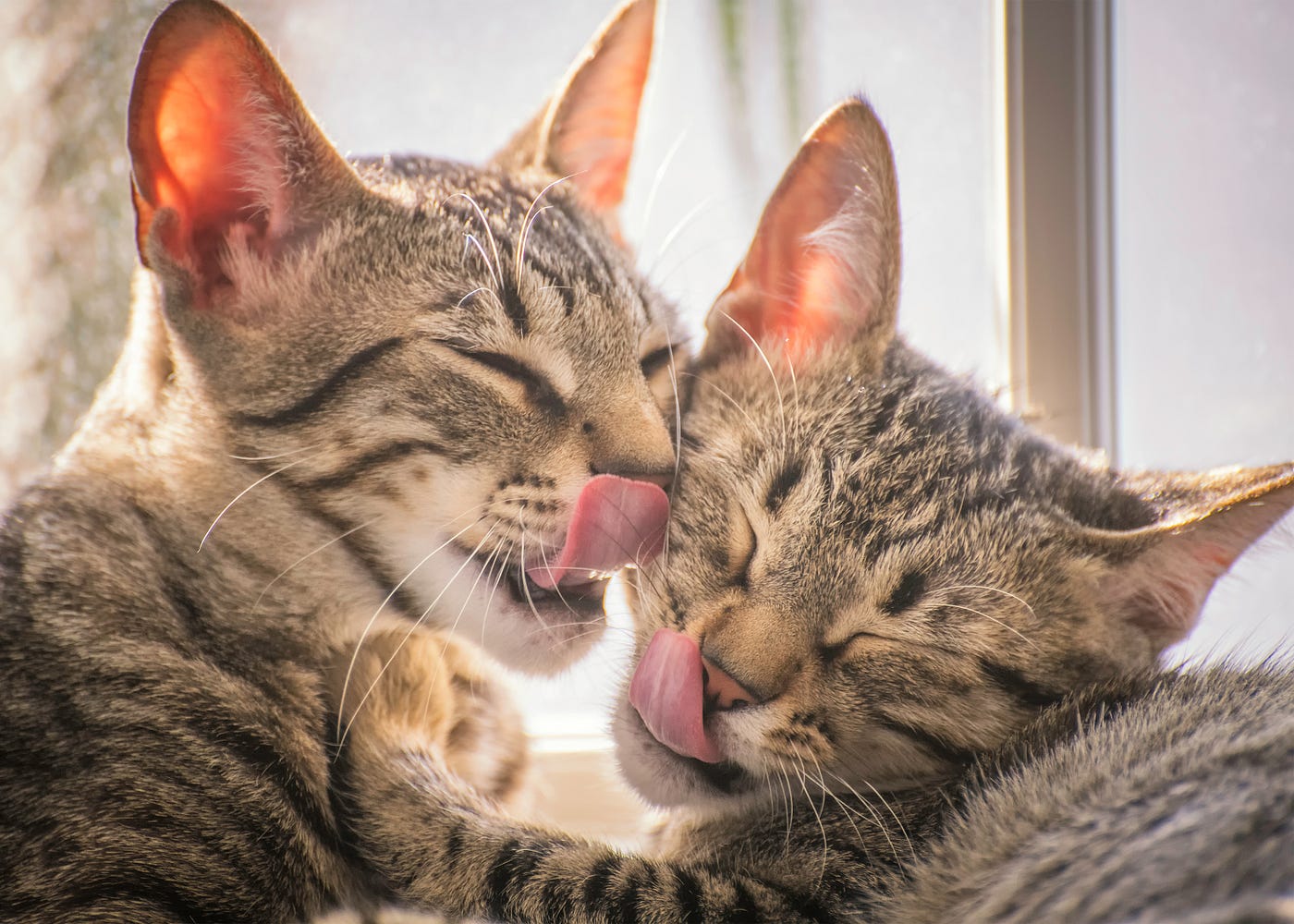
Credit: medium.com
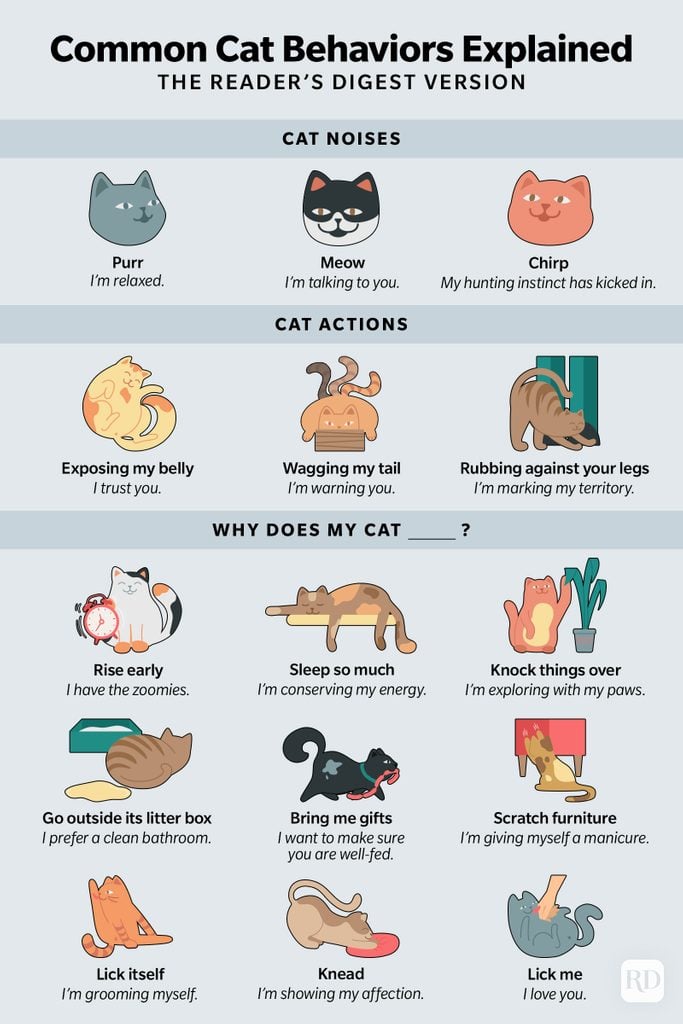
Credit: www.rd.com
Frequently Asked Questions
Why Do Cats Groom Each Other Frequently?
Cats groom each other to build trust and strengthen social bonds. This behavior, called allogrooming, also helps them keep clean and reduce stress. It shows affection and creates a sense of community among cats.
Does Grooming Mean Cats Are Friends?
Yes, grooming often signals friendship and mutual care between cats. It indicates comfort and a positive relationship. Cats groom friends to reinforce social ties and show loyalty.
Can Grooming Reduce Cat Stress?
Absolutely, grooming has calming effects on cats. It lowers anxiety and promotes relaxation. Grooming helps cats feel safe and secure in their environment.
Is Mutual Grooming Common In All Cat Breeds?
Mutual grooming is common in many cat breeds but varies by personality. Social cats groom more often, while solitary cats groom less. Breed traits and individual temperament influence grooming habits.
Conclusion
Cats grooming each other shows trust and friendship between them. It helps keep their fur clean and healthy. This behavior also reduces stress and builds strong bonds. Watching cats groom each other can teach us about their feelings. It’s a natural way for cats to show care and comfort.
Understanding this helps us better connect with our pets. Keep an eye on grooming to know when cats feel safe and happy. Small acts like these speak volumes in the cat world.
