

Imagine opening your heart and home to a furry friend who has survived against all odds. Cats from hurricane-impacted areas are being flown to Washington shelters, waiting for someone like you to give them a second chance.
These resilient felines have faced nature’s fury, and now they’re ready to fill your life with love and companionship. By adopting one of these special cats, you’re not just gaining a pet; you’re becoming part of a remarkable story of hope and recovery.
Are you ready to make a difference in both their life and yours? Read on to discover how you can be a beacon of hope and transform the life of a hurricane-affected cat today.
Rescue Efforts After The Hurricane
After a hurricane, many cats lose their homes and need urgent help. Rescue teams act fast to save these animals from dangerous conditions. They bring the cats to safe shelters where they can recover and find new families. These efforts require careful planning and teamwork to ensure every cat gets the care it needs.
Coordination Between Agencies
Multiple groups work together during rescue missions. Animal shelters, veterinarians, and local authorities join forces. They share resources and information. This teamwork speeds up rescue and care processes. Clear communication helps avoid confusion and overlap. Agencies meet regularly to plan and solve problems.
Transport Logistics
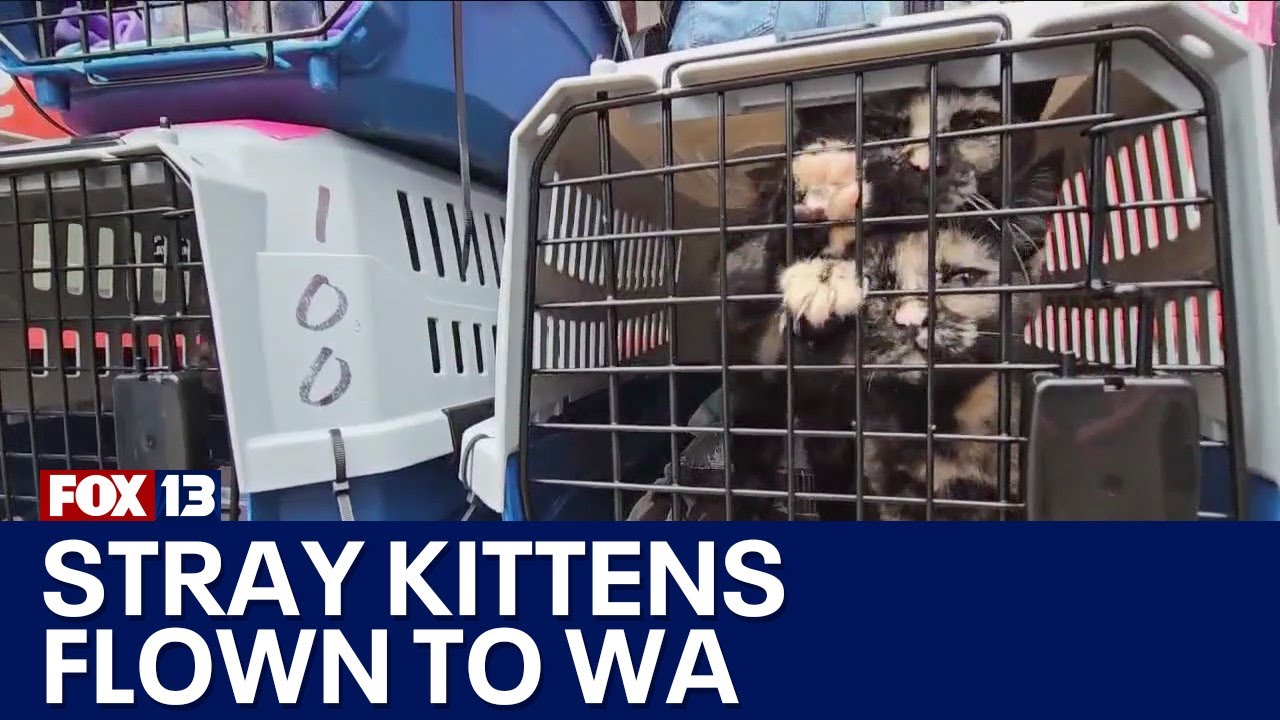
Moving cats from hurricane zones needs careful logistics. Rescue teams arrange safe vehicles and carriers. They ensure cats travel comfortably and calmly. Routes are planned to avoid delays and hazards. Volunteers help with loading and unloading animals. Timing is critical to reduce stress and health risks.
Selection Criteria For Cats
Not all cats can be transported immediately. Teams prioritize based on health and safety. Cats in urgent need get first attention. Healthy cats ready for travel are also chosen. Special care is given to kittens and injured animals. Each cat is checked by a vet before moving. This system protects the cats and ensures success.

Credit: www.youtube.com
Conditions In Hurricane-affected Areas
Hurricanes leave a trail of destruction that affects all living beings. Cats in these areas face harsh conditions after the storm passes. Many lose their homes and access to food and water. The damage to neighborhoods and natural shelters forces them into dangerous situations.
Rescue efforts are complicated by flooding and debris. Stray cats often wander in search of safety and care. Their survival depends on quick intervention and support from shelters and volunteers.
Challenges Faced By Stray And Abandoned Cats
Stray and abandoned cats struggle to find food and clean water. Flooded areas reduce their hunting grounds and safe hiding spots. Injuries and illnesses increase due to exposure to harsh weather. Stress and fear make them less likely to approach humans for help. Many become lost or separated from their families during evacuations.
- Limited access to food sources
- Exposure to dangerous debris and contaminated water
- Increased risk of disease and injury
- Difficulty finding shelter and warmth
- High stress levels leading to weakened health
Shelter Limitations During Disasters
Shelters face many challenges after hurricanes. Sudden influxes of animals overwhelm their capacity. Power outages and damaged facilities limit their ability to care for cats. Staff shortages and supply needs add to the strain. Many shelters must prioritize urgent medical care over routine services.
Transporting animals to other locations becomes necessary to prevent overcrowding. Shelter staff often work long hours with limited resources. The goal is to provide safety and comfort despite these hardships.
| Challenge | Impact on Shelters |
|---|---|
| Overcrowding | Reduced space for new animals |
| Power Outages | Limited heating, cooling, and lighting |
| Staff Shortages | Less care and supervision |
| Supply Shortages | Fewer food and medical supplies |
| Damaged Facilities | Unsafe or unusable spaces |
Washington Shelters’ Role
Washington shelters play a crucial role in giving cats displaced by hurricanes a second chance. These shelters don’t just open their doors—they prepare carefully to ensure each cat’s safety and well-being. Their efforts shape the future of these animals, guiding them from rescue to a new loving home.
Preparation For Incoming Cats
Before the cats arrive, shelters organize spaces to reduce stress and prevent overcrowding. They set up quiet areas with cozy bedding and familiar smells to help cats adjust quickly. Staff also prepare food, litter, and toys to meet each cat’s needs from the moment they step in.
Have you ever wondered how shelters manage so many animals without chaos? It’s all about planning and creating routines that keep cats calm and comfortable.
Medical Care And Quarantine Procedures
Every cat undergoes a thorough health check to catch illnesses early and prevent outbreaks. Quarantine zones isolate new arrivals until vets confirm they’re healthy. This step protects both the incoming cats and those already at the shelter.
Vaccinations, parasite treatments, and spaying or neutering are standard parts of care. These medical steps prepare cats for adoption and ensure they won’t bring health issues to their new families.
Volunteer Involvement
Volunteers form the heart of shelter operations. They feed, groom, and socialize cats, helping them regain trust in humans. Their time and dedication make a huge difference in how quickly cats find homes.
Volunteers often share stories of shy cats blossoming into playful companions. Their hands-on work shows how love and patience can change an animal’s life.
Credit: www.youtube.com
Adoption Process And Support
The adoption process for cats from hurricane-impacted areas is designed to be smooth and supportive. Shelters in Washington focus on matching cats with the right families. Support continues well beyond the adoption day. This ensures both cats and adopters feel comfortable and cared for.
Matching Cats With Families
Shelters carefully assess each cat’s personality and needs. Families share details about their lifestyle and home environment. Staff then suggest cats that fit well with the family’s routine and preferences. This helps create lasting bonds and happy homes.
Post-adoption Care Tips
New adopters receive clear advice on caring for their cat. Tips include feeding schedules, litter box training, and health check-ups. Guidance on helping cats adjust to new surroundings is also provided. This support reduces stress for both cats and owners.
Community Engagement And Events
Shelters host events to connect adopters and animal lovers. These include meet-and-greets, workshops, and volunteer opportunities. Such activities build a strong community around the cats. They also help share knowledge about cat care and welfare.
Impact On Cats And Communities
Cats displaced by hurricanes face many dangers. Shelters in Washington offer them safety and new homes. This effort helps both cats and the communities that adopt them. Pets find comfort and care. Families gain new companions and joy. The move creates hope and healing for all involved.
Success Stories
Many cats have found loving homes through this program. Families share stories of joy and companionship. Cats adjust well to their new environments. Some grow from shy to playful pets. These stories inspire others to adopt and help animals in need.
Long-term Benefits For Cats
Cats receive medical care and proper nutrition. This improves their health and happiness. Safe shelter reduces stress and fear. Adoption provides stability and love. Long-term care increases chances of a full recovery. Many cats live healthier, longer lives after rescue.
Raising Awareness For Animal Rescue
This program highlights the needs of displaced pets. It shows the importance of community support. More people learn about animal rescue efforts. Awareness encourages donations and volunteering. It builds stronger networks for helping animals in future disasters.

Credit: www.youtube.com
Frequently Asked Questions
What Areas Did The Cats Come From After The Hurricane?
The cats were rescued from hurricane-impacted regions along the Gulf Coast. These areas faced severe flooding and damage, prompting animal evacuations.
Why Are Cats Flown To Washington Shelters?
Washington shelters have more space and resources. Flying cats here increases their chances of adoption and provides better care.
How Can I Adopt A Hurricane-impacted Cat In Washington?
Visit local Washington shelter websites or contact them directly. They list available cats and adoption procedures, including fees and requirements.
What Health Checks Are Done Before Adoption?
Cats receive vaccinations, spaying/neutering, and medical exams. Shelters ensure each cat is healthy and ready for a new home.
Conclusion
Cats affected by hurricanes find new hope in Washington shelters. These animals need loving homes to heal and thrive. Shelters work hard to care for every cat with kindness. Adopting a cat brings joy and helps save a life. Every small act makes a big difference in their recovery.
Open your heart and home to a cat in need today. Together, we can give these pets a fresh start and a bright future.
