

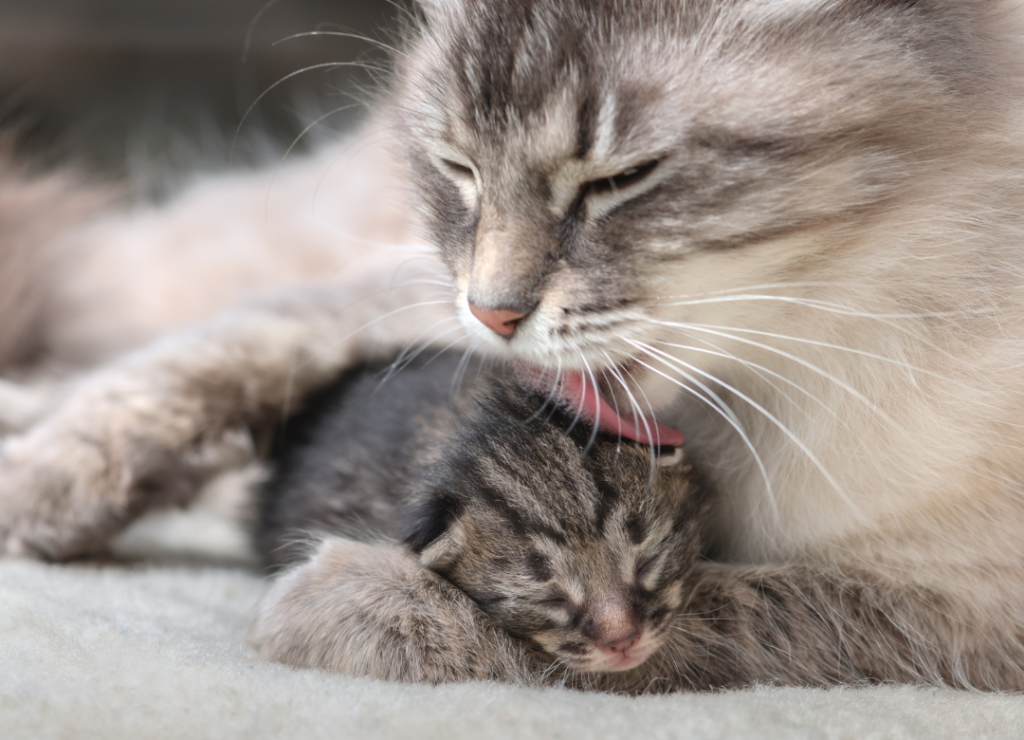
Are you curious about how cats breed and what it takes to care for kittens from the very start? Whether you’re thinking about breeding cats or just want to understand the process better, this guide will give you clear, easy-to-follow information.
You’ll discover important facts about cat breeding that can help you make smart decisions and keep your furry friends healthy and happy. Keep reading to unlock the secrets behind cat breeding and learn how to give your cats the best care possible.
Choosing The Right Breeding Cats
Choosing the right breeding cats is the foundation of a successful and responsible breeding program. The decisions you make here will affect the health, temperament, and overall quality of future litters. It’s important to be thorough and deliberate, ensuring your cats meet high standards that benefit both the animals and future owners.
Health Screening And Genetic Testing
Before pairing any cats for breeding, you must prioritize their health. Both cats should undergo thorough health screenings to check for common diseases and conditions related to their breed.
Genetic testing helps identify potential hereditary problems that might not be visible but can pass on to kittens. Have you ever encountered unexpected health issues in a litter that could have been avoided with simple tests?
Tests for diseases like hypertrophic cardiomyopathy in Maine Coons or polycystic kidney disease in Persians protect the long-term health of your breeding line. This step reduces heartbreak and costly vet visits down the road.
Temperament And Behavior Traits
How a cat behaves is just as important as its physical health. Breeding cats should have stable, friendly temperaments that reflect positively on your breed.
Choosing cats that are calm, social, and adaptable makes it easier to place kittens in loving homes. Aggressive or overly shy cats may pass on these traits, causing challenges for new owners.
Think about your own experience with cats—did the personality traits of your pets shape your bond? Your breeding choices directly impact the emotional wellbeing of future kittens and their families.
Breed Standards And Selection
Each breed has established standards that outline ideal physical features and characteristics. Use these standards as a guide when selecting cats for breeding.
Look closely at traits such as coat color, body structure, eye shape, and ear placement. Selecting cats that closely match breed standards helps preserve the breed’s unique qualities.
Would you want your kittens to meet the expectations of judges and breed enthusiasts? Maintaining breed integrity increases the value and desirability of your kittens in the market.

Credit: www.mediastorehouse.com
Preparing For Mating
Preparing your cats for mating is a crucial stage that affects the health of both the mother and the kittens. Taking thoughtful steps before introducing the cats can prevent complications and ensure a smooth breeding process. It’s not just about timing; the environment and health play major roles too.
Optimal Age And Timing
Knowing the right age to start breeding your cat is essential. Most cats reach sexual maturity between 5 and 12 months, but waiting until they are at least one year old allows their bodies to develop fully. Breeding too early can lead to health risks for the mother and weaker kittens.
Timing also depends on the female’s heat cycle. Cats typically come into heat every two to three weeks during breeding season. Watch for signs like increased vocalization and restlessness to identify the best time for mating.
Creating A Safe Environment
Your cats need a calm and secure space for mating. A quiet room away from other pets and distractions helps reduce stress. Stress can affect mating behavior and fertility, so keep the area clean and comfortable.
Think about privacy and safety—remove any sharp objects or places where a cat could get stuck. Soft bedding and fresh water nearby make the environment inviting. You want both cats to feel relaxed and confident.
Nutrition And Health Boost
Good nutrition before mating sets the foundation for healthy kittens. Feed your cats a balanced diet rich in proteins, vitamins, and minerals. Adding supplements like omega-3 fatty acids can improve fertility and coat condition.
Schedule a veterinary check-up to ensure your cats are free of parasites and diseases. Vaccinations and parasite control not only protect the mother but also the unborn kittens. Have you checked if your cat’s weight is ideal? Overweight or underweight cats may face complications during pregnancy.
Pregnancy Care
Pregnancy care for cats is crucial to ensure both the mother and her kittens stay healthy throughout the gestation period. It requires close attention to her behavior, diet, and health monitoring. Taking these steps will help you provide the best environment for a successful and smooth pregnancy.
Recognizing Pregnancy Signs
Noticing early signs of pregnancy can help you prepare for your cat’s needs. Look for changes like increased appetite, slight weight gain, and more affectionate behavior. You might also see her nipples become pinker and more prominent.
Sometimes, cats might experience mild morning sickness or decreased activity. If you suspect pregnancy, a vet visit can confirm it and give you a clear timeline. Have you noticed any unusual behavior in your cat lately?
Diet And Supplements
A pregnant cat’s diet should be nutrient-rich and calorie-dense to support her and the growing kittens. Switch to high-quality kitten food, which contains extra protein and fat that your cat needs now. Avoid sudden changes in her diet to prevent stomach upset.
Supplements like taurine and omega-3 fatty acids can be beneficial but only under your vet’s advice. Over-supplementing can cause more harm than good. Have you checked what’s in your cat’s current food and whether it meets pregnancy needs?
Regular Vet Checkups
Scheduling regular vet visits is essential during pregnancy. These appointments monitor your cat’s health and catch any potential issues early. Ultrasounds or X-rays may be recommended to check kitten development.
Vaccinations and parasite control should be discussed with your vet to avoid risks to the mother and babies. Remember, your vet is your best resource for personalized advice. When did you last take your cat for a health check?
Credit: www.petbook-magazine.com
Birthing Process
The birthing process is a critical time for both the mother cat and her kittens. Understanding what happens during labor helps you provide the best care and support. Being prepared can reduce stress and ensure a safer delivery for your feline family.
Setting Up A Whelping Area
Choose a quiet, warm, and comfortable spot for your cat to give birth. A box lined with soft towels or blankets works well. Make sure it’s large enough for the mother to stretch out and move around easily.
Keep the area away from heavy foot traffic and loud noises. You want your cat to feel safe and undisturbed. Add a heat source like a heating pad set on low, but ensure it doesn’t cover the entire space so she can move away if she gets too warm.
Have supplies ready nearby: clean towels, scissors, iodine, and disposable gloves. Being close to these items means you won’t have to leave your cat alone during delivery.
Signs Of Labor
Watch for changes in your cat’s behavior as labor approaches. She may become restless, pace, or hide more than usual. Some cats stop eating and start licking their genital area frequently.
Physical signs include a drop in body temperature, which you can check with a pet thermometer. True labor starts when contractions begin—these might cause your cat to arch her back and strain. Are you ready to recognize these signals before the kittens arrive?
Supporting The Mother During Delivery
Stay calm and keep the environment peaceful. Speak softly to reassure your cat, but avoid handling her too much. Let her take the lead; most cats deliver without human intervention.
If the mother struggles to break the sac or remove the placenta, you might need to step in gently. Use clean hands to clear the kitten’s mouth and nose if necessary. Always wash your hands before and after to prevent infection.
Monitor the time between kittens. If more than two hours pass without a new kitten, or if the mother seems in distress, contact your vet immediately. Your attentive presence can make all the difference during this delicate time.
Caring For Newborn Kittens
Caring for newborn kittens is a delicate task that requires attention, patience, and knowledge. These tiny creatures depend entirely on you for their survival and well-being during their first few weeks. Getting the basics right can make a huge difference in their health and happiness.
Feeding And Nutrition
Newborn kittens need to feed every two to three hours. If the mother cat is present and healthy, she will handle feeding naturally. However, if you need to step in, use a kitten milk replacer—not cow’s milk, as it can upset their stomach.
Use a small bottle or syringe designed for kittens to feed them gently. Keep the feeding sessions calm and consistent. Watch for signs that your kitten is full or hungry, such as restlessness or vocalizing.
Maintaining Warmth And Cleanliness
Kittens cannot regulate their body temperature yet. Keep them warm with heating pads set on low or warm water bottles wrapped in towels. Make sure the heat source covers only part of their area so they can move away if they get too hot.
Cleanliness is vital to prevent infections. Change their bedding daily and wipe the mother and kittens gently with a damp cloth if needed. This practice also helps you bond and notice any early signs of health issues.
Monitoring Growth And Development
Track their weight daily to ensure they are growing steadily; small gains each day indicate good health. Observe their physical milestones like opening their eyes around day 7-10 and starting to crawl by week two.
Note any unusual behavior, like excessive crying or lethargy, and consult a vet promptly. How often do you check on your kittens’ progress? Keeping a simple journal can help you catch concerns early.
Socialization And Early Training
Socialization and early training shape how your kittens will behave and interact with the world around them. Starting these habits early helps build confident, well-mannered cats that are a joy to be around. The key is gentle, consistent exposure to people and environments, paired with positive experiences.
Introducing Human Interaction
Begin handling kittens as soon as they are comfortable and healthy, usually around two weeks old. Touch their paws, ears, and mouth gently to get them used to being handled. This early contact reduces fear and makes future vet visits or grooming less stressful.
Try introducing new people gradually. Let your kitten observe strangers from a distance before close contact. You’ll notice how some kittens become curious quickly, while others need more time to feel safe.
Handling And Playtime
Playtime is more than fun—it’s a powerful training tool. Use toys like feather wands or small balls to teach your kitten how to focus their energy positively. This prevents biting and scratching during human interaction.
Keep play sessions short but frequent, around 10 to 15 minutes multiple times a day. Observe your kitten’s body language to know when they’ve had enough. Overstimulation can lead to unwanted aggressive behaviors.
Litter Training Basics
Start litter training as soon as your kitten begins exploring outside the nest, usually around three to four weeks. Place the litter box in a quiet, accessible spot and show your kitten where it is after meals and naps.
Choose a litter with a texture your kitten prefers—some kittens dislike clumping litter at first. Clean the box regularly to encourage consistent use. If accidents happen, avoid punishment; instead, gently guide your kitten back to the box.
Common Health Issues
Cats breeding can face several common health issues. These problems affect their well-being and breeding success. Knowing these issues helps protect cats and their kittens. Early care improves health outcomes and reduces risks.
Recognizing Signs Of Illness
Watch for changes in behavior or appetite. Cats may hide or become less active. Look for coughing, sneezing, or nasal discharge. Notice if breathing sounds unusual or labored. Check for vomiting, diarrhea, or weight loss. Changes in coat condition or skin sores are warning signs. Monitor for swelling or pain in the abdomen. Keep an eye on litter box habits for signs of distress.
Preventive Measures
- Provide balanced nutrition for strong health.
- Keep vaccinations up to date.
- Maintain a clean living environment.
- Regularly check for fleas and ticks.
- Practice good hygiene during breeding.
- Screen breeding cats for genetic diseases.
- Schedule routine veterinary checkups.
When To Seek Veterinary Help
Seek help if a cat shows persistent illness signs. Sudden changes in breathing or heart rate need urgent care. Unexplained bleeding or severe wounds require immediate attention. If a pregnant cat refuses to eat or moves oddly, call a vet. Kittens that fail to grow or feed need quick evaluation. Early treatment prevents complications and saves lives.
Preparing Kittens For New Homes
Preparing kittens for new homes is a vital part of responsible cat breeding. This stage ensures kittens grow healthy, social, and ready for their future families. Proper care and attention help kittens develop trust and confidence in people. Breeders must follow key steps to support kittens’ well-being before they leave.
Weaning Process
The weaning process starts when kittens are about four weeks old. Gradually, they transition from their mother’s milk to solid food. Soft, nutritious kitten food works best at the beginning. Offer small amounts several times a day. Patience is important, as some kittens take longer to adapt.
During weaning, kittens learn to eat independently. This stage helps their digestive system grow strong. Avoid sudden food changes to prevent stomach upset. Keep their feeding area clean and quiet. Social interaction during feeding builds positive habits.
Health Checks And Vaccinations
Regular health checks protect kittens from illness. A vet should examine kittens before they leave the breeder’s care. Parasite control is crucial, including treatments for fleas and worms. Early vaccinations shield kittens from common diseases.
Vaccines usually start at six to eight weeks of age. Keep a record of all health treatments. This record helps new owners continue proper care. Healthy kittens have a better chance to thrive in new homes.
Finding Responsible Owners
Choosing the right home is as important as caring for kittens. Responsible owners provide love, safety, and proper care. Ask potential adopters about their experience with cats and their living environment. Ensure they understand the commitment involved.
Provide new owners with information about kitten care. This includes diet, health, and social needs. Encourage follow-up questions to support a smooth transition. Matching kittens with suitable families leads to happy, lifelong bonds.

Credit: dremmanuelfontaine.com
Frequently Asked Questions
What Is The Best Age For Cats To Start Breeding?
Cats typically begin breeding between 5 to 12 months old. Breeding too early can harm young cats. It’s best to wait until the cat is physically mature for safer pregnancy and healthier kittens.
How Long Is A Cat’s Pregnancy Period?
A cat’s pregnancy, or gestation period, lasts about 63 to 65 days. This varies slightly by individual. Proper care during this time ensures healthy development of the kittens.
How Can I Tell If My Cat Is Pregnant?
Signs of pregnancy include weight gain, enlarged nipples, and behavioral changes. Your cat may become more affectionate or restless. A vet can confirm pregnancy with an exam or ultrasound.
How Many Kittens Can A Cat Have In One Litter?
Cats can have between 1 to 8 kittens per litter. The average is usually 4 to 6. Litter size depends on the cat’s breed, age, and health.
Conclusion
Breeding cats can be a rewarding experience. It requires patience and care. Always prioritize the health of your cats. Ensure they get regular vet check-ups. Healthy cats lead to healthy kittens. Research and learn about different breeds. Each breed has unique needs and characteristics.
Spend time understanding their habits and behaviors. This knowledge helps in better breeding decisions. Create a safe and comfortable environment. Cats thrive in stress-free surroundings. Remember, responsible breeding benefits both cats and their future owners. Stay informed and compassionate throughout the process.
Your dedication makes a difference in feline lives.
