


Have you ever noticed your cat suddenly biting you while grooming? It can be confusing and even a bit painful.
You might wonder why your furry friend is acting this way when they usually seem so gentle. Understanding why cats bite during grooming can help you build a stronger bond and keep your pet comfortable. You’ll discover the surprising reasons behind this behavior and learn simple tips to handle it.
Keep reading to turn those nips into moments of trust and affection.
Why Cats Bite During Grooming
Understanding why cats bite during grooming can help you build a better bond with your feline friend. Grooming is usually a bonding activity, but those little nips can be confusing or even painful. Let’s look closer at what drives this behavior and how you can respond effectively.
Natural Instincts
Cats are hunters by nature, and their grooming habits often mimic hunting behaviors. Biting during grooming can be an instinctive way to deal with fleas or irritations on their fur. It’s their way of self-defense or managing discomfort, which sometimes carries over when they groom each other or when you help them.
If your cat suddenly bites while you’re brushing, it might be reacting to a sensation that reminds it of a pest. Recognizing this instinct can help you adjust your grooming technique to be gentler or more focused on areas your cat tolerates better.
Communication Signals
Bites during grooming can be a clear message from your cat. They might be saying “enough” or “this feels strange.” Cats communicate in subtle ways, and a quick nip can be their way of setting boundaries.
Pay attention to their body language before a bite happens—tail twitching, ears turning back, or a sudden stop in purring can all be warnings. Respecting these signals can prevent bites and make grooming a more positive experience for both of you.
Overstimulation
Sometimes, too much grooming can overwhelm your cat. What starts as a soothing activity can quickly become irritating if it goes on too long or targets sensitive spots. Overstimulation often leads to biting as a way to say, “I’ve had enough.”
Try breaking grooming sessions into shorter, more frequent intervals. Watch your cat’s reactions closely and stop before signs of overstimulation appear. This approach keeps grooming pleasant and reduces the chance of biting.
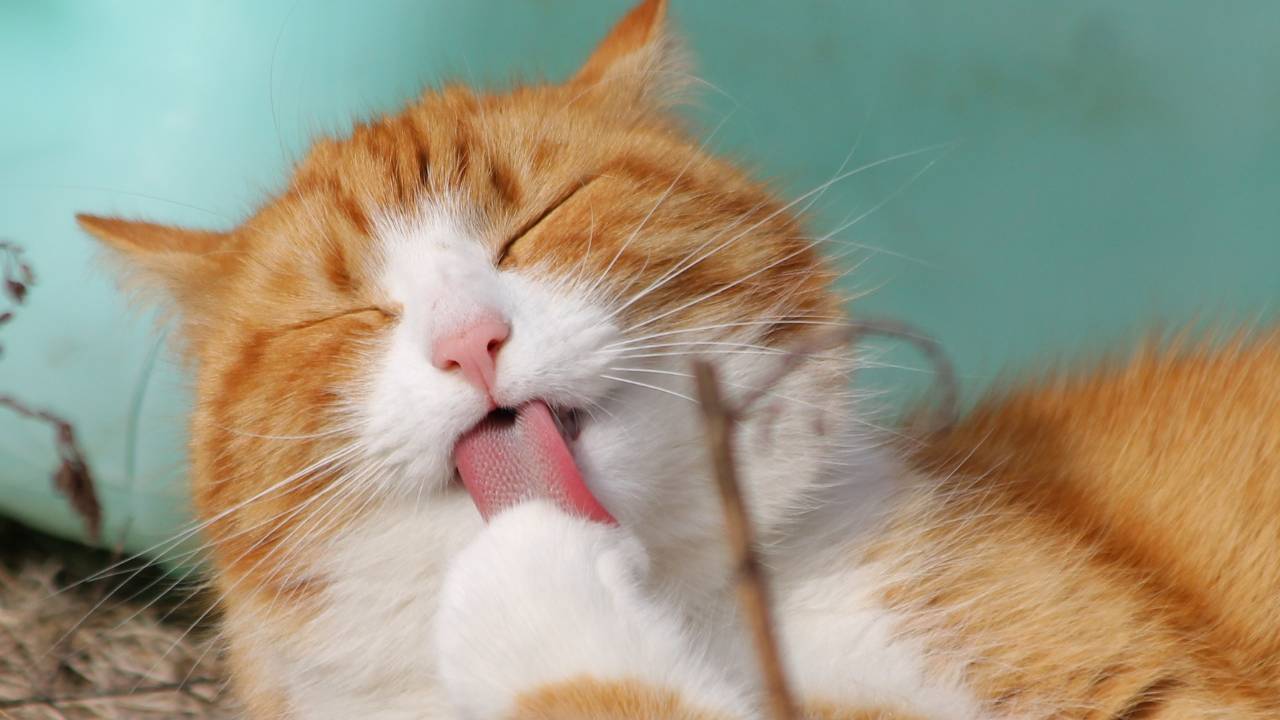
Credit: americanpaws.club
Common Triggers For Biting
Understanding why cats bite during grooming can help you build a better bond and make grooming time more enjoyable for both of you. Cats often communicate through biting, and certain triggers can cause them to react this way. Recognizing these triggers allows you to adjust your approach and keep your feline friend comfortable.
Sensitive Areas
Cats have spots on their bodies that are more sensitive than others, such as their belly, tail, and paws. Touching these areas during grooming can cause discomfort or surprise, leading to a quick nip. Pay close attention to your cat’s reactions and avoid these zones if you notice signs of irritation.
Have you ever tried brushing your cat’s belly only to get a sudden bite? That’s a clear sign your cat isn’t comfortable with that touch. Respecting these boundaries keeps your grooming sessions peaceful and safe.
Pain Or Discomfort
If your cat suddenly bites while being groomed, it might be trying to tell you it’s in pain. Matted fur, skin irritations, or underlying health issues can make grooming uncomfortable. Always check your cat’s coat and skin before grooming and consult a vet if you suspect pain.
Remember, what feels like a gentle stroke to you could hurt your cat if there’s an injury. Adjust your grooming technique accordingly, and consider shorter sessions to avoid causing stress or harm.
Fear And Anxiety
Grooming can be stressful for some cats, especially if they’ve had negative experiences before. Fear and anxiety may cause your cat to bite as a way to defend itself. Creating a calm environment with soft voices and gentle movements can help reduce this stress.
Have you noticed your cat tensing up before a grooming session? Try giving treats and breaks to build positive associations. Your patience and understanding can make all the difference in turning grooming into a bonding moment rather than a battle.
Behavioral Patterns Linked To Biting
Cats often bite during grooming, showing various behaviors. Understanding these patterns helps owners respond well. Biting can mean different things depending on the situation. Observing your cat closely reveals why it bites.
Play Vs. Aggression
Cats use biting to play or show anger. Play bites are gentle and brief. They mimic hunting and chasing games. Aggressive bites are harder and may cause pain. Signs of aggression include hissing and growling. Knowing the difference keeps interactions safe and fun.
Territorial Responses
Cats protect their space by biting. Grooming can trigger this if they feel threatened. They may bite to stop another cat or person. This behavior shows they want control of their area. Respecting their boundaries reduces biting incidents.
Attention-seeking Bites
Sometimes cats bite to get attention. They want you to pet or play with them. These bites are often gentle and quick. Ignoring or redirecting helps teach them better ways. Understanding this pattern improves your bond with your cat.
Preventing Biting During Grooming
Preventing biting during grooming is key to keeping both you and your cat comfortable. Grooming should be a calm and positive experience, not one filled with stress or fear. Understanding your cat’s behavior and using the right approach can make a big difference in avoiding those painful nips.
Recognizing Warning Signs
Pay close attention to your cat’s body language before and during grooming. Look for signs like twitching tails, flattened ears, or sudden stiffening—these often mean your cat is getting uncomfortable.
One time, I ignored my cat’s tail flicking and got a sharp bite. I learned to stop immediately at the first sign of agitation. Would you want to wait until the bite to realize your cat is stressed?
Gentle Handling Techniques
Use slow, gentle strokes when brushing your cat. Avoid sudden movements that might startle them. Supporting their body comfortably can reduce anxiety and make them feel secure.
Try holding your cat in your lap or on a soft surface where they feel safe. If your cat resists, break grooming into short sessions. You don’t want to rush and risk provoking a bite.
Using Distraction Methods
Distracting your cat can help keep their focus away from grooming. Offering treats or a favorite toy during brushing can make the experience more pleasant.
Some cats respond well to gentle petting or soft talking while being groomed. Have you tried combining grooming with a play session? It might turn a biting moment into a bonding one.
When To Seek Veterinary Advice
Knowing when to seek veterinary advice about your cat’s biting during grooming is important. Some biting is normal, but certain signs need attention. Early action can prevent bigger problems and keep your cat healthy and happy.
Persistent Biting Issues
If your cat bites often during grooming, it may show stress or discomfort. Constant biting can hurt both you and your cat. Watch for repeated aggressive behavior that does not improve with patience or gentle handling. Persistent biting may signal a deeper issue requiring professional help.
Signs Of Health Problems
Biting might indicate health problems. Look for these signs:
- Red or swollen skin
- Hair loss or bald patches
- Excessive scratching or licking
- Changes in appetite or behavior
- Visible wounds or infections
These symptoms suggest pain or irritation. A vet can diagnose and treat underlying conditions.
Professional Grooming Options
Sometimes, professional groomers handle difficult cats better. They know how to calm stressed cats during grooming. Groomers also spot health issues early. Your vet can recommend trusted groomers who ensure safe and gentle care. Using professionals may reduce biting and improve your cat’s comfort.
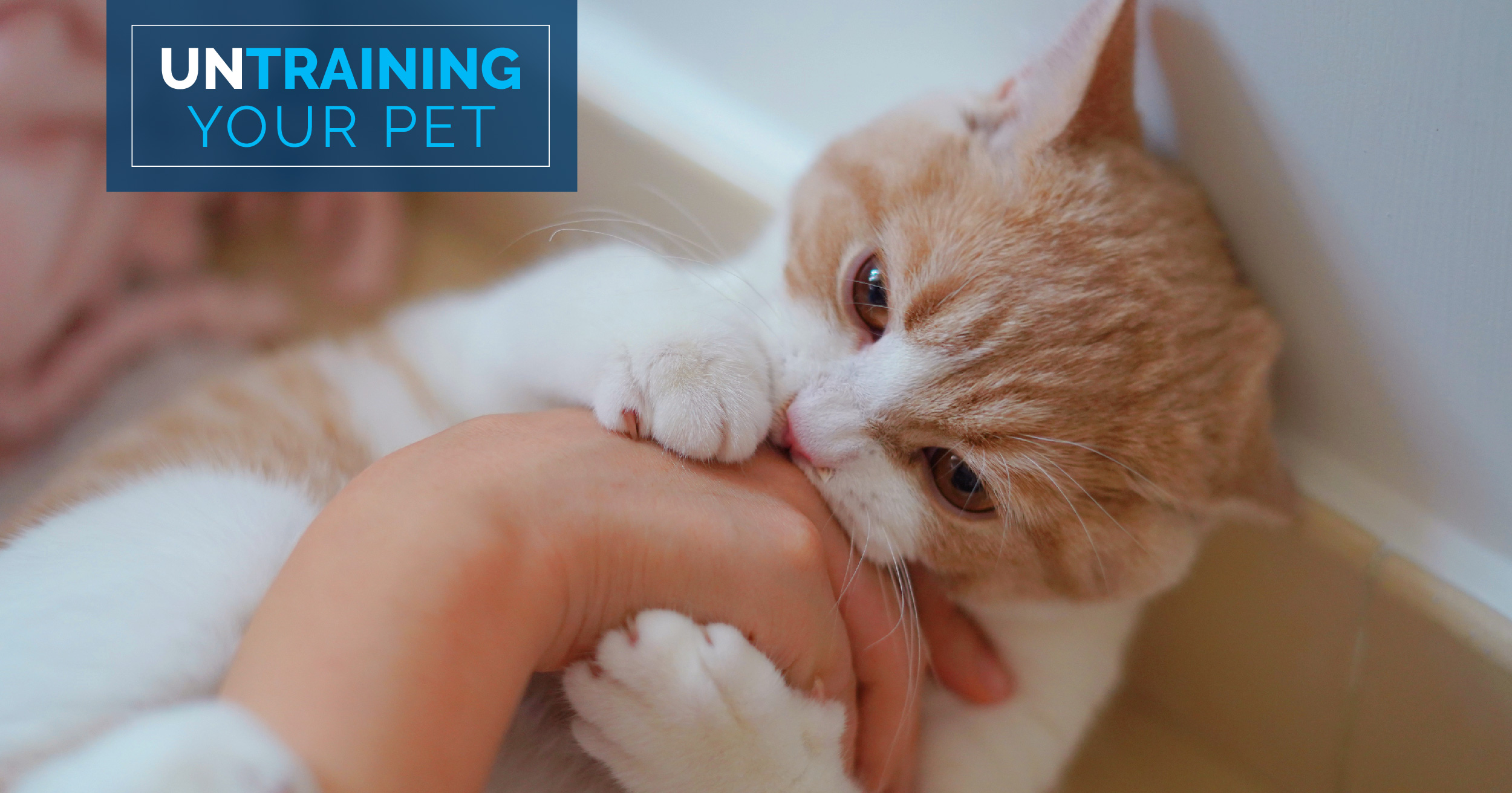
Credit: www.diamondpet.com
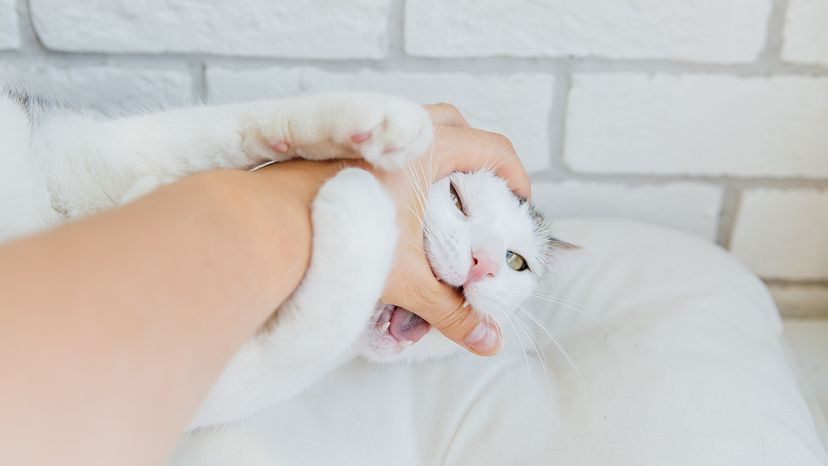
Credit: animals.howstuffworks.com
Frequently Asked Questions
Why Do Cats Bite While Grooming Themselves?
Cats bite during grooming to remove dirt, loose fur, and parasites. Biting also helps them reach difficult spots. This behavior is natural and part of their cleaning routine.
Is Biting During Grooming A Sign Of Aggression?
No, biting during grooming is usually not aggressive. It is a normal behavior for self-care. However, if biting seems painful or frequent, consult a vet.
Can Cats Bite Humans While Grooming?
Cats may gently nibble humans during grooming as a sign of affection. But hard biting can indicate overstimulation or discomfort. Watch your cat’s body language to understand their mood.
How Can I Reduce My Cat’s Biting While Grooming?
Use gentle brushing to reduce biting. Stop grooming if your cat shows signs of irritation. Offer treats and praise to make grooming pleasant and stress-free.
Conclusion
Cats may bite during grooming to show love or set boundaries. Understanding their behavior helps you respond calmly. Watch their body language to know when to stop. Offer gentle petting and avoid sudden moves. Regular grooming builds trust and reduces biting.
Patience and care keep your cat happy and relaxed. Enjoy these quiet moments with your furry friend. Small changes make a big difference in your bond. Keep learning and adapting to your cat’s needs. This helps both of you feel safe and loved.
