


Are you puzzled by your cat’s quirky behavior? You’re not alone.
Cats are mysterious creatures, often leaving us wondering what’s going on in their furry little heads. You might find yourself asking, “Why does my cat knead on my lap? ” Or “What does that purring really mean? ” Understanding your cat’s behavior can strengthen your bond and make life together even more enjoyable.
This guide will peel back the layers of feline mystique and reveal what those amusing, puzzling, and sometimes baffling actions truly signify. Stick around to discover the secrets behind your cat’s behavior, and transform your relationship with your feline friend.
Cat Body Language
Cats use their bodies to tell us how they feel. Their movements and positions show their mood and thoughts. Understanding cat body language helps build a better bond with them. It also keeps both cat and owner safe and happy.
Tail Signals
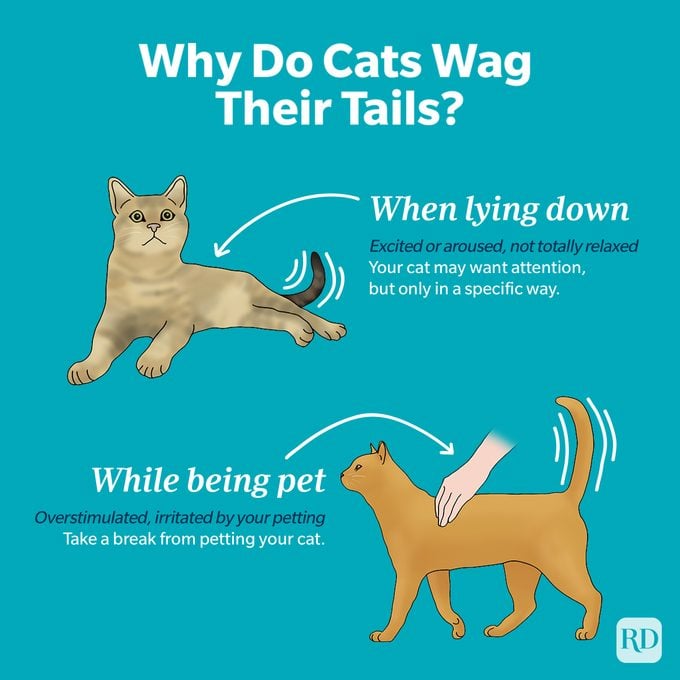
The tail shows many emotions. A high tail means the cat is happy and confident. A puffed-up tail shows fear or anger. A low or tucked tail means the cat feels scared or submissive. Slow tail flicks often mean irritation or focus.
Ear Positions
Cats move their ears to express feelings. Ears pointing forward mean curiosity or interest. Flattened ears usually show fear or aggression. Sideways or rotating ears signal that the cat is alert and listening carefully. Watch ears to know if your cat feels calm or stressed.
Eye Contact
Eye contact is important in cat communication. A slow blink means trust and affection. Wide-open eyes can show surprise or fear. Narrowed eyes often signal relaxation or contentment. Direct staring might be a challenge or warning.
Whisker Movements
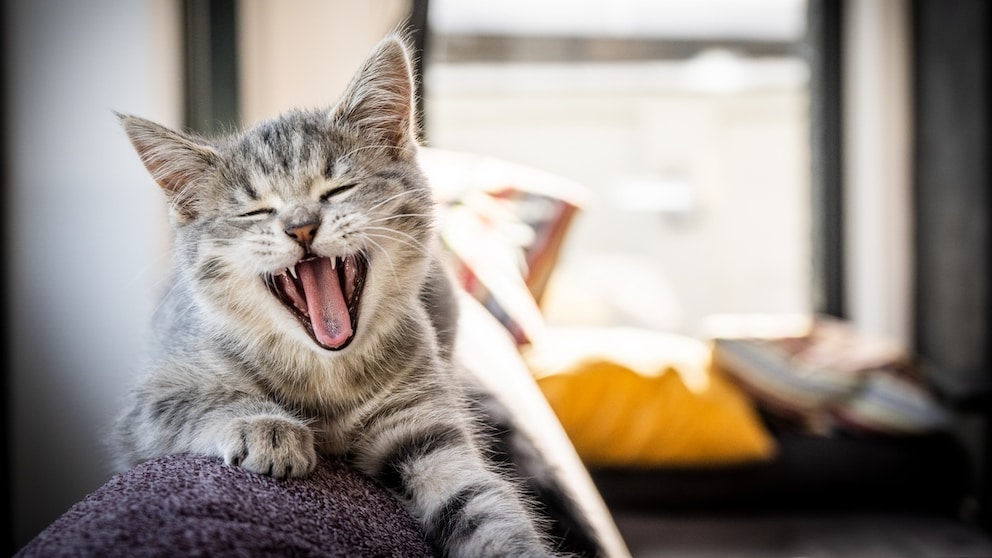
Whiskers are sensitive and tell a lot about a cat’s mood. Forward whiskers show curiosity and excitement. Whiskers pulled back mean the cat feels scared or defensive. Whiskers relaxed and still usually show calmness. Watch whisker movements to understand your cat better.
Credit: www.petbook-magazine.com
Common Cat Vocalizations
Cats use a variety of sounds to communicate with you and other animals. Understanding these vocalizations can help you respond better to your feline friend’s needs and emotions. Each sound has a unique meaning that reveals what your cat is feeling or trying to tell you.
Meowing
Meowing is the most common cat sound you’ll hear. Cats rarely meow at each other; instead, they use this sound mostly to get your attention. Whether they want food, playtime, or just some affection, a meow is their way of saying, “Hey, look at me!”
Notice the difference in pitch and length. A short, soft meow might mean a simple greeting, while a loud, persistent one could signal hunger or discomfort. Have you ever tried to respond differently based on your cat’s meow? It often changes how they react.
Purring
Purring usually signals contentment, but it’s not always a sign your cat is happy. Cats also purr when they are nervous, scared, or even in pain as a way to comfort themselves. This dual-purpose sound can be tricky to interpret without observing their body language.
When your cat curls up next to you and purrs softly, it’s a moment of trust and relaxation. But if purring happens alongside hiding or limping, it might be worth checking their health. How often do you pause to consider the context of your cat’s purring?
Hissing And Growling
Hissing and growling are clear warning signs. They mean your cat feels threatened, scared, or angry. These sounds serve as a way to keep danger at a distance and protect their space.
When your cat hisses, it’s best to give them room immediately. Trying to calm them while they’re growling can escalate the situation. Have you noticed what triggers these sounds in your cat? Identifying these triggers helps prevent stressful encounters.
Chirping And Trilling
Chirping and trilling are less common but very interesting cat sounds. These high-pitched noises often happen when your cat is excited or trying to get your attention in a friendly way. You might hear them when your cat watches birds or wants to greet you.
These vocalizations show your cat’s playful and curious side. They are a great sign that your cat feels comfortable enough to express itself openly. Next time your cat chirps or trills, try responding with a gentle voice and see how they react.
Social Behavior
Cats show a wide range of social behaviors. These behaviors help them live with humans and other animals. Understanding these actions can improve your bond with your cat. It also helps in creating a peaceful home environment. Cats are often seen as independent, but they have complex social needs.
Interactions With Humans
Cats communicate with humans through body language and sounds. They use purring to show contentment and meowing to ask for attention. Head-butting and rubbing against people mark them as friends. Eye contact with slow blinking shows trust. Cats enjoy playtime and gentle petting to feel close.
Relationships With Other Cats
Cats can form friendships or stay distant from other cats. They groom each other to build bonds. Playful chasing helps them practice hunting skills and social rules. Sometimes, cats keep a safe distance to avoid fights. New cats need time to adjust and feel safe.
Territorial Habits
Cats mark their territory with scent glands on their face and paws. Scratching helps leave visual and scent marks. They patrol their area to keep others away. Territory size depends on food availability and population. Cats may hiss or growl to warn intruders to stay away.
Credit: www.rd.com
Hunting And Play
Cats are natural hunters, even if they live indoors. Their hunting skills are closely tied to their play habits. Playtime is not just fun; it helps cats practice hunting skills. Understanding this link can improve your bond with your cat and keep them healthy and happy.
Instinctual Behaviors
Cats have strong hunting instincts. They stalk, pounce, and chase as part of their natural behavior. These actions help them catch prey in the wild. Even house cats show these instincts through play. Small movements or noises can trigger their hunting response.
Types Of Play
- Chasing:Cats love to chase moving objects like toys or laser dots.
- Stalking:Slow, quiet movements mimic hunting prey.
- Pouncing:Cats jump and catch toys or imaginary prey.
- Biting and Swatting:These actions simulate catching and killing prey.
Benefits Of Playtime
Play keeps cats physically fit and mentally sharp. It reduces stress and prevents boredom. Hunting play helps cats release energy and practice survival skills safely. Regular playtime also strengthens the bond between cats and their owners.
Stress And Anxiety Signs
Cats often hide their stress and anxiety well. Recognizing the signs helps protect their health. Stress affects their mood, appetite, and behavior. It can lead to serious health problems if ignored.
Common Triggers
- Changes in environment, like moving to a new home
- Loud noises such as thunderstorms or fireworks
- New people or animals entering their space
- Disruption of routine, including feeding and playtime
- Medical issues causing discomfort or pain
Behavioral Changes
Stress makes cats act differently than usual.
- Hiding more often or avoiding interaction
- Excessive grooming or hair loss
- Loss of appetite or sudden overeating
- Increased vocalization or restlessness
- Aggression or irritability towards people or pets
Calming Techniques
- Provide a quiet, safe space for your cat
- Keep a consistent daily routine
- Use gentle play to reduce nervous energy
- Offer soothing pheromone sprays or diffusers
- Consult a vet if signs persist or worsen

Credit: www.seemour.ai
Training And Communication
Training and communication form the foundation of a strong relationship between you and your cat. Understanding how your feline friend learns and expresses itself can transform daily interactions into meaningful exchanges. This section breaks down practical ways to teach your cat while fostering clear communication.
Teaching Basic Commands
Cats can learn simple commands like “sit,” “come,” or “stay” if you know how to approach it. Use a quiet space free from distractions to capture their full attention. Keep training sessions short—about 5 minutes—to match your cat’s focus span.
Use consistent words and gestures every time you ask your cat to do something. For example, say “sit” while gently pressing their hindquarters down. Repeat this several times and watch for any signs your cat is catching on.
Have you noticed how your cat responds to your voice? That reaction is your starting point for teaching commands tailored to your cat’s personality.
Using Positive Reinforcement
Reward your cat immediately when they follow a command. This could be a small treat, petting, or verbal praise. Positive reinforcement helps your cat connect their action to a pleasant outcome.
Avoid punishment—it confuses your cat and damages trust. Instead, focus on rewarding good behavior consistently. If your cat ignores a command, try changing the reward or training environment.
- Use high-value treats like small pieces of cooked chicken
- Keep your tone cheerful and encouraging
- Be patient and celebrate small successes
Have you tried rewarding your cat right after the desired behavior? Timing is key to effective reinforcement.
Building Trust
Trust grows when your cat feels safe and understood. Spend quiet moments together without forcing interaction. Let your cat approach you on their terms.
Respect your cat’s body language. If they turn away or flatten their ears, give them space. This respect encourages your cat to communicate more openly with you over time.
Simple routines like feeding at the same time daily and gentle play sessions help build predictability and security. When your cat trusts you, training becomes easier and communication more natural.
What small change can you make today to strengthen the trust between you and your cat?
Frequently Asked Questions
Why Do Cats Knead With Their Paws?
Cats knead to mark territory using scent glands in their paws. It also comforts them, reminding them of kittenhood and security.
What Does A Cat’s Tail Position Mean?
A raised tail signals happiness or confidence. A low or tucked tail shows fear or submission. Tail flicks indicate agitation.
Why Do Cats Purr When They Are Happy?
Cats purr to communicate contentment and relaxation. Purring can also soothe pain and promote healing in their bodies.
How Can I Tell If My Cat Is Stressed?
Signs of stress include hiding, aggression, loss of appetite, and excessive grooming. Recognizing stress early helps improve your cat’s well-being.
Conclusion
Understanding cat behavior helps build a strong bond with your pet. Cats communicate through body language and sounds every day. Watching their actions gives clues about their feelings and needs. Respecting their space and habits creates a happy home for cats.
Enjoy the unique ways cats show love and trust. Caring for cats becomes easier with this knowledge. Every cat is different, so patience is key. Learning about cats makes your time with them special. Keep observing and appreciating your furry friend’s world.
