

Are you eagerly awaiting the arrival of a litter of kittens? If so, you might be wondering about the subtle signs and behaviors your cat will exhibit before giving birth.
Understanding these behaviors can prepare you for the big day and ensure that your feline friend has a safe and comfortable birthing experience. Imagine being able to tell exactly when your cat is ready to welcome her little ones into the world.
By recognizing these pre-birth behaviors, you can create a supportive environment and feel more connected with your pet during this special time. Stick with us as we uncover the fascinating world of cats’ behavior before giving birth, providing you with the insights you need for this heartwarming journey.
Nesting Instincts
Cats show strong nesting instincts before giving birth. This behavior helps them prepare a safe, comfortable place for their kittens. Nesting is a natural way for cats to protect their babies. It also helps them feel calm and ready for delivery.
Choosing A Safe Spot
A pregnant cat looks for a quiet, hidden place. She avoids noisy or busy areas. The spot must be warm and dry. Cats often choose closets, under furniture, or quiet corners. Safety is the top priority for her choice.
Gathering Materials
Cats collect soft items to make the nest cozy. They use blankets, towels, or pieces of fabric. Sometimes, they pull fur from their own body. The materials help keep kittens warm and comfortable. This behavior starts a few days before birth.
Changes In Appetite
Changes in appetite are one of the most noticeable signs your cat is preparing to give birth. These shifts can vary greatly between cats, making it important to observe your pet closely. Understanding these appetite changes helps you provide the right care and comfort during this crucial time.
Increased Hunger
Many pregnant cats experience a surge in appetite as their body requires more energy to support the growing kittens. You might notice your cat eating more frequently or finishing her food faster than usual.
In my experience with a pregnant cat, she suddenly demanded extra meals and even snacks between regular feeding times. This increased hunger signals her body is working hard to nourish her unborn kittens. Make sure you offer high-quality, nutrient-rich food to meet her needs.
Sudden Loss Of Interest
On the flip side, some cats may suddenly lose interest in food just before labor begins. This drop in appetite can last for a few hours or even a day, indicating that the birthing process is imminent.
If your cat refuses to eat, don’t panic immediately but watch her behavior closely. This pause in eating often means she is focusing on nesting and getting ready to deliver her kittens. Have fresh water available and ensure her birthing area is quiet and comfortable.
Restlessness And Pacing
Cats show clear signs of restlessness and pacing before giving birth. This behavior is a natural response to the approaching labor. It helps them prepare mentally and physically for delivery. Understanding these signs can help cat owners provide better care during this critical time.
Frequent Movement
Pregnant cats often move around more than usual. They may walk back and forth in their space. This frequent movement helps them stay comfortable. It also reduces stress and eases muscle tension. You might notice your cat changing positions often. This is a sign she is trying to find a good spot for birth.
Searching Behavior
Cats instinctively look for a safe, quiet place to give birth. They may sniff around corners and under furniture. This searching behavior shows their need for security. They want a cozy, hidden nest for their kittens. Sometimes, they scratch or dig at soft bedding. This is part of their natural nesting instincts. Providing a quiet box can help calm your cat during this time.
Vocalization Patterns
Understanding your cat’s vocalization patterns before giving birth can offer valuable clues about her emotional and physical state. Cats often use sounds to communicate discomfort, stress, or the need for attention during this critical time. Paying close attention to these vocal changes helps you provide the right care and comfort.
Increased Meowing
You might notice your cat meowing more frequently and loudly as labor approaches. This increase isn’t random—it’s her way of signaling anxiety or seeking reassurance. If your cat usually has a quiet demeanor, sudden loud meowing can indicate she’s feeling uneasy or in pain.
Try to respond calmly to her calls. Speak softly and offer a quiet space where she feels safe. Your presence can ease her stress and reduce excessive vocalization.
Unusual Sounds
Besides regular meows, your cat may produce strange vocal sounds like low growls, chirps, or even yowls. These unusual noises often reflect discomfort or the early stages of contractions. Each cat expresses labor symptoms differently, so listen carefully to what your cat is telling you.
Have you ever heard your cat make sounds you couldn’t quite identify? These might be early labor signals. Recognizing these unusual sounds can prepare you to act quickly if complications arise.
Physical Signs
Recognizing the physical signs your cat shows before giving birth can help you prepare and provide the right support. These signs are usually clear and can start appearing days before the actual delivery. Paying attention to these changes will help you know when your cat is close to labor.
Swollen Abdomen
Your cat’s belly will noticeably grow larger as the kittens develop. This swelling becomes more pronounced in the last week of pregnancy. You might see her abdomen hanging lower, and she may seem less active because of the extra weight.
Have you noticed your cat’s belly looking rounder and heavier? This is a good time to make her comfortable with a cozy nesting spot.
Milk Production
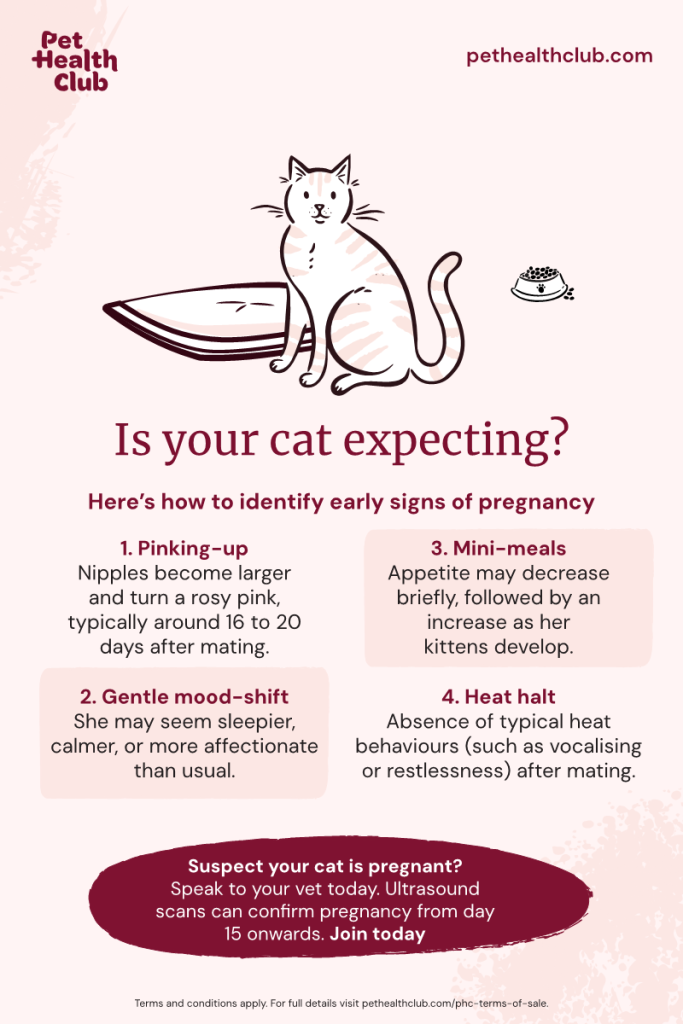
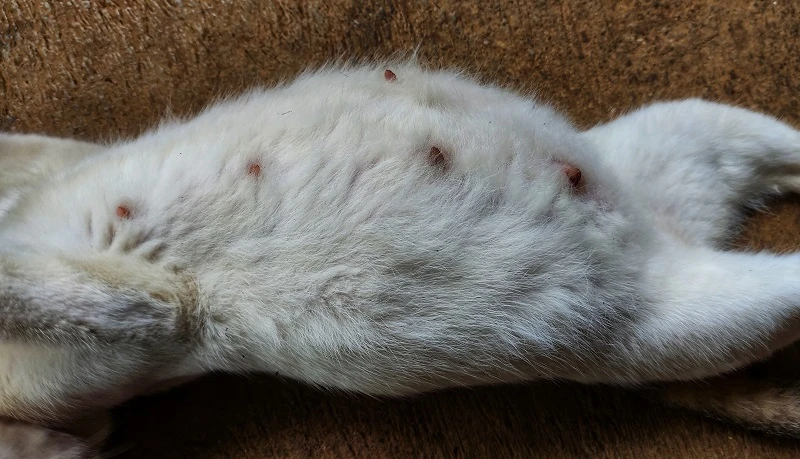
As labor approaches, your cat’s nipples will enlarge and may start producing milk. This is a sign that her body is preparing to feed the newborns. The milk might be clear or slightly yellowish, and you could see it a few days before she gives birth.
Keep a close eye on her mammary glands. If you see milk, it means the kittens could arrive anytime soon, so have your birthing supplies ready.
Temperature Drop
One of the most reliable signs of impending labor is a drop in your cat’s body temperature. Normally, cats have a temperature around 101 to 102.5°F (38.3 to 39.2°C). When it drops to about 99°F (37.2°C), labor usually starts within 24 hours.
You can check her temperature using a digital thermometer designed for pets. This simple step gives you a clear signal that the big moment is near.

Credit: medium.com
Behavioral Changes
Behavioral changes in cats before giving birth can be quite noticeable and are key signs that your feline friend is preparing for motherhood. Understanding these shifts helps you provide the right care and support during this crucial time. Cats often display unique behaviors, ranging from craving more affection to seeking solitude, reflecting their instinctual preparation for labor.
Seeking Attention
Many cats suddenly want more of your time and affection as their delivery day nears. You might notice your cat rubbing against you more often or following you around the house. These actions are her way of seeking comfort and reassurance.
Sometimes, she may purr louder or knead your lap, showing a need for closeness. If your cat is usually independent but now seeks your presence, it’s a clear sign she feels vulnerable and wants security.
Avoiding Interaction
On the other hand, some cats prefer to withdraw before giving birth. They may hide in quiet corners or choose a secluded spot to nest. This behavior is natural, as cats instinctively look for a safe, undisturbed place to have their kittens.
You might find her less interested in playing or socializing, and she could become more sensitive to noise and movement. Respect her need for privacy, but keep an eye on her to ensure she stays healthy and comfortable.
Preparing For Labor
Preparing for labor is a crucial phase in a cat’s pregnancy. During this time, her body and mind get ready for the arrival of kittens. Understanding these behaviors helps you provide the right care and comfort.
Licking Genital Area
A cat often licks her genital area frequently before labor starts. This action cleans the area and soothes discomfort. It also helps remove mucus plug, signaling that birth is near. You might notice her spending more time grooming this spot.
Contractions And Rest
Early contractions cause her to pace and change positions. They may be mild at first, not always easy to spot. Along with contractions, she will rest often to save energy. This mix of activity and rest is normal before labor fully begins.

Credit: www.pethealthclub.com
When To Contact A Vet
Knowing when to contact a vet during a cat’s pregnancy is vital. Some signs point to problems that need quick action. Staying alert helps protect both the mother and her kittens. Always trust your instincts about your cat’s health. Early care can prevent serious issues and save lives.
Signs Of Complications
- Strong, continuous contractions lasting over an hour without kittens
- Heavy bleeding or unusual discharge from the birth canal
- Weak or lethargic behavior not typical for your cat
- Loss of appetite for more than 24 hours before birth
- Visible distress or pain, such as vocalizing loudly or pacing
- Temperature above 103°F (39.4°C) or below 99°F (37.2°C)
Emergency Situations
- Kitten stuck in the birth canal for more than 30 minutes
- Mother cat collapsing or becoming unconscious
- Severe bleeding that soaks bedding quickly
- Signs of infection like swelling, foul smell, or pus
- Failure to deliver kittens after active labor for more than two hours
Credit: www.pethealthclub.com
Frequently Asked Questions
How Do Cats Behave Before Giving Birth?
Cats often become restless and seek a quiet, safe space. They may hide, pace, or groom themselves excessively. Nesting behavior is common as they prepare for delivery.
What Signs Indicate A Cat Is About To Give Birth?
Signs include loss of appetite, nesting, pacing, and vocalizing more. You might also notice a drop in body temperature and milk production.
How Long Does A Cat’s Labor Usually Last?
Labor usually lasts between 6 to 12 hours but can vary. The first kitten may take longer to arrive than the rest.
Can A Cat’s Behavior Predict The Birth Time?
Yes, increased restlessness, nesting, and frequent trips to the litter box often signal imminent birth within 24 hours.
Conclusion
Cats show clear signs before they give birth. They may become restless and seek quiet places. Nesting behavior is common as they prepare for kittens. Watching these signs helps you offer better care. Understanding your cat’s needs creates a calm environment.
This support makes the birthing process smoother. Stay patient and gentle during this time. Your cat will appreciate your calm presence. Being aware helps you respond quickly if needed. Caring for a cat before birth builds trust and comfort.
