


Have you ever wondered if nutritional yeast is safe or healthy for your cat? If you’re curious about adding this popular supplement to your furry friend’s diet, you’re not alone.
Nutritional yeast is known for its rich vitamins and savory flavor, but what does it really mean for your cat’s health? Keep reading to discover the surprising benefits and potential risks, so you can make the best choice for your beloved pet.
Your cat’s well-being is worth knowing the full story.
Credit: cattime.com
Benefits Of Nutritional Yeast For Cats
Nutritional yeast offers several benefits that can improve your cat’s overall health. It is more than just a tasty sprinkle; it provides essential nutrients that support vital bodily functions. Let’s look at some key advantages of adding nutritional yeast to your cat’s diet.
Rich Source Of Vitamins And Minerals
Nutritional yeast is packed with important vitamins, especially B-complex vitamins like B12, which cats need for energy and nerve function. It also contains minerals such as zinc and selenium that support various metabolic processes. Including these nutrients in your cat’s diet can fill nutritional gaps and boost their vitality.
Supports Immune Health
Your cat’s immune system relies on specific nutrients to stay strong and fight off illnesses. Nutritional yeast contains beta-glucans, compounds known to enhance immune response. Have you noticed your cat bouncing back faster after minor sicknesses? Nutritional yeast might be a reason why.
Enhances Coat And Skin Condition
Shiny fur and healthy skin are signs of good nutrition. Nutritional yeast provides amino acids and antioxidants that help repair skin cells and reduce inflammation. If your cat struggles with dry skin or dull fur, adding nutritional yeast could be a simple way to see improvement.
Credit: vegansupply.ca
How To Introduce Nutritional Yeast
Introducing nutritional yeast to your cat’s diet can be a rewarding experience when done carefully. It’s important to start slow and observe how your cat reacts to this new supplement. Nutritional yeast offers benefits like added vitamins and a savory flavor that many cats enjoy, but you need to ensure you’re doing it right for your furry friend’s health and happiness.
Choosing The Right Form
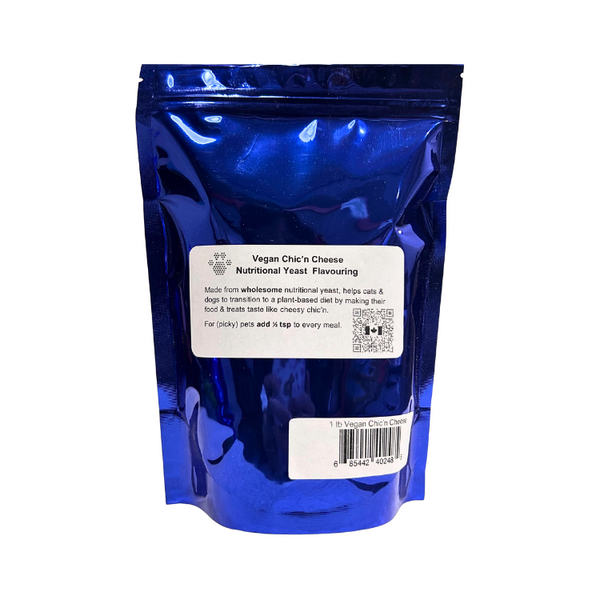
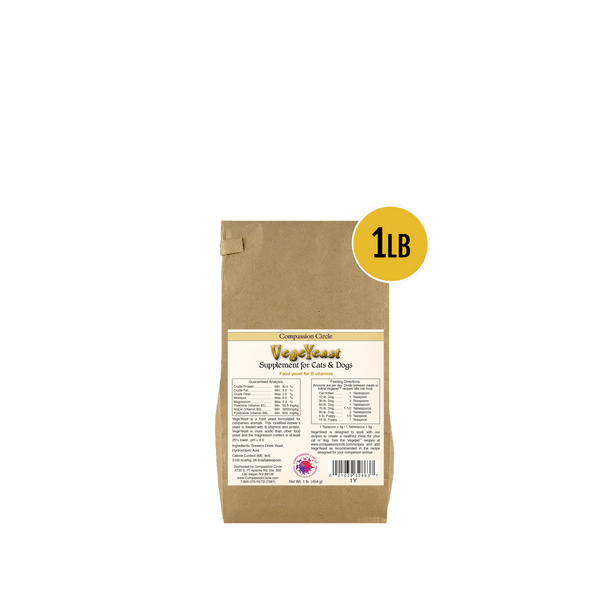
Nutritional yeast comes in different forms such as flakes, powder, and tablets. Flakes are usually the easiest to sprinkle on top of food, making them popular among cat owners. Powdered yeast can mix more evenly with wet food, while tablets might be harder to give unless crushed.
Try offering a small pinch of flakes first to see if your cat shows interest. If your cat is picky, mixing nutritional yeast into wet food might work better than dry kibble. Have you noticed your cat prefers textures more than flavors? This can guide your choice.
Safe Serving Sizes
Start with a very small amount—about 1/8 teaspoon per day for an average-sized cat. Too much too soon might upset their stomach or cause digestive issues. Gradually increase the amount over a week if your cat tolerates it well.
Keep in mind that nutritional yeast is a supplement, not a replacement for balanced cat food. Always monitor your cat’s reaction and reduce the amount if you notice any vomiting or diarrhea. Would you be willing to keep a simple food diary to track changes?
Mixing With Regular Food
Sprinkle nutritional yeast over your cat’s regular wet or dry food to blend flavors naturally. Mixing it into wet food works well because the yeast absorbs moisture and sticks better. For dry kibble, try lightly moistening the food first, so the flakes adhere without falling off.
Patience is key—your cat may need time to get used to the new taste. Offer the food at usual meal times to create a familiar routine. Have you considered rotating different flavors or brands of nutritional yeast to keep your cat curious and engaged?
Potential Risks And Precautions
Adding nutritional yeast to your cat’s diet might seem like a simple way to boost their nutrition. But it’s important to be aware of potential risks and take precautions to keep your feline friend safe. Understanding these risks helps you make smarter choices and protect your cat’s health.
Allergic Reactions To Watch For
Some cats can be allergic to nutritional yeast. Signs of an allergic reaction include itching, redness, swelling around the face, or digestive upset like vomiting and diarrhea. If your cat shows any of these symptoms after trying nutritional yeast, stop feeding it immediately and monitor their condition closely.
Have you noticed your cat scratching more than usual after trying new treats? It might be an allergy in disguise. Always introduce new foods in small amounts and watch for changes in behavior or health.
Avoiding Overconsumption
Too much nutritional yeast can cause problems. Overconsumption may lead to digestive issues such as gas, bloating, or diarrhea. Cats have sensitive stomachs, so it’s best to use nutritional yeast sparingly and as a treat, not a meal replacement.
Think about how quickly your cat adjusts to new foods. A little yeast sprinkled occasionally is usually safe, but too much can overwhelm their system. Balance is key to keeping your pet happy and healthy.
Consulting Your Veterinarian
Before adding nutritional yeast to your cat’s diet, talk to your veterinarian. They can provide personalized advice based on your cat’s health history and dietary needs. Your vet might suggest specific amounts or even recommend against it if your cat has underlying health issues.
Have you ever tried a new supplement without checking with a professional? Sometimes what seems harmless can cause unexpected reactions. Getting your vet’s input ensures you’re making the best choice for your cat’s well-being.
Credit: vecado.ca
Popular Recipes With Nutritional Yeast
Nutritional yeast offers a tasty, healthy boost for cats’ diets. It adds flavor and nutrients without harmful additives. Many pet owners use it in simple recipes to delight their feline friends. These recipes enhance meals and treats with ease and good nutrition.
Homemade Cat Treats
Create crunchy, savory snacks with nutritional yeast. Mix it with oat flour, tuna, and an egg. Roll into small balls and bake until firm. Cats enjoy the cheesy taste and extra vitamins. Store treats in an airtight container for freshness.
Topping Ideas For Meals
Sprinkle a small amount over dry kibble or fresh food. It adds flavor cats love and a nutritional boost. Combine with crushed freeze-dried fish or chicken for extra appeal. Avoid large amounts to keep the taste balanced and safe.
Incorporating Into Wet Food
Stir nutritional yeast into canned or homemade wet food. A teaspoon per serving works well for most cats. It blends smoothly, enhancing taste without changing texture. This simple addition improves meal quality and nutrition.
Comparing Nutritional Yeast To Other Supplements
Nutritional yeast offers unique benefits for cats, but other supplements also support their health. Comparing nutritional yeast to fish oil and multivitamins helps pet owners choose the best option. Each supplement targets different needs and contributes to overall well-being.
Yeast Vs. Fish Oil
Nutritional yeast is rich in B vitamins and protein. It supports skin health and boosts the immune system. Fish oil contains omega-3 fatty acids, which reduce inflammation and improve coat shine. It also supports brain and joint health.
Both are natural supplements but serve distinct purposes. Yeast focuses more on vitamins and minerals. Fish oil targets fatty acids essential for cell function.
Yeast Vs. Multivitamins
Multivitamins provide a broad range of nutrients in one dose. They often include vitamins A, C, D, and minerals like zinc and iron. Nutritional yeast specializes in B vitamins and protein but lacks some minerals. Multivitamins are designed to fill general dietary gaps.
Yeast has fewer additives and may be easier to digest. Multivitamins sometimes contain synthetic ingredients, which some cats may not tolerate well.
When To Use Each
- Use nutritional yeast to support energy and immune health.
- Choose fish oil for skin issues or joint support.
- Opt for multivitamins when a cat has multiple nutrient deficiencies.
- Consult a vet before starting any supplement regimen.
Frequently Asked Questions
Can Cats Safely Eat Nutritional Yeast?
Yes, cats can eat nutritional yeast in small amounts. It is non-toxic and may provide B vitamins. However, always consult a vet before adding it to their diet.
What Are The Benefits Of Nutritional Yeast For Cats?
Nutritional yeast can boost a cat’s immune system. It supports healthy skin and fur with its rich vitamin content. It also aids digestion and overall health when given appropriately.
How Much Nutritional Yeast Should I Give My Cat?
A pinch of nutritional yeast sprinkled on food occasionally is enough. Avoid large amounts to prevent digestive upset. Always introduce it slowly and monitor your cat’s reaction.
Can Nutritional Yeast Cause Allergies In Cats?
Some cats may be allergic to nutritional yeast. Watch for itching, vomiting, or diarrhea after feeding. Stop use immediately and consult a vet if symptoms occur.
Conclusion
Cats can enjoy nutritional yeast in small amounts. It offers vitamins and a tasty flavor. Always start with little to see how your cat reacts. Watch for any signs of allergies or upset stomach. Speak to your vet before adding new foods.
Keep your cat’s diet balanced and healthy. Nutritional yeast is a fun treat, not a meal replacement. Give your cat love and care every day. Simple steps keep your furry friend happy and well.
