


Do you know that your cat’s health can tell you a lot about what’s going on inside their body? Cats are great at hiding pain and sickness, which can make it hard for you to spot problems early.
But when you understand common health issues and their signs, you can protect your furry friend and help them live a longer, happier life. Keep reading to discover the most important health problems cats face and what you can do to keep your pet safe and healthy.
This knowledge could make all the difference for your beloved companion.
Common Cat Health Issues
Cats can face a range of health problems that may affect their quality of life. Recognizing common issues early can help you take action before they become serious. Knowing what to look for and how to respond makes a big difference for your feline friend.
Respiratory Infections
Respiratory infections are frequent in cats, especially those in shelters or multi-cat homes. Symptoms like sneezing, coughing, and watery eyes can signal a problem. If your cat struggles to breathe or has a persistent cough, a vet visit is essential.
Simple steps like keeping your cat’s environment clean and reducing stress can lower the risk. Vaccinations also play a key role in preventing some infections. Have you noticed your cat’s breathing change after a cold snap or stress?
Dental Diseases
Dental problems are often overlooked but cause significant discomfort for cats. Signs include bad breath, drooling, or difficulty eating. Regular teeth brushing and check-ups can prevent gum disease and tooth loss.
When my cat started dropping food, a dental exam revealed painful cavities. After treatment, she became playful again. Don’t wait for visible pain—early dental care keeps your cat happier.
Skin Conditions
Itching, hair loss, and redness often point to skin issues. Allergies, parasites like fleas, or infections could be the cause. Regular grooming helps spot problems early and prevents complications.
Consider your cat’s environment—new cleaning products or outdoor exposure might trigger reactions. Are you aware of any changes around your home that coincide with your cat’s skin problems?
Digestive Problems
Vomiting, diarrhea, or loss of appetite often indicate digestive troubles. These symptoms can result from dietary changes, infections, or underlying illnesses. Feeding a consistent, high-quality diet supports gut health.
I once switched my cat’s food abruptly, and he developed upset stomach symptoms. Gradual food changes helped him adjust without issues. Are you monitoring your cat’s eating habits closely enough to catch early signs?

Credit: justcatsclinic.com
Symptoms To Watch For
Recognizing early symptoms of health problems in cats is vital. Cats hide pain well, so small changes matter. Observing your cat closely helps catch issues early. This section highlights key symptoms to watch for.
Changes In Appetite
A sudden drop or increase in eating can signal illness. Loss of appetite may point to dental pain or digestive issues. Overeating might indicate diabetes or other metabolic problems. Note if your cat avoids food or drinks less water.
Behavioral Shifts
Cats may act differently when unwell. Withdrawal from social interaction or hiding can show discomfort. Increased aggression or irritability often means pain or stress. Pay attention to unusual vocalizations or restlessness.
Physical Signs
Visible changes in your cat’s body can reveal health issues. Look for lumps, bumps, or wounds that don’t heal. Notice any changes in fur quality, such as dullness or excessive shedding. Swollen joints or limping also need prompt attention.
Lethargy And Fatigue
Unusual tiredness or lack of energy is a common warning sign. A cat that sleeps more than usual or avoids play may be sick. Fatigue can point to infections, anemia, or chronic diseases. Monitor changes in activity levels carefully.
Preventive Care Tips
Preventive care is essential for keeping cats healthy and happy. It helps catch problems early and avoids serious illness. Simple daily habits and routine checks protect your cat’s well-being. These tips support a long, comfortable life for your furry friend.
Proper Nutrition
Feeding cats balanced meals is key to good health. Choose food with the right nutrients for their age and size. Fresh water should always be available. Avoid giving human food that can harm cats. Healthy eating strengthens their immune system and energy.
Regular Vet Visits
Routine vet check-ups find health issues early. Schedule visits at least once a year for adult cats. Kittens and older cats need more frequent exams. Vets check weight, teeth, and overall condition. Early care means easier treatment and better recovery.
Vaccinations
Vaccines protect cats from serious diseases. Core vaccines include rabies, feline distemper, and respiratory infections. Follow your vet’s advice on vaccination schedules. Keep records of all shots for future reference. Vaccines reduce illness risk and keep your cat safe.
Parasite Control
Parasites cause discomfort and health problems in cats. Use flea, tick, and worm preventatives regularly. Clean bedding and living areas often to reduce parasites. Consult your vet for the best parasite control products. Protecting against parasites improves your cat’s quality of life.
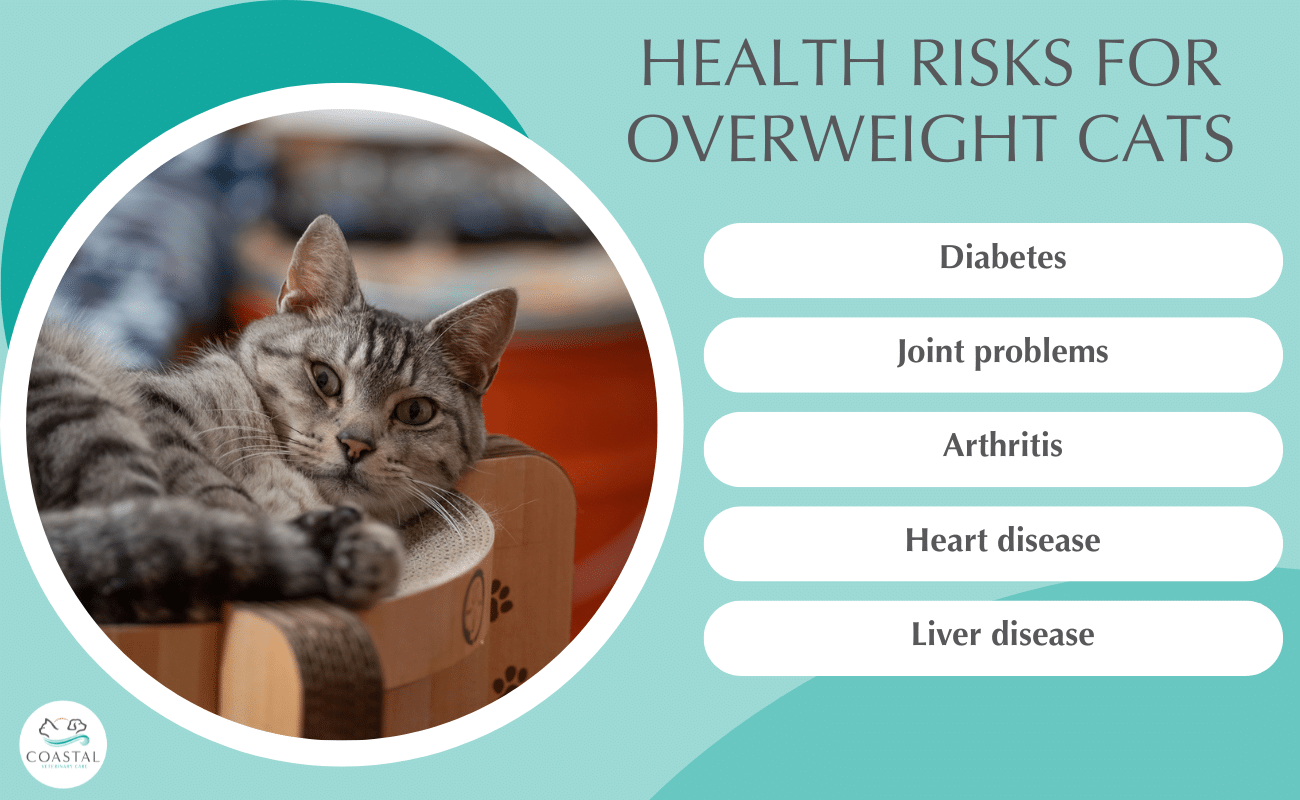
Credit: coastalveterinarycare.vet
Chronic Conditions In Cats
Chronic health conditions in cats can quietly affect their quality of life. These long-lasting illnesses may develop slowly, making early detection and management crucial. Understanding common chronic conditions helps you spot warning signs and take steps to support your feline friend’s well-being.
Diabetes
Diabetes in cats occurs when their bodies can’t regulate blood sugar properly. You might notice increased thirst, frequent urination, or sudden weight loss. Managing diabetes often involves insulin injections and dietary changes, but catching it early makes a big difference.
Have you observed your cat drinking more water than usual? That’s a red flag worth discussing with your vet. Regular check-ups can help identify diabetes before symptoms become severe.
Kidney Disease
Kidney disease is a common issue in older cats and can progress over months or years. Symptoms like decreased appetite, vomiting, and lethargy often appear late, so regular blood tests are important. Feeding a kidney-friendly diet and ensuring plenty of fresh water can help slow the disease’s impact.
Consider how often you monitor your cat’s eating habits. Small changes might be the first signs of kidney trouble.
Arthritis
Just like people, cats can develop arthritis, causing joint pain and stiffness. You might notice your cat is less active or has trouble jumping onto furniture. Simple adjustments like providing soft bedding and easy access to favorite spots can improve comfort.
Have you seen your cat avoid stairs or hesitate before jumping? These subtle signs could mean arthritis is affecting their mobility.
Hyperthyroidism
Hyperthyroidism happens when the thyroid gland produces too much hormone, speeding up metabolism. Cats with this condition may lose weight despite eating more, appear restless, or have rapid heartbeat. Treatment options include medication, dietary changes, or sometimes surgery.
Is your cat suddenly more energetic and hungry but losing weight? This combination should prompt a vet visit to check for hyperthyroidism.
Emergency Situations
Emergency situations with cats can be scary and urgent. Quick recognition and action save lives. Knowing what to do helps protect your cat’s health. Immediate care can prevent serious problems.
Recognizing Emergencies
Watch for sudden changes in behavior. Signs like difficulty breathing, bleeding, or unconsciousness need fast attention. Other emergencies include:
- Severe vomiting or diarrhea
- Seizures or collapse
- Swollen abdomen or painful body
- Inability to urinate or defecate
- Exposure to toxins or poisons
Any extreme or unusual symptom may indicate a serious issue.
Immediate Actions
Stay calm to help your cat effectively. Gently restrain them to avoid injury. Control bleeding by applying pressure with a clean cloth. Keep your cat warm and quiet.
Do not give human medications or food unless advised. Remove harmful substances from your cat’s reach. Prepare for transport by safely placing your cat in a carrier.
When To Seek Vet Help
Contact a vet immediately if your cat:
- Is unresponsive or unconscious
- Has trouble breathing or persistent coughing
- Shows signs of poisoning or ingestion of harmful items
- Has severe pain or swelling
- Is bleeding heavily or has wounds
- Cannot urinate or defecate
Fast veterinary care is crucial for emergencies. Don’t delay if your cat’s condition worsens quickly.
Role Of Environment
The environment where your cat lives plays a huge role in their overall health. It affects not only their physical well-being but also their mental state. A carefully managed space can prevent many common health problems and improve your cat’s quality of life.
Safe Indoor Spaces
Creating a safe indoor space protects your cat from outdoor dangers like traffic, predators, and diseases. Your home should have cozy, quiet areas where your cat can retreat and feel secure. Think about adding soft bedding, hiding spots, and elevated perches to give them control over their surroundings.
Have you noticed how your cat behaves differently when they have a private nook? That calmness is a sign their environment feels safe, which reduces stress and supports better health.
Stress Reduction
Stress can trigger a range of health issues in cats, from urinary problems to weakened immune systems. Avoid loud noises, sudden changes, and overcrowded spaces to keep stress levels low. Using pheromone diffusers or playing calming music can also help soothe anxious cats.
Try observing your cat’s body language—are they hiding more than usual or grooming excessively? These signs often point to stress that you can help reduce by adjusting their environment.
Exercise And Stimulation
Regular exercise keeps your cat’s body strong and prevents obesity-related illnesses. Providing toys, scratching posts, and interactive playtime encourages movement and mental stimulation. Rotate toys frequently to keep your cat interested and engaged.
Have you ever seen how a simple laser pointer chase can light up your cat’s eyes and boost their activity? Small daily play sessions can make a big difference in preventing health problems linked to inactivity.

Credit: catcura.com
Frequently Asked Questions
What Are Common Health Problems In Cats?
Common cat health issues include fleas, kidney disease, diabetes, and respiratory infections. Regular vet check-ups help early detection and treatment.
How Can I Prevent Health Problems In My Cat?
Provide balanced nutrition, regular vaccinations, and parasite control. Keep cats indoors to avoid injuries and infectious diseases.
What Signs Indicate My Cat Is Sick?
Look for appetite changes, lethargy, vomiting, diarrhea, coughing, or unusual behavior. Early vet visits improve treatment outcomes.
When Should I Take My Cat To The Vet?
Visit the vet immediately if your cat shows severe symptoms like difficulty breathing, persistent vomiting, or sudden weakness.
Conclusion
Cats can face many health problems during their lives. Watching their behavior helps catch issues early. Regular vet visits keep cats healthy and happy. Feeding good food supports their body and immune system. Understanding common cat health problems protects your pet better.
Taking small steps makes a big difference in care. A healthy cat means more joyful time together. Keep learning about cat health to offer the best care. Your cat depends on you for a long, healthy life.
