


Are you wondering how to keep your cat looking and feeling its best? Grooming isn’t just about making your feline friend look pretty—it’s essential for their health and happiness.
Whether your cat has short fur or a fluffy coat, knowing the right grooming tips can save you from unexpected vet visits and messy surprises. You’ll discover simple, effective ways to care for your cat’s coat, reduce shedding, and even strengthen the bond between you and your furry companion.
Keep reading to unlock the secrets of stress-free grooming that your cat will actually enjoy.
)
Credit: www.northroadvet.com.au
Choosing The Right Grooming Tools
Choosing the right grooming tools for your cat can make all the difference in keeping them happy and healthy. The right tools not only simplify the grooming process but also make it more comfortable for your furry friend. Understanding which brushes, clippers, and shampoos suit your cat’s specific needs helps you avoid skin irritation and stress.
Brushes And Combs For Different Coats
Different cat coats require different brushes and combs. Short-haired cats usually do well with a rubber brush or a bristle brush that removes loose fur without hurting the skin.
Long-haired cats benefit from a slicker brush and a wide-toothed comb to detangle mats gently. If your cat has a dense undercoat, a de-shedding tool can reduce shedding effectively.
Have you noticed your cat’s fur getting tangled or shedding excessively? Choosing the right brush could be the simple fix you need.
Nail Clippers And Their Use
Trimming your cat’s nails is essential, but using the right nail clippers prevents injury. Scissor-style clippers offer precision, while guillotine clippers can be quicker for experienced groomers.
Never rush nail trimming; a calm environment and steady hands will make the process easier for both of you. Remember to avoid cutting the quick, the sensitive part inside the nail, to prevent pain and bleeding.
How often do you check your cat’s nails? Regular trims keep your furniture safe and your cat comfortable.
Safe Shampoos And Conditioners
Cats have sensitive skin, so choosing shampoos and conditioners made specifically for felines is critical. Avoid human products, as they can cause dryness and irritation.
Look for shampoos that are free from harsh chemicals, artificial fragrances, and dyes. Conditioners help keep the coat soft and reduce tangling, especially in long-haired cats.
Have you ever seen your cat shake off water after a bath? Using the right shampoo can make bath time less stressful and more effective.
Brushing Techniques For Cats
Brushing your cat keeps their coat clean and healthy. It removes dirt, loose fur, and prevents hairballs. Regular brushing also strengthens the bond between you and your cat. Use gentle strokes to make the experience pleasant and relaxing for your pet.
Frequency Of Brushing
Brush short-haired cats once or twice a week. Long-haired cats need brushing every day or every other day. Increase brushing during shedding seasons to manage loose fur. Pay attention to your cat’s comfort and response during brushing.
Handling Mats And Tangles
Use a wide-toothed comb to gently detangle mats. Hold the fur close to the skin to avoid pulling. Work slowly and patiently on stubborn tangles. For severe mats, ask a vet or groomer for help. Regular brushing reduces the chance of mats forming.
Dealing With Shedding
Shedding increases in spring and fall. Brush more often to catch loose hair early. Use a de-shedding tool to remove undercoat fur. Keep your home clean by vacuuming often during heavy shedding. Healthy diet also helps reduce excessive shedding.
Bathing Your Cat
Bathing your cat might seem like a daunting task, but it can be a positive experience for both of you with the right approach. While most cats groom themselves, there are times when a bath becomes necessary. Understanding when and how to bathe your cat will help keep their coat healthy and your bond strong.
When To Bathe Your Cat
Not all cats need regular baths. Typically, cats groom themselves very well, so bathing is only required if they get into something sticky, smelly, or harmful.
Consider a bath if your cat has fleas, skin conditions, or allergies that require medicated shampoos. Older cats or those with mobility issues might also benefit from occasional baths since they may struggle to clean themselves properly.
Ask yourself: Has your cat rolled in dirt or something greasy? Is their fur matted or unusually oily? These are good signs that a bath might help.
Step-by-step Bathing Guide
- Prepare everything first.Have cat shampoo, a towel, and a cup for rinsing ready. Use warm water—not hot or cold—to keep your cat comfortable.
- Calm your cat.Speak softly and gently pet them to reduce stress. You can place a rubber mat in the sink or tub to prevent slipping.
- Wet your cat slowly.Use a cup or sprayer to wet their fur evenly, avoiding the head area. Cats often dislike water on their face.
- Apply shampoo.Use a small amount designed for cats, lather gently, and focus on dirty spots. Avoid harsh scrubbing.
- Rinse thoroughly.Make sure no soap remains, as residue can irritate their skin.
- Clean the face carefully.Use a damp cloth to wipe around eyes, ears, and mouth.
Drying Tips To Keep Cats Comfortable
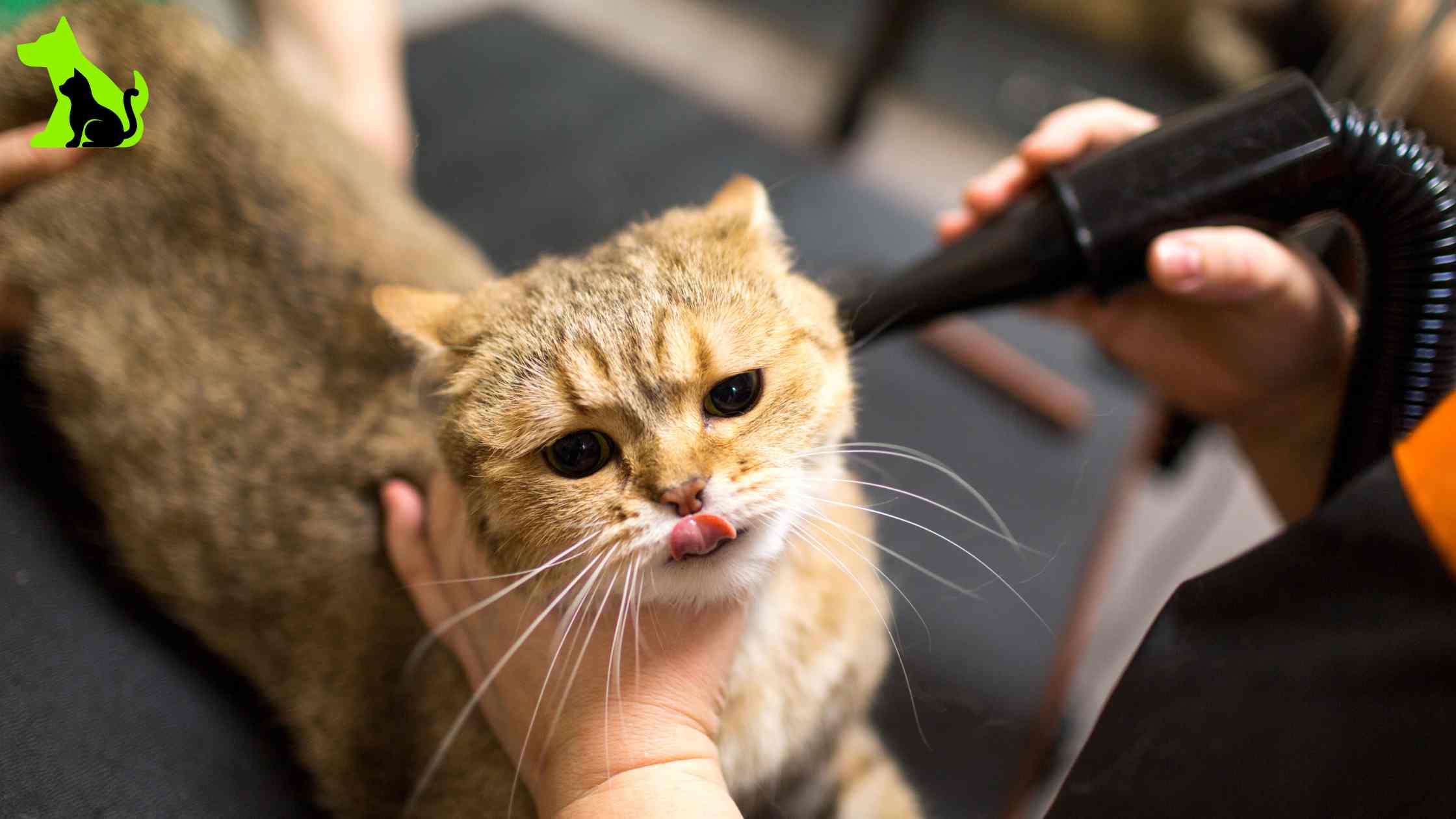
Many cats dislike blow dryers, so towel drying is usually the best option. Wrap your cat in a soft towel and gently pat them dry, changing towels if they get too wet.
If your cat tolerates it, use a blow dryer on the lowest, coolest setting. Keep it moving and at a distance to avoid overheating.
Make sure your cat stays warm after the bath, especially in cooler weather. You might notice your cat grooming more intensely afterward; this is normal as they try to restore their scent and feel.
Nail Care And Trimming
Nail care is an important part of keeping your cat healthy and comfortable. Overgrown nails can cause pain, damage furniture, and even lead to infections. Regular trimming helps your cat move easily and prevents accidental scratches to you and your loved ones.
Signs Your Cat Needs A Trim
Watch for nails that are clicking on hard floors—that’s a clear sign they’ve grown too long. If your cat’s nails are curling under or snagging on carpets and fabrics, it’s time for a trim. You might also notice your cat scratching more than usual or seeming uncomfortable when walking.
Safe Trimming Practices
Use a sharp, cat-specific nail trimmer to avoid crushing the nail. Trim only the sharp tip, staying clear of the quick—the pink area inside the nail that contains nerves and blood vessels. If you accidentally cut the quick, apply styptic powder or cornstarch to stop the bleeding quickly.
- Trim nails in a well-lit area to see the quick clearly.
- Hold your cat gently but firmly to keep them calm.
- Offer treats before and after to make the experience positive.
Alternatives To Trimming
If trimming isn’t an option, consider using nail caps. These small, soft covers protect your furniture and skin without harming your cat. Regular scratching posts also help naturally wear down nails, so provide a variety of textures and shapes for your cat to use.
Have you noticed how your cat reacts to different nail care methods? Sometimes a little patience and experimenting can find the best fit for both of you.
Ear And Eye Cleaning
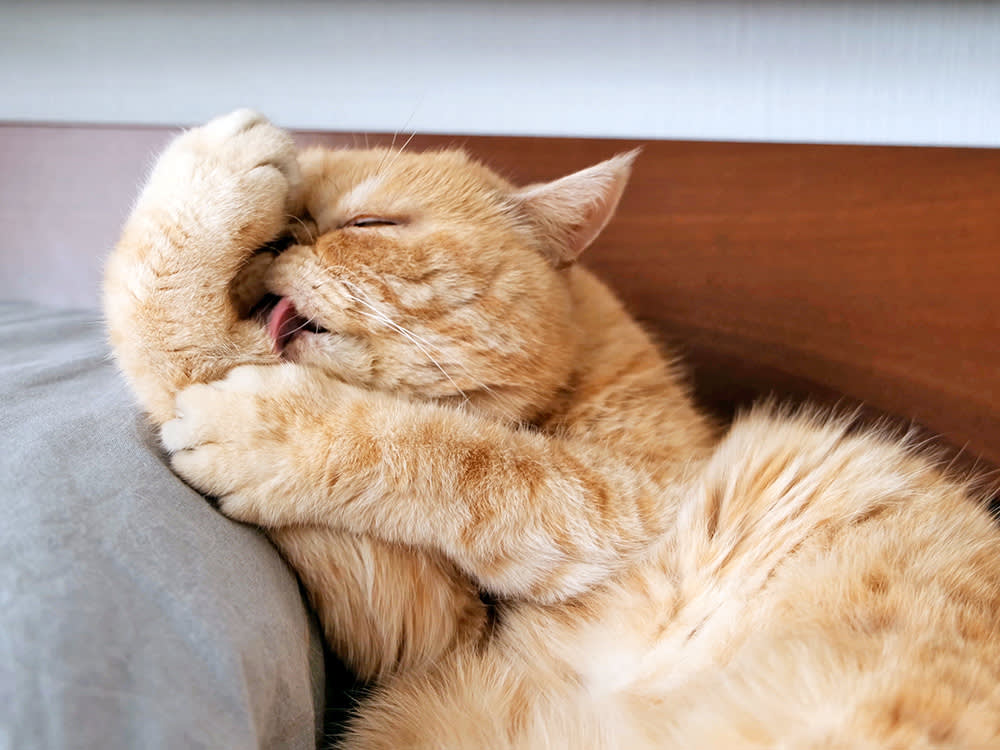
Cleaning your cat’s ears and eyes is vital for their health. Dirt and wax can build up quickly. This buildup can cause discomfort or infections. Regular checks help spot problems early. Proper cleaning keeps your cat comfortable and prevents issues.
Identifying Dirt And Infection
Look for dark wax or crust in the ears. A strong smell can signal infection. Redness or swelling means irritation. Eyes with discharge or redness need attention. Squinting or pawing at eyes or ears shows discomfort. Clear eyes and clean ears mean good health.
Gentle Cleaning Methods
Use a soft cloth or cotton ball. Dampen it with warm water or vet-approved cleaner. Wipe the outer ear gently. Avoid pushing inside the ear canal. For eyes, wipe away discharge from the corner outward. Use a clean cloth for each eye. Never use harsh chemicals or cotton swabs inside ears.
When To Seek Veterinary Help
If you see swelling, redness, or bad smell, visit the vet. Persistent discharge or your cat scratching often needs professional care. Sudden changes in behavior or hearing require a vet check. Early treatment stops serious problems. Trust your instincts and get help if unsure.
Credit: www.kinship.com
Dental Hygiene For Cats
Dental hygiene is often overlooked in cat care, yet it plays a crucial role in your feline’s overall health. Poor oral care can lead to painful infections, bad breath, and even affect your cat’s heart and kidneys. Paying attention to your cat’s dental health can save them discomfort and costly vet visits.
Importance Of Oral Care
Did you know that by age three, most cats show signs of dental disease? Plaque and tartar build-up can cause gum inflammation and tooth decay. This doesn’t just affect their mouth—it can lead to serious health problems.
Regular dental care helps prevent painful conditions like gingivitis and tooth loss. It also makes your cat more comfortable when eating and playing. How often do you check your cat’s mouth for signs of trouble?
Brushing Your Cat’s Teeth
Brushing might sound tricky, but many cats get used to it with patience and gentle handling. Use a soft-bristled toothbrush and special cat toothpaste; never use human toothpaste as it can harm your pet.
Start slowly by letting your cat sniff and lick the toothpaste. Then, gently brush a few teeth at a time, focusing on the gum line. Consistency is key—try to brush at least 2-3 times a week to see real benefits.
Dental Treats And Toys
Dental treats and toys can support your cat’s oral hygiene by reducing plaque buildup. Look for products approved by veterinary dental organizations to ensure they’re safe and effective.
- Dental treats: Crunchy textures help clean teeth and freshen breath.
- Chew toys: Designed to massage gums and scrape away plaque.
- Interactive toys: Encourage chewing and play, promoting dental health naturally.
Have you noticed your cat enjoying a particular treat or toy that also helps keep their teeth cleaner? Choosing the right product can make dental care a fun part of their day.
Handling Grooming Stress
Grooming your cat can sometimes feel like a battle, especially if your furry friend shows signs of stress. Handling grooming stress effectively helps both you and your cat enjoy these moments more. Understanding what triggers your cat and how to ease their anxiety makes a huge difference in keeping grooming sessions calm and successful.
Recognizing Stress Signals
Pay close attention to your cat’s body language during grooming. Signs like flattened ears, dilated pupils, twitching tail, or sudden attempts to escape indicate stress. Vocalizations such as hissing or growling are clear warnings, too.
Have you noticed your cat freezing or suddenly becoming overly still? This can be a subtle stress signal, showing they feel trapped or overwhelmed. Recognizing these early signs helps you pause before stress escalates.
Calming Techniques
Try creating a quiet, comfortable space for grooming. Soft lighting and minimal noise reduce distractions that might unsettle your cat.
Use gentle, slow strokes and avoid rushing. Speak softly to reassure your cat throughout the process. You might also try brief breaks if you sense your cat is getting anxious.
- Offer treats intermittently to create positive associations.
- Use a calming pheromone spray or diffuser nearby.
- Wear gloves if your cat tends to scratch out of fear, but aim to build trust over time.
Making Grooming A Positive Experience
Start grooming sessions when your cat is relaxed, like after a nap or meal. This sets a peaceful tone from the beginning.
Keep sessions short at first, gradually increasing the time as your cat becomes more comfortable. Celebrate small victories, such as your cat allowing a few strokes without fuss.
Have you tried pairing grooming with playtime or cuddles afterward? This can help your cat associate grooming with fun and affection, making future sessions easier.
Seasonal Grooming Tips
Seasonal changes can dramatically affect your cat’s grooming needs. Adjusting your routine with the weather helps keep your feline friend comfortable and healthy. Paying attention to these shifts can prevent common skin and coat issues that arise during different times of the year.
Adjusting Grooming Routines For Weather
In warmer months, your cat may shed more and require more frequent brushing to remove loose fur. Cooler seasons call for less brushing but more attention to dryness or flakiness of the skin. Have you noticed your cat’s coat becoming dull or oily depending on the season? Adjusting your grooming schedule based on these signs keeps their fur balanced and fresh.
Managing Seasonal Shedding
Shedding tends to spike in spring and fall as cats transition between their summer and winter coats. Brushing daily during these periods can minimize hairballs and reduce the amount of fur around your home. Using a de-shedding tool or grooming glove can be especially effective in catching loose undercoat hairs before they fall out.
- Brush gently but thoroughly to avoid irritating your cat’s skin.
- Offer treats during grooming to create positive associations.
- Keep your environment clean to reduce allergens from shed hair.
Protecting Skin And Coat Year-round
Regardless of season, your cat’s skin and coat need consistent care. Hydration is key—both through water intake and moisturizing grooming products. Avoid harsh shampoos; opt for those formulated specifically for cats to maintain natural oils.
Consider your cat’s diet too; omega-3 fatty acids can improve coat shine and skin health. Have you checked if your cat’s scratching or licking habits have increased? These might be signs you need to step up your grooming game to protect their skin.
Credit: hellopetsinc.com
Frequently Asked Questions
How Often Should I Groom My Cat?
Cats generally need grooming once or twice a week. Long-haired breeds require more frequent grooming. Regular brushing prevents mats and reduces shedding. It also helps maintain healthy skin and fur. Grooming sessions strengthen your bond with your cat.
What Tools Are Best For Cat Grooming?
Use a soft-bristle brush for short-haired cats. Long-haired cats benefit from a slicker brush or comb. Nail clippers designed for pets help trim claws safely. Avoid using human grooming tools, as they can harm your cat’s skin or fur.
Can Grooming Improve My Cat’s Health?
Yes, grooming helps detect skin issues early. It reduces hairballs by removing loose fur. Regular grooming promotes a shiny, healthy coat. It also helps prevent infections and parasites. Grooming supports your cat’s overall well-being.
How Do I Groom A Scared Or Anxious Cat?
Start slowly with short sessions in a calm environment. Use gentle strokes and soothing tones. Offer treats to create positive associations. If needed, consult a vet or groomer for advice. Patience and consistency help build trust over time.
Conclusion
Caring for your cat’s coat keeps them healthy and happy. Regular grooming stops mats and reduces shedding. It also helps you spot health problems early. Cats enjoy the attention and bonding time. Use gentle brushes and be patient. Small steps make grooming easier for both.
Your cat will thank you with a shiny, soft coat. Keep grooming simple and consistent for best results. A happy cat means a happy home.
